Artificial gauge fields and dimensions in a polariton hofstadter ladder
Simon Widmann, Jonas Bellmann, Johannes Düreth, Siddhartha Dam, Christian G. Mayer, Philipp Gagel, Simon Betzold, Monika Emmerling, Subhaskar Mandal, Rimi Banerjee, Timothy C. H. Liew, Ronny Thomale, Sven Höfling, Sebastian Klembt

TL;DR
The study demonstrates a new way to create topological edge transport in polariton systems using artificial gauge fields, eliminating the need for strong magnetic fields.
Contribution
A new method to achieve non-reciprocal transport in polariton lattices using an artificial gauge field and polarization as an artificial dimension.
Findings
Non-reciprocal transport of polariton pseudospins was demonstrated in a micropillar chain.
Artificial gauge fields enabled topological edge-state propagation without strong magnetic fields.
The approach overcomes dimensionality and magnetic field limitations in topological polariton systems.
Abstract
Artificial gauge fields allow uncharged particles such as photons to mimic the behaviour of charged particles subjected to magnetic fields, providing a powerful platform to alter the effective dynamics and exploring topological physics. Topological exciton-polariton lasers have attracted considerable interest, but often require strong magnetic fields to realise propagating topological edge states. Here we experimentally realise the topological Hall effect in a micron-scale micropillar chain by using an artificial gauge field, exploiting the circular polarisation of polaritons as an artificial dimension. Careful rotational alignment of elliptical micropillars induces strictly polarisation-dependent edge-state propagation, demonstrating non-reciprocal transport of the polariton pseudospins. Our results demonstrate that the dimensionality limitation of topological interface states as well…
Genes, proteins, chemicals, diseases, species, mutations and cell lines named across the full text — each resolved to its canonical identifier and authoritative record.
Click any figure to enlarge with its caption.
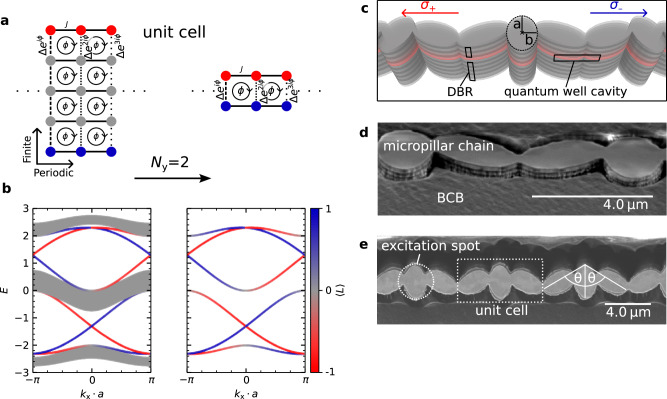 Figure 1
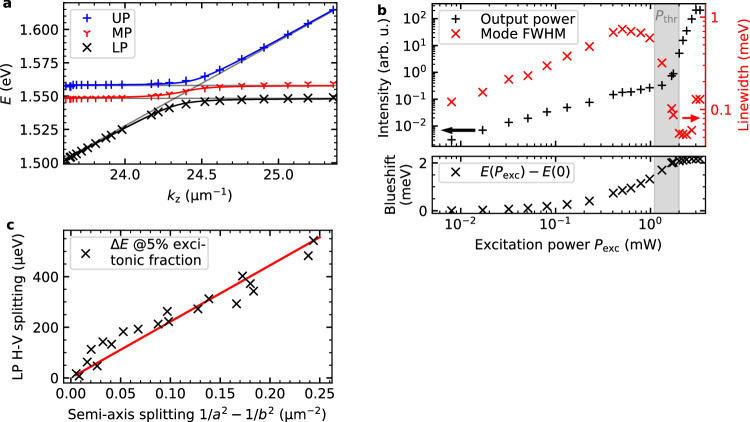 Figure 2
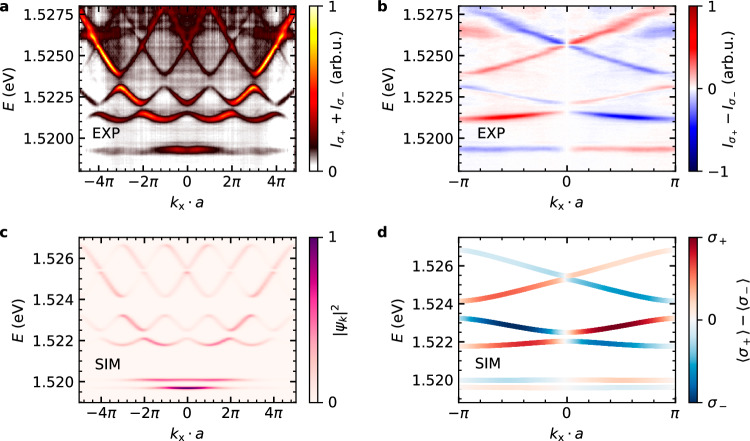 Figure 3
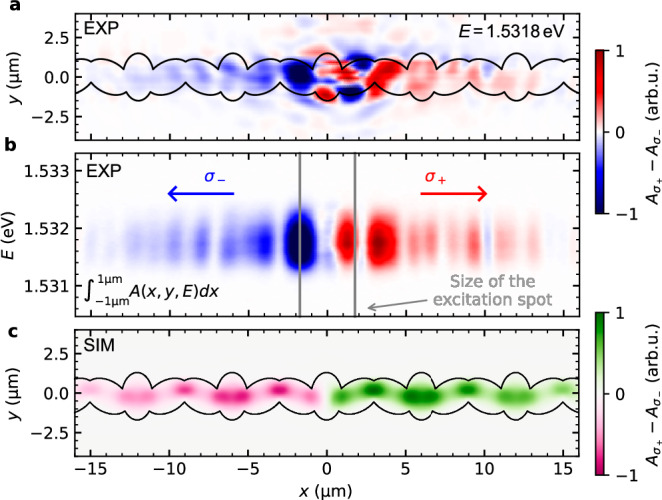 Figure 4
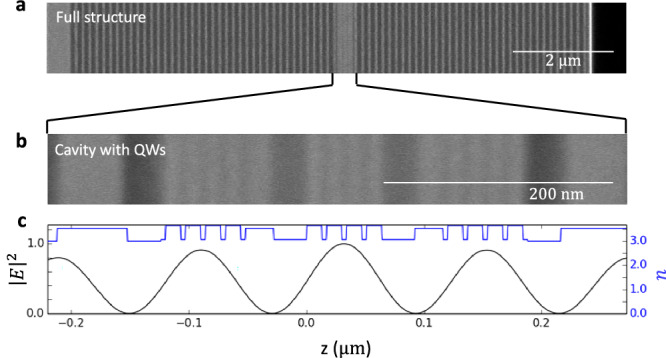 Figure 5
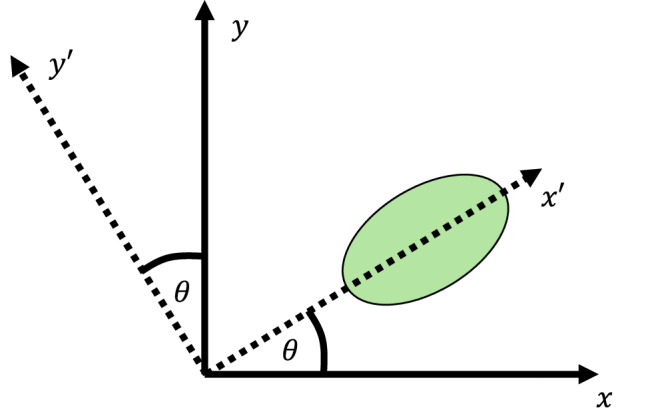 Figure 6
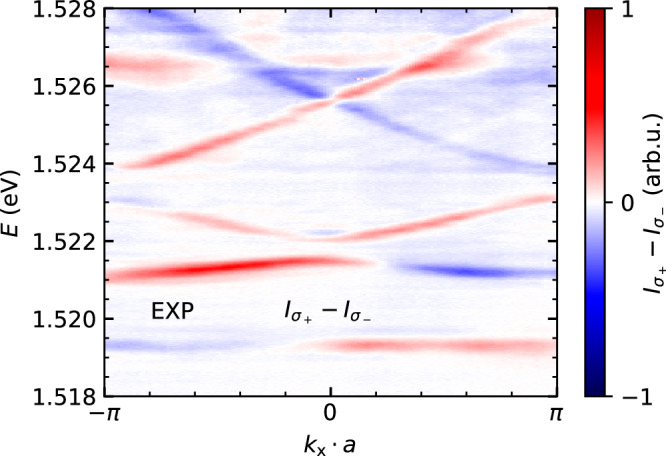 Figure 7
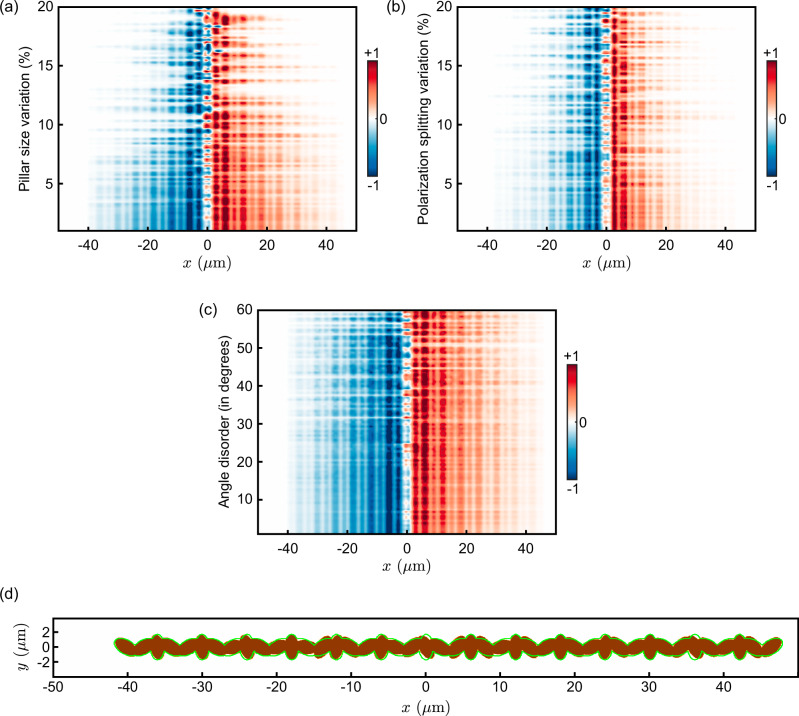 Figure 8
Peer Reviews
No public reviews on file for this paper yet. If you reviewed it on a platform where reviews are public (OpenReview, ICLR, NeurIPS, ICML), you can paste yours below so the community can read it here.
Videos
No videos yet. Explain this paper in a talk, walkthrough, or lecture? Add one.
Taxonomy
TopicsStrong Light-Matter Interactions · Topological Materials and Phenomena · Quantum Electrodynamics and Casimir Effect