Long-term outcomes of the modified Dunn procedure in moderate and severe slipped capital femoral epiphysis: a prospective case series with 7-year follow-up
Mahmoud Fahmy, Ahmed Hazem Abdelazeem, Mostafa Ahmed Shawky

TL;DR
This study shows that the modified Dunn procedure improves hip function and anatomy in adolescents with moderate to severe SCFE, but carries risks like avascular necrosis and arthritis.
Contribution
The study provides long-term follow-up data (7 years) on the modified Dunn procedure for moderate-to-severe SCFE, a gap in existing literature.
Findings
The modified Dunn procedure significantly reduced slip angles and improved hip function scores in patients with moderate-to-severe SCFE.
Avascular necrosis occurred in 16.7% of cases, and arthritis developed in 8.3%, with 25% of patients experiencing significant complications.
Functional improvements were sustained over 7 years, with no postoperative instability or wound infections reported.
Abstract
Slipped capital femoral epiphysis (SCFE) is the most common hip disorder in adolescents and may lead to femoroacetabular impingement, early osteoarthritis, and long-term functional disability if inadequately treated. While in situ pinning remains the standard treatment for mild slips, it fails to correct the deformity in moderate and severe cases, potentially predisposing to degenerative changes. The modified Dunn procedure (MDP) was developed to restore proximal femoral anatomy through surgical hip dislocation while preserving vascular supply. The aim of the study is to evaluate the long-term radiological and functional outcomes of the MDP in patients with moderate (14 cases) and severe (10 cases) SCFE, and to assess the incidence of avascular necrosis (AVN), osteoarthritis, and other complications. A prospective case series was conducted between August 2015 and January 2019 at a…
Genes, proteins, chemicals, diseases, species, mutations and cell lines named across the full text — each resolved to its canonical identifier and authoritative record.
Click any figure to enlarge with its caption.
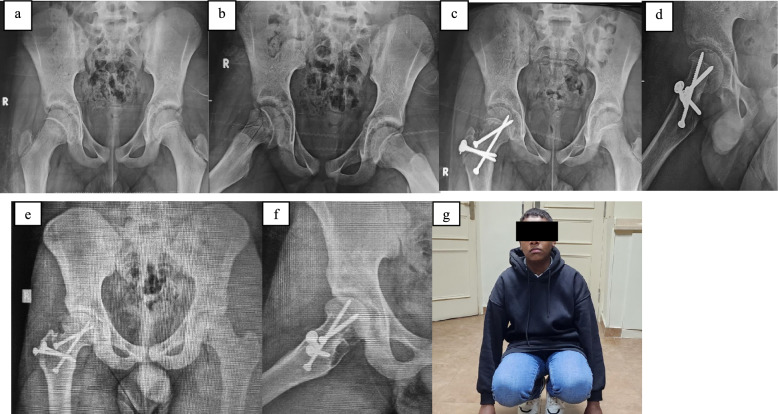 Figure 1
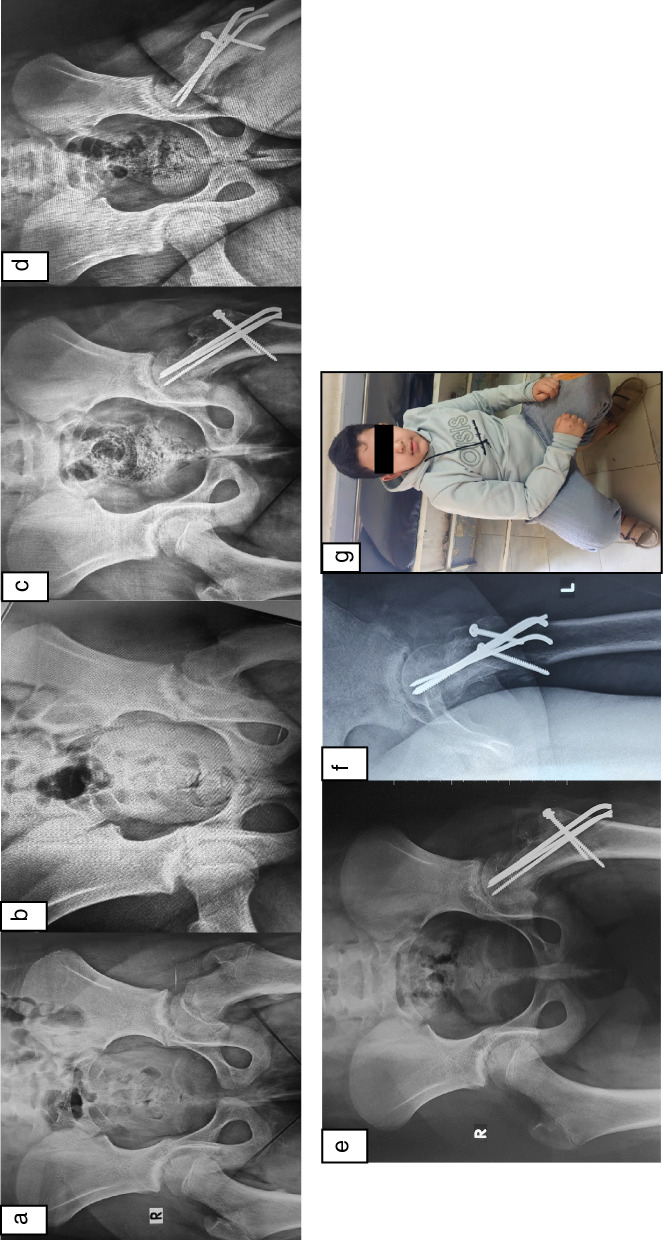 Figure 2
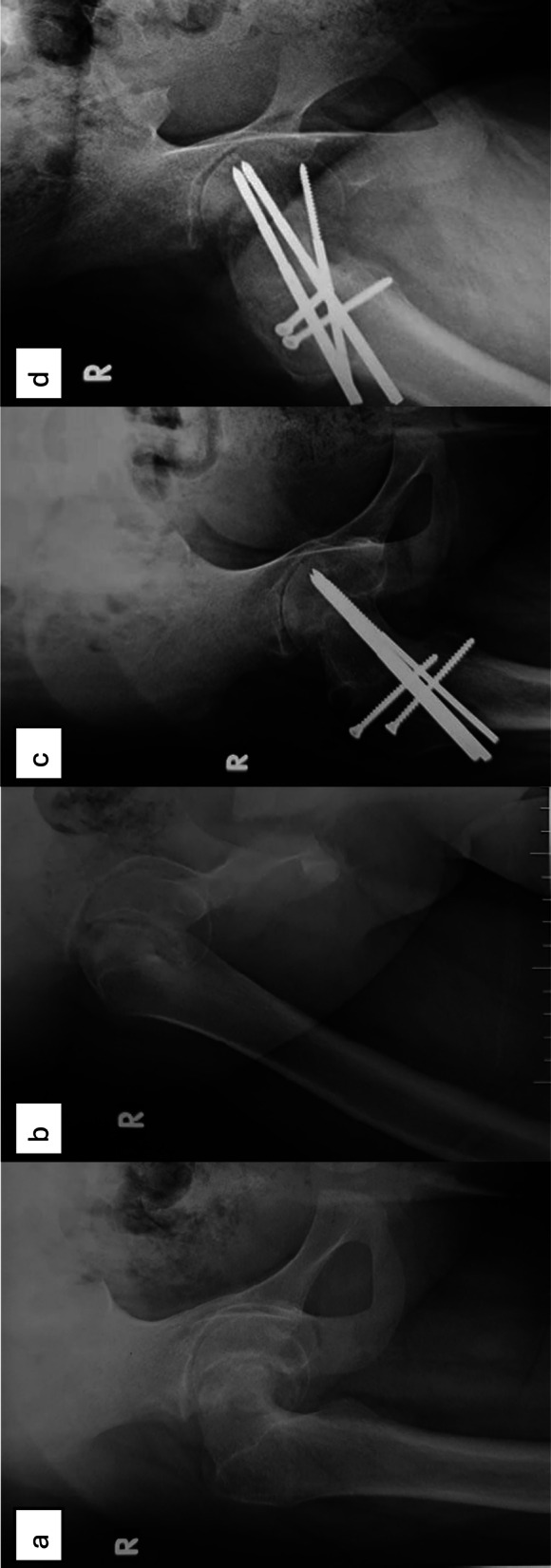 Figure 3
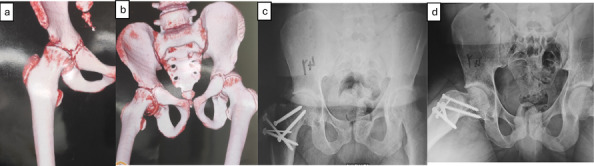 Figure 4
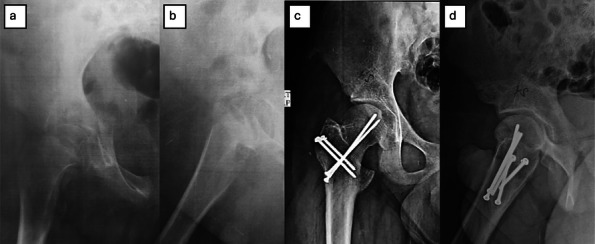 Figure 5
Peer Reviews
No public reviews on file for this paper yet. If you reviewed it on a platform where reviews are public (OpenReview, ICLR, NeurIPS, ICML), you can paste yours below so the community can read it here.
Videos
No videos yet. Explain this paper in a talk, walkthrough, or lecture? Add one.
Taxonomy
TopicsHip disorders and treatments · Orthopaedic implants and arthroplasty · Hip and Femur Fractures