Intermittent Propofol Exposure Induces Neurodevelopmental Alterations in Human Brain Organoids
Sudena Wang, Chloe Hall, Yong Wang, Leonie Link, Yi Zhang, Alexander Schlägel, Cora Wunder, Christopher Patzke, Matthias Klein, Thomas Mittmann, Michael K. E. Schäfer

TL;DR
Exposing human brain organoids to propofol during early development speeds up brain maturation, suggesting potential risks for fetal brain development.
Contribution
This study reveals that early intermittent propofol exposure accelerates neurodevelopmental processes in human brain organoids.
Findings
Early propofol exposure increased neuronal activity in brain organoids at 60 days in vitro.
RNA-sequencing showed up-regulation of genes related to neurodevelopment and synapse functions after early propofol exposure.
The effects of early propofol exposure overlapped with natural developmental gene expression patterns in brain organoids.
Abstract
The administration of anaesthesia during pregnancy may have implications for fetal brain development. This study used H1 embryonic stem cell-derived human brain organoids (HBOs) to investigate effects of intermittent propofol exposure (IPE). HBOs were subjected to early IPE from 47 to 50 days in vitro (div), or late IPE from 77 to 80 div, using a clinically supra-anaesthetic concentration of 50 µM propofol. This was followed by cultivation without propofol for an additional 10 div, and HBOs were subsequently analysed at 60 or 90 div. Determination of HBO growth and lactate release did not provide evidence of neurotoxicity. Multi-electrode array recordings indicated an increased neuronal activity at 60 div following early IPE, an effect not observed at 90 div following late IPE. RNA-sequencing revealed that IPE up-regulated genes associated with neurodevelopment and synapse functions at…
Genes, proteins, chemicals, diseases, species, mutations and cell lines named across the full text — each resolved to its canonical identifier and authoritative record.
Click any figure to enlarge with its caption.
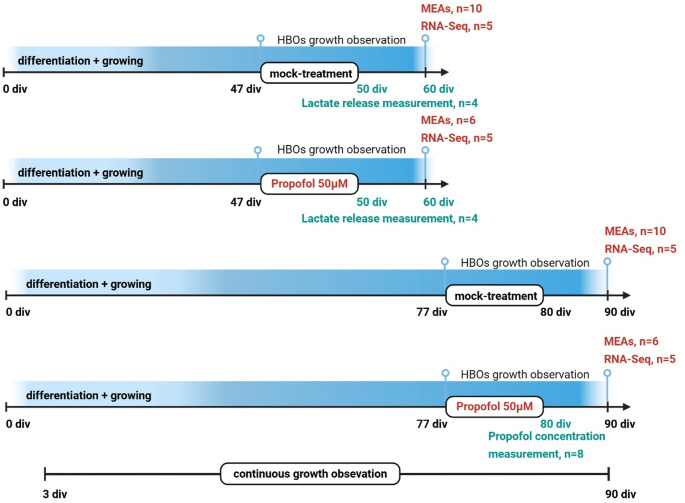 Figure 2
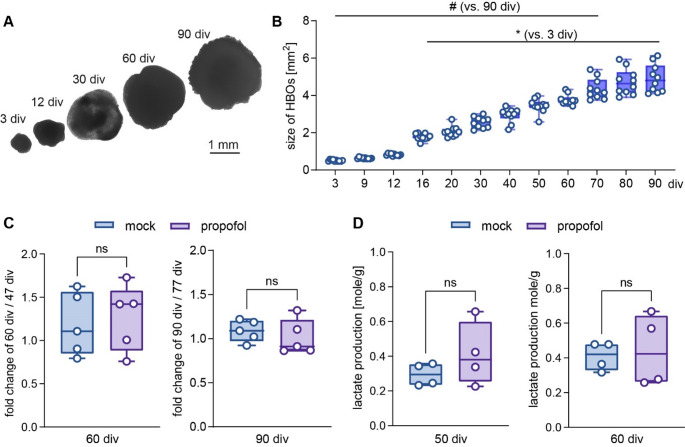 Figure 3
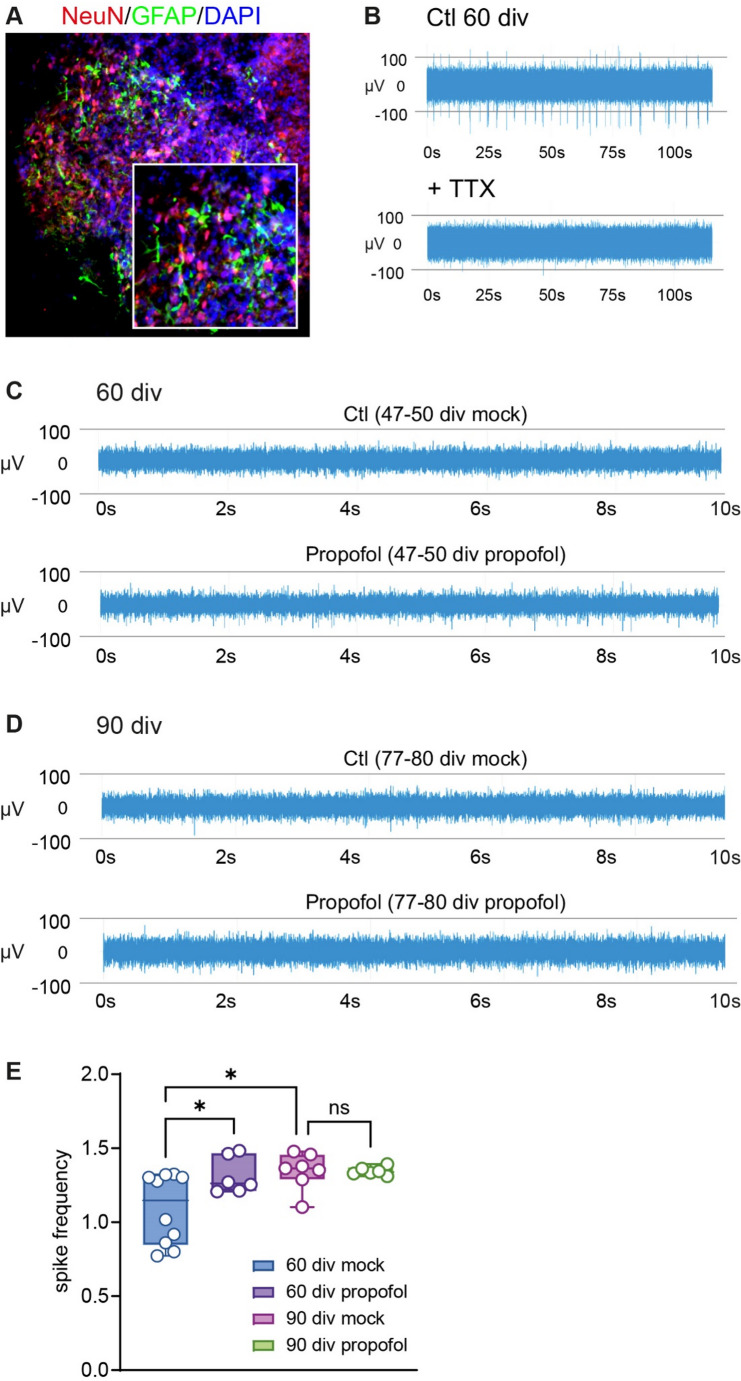 Figure 4
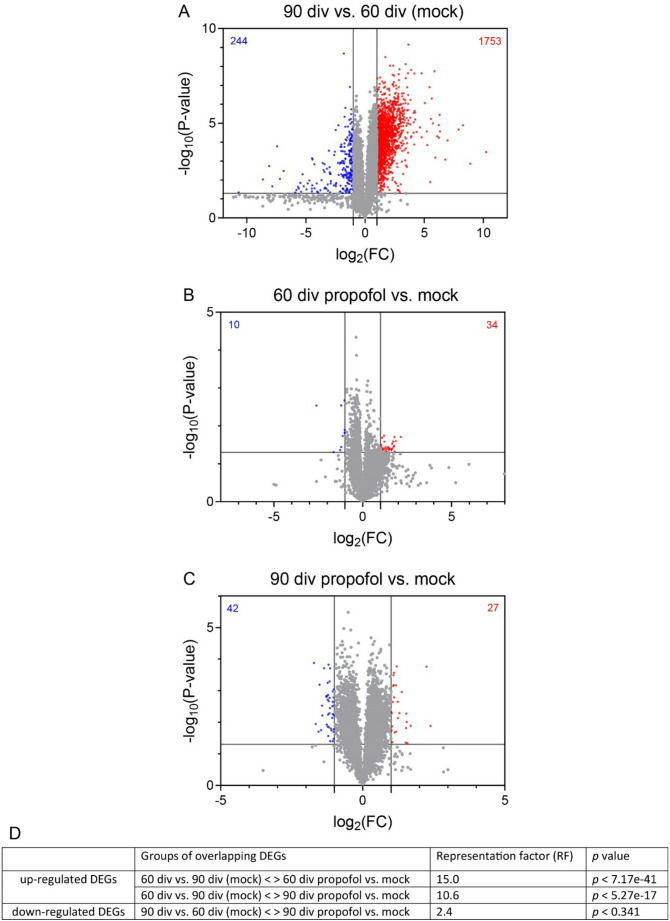 Figure 5
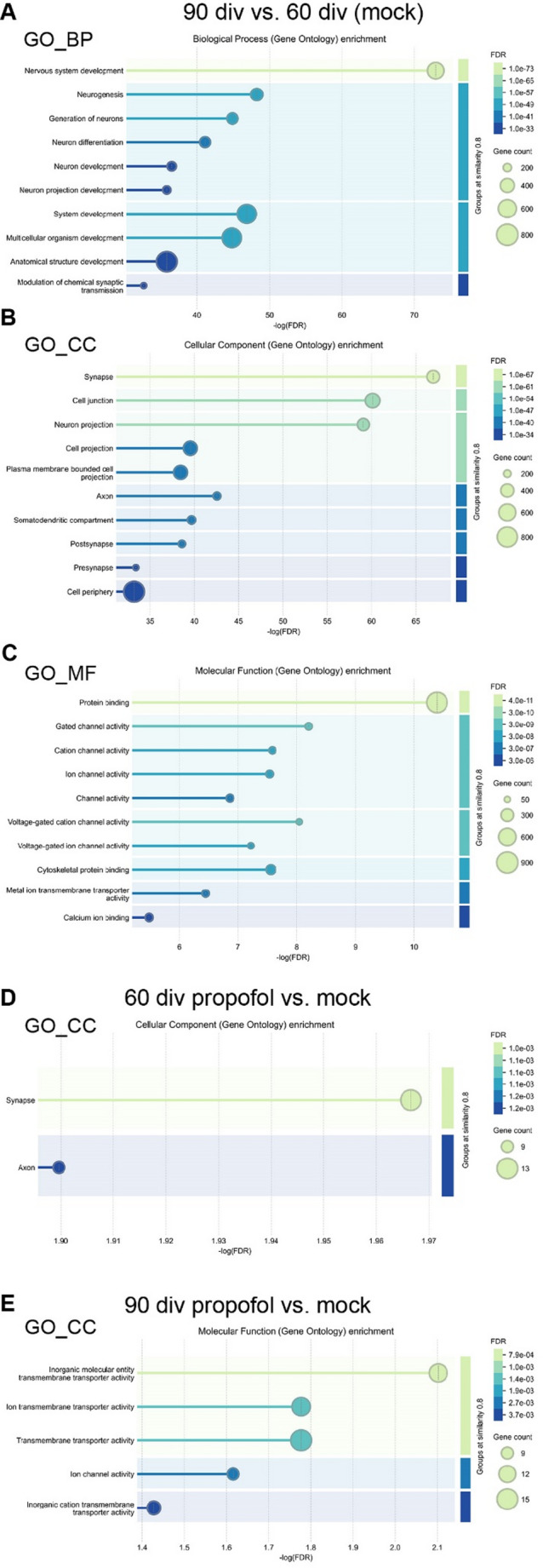 Figure 6
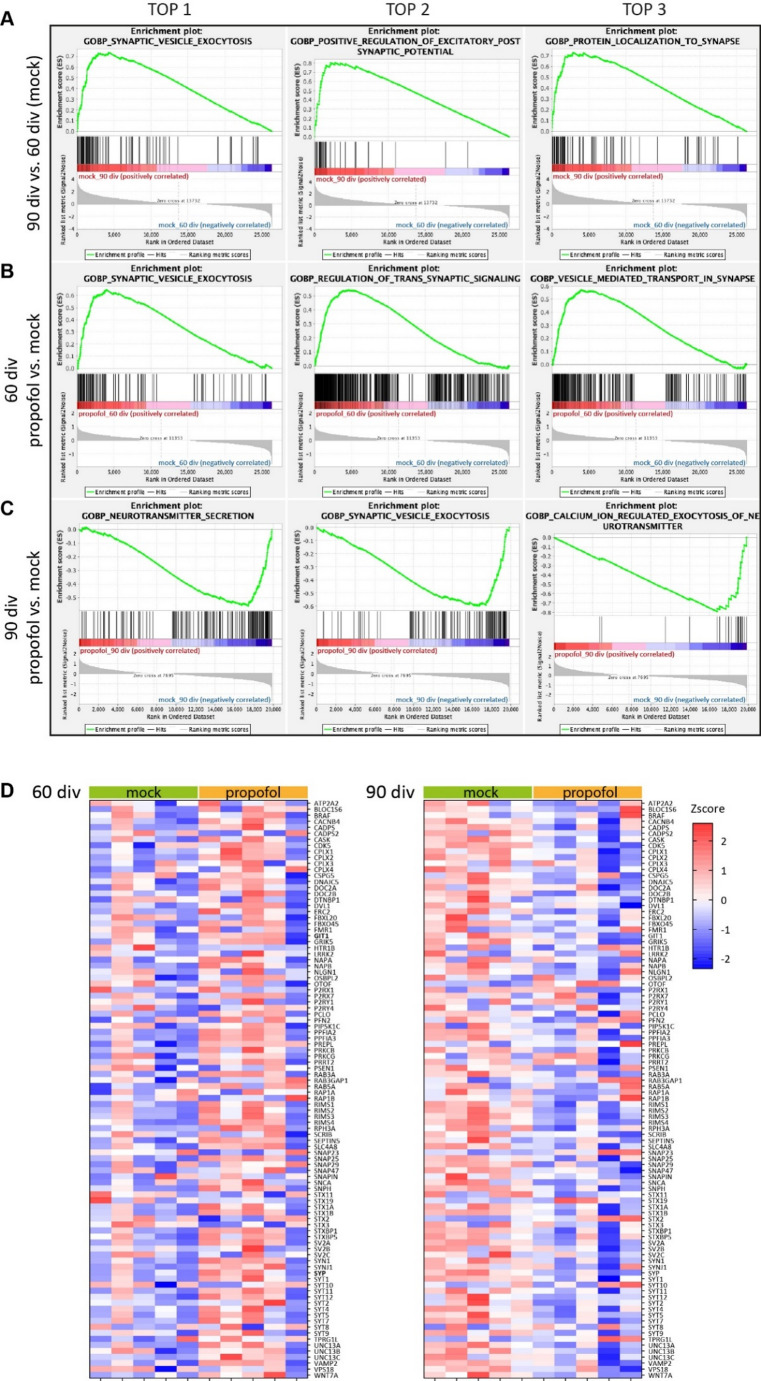 Figure 7
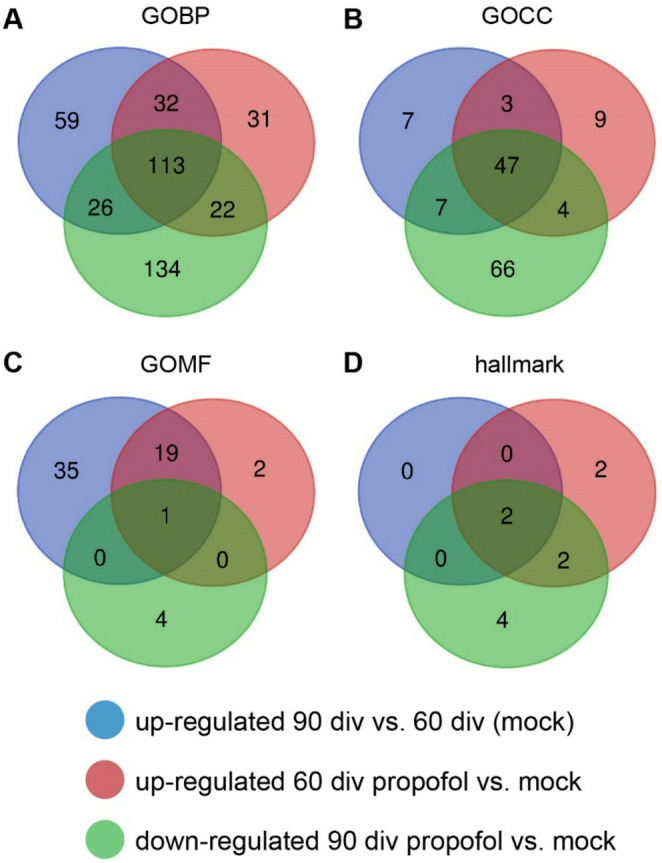 Figure 8
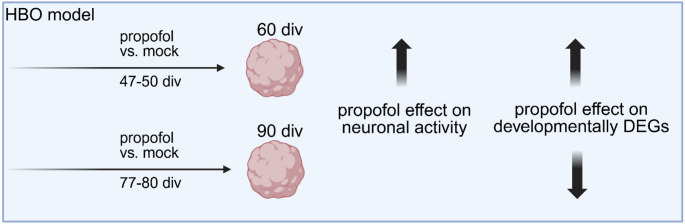 Figure 8
Peer Reviews
No public reviews on file for this paper yet. If you reviewed it on a platform where reviews are public (OpenReview, ICLR, NeurIPS, ICML), you can paste yours below so the community can read it here.
Videos
No videos yet. Explain this paper in a talk, walkthrough, or lecture? Add one.
Taxonomy
TopicsAnesthesia and Neurotoxicity Research · Neonatal and fetal brain pathology · Cancer, Stress, Anesthesia, and Immune Response