Characterization and Phylogenomic Implications of the Mitochondrial Genome of Rhithrogena elasmaris (Ephemeroptera: Heptageniidae)
Qi‐Yong Mu, Quan Zhou, Shook Ling Low, Yong‐Jing Zhao, Yong‐Xia Liu, Jun‐Yan Wu, Yong‐De Cui

TL;DR
This study sequenced the mitochondrial genome of Rhithrogena elasmaris and analyzed its structure and evolution in relation to other Heptageniidae species.
Contribution
The first complete mitochondrial genome of Rhithrogena elasmaris is characterized, providing insights into its phylogenomic relationships and evolutionary patterns.
Findings
The mitochondrial genome of R. elasmaris is 15,326 bp long with 37 typical mitochondrial genes and strong AT bias.
Phylogenomic analysis supports a subfamily framework of (Heptageniinae + [Ecdyonurinae + Rhithrogeninae]) with Rhithrogena as a basal lineage.
High nucleotide diversity and strong purifying selection were observed across protein-coding genes.
Abstract
This study reports the first complete mitochondrial genome of Rhithrogena elasmaris and provides a comprehensive analysis of its structural features and codon usage patterns. Combined with published mitochondrial genomes of 29 Heptageniidae species, we further evaluated genetic diversity, phylogenomic relationships, and differentiation patterns within the family. The mitochondrial genome of R. elasmaris is 15,326 bp in length with a GC content of 36.12%, and comprises the 37 typical mitochondrial genes. It shows a strong AT bias and clear codon usage preferences, with neutrality and PR2 plots indicating natural selection as the dominant evolutionary force. Simple sequence repeats are widely distributed, and tRNA structures are generally conserved despite frequent base mismatches. Comparative analyses demonstrate that gene order in Heptageniidae is highly conserved, although one copy of…
Genes, proteins, chemicals, diseases, species, mutations and cell lines named across the full text — each resolved to its canonical identifier and authoritative record.
Click any figure to enlarge with its caption.
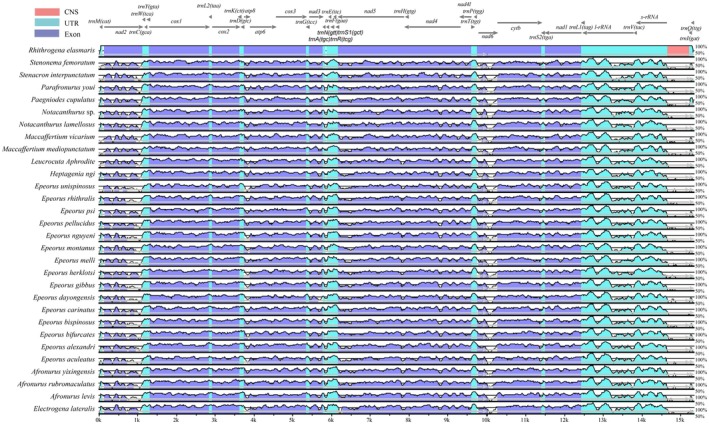 Figure 1
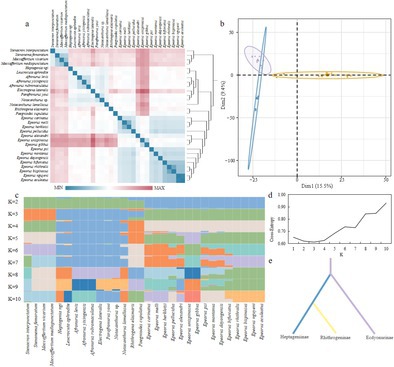 Figure 2
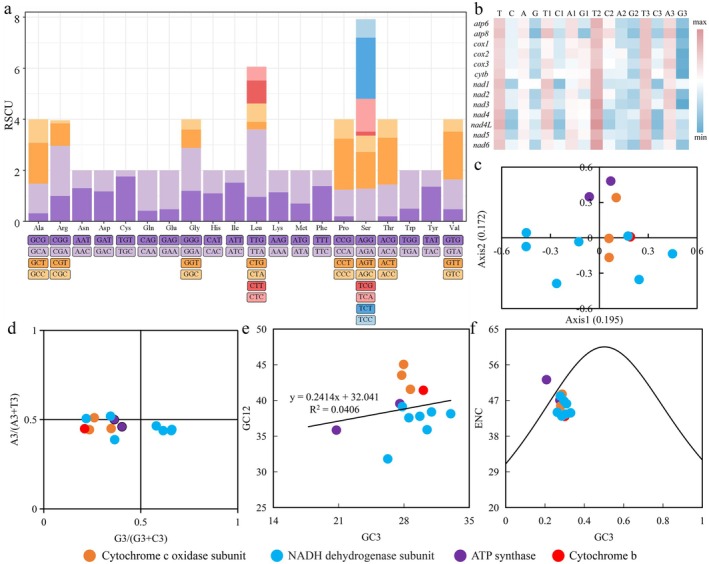 Figure 3
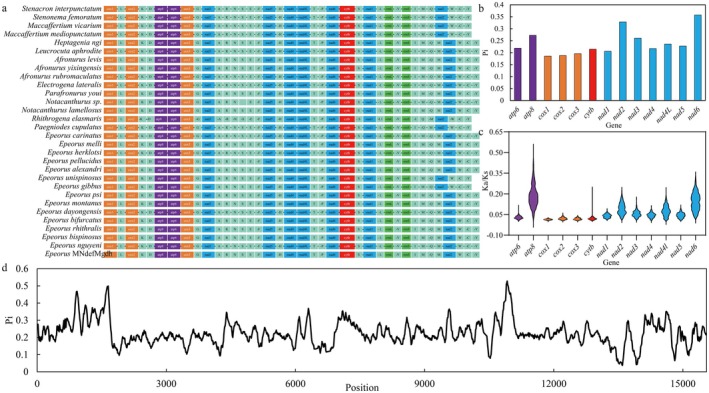 Figure 4
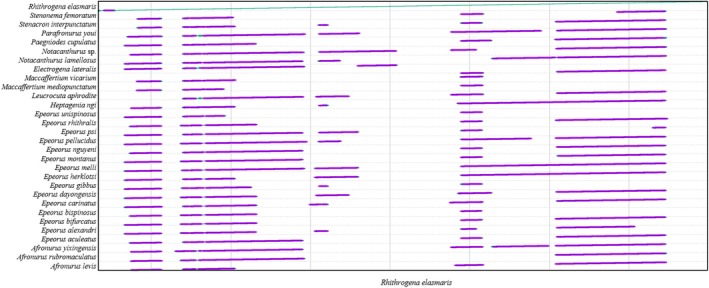 Figure 5
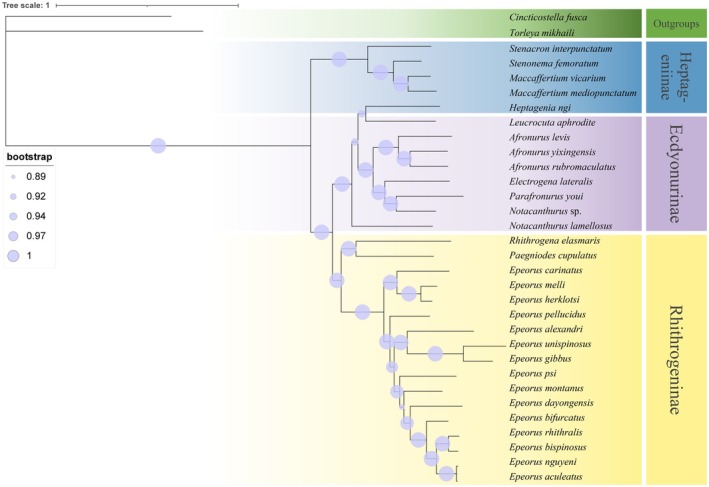 Figure 6
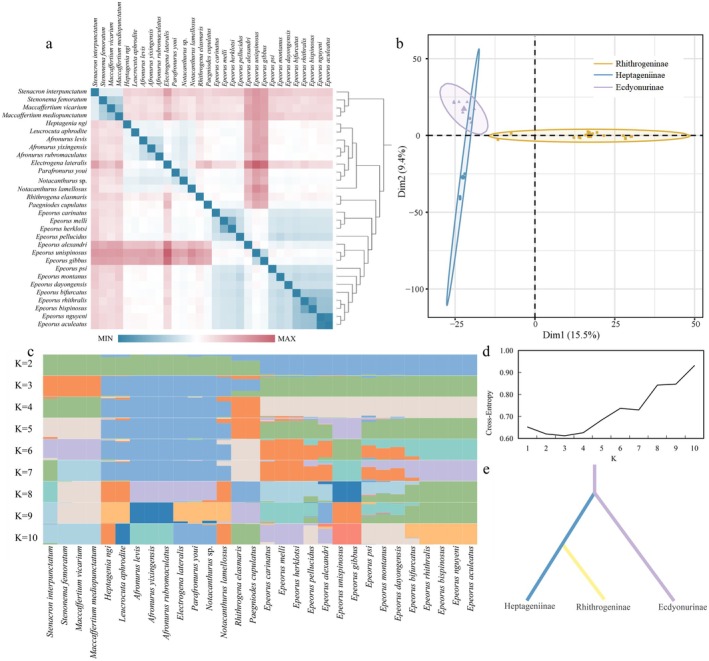 Figure 7
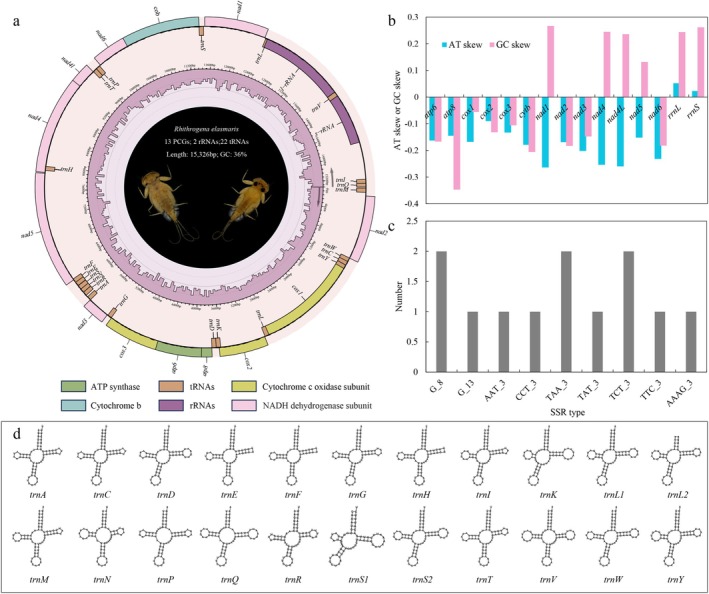 Figure 8
Peer Reviews
No public reviews on file for this paper yet. If you reviewed it on a platform where reviews are public (OpenReview, ICLR, NeurIPS, ICML), you can paste yours below so the community can read it here.
Videos
No videos yet. Explain this paper in a talk, walkthrough, or lecture? Add one.
Taxonomy
TopicsGenomics and Phylogenetic Studies · Freshwater macroinvertebrate diversity and ecology · Environmental DNA in Biodiversity Studies