Machine learning-based identification of factors associated with spontaneous abortion in patients with Systemic lupus erythematosus (SLE): Insights from the Egyptian College of Rheumatology (ECR)–SLE cohort
Nevin Hammam, Walaa N Ismail, Iman I El-Gazzar, Noha M Khalil, Eman F Mohamed, Nermeen Noshy, Dina F El-Essawi, Osman Hammam, Rawhya R El-Shereef, Faten Ismail, Marwa ElKhalifa, Hanan M Fathi, Soha Senara, Samah Ismail Nasef, Amany R El-Najjar, Ahmed M Abdalla, Ali Bakhiet

TL;DR
This study uses machine learning to identify factors linked to spontaneous abortion in women with lupus, showing better performance than traditional methods.
Contribution
The study introduces a high-performing XGBoost model to identify SLE-SA risk factors using clinical data from a large Egyptian cohort.
Findings
XGBoost outperformed logistic regression with an AUC of 0.99 versus 0.78.
Positive antiphospholipid antibodies, low complement 3, and longer disease duration were key predictors of spontaneous abortion.
Hypertension, mucocutaneous ulcers, and use of anticoagulants and steroids were also significant factors.
Abstract
Systemic lupus erythematosus (SLE), an autoimmune disease, predominantly affects women and is associated with an increased risk of spontaneous abortion (SA). However, traditional analytical methods found a modest relationship between some factors and SLE-SA and were limited to a small sample size, frequently associated with poor predictive performance. This study aimed to apply and evaluate an Extreme Gradient Boosting (XGBoost) model using routinely collected clinical data to identify patterns associated with spontaneous abortion in women with SLE and to identify the key variables associated with this outcome. The study included adult SLE women from the Egyptian College of Rheumatology (ECR)-SLE cohort, a national multicenter study, which had available SA data. SA was defined as unexplained pregnancy loss up to 20 weeks of gestation. Patients’ demographics, clinical manifestations,…
Genes, proteins, chemicals, diseases, species, mutations and cell lines named across the full text — each resolved to its canonical identifier and authoritative record.
Click any figure to enlarge with its caption.
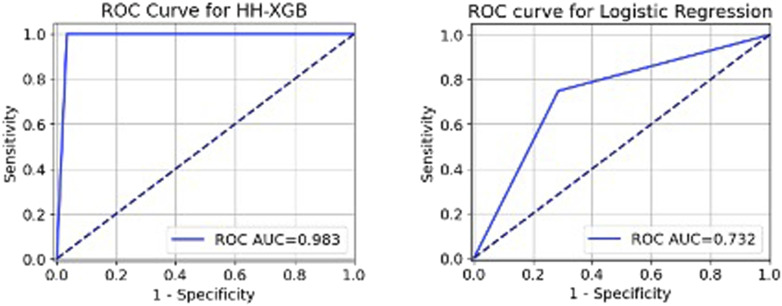 Figure 1
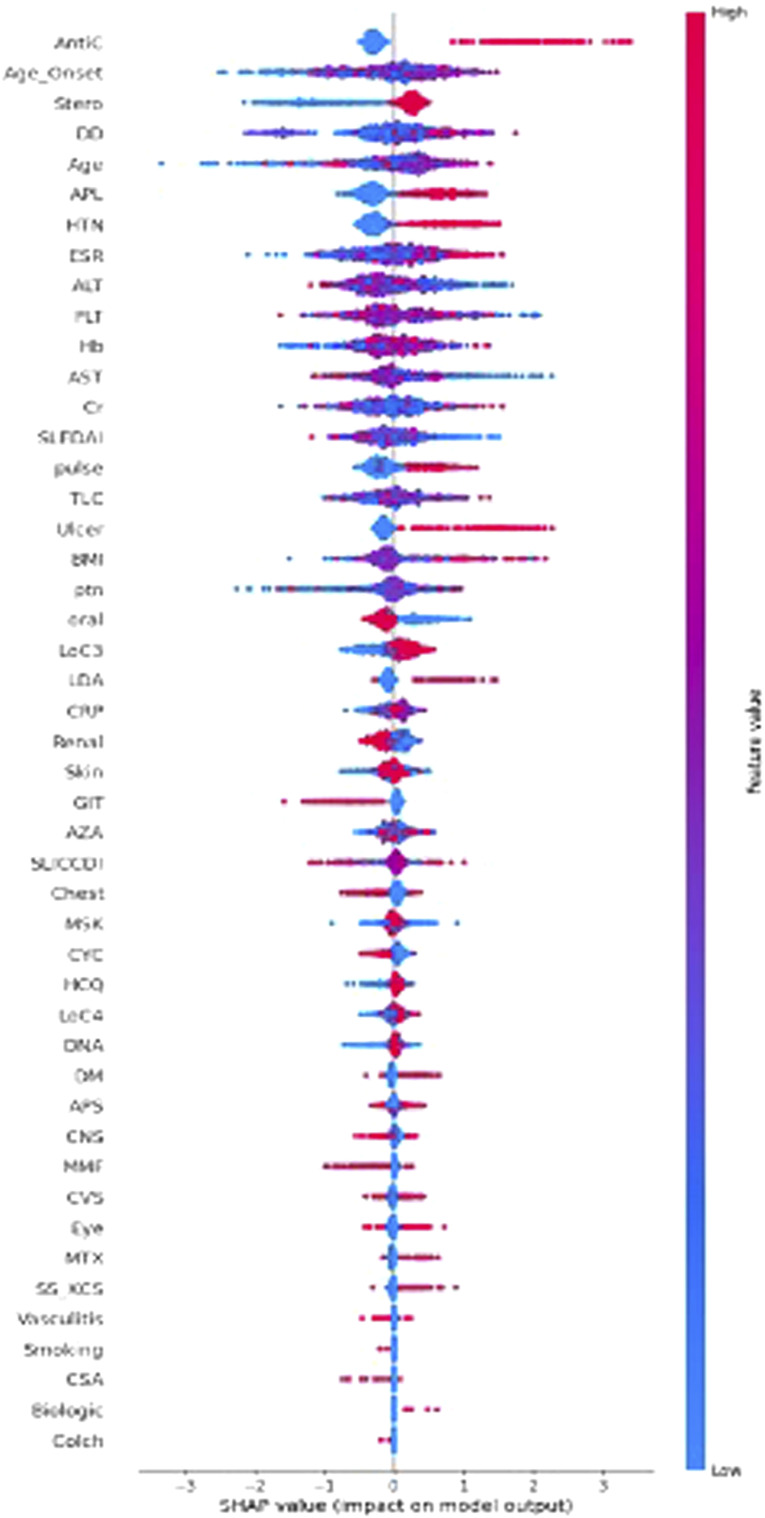 Figure 2
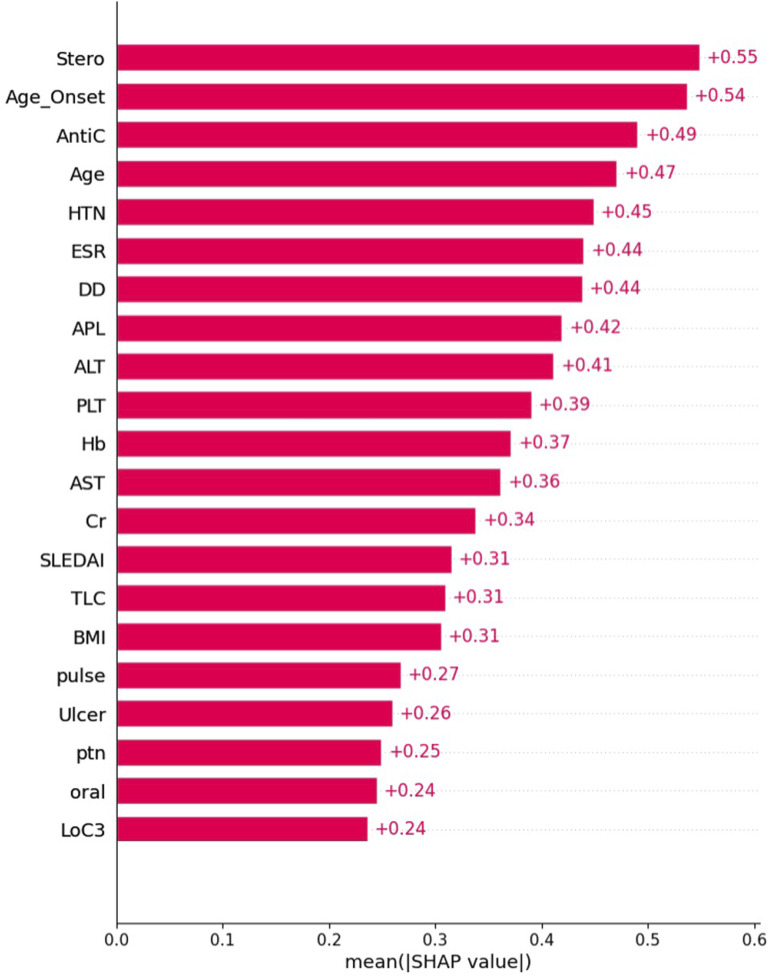 Figure 3
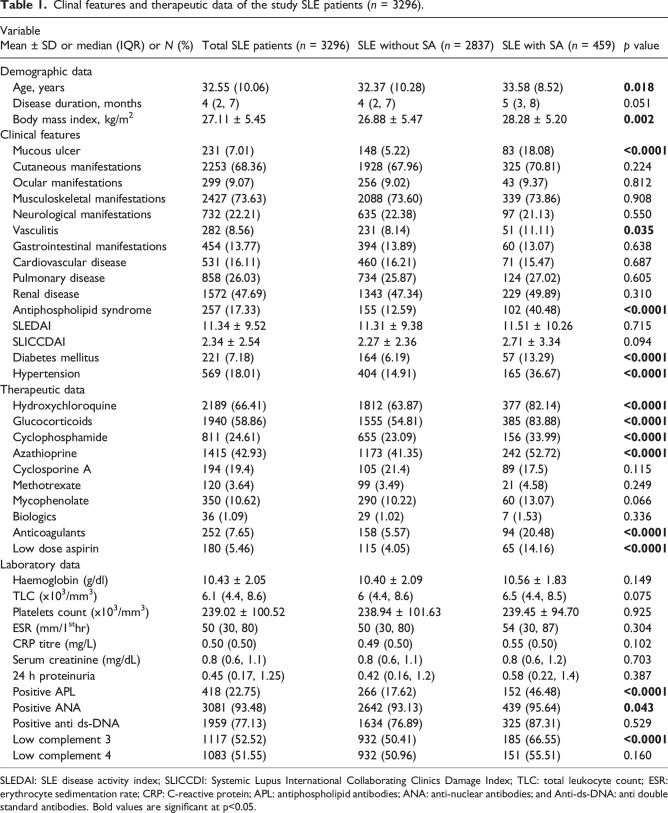 Figure 4
 Figure 5
Peer Reviews
No public reviews on file for this paper yet. If you reviewed it on a platform where reviews are public (OpenReview, ICLR, NeurIPS, ICML), you can paste yours below so the community can read it here.
Videos
No videos yet. Explain this paper in a talk, walkthrough, or lecture? Add one.
Taxonomy
TopicsSystemic Lupus Erythematosus Research · Pregnancy and Medication Impact · Reproductive System and Pregnancy