Chemopreventive Effects of Lycopene in miR‐21 Knockout and Wild‐Type Pancreatic Cancer Cells
Basak Dalbayrak, Burcu Taluğ Taştan, Tuğçe Temel, Pinar Obakan Yerlikaya, Pinar Uysal Onganer, Elif Damla Arisan

TL;DR
This study explores how lycopene, a natural compound, may help prevent pancreatic cancer, especially in cells lacking miR-21, a cancer-promoting microRNA.
Contribution
The study reveals that lycopene's effectiveness is enhanced in pancreatic cancer cells without miR-21, offering new insights into chemoprevention strategies.
Findings
Lycopene reduced cell viability, colony formation, migration, and spheroid integrity in pancreatic cancer cells.
Lycopene lowered reactive oxygen species levels more effectively in miR-21 knockout cells.
miR-21 modulates lycopene sensitivity, suggesting its role in chemoresistance and therapeutic response.
Abstract
Pancreatic cancer is one of the most lethal malignancies, characterized by late diagnosis, rapid progression, and resistance to conventional therapies. The oncogenic microRNA miR‐21 is frequently upregulated in pancreatic tumors and contributes to tumor growth, migration, and chemoresistance by targeting tumor suppressor genes. Lycopene, a naturally occurring carotenoid with antioxidant and anti‐inflammatory properties, has shown promise as a chemopreventive agent in several cancer types. This study investigates the therapeutic potential of lycopene in human pancreatic cancer cell lines (PANC‐1 and MIA PaCa‐2) and their miR‐21 knockout counterparts. Treatment with 50 μM lycopene significantly reduced cell viability, colony formation, migration, and spheroid integrity and decreased intracellular reactive oxygen species (ROS) levels, with more pronounced effects in miR‐21‐deficient cells.…
Genes, proteins, chemicals, diseases, species, mutations and cell lines named across the full text — each resolved to its canonical identifier and authoritative record.
Click any figure to enlarge with its caption.
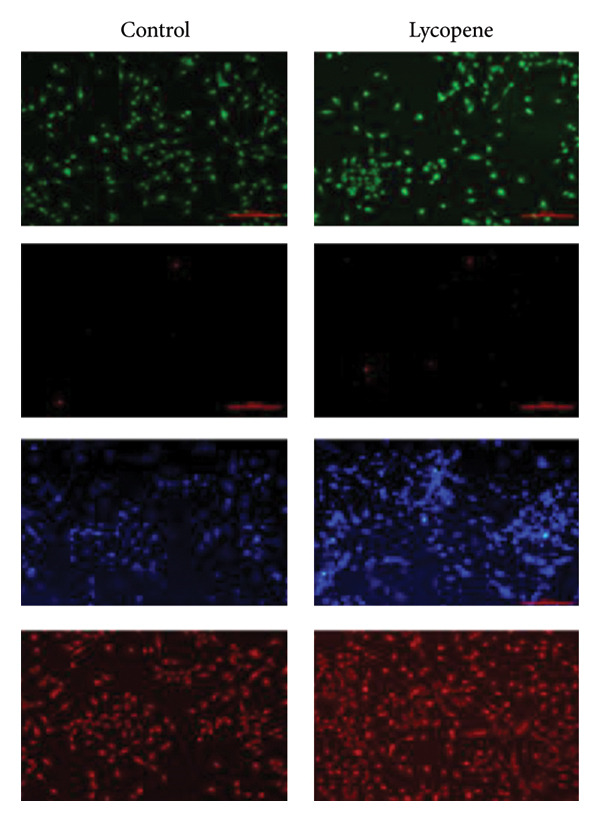 Figure 1
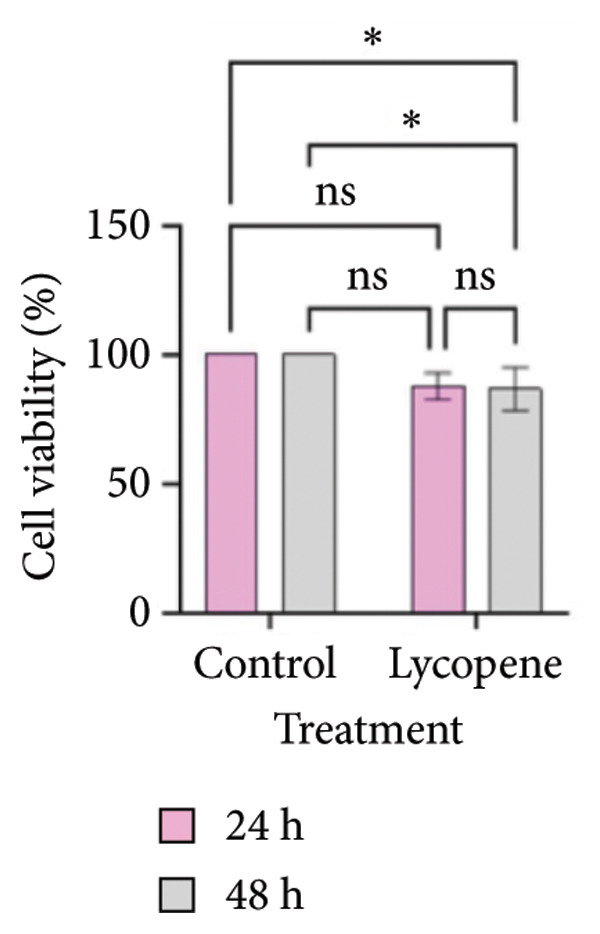 Figure 2
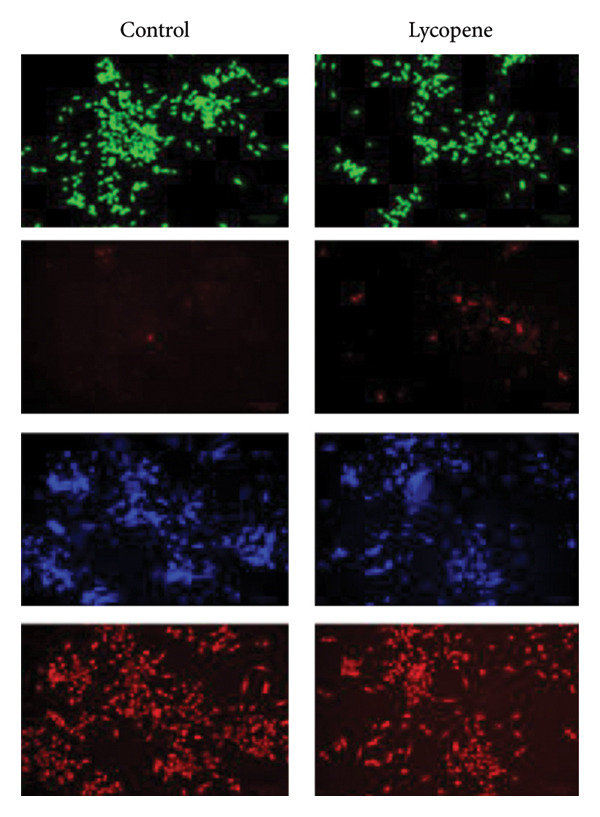 Figure 3
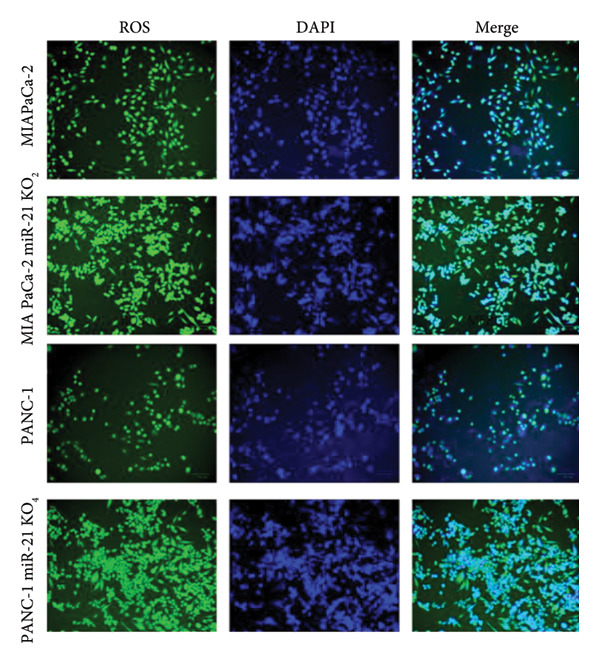 Figure 4
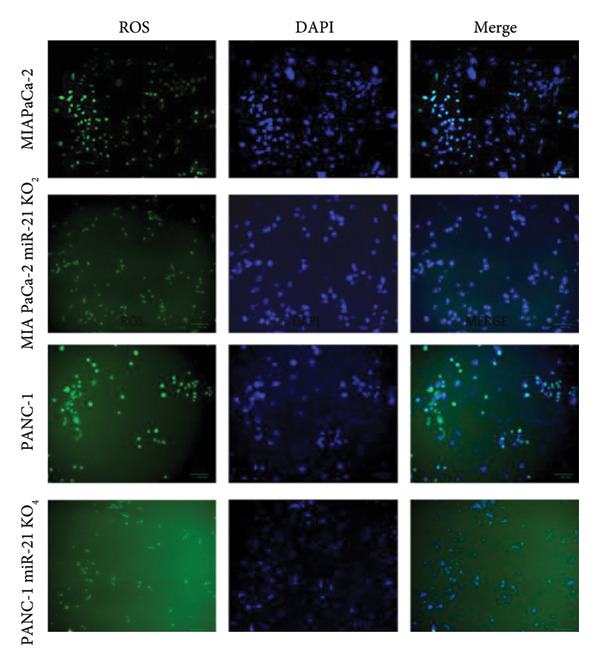 Figure 5
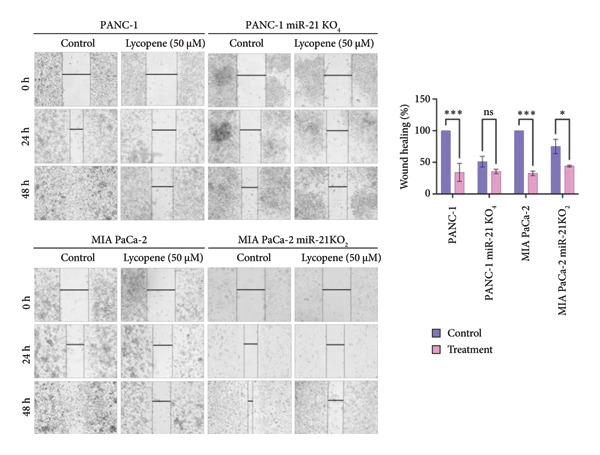 Figure 6
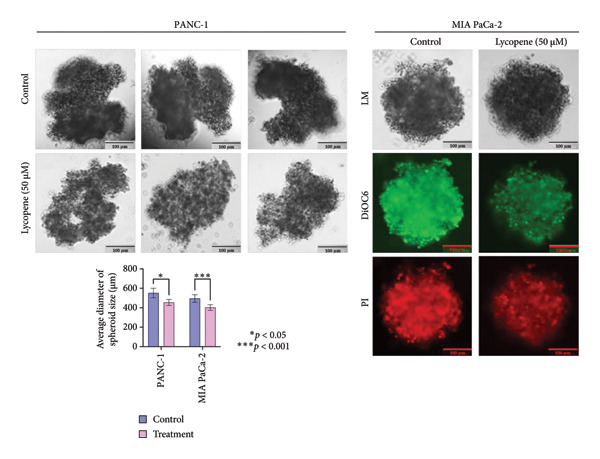 Figure 7
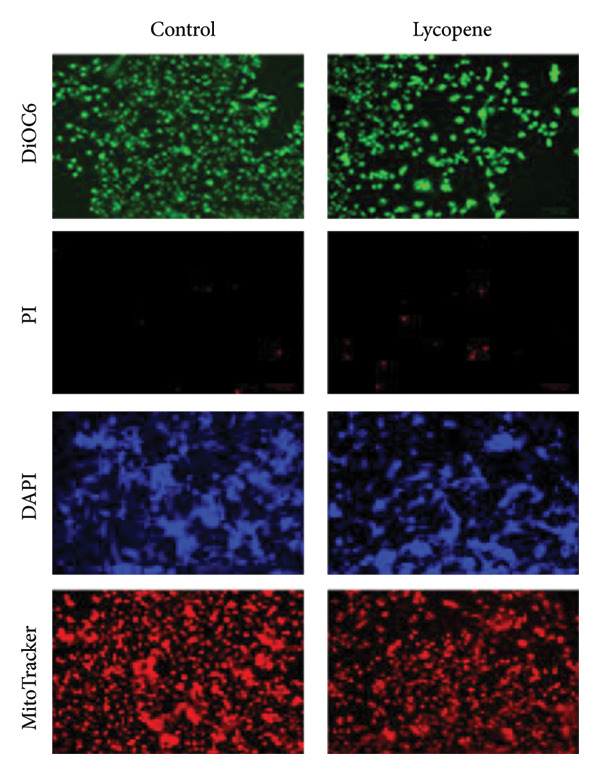 Figure 8
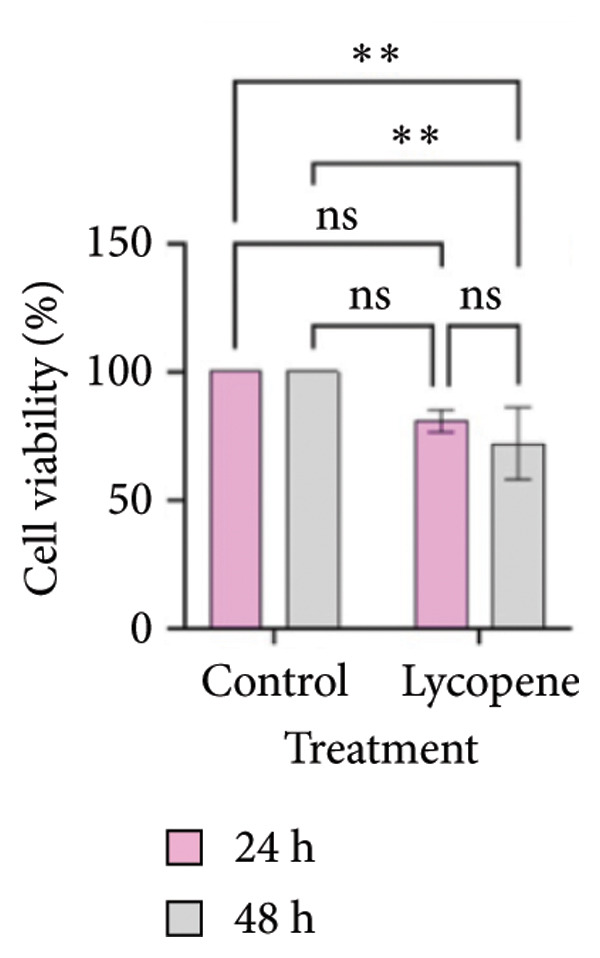 Figure 9
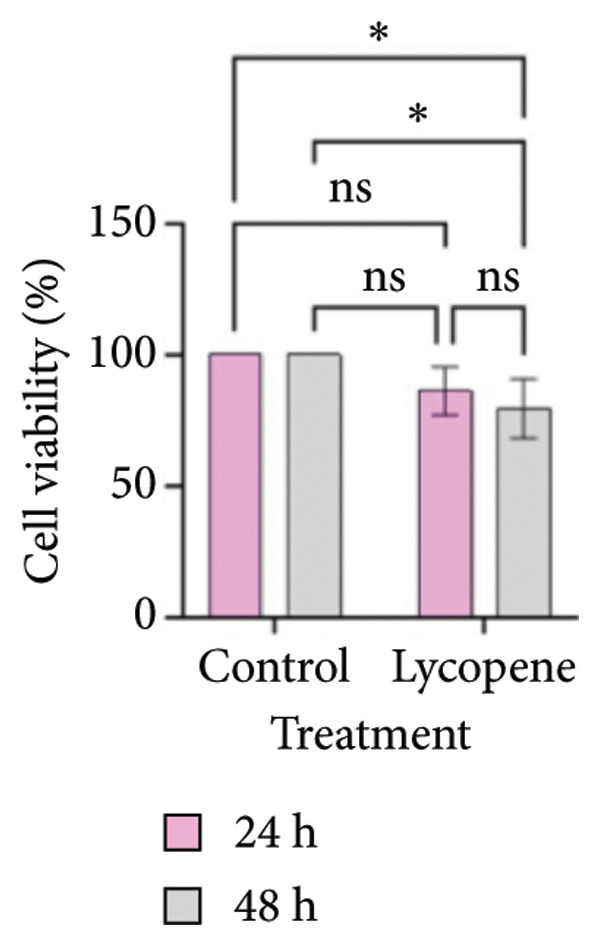 Figure 10
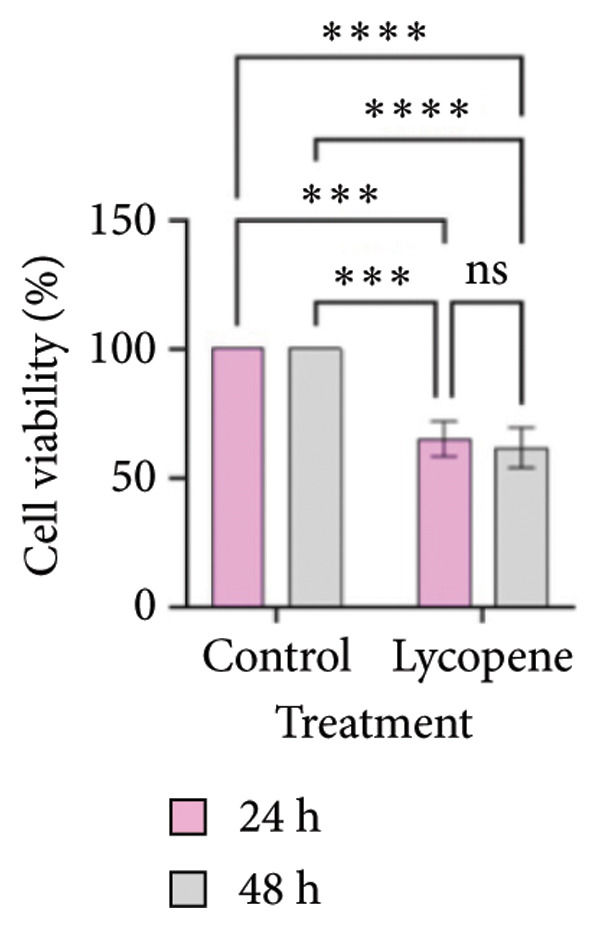 Figure 11
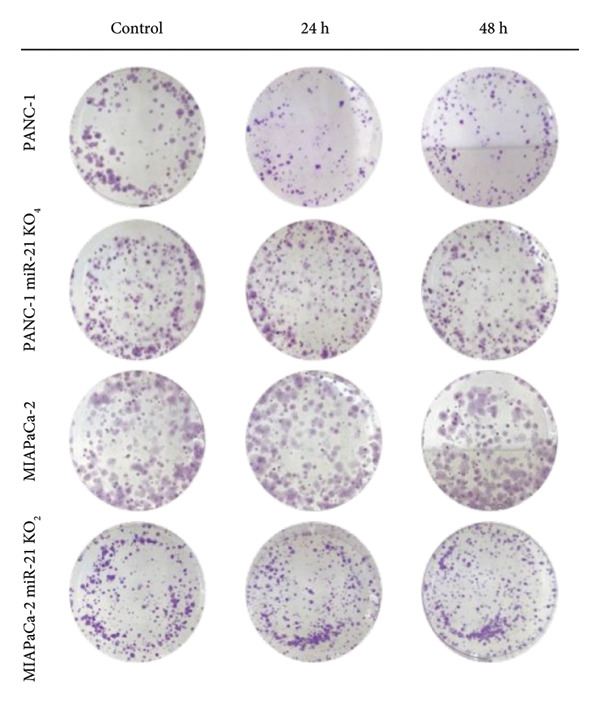 Figure 12
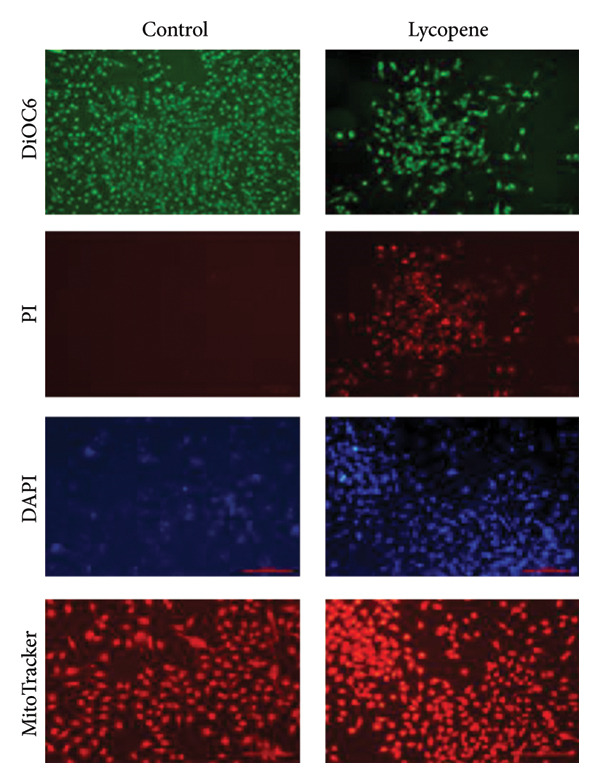 Figure 13
Peer Reviews
No public reviews on file for this paper yet. If you reviewed it on a platform where reviews are public (OpenReview, ICLR, NeurIPS, ICML), you can paste yours below so the community can read it here.
Videos
No videos yet. Explain this paper in a talk, walkthrough, or lecture? Add one.
Taxonomy
TopicsAntioxidant Activity and Oxidative Stress · Cancer, Lipids, and Metabolism · Ginger and Zingiberaceae research