Development of a Series of Tanshinone Derivatives Through Scaffold Hopping for Treating Non-Small-Cell Lung Cancer (NSCLC)
Lan-Xin Zhou, Zheng-Yu Shu, Heng Li, Hui Zhong, Dou-Nan Xu, Lei Tang, Chu-Jiao Hu, Cheng Luo, Huan Xiong

TL;DR
Researchers developed new tanshinone derivatives that show strong anti-cancer activity against non-small-cell lung cancer cells.
Contribution
A novel scaffold-hopping strategy was used to design tanshinone derivatives with enhanced anti-NSCLC activity.
Findings
Compounds S2-4 and S2-8 showed the highest potency against H838 NSCLC cells.
Molecular docking and SAR analysis identified key structural features for improved activity.
Several compounds exhibited superior or comparable cytotoxicity compared to β-lapachone.
Abstract
Non-small-cell lung cancer (NSCLC) is one of the most prevalent cancer types and accounts for the majority of cancer-related deaths worldwide. Tanshinone and its derivatives exhibit diverse biological activities, and their prominent antitumor potential has been well documented. In this study, we rationally designed a series of tanshinone derivatives with a scaffold-hopping strategy. Thirty-five tanshinone derivatives were synthesized, and their cytotoxic activities against the NSCLC cell lines A549 and H838 were investigated. Concurrently, their safety profile was assessed in BEAS-2B cells. The results showed that compounds S2-1, S2-4, and S2-8 exhibited superior inhibitory activity against A549 cells compared with the positive control, β-lapachone. Meanwhile, compounds S2-1, S2-3, S2-4, S2-8, S2-13, and S2-14 exhibited similar or increased antiproliferation activity against H838 cells.…
Genes, proteins, chemicals, diseases, species, mutations and cell lines named across the full text — each resolved to its canonical identifier and authoritative record.
Click any figure to enlarge with its caption.
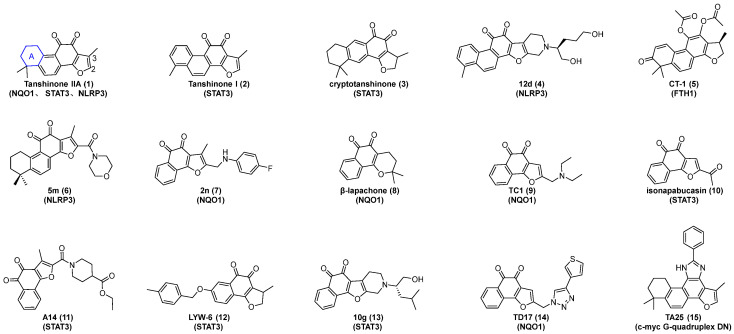 Figure 1
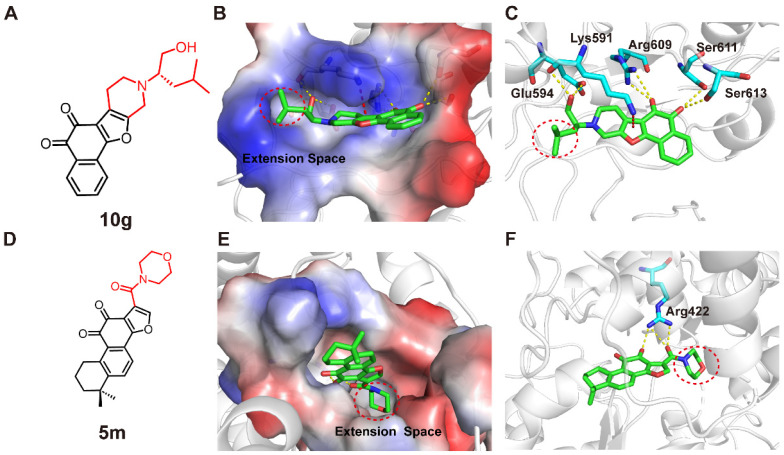 Figure 2
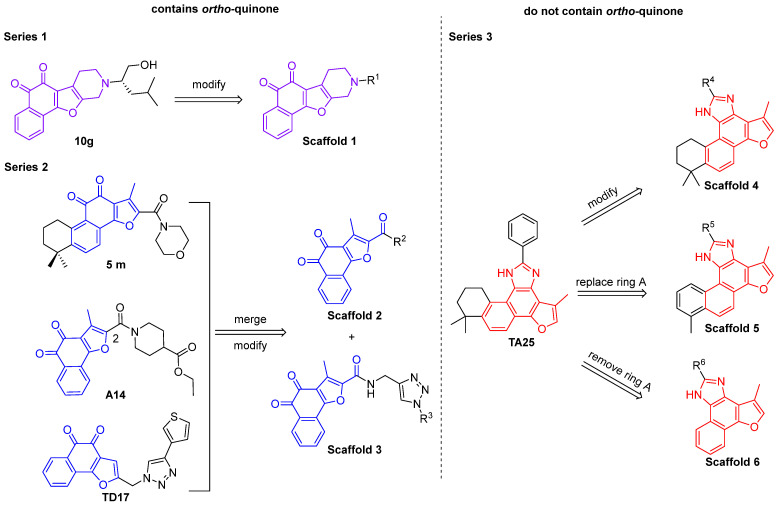 Figure 3
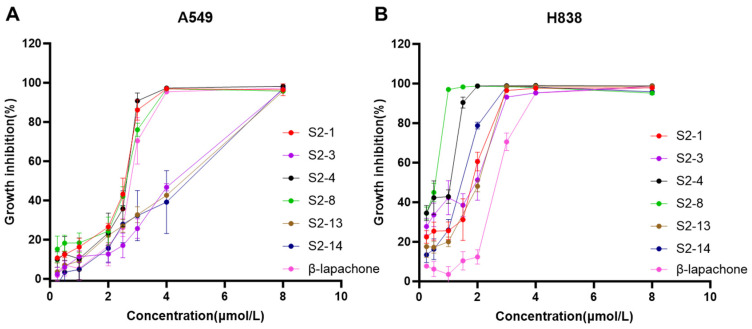 Figure 4
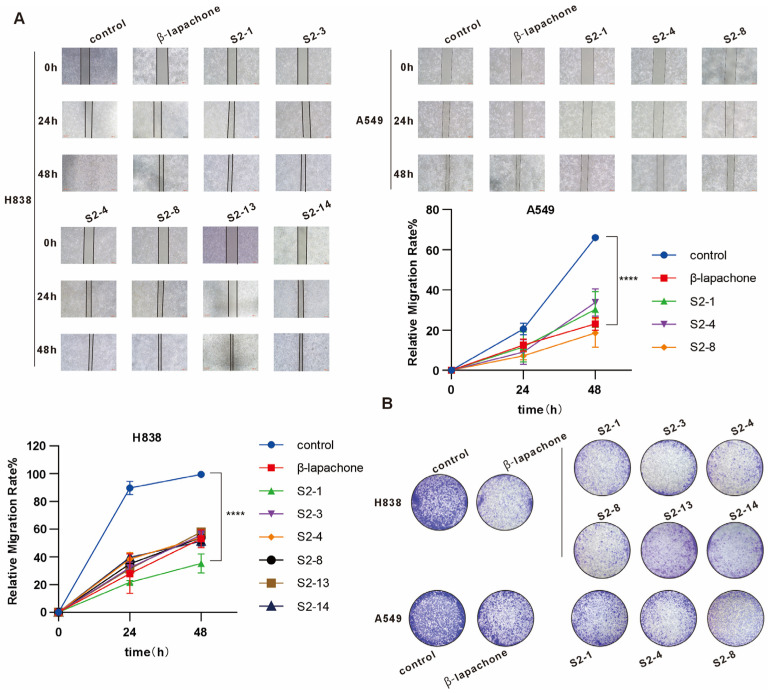 Figure 5
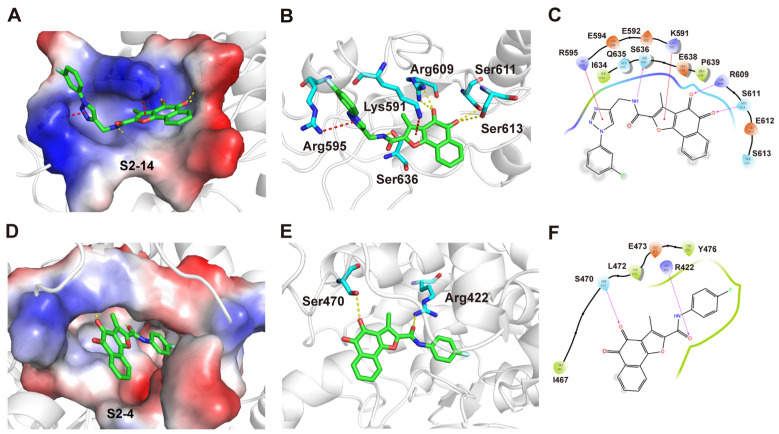 Figure 6
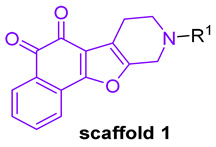 Figure 7
 Figure 8
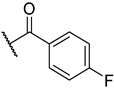 Figure 9
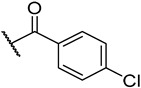 Figure 10
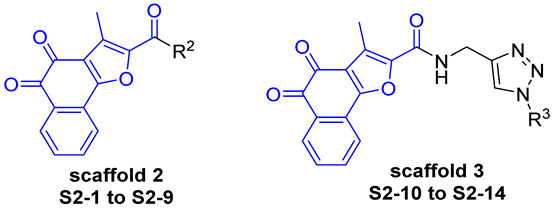 Figure 11
 Figure 12
 Figure 13
 Figure 14
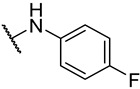 Figure 15
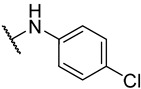 Figure 16
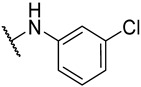 Figure 17
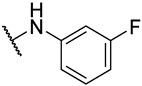 Figure 18
 Figure 19
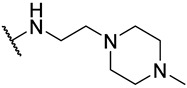 Figure 20
 Figure 21
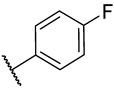 Figure 22
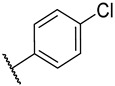 Figure 23
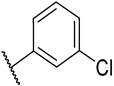 Figure 24
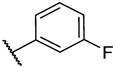 Figure 25
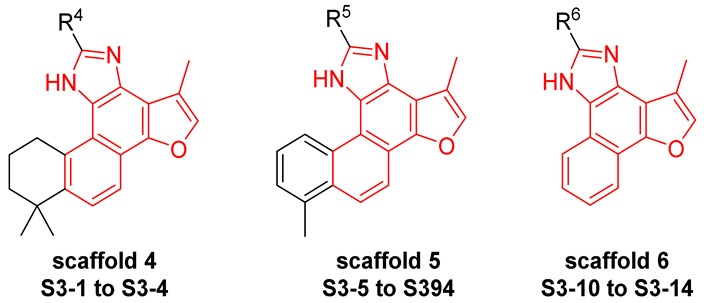 Figure 26
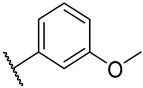 Figure 27
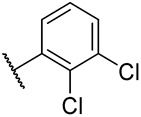 Figure 28
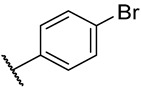 Figure 29
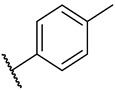 Figure 30
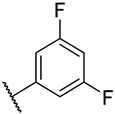 Figure 31
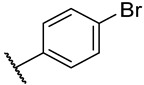 Figure 32
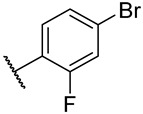 Figure 33
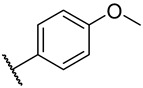 Figure 34
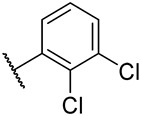 Figure 35
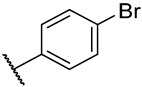 Figure 36
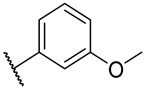 Figure 37
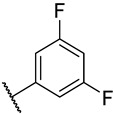 Figure 38
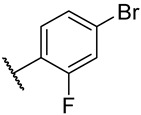 Figure 39
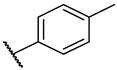 Figure 40
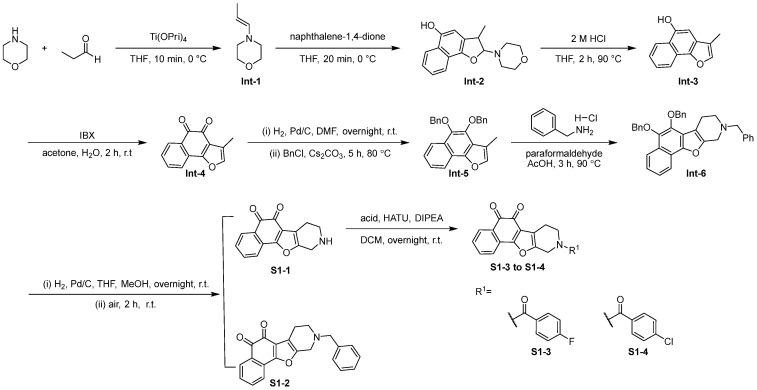 Figure 41
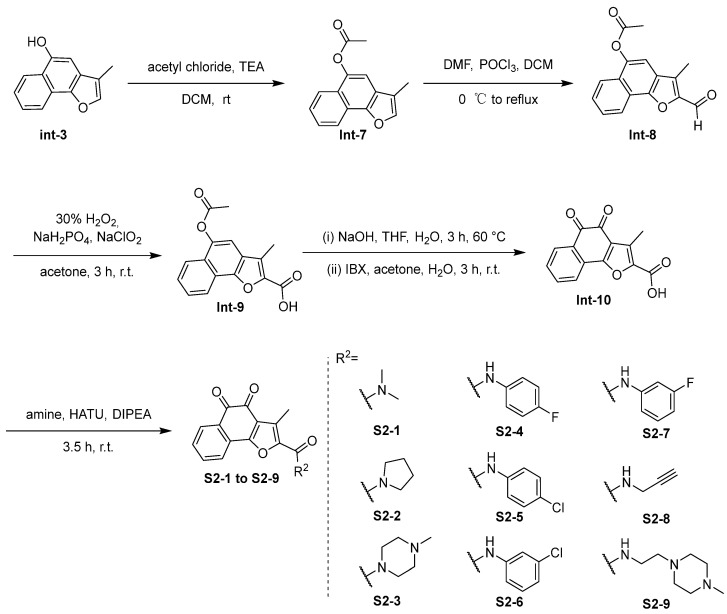 Figure 42
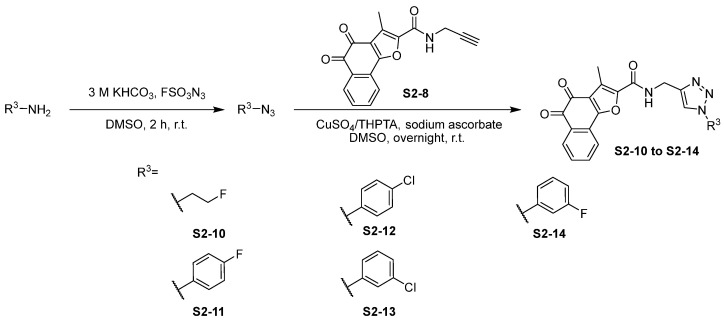 Figure 43
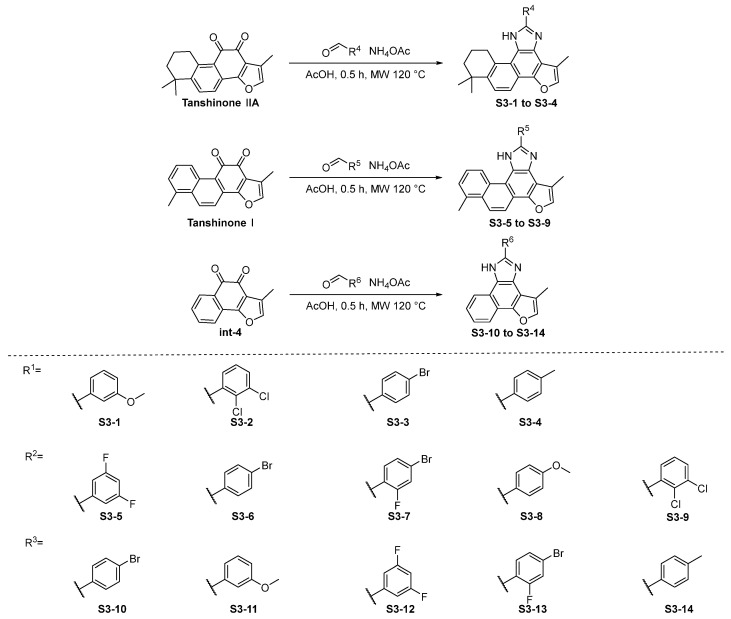 Figure 44
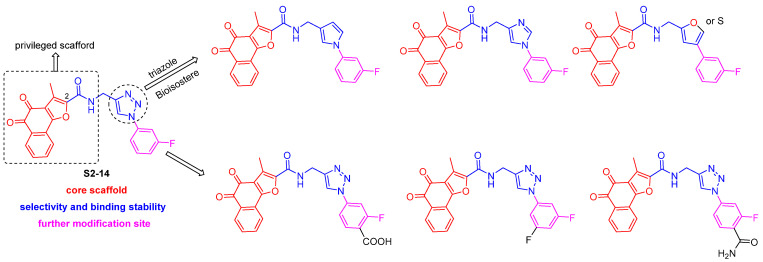 Figure 45
- —Science and Technology Department of Guizhou Province
Peer Reviews
No public reviews on file for this paper yet. If you reviewed it on a platform where reviews are public (OpenReview, ICLR, NeurIPS, ICML), you can paste yours below so the community can read it here.
Videos
No videos yet. Explain this paper in a talk, walkthrough, or lecture? Add one.
Taxonomy
TopicsBioactive Compounds and Antitumor Agents · Traditional Chinese Medicine Analysis · Phytochemistry and biological activity of medicinal plants
1. Introduction
Tanshinones, including tanshinone IIA (Figure 1, compound 1), tanshinone I (Figure 1, compound 2), and cryptotanshinone (Figure 1, compound 3), are a class of bioactive constituents extensively employed in traditional Chinese medicine (TCM) for the treatment of diverse diseases [1,2]. Structurally, this class of compounds typically contains four rings consisting of naphthalene or tetrahydronaphthalene rings, an ortho- or para-quinone or lactone ring, and a furan or dihydrofuran ring (Figure 1) [3]. At present, accumulating evidence has demonstrated that natural and synthetic derivatives bearing the tanshinone scaffold exhibit diverse biological activities, with their validated molecular targets encompassing NAD(P)H: quinone oxidoreductase 1 (NQO1) [4,5], signal transducer and activator of transcription 3 (STAT3) [6,7], NOD-like receptor family pyrin domain-containing 3 (NLRP3) [1], and ferritin heavy chain 1 (FTH1) [8], among others (Figure 1). In 2023, Li et al. synthesized a new type of NLRP3 inhibitor via hybridizing the natural product tanshinone I with a piperidine scaffold. Compared with tanshinone I, these new derivatives showed significant improvements in potency, selectivity, and drug-likeness. Notably, compound 12d (Figure 1, compound 4) exerted a potent inhibitory effect on interleukin-1β (IL-1β) secretion, with a half-maximal inhibitory concentration (IC_50_) value of 0.065 μM, and it abrogated apoptosis-associated speck-like protein containing CARD (ASC) oligomerization by blocking NLRP3 inflammasome activation [1]. In 2025, Liu et al. developed CT-1 (Figure 1, compound 5), a novel derivative of cryptotanshinone, and further identified FTH1—a key protein in cellular iron metabolism—as its direct molecular target with a Kd value of 17.15 μM [8]. In the same year, Zhu et al. discovered compound 5m (Figure 1, compound 6), a potent and selective NLRP3 inflammasome inhibitor with a Kd value of 1.34 μM [9].
Recent studies have demonstrated that certain tanshinone analogs retain or even enhance antitumor activity upon the removal of ring A while retaining the furan ring [10,11,12]. In 2014, Bian et al. designed and synthesized compound 2n (Figure 1, compound 7) based on tanshinone IIA and β-lapachone (Figure 1, compound 8). This compound exhibited a higher metabolic rate by NQO1 (1302 ± 180 µmol NADPH/min/µmol NQO1) compared to β-lapachone (1146 ± 23 µmol NADPH/min/µmol NQO1) [13]. Similarly, Li et al. synthesized twenty-seven L-shaped ortho-quinone analogs via the removal of ring A from tanshinone IIA and the C-3 position methyl group from the furan ring and the introduction of diverse side chains at the C-2 position. Approximately half of these compounds exhibited potent broad-spectrum cytotoxicity against human leukemia cells K562, prostate cancer cells PC3, and melanoma cells WM9. Especially, compound TC1 (Figure 1, compound 9, IC_50_ = 0.347 μM) exerted a high inhibitory effect on prostate cancer cells PC3 [12]. In 2018, Locken et al. synthesized isonapabucasin (Figure 1, compound 10) and identified it as a STAT3 inhibitor with antiproliferative activity against cancer. This compound exhibited potent inhibitory effects against MDA-MB-231 and K562 cells, with IC_50_ values of 0.74 ± 0.01 μM and 1.1 ± 0.16 μM, respectively [6,14]. Subsequently, Chen et al. utilized isonapabucasin as the lead compound to design and synthesize compound A14 (Figure 1, compound 11), which showed potent inhibitory activity against HepG2 and K562 cells, with IC_50_ values of 0.88 μM and 2.16 μM, respectively [15,16]. Cryptotanshinone, a bioactive component isolated from Salvia miltiorrhiza Bunge, moderately inhibits STAT3 but exhibits limited selectivity [7]. In light of this, Wang et al. modified cryptotanshinone using a structure-based drug design strategy and synthesized isonapabucasin derivatives, such as LYW-6 (Figure 1, compound 12), which exhibited a high STAT3 binding affinity with a dissociation constant (Kd) value of 6.6 μM [7]. Through the scaffold-hopping design of naphthoquinone natural products (napabucasin, isonapabucasin, and cryptotanshinone) and a multicomponent synthetic approach, Li et al. discovered a novel naphthoquinone–furan–piperidine scaffold, which is analogous to tanshinone without ring A. Derivatives of this scaffold exhibit inhibitory effects on STAT3. Among them, compound 10g (Figure 1, compound 13) can inhibit the phosphorylation of STAT3 with a Kd value of 8.30 μM [17].
Furthermore, previous studies have found that the broad-spectrum anticancer activity of L-shaped ortho-quinone analogs, namely 3-methylnaphtho[1,2-b]furan-4,5-dione (Scheme 1, Int-4), can be enhanced by removing the methyl group at the C-3 position and introducing 1,2,3-triazole at the C-2 terminal of the furan ring [18]. In 2021, Yu et al. designed, synthesized, and evaluated the proliferation inhibitory activity of a novel L-shaped ortho-quinone analog TD17 (Figure 1, compound 14). The IC_50_ values of TD17 against PC3, Hela, A549, MDA-231, and K562 cells were 1.190 ± 0.180, 0.862 ± 0.047, 2.430 ± 1.257, 0.991 ± 0.091, and 1.216 ± 0.366 μM, respectively. Moreover, it was found to specifically bind to the NQO1 protein in prostate cancer cells PC3 and leukemia cells K562 [18].
Additionally, certain studies have demonstrated that compounds formed by combining the ortho-quinone part of the tanshinone scaffold with aldehydes to construct an imidazole ring still exhibit anticancer activity [19]. In 2021, Wang et al. designed and synthesized a tanshinone IIA imidazole derivative TA25 (Figure 1, compound 15). They further verified that TA25 could act as a potential inhibitor against the proliferation, migration, and invasion of lung cancer A549 cells, with an IC_50_ value of about 17.9 μM [19].
Our analysis of the reported binding modes of tanshinone derivatives and their corresponding targeting proteins revealed that the ortho-quinone group on the tanshinone scaffold commonly participates in hydrogen bonding with residues in the protein binding pocket. Moreover, in the docking structure of compound 10g (Figure 1, compound 13) and STAT3 [17], it forms a stabilizing π–cation interaction between the furan ring of compound 10g and Lys591 of STAT3 (Figure 2C). Notably, there is accessible extension space around the alkyl group (Figure 2B). In the docking structure of compound 5m (Figure 1, compound 6) and NLRP3 [9], the carbonyl side chain of compound 5m formed a hydrogen bond with the Arg422 of NLRP3, while the morpholine ring of compound 5m was fitted into a hydrophobic pocket defined by Ile74, Ile255, Met505, and Tyr476 (Figure 2F). This pocket provides ample extension space for structural modification (Figure 2E). These interactions account for the high binding affinity of 5m toward NLRP3. Based on these observations, we retained the tanshinone scaffold and designed three series of compounds by introducing different side chains or fused rings, with the aim of obtaining compounds exhibiting enhanced biological activity (Figure 3).
2. Discussion and Results
2.1. Design of the Tanshinone Derivatives
From a structure-based design perspective, the selection of R substituents in the compound series was guided by the binding pocket characteristics of the target proteins, as suggested by molecular docking analysis. For STAT3, the binding site contains positively charged residues such as Lys and Arg, which favor ligands capable of forming hydrogen-bonding and π-related interactions. Accordingly, aromatic/heteroaromatic substituents and amide bonds were introduced to provide π systems and hydrogen-bonding moieties, thereby enhancing binding stability. In this case, we designed Series 1 (Figure 3) compounds based on the binding mode of compound 10g. While retaining the naphthoquinone–furo–piperidine scaffold of compound 10g, these compounds introduced additional modifications to the furan ring to promote more interactions with surrounding amino acid residues.
In contrast, the NLRP3 binding pocket contains a well-defined hydrophobic region formed by residues such as Ile74, Ile255, Met505, and Tyr476. Accordingly, aromatic and heteroaromatic substituents were selected as R substituents to fit this hydrophobic pocket and enhance van der Waals interactions. Moreover, pocket geometry allows for further structural extension at the modification site, supporting the introduction of substituents with suitable size and polarity. Therefore, in Series 2 of the compound design (Figure 3), we analyzed the binding mode of compound 5m with the NLRP3 protein and found that introducing an amide bond and cyclic structures on the furan ring side chain could enhance the binding stability. Combining these findings with the scaffold of compound A14, we attached an amide group to the C-2 position of the furan ring of compound A14 to obtain Scaffold 2. Furthermore, by analyzing the structure of compound TD17, we introduced a 1,2,3-triazole group based on Scaffold 2, thereby yielding Scaffold 3 (Figure 3).
As reported in the literature, tanshinone scaffolds retain anticancer activity even in the absence of the ortho-quinone group [19]. Therefore, unlike the chemical scaffolds of Series 1 and Series 2, we also attempted to synthesize a subset of compounds devoid of the ortho-quinone. In Series 3 of the compound design (Figure 3), we took the scaffold of TA25 as the lead structure and performed structural modifications following three strategies. Firstly, we structurally modified the benzene ring of TA25 to obtain Scaffold 4. Secondly, we replaced the tanshinone IIA scaffold of TA25 with tanshinone I, that is, we replaced ring A, while simultaneously modifying the benzene ring to obtain Scaffold 5. Finally, we removed ring A from the tanshinone IIA scaffold of TA25 and further modified the benzene ring to obtain Scaffold 6.
Based on these design considerations, through structural modifications of the above-mentioned six scaffolds (Figure 3), we designed and synthesized a series of tanshinone derivatives and evaluated their corresponding in vitro inhibitory activities via cellular assays, with the aim of applying these derivatives to the treatment of non-small-cell lung cancer.
2.2. Chemistry
The synthesis of three series tanshinone derivatives is outlined in Scheme 1, Scheme 2, Scheme 3 and Scheme 4. In brief, we employed four synthetic routes to synthesize 35 compounds. The synthesis of compounds in Series 1 is shown in Scheme 1. The commercially available reagents morpholine and propionaldehyde were reacted via a reductive amination reaction to produce intermediate Int-1. Int-2 was obtained by condensation reaction, the reaction mixture was filtered through Celite, and the filtrate was subjected to extraction, vacuum concentration, and other conventional workup procedures. The obtained residue was then treated with 2 M hydrochloric acid and heated to render morpholine release and afford intermediate Int-3. This process is a one-pot, three-step sequence. The yield could be improved by moderately extending the heating time. Subsequent oxidation reaction with Int-3 in the presence of 2-iodoxybenzoic acid (IBX) gave intermediate Int-4. This then underwent hydrogenation in the presence of Pd/C and a sequential benzylation to obtain intermediate Int-6. Intermediates Int-5 and Int-6 exhibited extremely low polarity, necessitating purification using pure petroleum ether as the mobile phase, which rendered the isolation process rather challenging. S1-1 and S1-2 were generated through a debenzylation reaction involving intermediate Int-6. Amide coupling of S1-1 with carboxylic acid linkers provides the desired compounds S1-3 and S1-4.
The synthesis of compounds in Series 2 is shown in Scheme 2 and Scheme 3. In Scheme 2, the intermediate Int-3 was reacted via an acylation reaction to produce intermediate Int-7. Int-8 was obtained by the Vilsmeier–Haack reaction with POCl_3_, followed by an oxidation reaction to afford intermediate Int-9. Subsequent basic ester hydrolysis reaction with NaOH and an oxidation reaction with IBX gave intermediate Int-10. Amide coupling of S1-1 with amine linkers provides the desired compounds S2-1 to S2-9. The use of highly pure intermediate Int-10 in the amide condensation step helped to improve the yields of the target compounds S2-1 to S2-9. When introducing substituents to the carboxylic acid group of Int-10, the incorporation of hydrophobic groups, especially aromatic rings, such as S2-4 to S2-7, significantly reduced the solubility of the resulting compounds, thereby increasing the difficulty of reaction and purification.
In Scheme 3, the commercially available amino reagents were reacted via an azidation reaction with FSO_3_N_3_ to produce azides, followed by click reactions to provide the desired compounds S2-10 to S2-14. In the synthesis of compounds in Scheme 3, the poor solubility of the target compound resulted in a relatively low yield and made purification more challenging, particularly for compound S2-10.
The synthesis of compounds in Series 3 is shown in Scheme 4. The ortho-quinone group of tanshinone IIA, tanshinone I, and int-4, with different commercially available aldehydes, provide the desired compounds S3-1 to S3-14.
2.3. In Vitro Cytotoxicity Results and Structure–Activity Trends Analysis
The cytotoxic activities of the synthesized tanshinone derivatives at concentrations of 5 μmol/L and 1 μmol/L were evaluated against two cancer cell lines, namely, A549 and H838. Concurrently, their safety profile was assessed in human bronchial epithelial (BEAS-2B) cells, which are commonly used in studies related to NSCLC (Table 1, Table 2 and Table 3).
The results of the compounds in Series 1 are summarized in Table 1. The data demonstrated that the compounds in Series 1 and their intermediates generally displayed higher inhibitory activity against H838 cells than against A549 cells. Meanwhile, these compounds exhibited markedly attenuated inhibitory activities against the two aforementioned cell lines, and their safety profiles were comparable to those of the positive control drug β-lapachone. Analysis of the SAR of the compounds in Series 1 revealed that the inhibitory rates of both classes of compounds against A549 cell lines at 5 μmol/L were lower than those at 1 μmol/L. In addition, compared with the ortho-quinone-containing compounds (Int-4, S1-1, S1-2, S1-3, and S1-4), the ortho-quinone-free compounds (Int-3 and Int-5) exhibited superior inhibitory rates against H838 cell lines at 1 μmol/L. In contrast, a converse tendency was manifested at 5 μmol/L. Additionally, experimental data from BEAS-2B cell lines indicated that the ortho-quinone-free compounds (Int-3 and Int-5) showed significantly better safety profiles than the ortho-quinone-containing compounds (Int-4, S1-1, S1-2, S1-3, S1-4, and β-lapachone) at 5 μmol/L.
The results of compounds in Series 2 are summarized in Table 2. The data demonstrated that compounds of Series 2 exerted an overall substantially superior inhibitory activity relative to those of Series 1 against the two NSCLC cell lines, with distinct structure-dependent differences observed. At a concentration of 5 μM, most compounds exhibited an extremely potent inhibitory efficacy against H838 cells; specifically, S2-1, S2-3, S2-4, S2-8, S2-13, and S2-14 all achieved inhibition rates approaching or exceeding 95%, which were comparable to or even superior to that of the positive control β-lapachone.
Notably, several of these compounds also displayed strong activity against A549 cells. In particular, S2-1, S2-3, S2-4, and S2-8 showed inhibition rates greater than 80% against A549 cells at 5 μM, indicative of broad-spectrum antitumor activity. However, at a lower concentration of 1 μM, the inhibitory effects of most compounds diminished markedly in A549 cells, whereas moderate to strong inhibitory activity was still retained in H838 cells. This observation suggests that H838 cells possess a higher sensitivity to Series 2 compounds.
In the normal lung epithelial cell line BEAS-2B, most Series 2 compounds still maintained high inhibition rates at 5 μM. These results imply that the Series 2 compounds, as a whole, exhibit considerable cytotoxicity, highlighting the necessity for further optimization to enhance their tumor/normal cell selectivity. Analysis of the data in Table 2 revealed that rational modification of the furan ring side chain of the benzofuran-structured compound (Int-4) significantly enhanced the inhibitory efficacy of the resulting derivatives (S2-1, S2-3, S2-4, and S2-8) against the two cell lines. For Scaffold 3, the side chain introduction of meta-halogen substituents yielded compounds (S2-13, S2-14) with superior inhibitory activity against the two aforementioned cell lines compared to their para-substituted (S2-11, S2-12) and the alkane-substituted compound (S2-10).
The results of the compounds in Series 3 are summarized in Table 3. The data demonstrated that comparative analysis of tanshinone II A versus S3-1 to S3-4, tanshinone I versus S3-5 to S3-9, and Int-4 versus S3-10 to S3-14 against A549 and H838 cell lines, respectively, revealed that the tanshinone scaffold still exerted a certain degree of inhibitory effect on both cell lines even in the absence of ortho-quinone groups, and the inhibitory effect was maintained to a certain extent or slightly enhanced. Although the compounds in Series 3 showed relatively weak inhibitory activity against the tested A549 and H838 cell lines compared to the positive compound β-lapachone, their cytotoxicity towards the normal cell line BEAS-2B was significantly reduced.
By performing structural modifications on six chemical scaffolds, we successfully established a highly efficient synthetic strategy and prepared three series of tanshinone derivatives. Based on the results of cytotoxicity assays (Table 1, Table 2 and Table 3), a preliminary SAR of these compounds was constructed. Among the six scaffolds, those bearing the benzofuran moiety, namely, Scaffold 2 and Scaffold 3, exhibited superior inhibitory activity against both A549 and H838 cell lines. The ortho-quinone-containing compounds in Series 2 (e.g., S1-1, S2-3, S2-4, S2-8, S2-13, and S2-14) exhibited superior inhibitory effects on the two cell lines than these ortho-quinone-free compounds in Series 3. Furthermore, the introduction of the amido bond and 1,2,3-triazole at the C-2 position of the furan ring in Series 2 compounds, as exemplified by S2-13 and S2-14 of Scaffold 5, was found to enhance the cell line selectivity to a certain extent.
To ensure the efficient use of resources and focus on the most promising candidates, IC_50_ values were determined only for relatively strong active compounds identified in the initial screening. The concentration inhibition curves (Figure 4) were analyzed to calculate the IC_50_ values of the selected active compounds. The results indicated that there was a dose-dependent trend of the inhibitory response of all active compounds on two cancer cells after 8 h of treatment. The IC_50_ values were summarized in Table 4, which shows that these Series 2 compounds exhibit μM-level inhibitory activity against both NSCLC cell lines and show an overall higher sensitivity toward H838 cells. In particular, the IC_50_ values of S2-4 and S2-8 against H838 cells were 0.58 ± 0.07 μM and 0.42 ± 0.04 μM, respectively, which were significantly superior to that of the positive control β-lapachone, demonstrating potent cytotoxic inhibition potential. In contrast, the activity differences among the tested compounds were relatively small in the A549 cell line. Nevertheless, S2-1, S2-4, and S2-8 still maintained relatively low IC_50_ values (approximately 2.4–2.5 μM), suggesting that these compounds may possess specific cell line selectivity, with a particular preference for exhibiting H838 cells. This result provided a preliminary biological activity basis for investigating anticancer candidate agents for NSCLC.
2.4. Effects of Bioactive Compounds on Cell Proliferation and Migration
Based on the half-maximal inhibitory concentration (IC_50_) values of all the aforementioned bioactive compounds, six compounds (S2-1, S2-3, S2-4, S2-8, S2-13, and S2-14) were selected for H838 cells, whereas three compounds (S2-1, S2-4, and S2-8) were chosen for A549 cells. All these compounds exhibited higher bioactivity than the positive control group. To further investigate the impacts of these bioactive compounds on cell proliferation and migration, a wound healing assay (Figure 5A) and colony formation assay (Figure 5B) were performed in this study. Results of the colony formation assay (Figure 5B) demonstrated that treatment with the aforementioned compounds at their respective IC_50_ concentrations significantly suppressed the colony-forming capacity of the cells. Compared with the control group, the number of cell colonies in each compound treatment group decreased markedly, with statistically significant differences (p < 0.05). These findings suggested that these bioactive compounds could effectively inhibit cell proliferative capacity and reduce colony formation. Results of the wound healing assay indicated that the migratory capacity of both H838 and A549 cells was significantly inhibited after treatment with the aforementioned bioactive compounds. During the wound healing process, compared with the control group, the cell migration rate in each compound treatment group slowed down distinctly, and the closure degree of the scratched area was significantly reduced at the same time point. Specifically, for H838 cells, the relative area of the scratched region in the S2-1, S2-3, S2-4, S2-8, S2-13, and S2-14 treatment groups was significantly larger than that in the control group at 24 h and 48 h post-scratching. Moreover, this difference gradually increased over time, suggesting that these compounds could exert a sustained inhibitory effect on cell migration. Similarly, for A549 cells, the S2-1, S2-4, and S2-8 treatment groups also showed analogous migration inhibition at different time points after the wound healing assay, with the relative area of the scratched region significantly larger than that in the control group. Additionally, certain differences were observed among the treatment groups of different compounds, which might be associated with their chemical structures and mechanisms of action. Furthermore, the extent of the inhibitory effect of each compound on cell migration was further quantified by calculating the cell migration rate. The results indicated that the inhibitory effects of these bioactive compounds on the migration of H838 and A549 cells were dose-dependent and time-dependent, and the inhibitory efficacy was negatively correlated with their IC_50_ values. In other words, compounds with lower IC_50_ values exerted stronger inhibitory effects on cell migration.
2.5. Molecular Docking Analysis of the Designed Compounds with Corresponding Target Proteins
Bioactivity assays showed that S2-4 and S2-14 exhibited stronger inhibitory effects (Table 4). To further investigate the binding modes of the designed compounds, molecular docking was performed with STAT3 (PDB ID: 1BG1) and NLRP3 (PDB ID: 7ALV). The docking results indicated that both compounds adopted reasonable binding orientations within the corresponding protein targets. In the designed compounds, the ortho-quinone moiety of the tanshinone scaffold was retained, allowing for stable hydrogen bonding with nearby amino acid residues. In the docking structure of compound S2-14 and STAT3, the amide bond introduced in S2-14 enabled the formation of an additional hydrogen bond with the Ser636 of STAT3. The furan ring on the compound scaffold forms a π–cation interaction with the Lys591 of STAT3. Meanwhile, the triazole group of S2-14 established a π–cation interaction with Arg595 of STAT3, thereby enhancing the stability of the docking mode (Figure 6A–C). These cooperative interactions helped anchor compound S2-14 within the STAT3 binding pocket and contributed to its favorable binding orientation observed in the docking results. In the docking structure of compound S2-4 and NLRP3, the amide bond of S2-4 formed a hydrogen bond with the Arg422 of NLRP3. Meanwhile, its left-hand phenyl ring fitted into a hydrophobic pocket constituted by Ile74, Ile255, Met505, and Tyr476, which contributed to the stabilization of the binding mode and the high binding affinity of S2-4 toward NLRP3 (Figure 6D–F). Therefore, the amide bond and the triazole group were essential for the designed small molecules to bind to STAT3 and NLRP3, indicating the success of this structural optimization strategy.
Based on the above research findings, we make the following further recommendations regarding compound modification (take compound S2-14 as an example). The benzofuran core scaffold bearing an ortho-quinone group should be retained as the core scaffold. Moving forward, an amide bond or 1,2,3-triazole groups should be introduced at the 2-position of the furan ring. Appropriate hydrophobic groups, such as alkyl or aryl rings, should then be introduced onto the triazole moiety to enhance the ligand’s binding affinity to the hydrophobic pocket of the protein through the hydrophobic effect. Alternatively, the 1,2,3-triazole group could be replaced with its bioisosteres, such as pyrrole, imidazole, and furan. On the other hand, to preserve the core structure of S2-14, new ways in which it interacts with proteins can be investigated, and negatively charged functional groups, such as carboxyl or amide groups, can be introduced at the ortho position of the fluorinated benzene ring (Scheme 5).
3. Materials and Methods
3.1. Instruments and Materials
High-resolution mass spectra (HRMS) were obtained on an electrospray ionization (ESI) mode on a Thermo Scientific ESI-QTOF mass spectrometer(Waltham, MA, USA). Nuclear magnetic resonance (NMR) spectra were recorded on a Bruker Avance NEO (^1^H NMR, 500 MHz, and 600 MHz; ^13^C NMR, 126 MHz, 151 MHz, and 201 MHz; and ^19^F 471 MHz, Bruker, Switzerland) with TMS as an internal standard. The purity of all tested compounds was confirmed by HPLC with an Agilent 1260 spectrometer (Waldbronn, Germany). HPLC analysis conditions: EC-C18, 2.7 μm, and 4.6 mm × 100 mm. Method: flow rate, 0.5 or 0.2 mL/min; eluent C, 0.1% formic acid in water; eluent D, acetonitrile; and gradient conditions were initially 5% B, 10% B, 20% B, 30% B, 50% B, 80% B, or 95% B, increasing linearly to 95% B over 10 min, decreasing linearly to initial eluent ratio over 1 min, and remaining at initial eluent ratio for 4 min. All compounds are >95% pure by HPLC analysis. The column chromatography was performed on silica gel (Shanghai, China, 300–400 mesh), and the thin-layer (0.25 mm) chromatography (TLC) analysis was carried out on silica gel plates (Huanghai, Yantai, China). The volumes of liquid reagents were measured using micropipettes (DLAB Scientific, Beijing, China). Other reagents were analytical grade or guaranteed reagent commercial products and used without further purification, unless otherwise noted.
3.2. Methods of Synthesis
3.2.1. Synthesis of S1-1 to S1-4 [1,17,20,21,22]
Synthesis of 3-Methylnaphtho[1,2-b]furan-5-ol (Int-3)
A solution of propionaldehyde (7.205 mL, 100 mmol, 1.0 eq) and Ti(OPr^i^)4 (29.606 mL, 100 mmol, 1.0 eq) in THF (50 mL) was added dropwise to the solution of morpholine (8.757 mL, 100 mmol, 1.0 eq) in THF (50 mL) at 0 °C and stirred for 0.5 h. A solution of naphthalene-1,4-dione (15.815 g, 100 mmol, 1.0 eq) in THF (130 mL) was dropped into the reaction mixture with stirring for 1 h at 0 °C. Then, 2 M HCl aqueous (100 mL) was added to the reaction mixture, and the reaction mixture was heated to 90 °C and stirred for 6 h. After the reaction was complete, the resulting reaction mixture was filtered through Celite, and the filtrate was concentrated under reduced pressure to remove THF, extracted with water and EtOAc (×3), and the combined organic layers were dried over anhydrous Na_2_SO_4_, filtered, and removed in vacuo to afford the residue, which was pre-purified by flash column chromatography followed by prep and recrystallization from dichloromethane to afford Int-3 (5.846 g, yield 29.5%) as a brown solid. ^1^H NMR (500 MHz, DMSO-d6) δ 9.96 (s, 1 H), 8.21 (d, J = 8.4 Hz, 1 H), 8.11 (d, J = 8.2 Hz, 1 H), 7.79 (s, 1 H), 7.60 (t, J = 7.5 Hz, 1 H), 7.47 (t, J = 7.6 Hz, 1 H), 6.95 (s, 1 H), and 2.22 (s, 3 H). ^13^C NMR (126 MHz, DMSO-d6) δ 149.2, 143.9, 141.4, 126.8, 124.0, 124.0, 123.3, 123.0, 121.2, 119.2, 116.1, 98.6, and 7.8. Purity: 98.9%. HRMS (ESI): calcd for C_13_H_10_O_2_ [M + H]^+^: 199.0754, found: 199.0757.
Synthesis of 3-Methylnaphtho[1,2-b]furan-4,5-dione (Int-4)
To a solution of Int-3 (5.846 g, 29.49 mmol, 1.0 eq) in acetone (30 mL) and H_2_O (30 mL) was added slowly IBX (12.388 g, 44.24 mmol, 1.5 eq). The mixture was stirred at room temperature for 2 h. Then the resulting reaction mixture was concentrated under reduced pressure to remove THF, extracted with water and EtOAc (×3), and the combined organic layers were dried over anhydrous Na_2_SO_4_, filtered, and removed in vacuo to afford the residue. The residue was dissolved in dichloromethane, filtered, and the filtrate was collected to afford the relatively pure titled compounds, which was purified by flash column chromatography using a mixture of petroleum ether and ethyl acetate to afford Int-4 (3.607 g, yield 57.6%) as a red solid. ^1^H NMR (500 MHz, DMSO-d6) δ 7.91 (d, J = 7.7 Hz, 1 H), 7.76–7.68 (m, 3 H), 7.55–7.50 (m, 1 H), and 2.18 (s, 3 H). ^13^C NMR (126 MHz, DMSO-d6) δ 179.7, 175.2, 159.3, 142.4, 135.1, 129.9, 129.3, 129.1, 127.9, 121.7, 120.8, 120.5, and 8.6. Purity: 95.8%. HRMS (ESI): calcd for C_13_H_8_O_3_ [M + H]^+^: 213.0546, found: 213.0549.
Synthesis of 4,5-Bis(benzyloxy)-3-methylnaphtho[1,2-b]furan (Int-5)
To a solution of Int-4 (300 mg, 1.41 mmol, 1.0 eq) in DMF (5 mL), 10% Pd/C (38 mg) was added. The mixture was purged with hydrogen three times and stirred at room temperature for 9 h. Afterward, the reaction solution was transferred with a syringe to another two-neck flask, which had been previously charged with Cs_2_CO_3_ (31.382 g, 4.24 mmol, 3.0 eq) under an argon atmosphere. Benzyl chloride (488 μL, 4.24 mmol, 3.0 eq) was then added, and the mixture was stirred at 75 °C for 5 h. Upon reaction completion, the reaction solution was filtered through Celite, the filtrate was extracted with water and EtOAc (×3), and the combined organic layers were washed with water and saturated brine, dried over anhydrous Na_2_SO_4_, filtered, and removed in vacuo to afford the residue, which was purified by flash column chromatography using petroleum ether to afford Int-5 (54 mg, yield 9.7%) as a colorless oil. ^1^H NMR (500 MHz, Chloroform-d) δ 8.27–8.20 (m, 2 H), 7.59–7.46 (m, 7 H), 7.46–7.34 (m, 6 H), 5.34 (s, 2 H), 5.20 (s, 2 H), and 2.36 (s, 3 H). Purity: 97.0%. HRMS (ESI): calcd for C_27_H_22_O_3_ [M + H]^+^: 395.1642, found: 395.1650. Other data were found in reference [21].
Synthesis of 9-Benzyl-5,6-bis(benzyloxy)-7,8,9,10-tetrahydronaptho[2′,1′:4,5]fur-o[2,3-c]pyridine (Int-6)
To a solution of Int-5 (100 mg, 0.25 mmol, 1.0 eq) in AcOH (3 mL), phenylmethanamine hydrochloride (73 mg, 0.51 mmol, 2.0 eq) and paraformaldehyde (76 mg, 2.54 mmol, 10.0 eq) were added. The mixture was stirred at 90 °C for 3 h. Then, the resulting reaction mixture was extracted with water and EtOAc (×3), and the combined organic layers were washed with saturated NaHCO_3_ aqueous solution, dried over anhydrous Na_2_SO_4_, filtered, and removed in vacuo to afford the residue, which was purified by flash column chromatography using a mixture of petroleum ether and ethyl acetate to afford Int-6 (38 mg, yield 59.3%) as a light yellowish brown solid. ^1^H NMR (500 MHz, Chloroform-d) δ 8.19 (d, J = 8.2 Hz, 1 H), 8.15 (d, J = 8.1 Hz, 1 H), 7.56–7.51 (m, 2 H), 7.51–7.40 (m, 7 H), 7.40–7.28 (m, 8 H), 5.28 (s, 2 H), 5.17 (s, 2 H), 3.85–3.73 (m, 4 H), and 2.93–2.82 (m, 4 H). LC-MS (ESI): m/z 526.22 [M + H]^+^.
Synthesis of 7,8,9,10-Tetrahydronaphtho[2′,1′:4,5]furo[2,3-c]pyridine-5,6-dione (S1-1)
To a solution of Int-6 (320 mg) in THF (10 mL) and MeOH (10 mL), 10% Pd/C (160 mg) was added. The mixture was purged with hydrogen three times and stirred at room temperature overnight. LC-MS showed that most of the starting material was consumed completely. Then, the resulting reaction mixture was exposed to air for 2 h, filtered through Celite, and the filtrate was removed in vacuo to afford the residue, which was purified by flash column chromatography using a mixture of dichloromethane and methanol to afford S1-1 (35 mg, yield 22.7%) as a crimson solid. ^1^H NMR (500 MHz, DMSO-d6) δ 7.90 (dd, J = 7.7, 1.3 Hz, 1 H), 7.73–7.68 (m, 1 H), 7.65 (dd, J = 7.7, 1.3 Hz, 1 H), 7.52–7.47 (m, 1 H), 3.85–3.77 (m, 2 H), 2.89 (t, J = 5.5 Hz, 2 H), 2.62–2.57 (m, 2 H), and 2.02–1.94 (m, 1 H). Purity: 96.1%. HRMS (ESI): calcd for C_15_H_11_NO_3_ [M + H]^+^: 254.0812, found: 254.0816. Other data were found in reference [17].
Synthesis of 9-Benzyl-7,8,9,10-tetrahydronaphtho[2′,1′:4,5]furo[2,3-c]pyridine-5,6-dione (S1-2)
To a solution of Int-6 (320 mg) in THF (10 mL) and MeOH (10 mL), 10% Pd/C (160 mg) was added. The mixture was purged with hydrogen three times and stirred at room temperature overnight. LC-MS showed that most of the starting material was consumed completely. Then, the resulting reaction mixture was exposed to air for 2 h, filtered through Celite, and the filtrate was removed in vacuo to afford the residue, which was purified by flash column chromatography using a mixture of dichloromethane and methanol to afford S1-2 (67 mg, yield 32.1%) as a crimson solid. ^1^H NMR (500 MHz, Chloroform-d) δ 8.00 (d, J = 7.7 Hz, 1 H), 7.60–7.53 (m, 2 H), 7.42–7.29 (m, 6 H), 3.85 (s, 2 H), 3.66 (s, 2 H), 2.93–2.88 (m, 2 H), and 2.87–2.83 (m, 2 H). ^13^C NMR (126 MHz, Chloroform-d) δ 180.7, 175.1, 159.7, 151.1, 136.4, 135.5, 130.6, 129.9, 129.5, 128.8, 128.7, 128.6, 128.0, 122.0, 120.8, 116.3, 61.3, 49.5, 49.0, and 21.1. Purity: 97.0%. HRMS (ESI): calcd for C_22_H_17_NO_3_ [M + H]^+^: 344.1281, found: 344.1288.
Synthesis of S1-3 and S1-4
Under the protection of Ar atmosphere, to a solution of S1-1 (0.09 mmol, 1.0 eq), acid (0.13 mmol, 1.5 eq), and HATU (0.17 mmol, 2.0 eq) in anhydrous DCM (3 mL), DIPEA (0.17 mmol, 2.0 eq) was added. The mixture was stirred at room temperature overnight. Then the resulting reaction mixture was concentrated under reduced pressure to remove DCM to afford the residue, which was purified by flash column chromatography using a mixture of dichloromethane and methanol to afford the desired products.
S1-3: 9-(4-Fluorobenzoyl)-7,8,9,10-tetrahydronaphtho[2′,1′:4,5]furo[2,3-c]pyridine-5,6-dione. Red solid, yield: 73.6%. ^1^H NMR (500 MHz, Chloroform-d) δ 8.04 (d, J = 7.7 Hz, 1 H), 7.70–7.55 (m, 2 H), 7.53–7.47 (m, 2 H), 7.47–7.42 (m, 1 H), 7.14 (t, J = 8.4 Hz, 2 H), 4.97–4.64 (m, 2 H), 3.92–3.45 (m, 2 H), and 2.93–2.82 (m, 2 H). Purity: 95.3%. HRMS (ESI): calcd for C_22_H_14_FNO_4_ [M + H]^+^: 376.0980, found: 376.0983. Other data were found in reference [17].
S1-4: 9-(4-Chlorobenzoyl)-7,8,9,10-tetrahydronaphtho[2′,1′:4,5]furo[2,3-c]pyridine-5,6-dione. Crimson solid, yield: 58.8%. ^1^H NMR (500 MHz, Chloroform-d) δ 8.02 (d, J = 7.7 Hz, 1 H), 7.67–7.55 (m, 2 H), 7.46–7.39 (m, 5 H), 4.91–4.64 (m, 2 H), 3.82–3.47 (m, 2 H), and 2.92–2.81 (m, 2 H). Purity: 96.0%. HRMS (ESI): calcd for C_22_H_14_ClNO_4_ [M + H]^+^: 392.0684, found: 392.0690. Other data was found in reference [17]
3.2.2. Synthesis of S2-1 to S2-9 [15]
Synthesis of 3-Methylnaphtho[1,2-b]furan-5-yl acetate (Int-7)
To a 250 mL flask, Int-3 (4.20 g, 21.21 mmol, 1.0 eq), dry DCM (50 mL), triethylamine (8.80 mL, 63.64 mmol, 3.0 eq), and 10 mL of DCM solution of acetyl chloride (2.25 mL, 31.82 mmol, 1.5 eq) were added slowly dropwise at room temperature for 10 min. After completion, the solution was concentrated under vacuum, washed with water, and then extracted with EtOAc. The combined organic layers were dried and concentrated. Purification of the residue was accomplished by column chromatography to afford Int-7 (4.7 g, yield 92.3%) as a yellow solid. ^1^H NMR (500 MHz, Chloroform-d) δ 8.30 (d, J = 8.2 Hz, 1 H), 7.90 (d, J = 8.2 Hz, 1 H), 7.63–7.59 (m, 1 H), 7.57 (s, 1 H), 7.54–7.50 (m, 1 H), 7.40 (s, 1 H), 2.49 (s, 3 H), and 2.30 (s, 3 H). LC-MS (ESI): m/z 241.1 [M + H]^+^.
Synthesis of 2-Formyl-3-methylnaphtho[1,2-b]furan-5-yl Acetate (Int-8)
DMF (20 mL) and dry DCM (20 mL) were added to a 250 mL flask. Then, POCl_3_ (3.6 mL, 39.17 mmol, 2.0 eq) in 20 mL DCM solution was slowly dropped at 0 °C for 20 min under argon protection. The reaction was carried out at room temperature for 30 min. Int-7 (4.7 g, 19.58 mmol, 1.0 eq) was added slowly dropwise at room temperature, and the temperature was raised to 70 °C for 12 h. The reaction solution was poured into 200 mL of ice water, filtered, and dried to obtain Int-8 (4.943 g, yield 93.8%) as a yellow solid. ^1^H NMR (500 MHz, Chloroform-d) δ 10.06 (s, 1 H), 8.45 (d, J = 8.1 Hz, 1 H), 7.94 (d, J = 8.1 Hz, 1 H), 7.71–7.67 (m, 1 H), 7.67–7.63 (m, 1 H), 7.44 (s, 1 H), 2.66 (s, 3 H), and 2.50 (s, 3 H). LC-MS (ESI): m/z 269.1 [M + H]^+^.
Synthesis of 5-Acetoxy-3-methylnaphtho[1,2-b]furan-2-carboxylic Acid (Int-9)
To a solution of Int-8 (2.016 g, 7.51 mmol, 1.0 eq) in acetone (60 mL), NaH_2_PO_4_ (2.705 g, 22.54 mmol, 3.0 eq) in H_2_O (20 mL) and 30% H_2_O_2_ (2.303 mL, 22.54 mmol, 3.0 eq) were added. Then, NaClO_2_ (2.549 g, 22.54 mmol, 3.0 eq) in H_2_O (40 mL) was added dropwise to the mixture. The mixture was stirred at room temperature for 2 h. Then, the mixture was concentrated under reduced pressure to remove acetone, followed by addition of ice water (30 mL), and the mixture was allowed to be stirred at room temperature for 1 h. The resulting reaction mixture was filtered and filter cake was collected to afford Int-9 (1.777 g, yield 83.2%) as a pale yellow solid. LC-MS (ESI): m/z 283.1 [M − H]^−^.
Synthesis of 3-Methyl-4,5-dioxo-4,5-dihydronaphtho[1,2-b]furan-2-carboxylic Acid (Int-10)
To a solution of Int-9 (2.860 g, 10.06 mmol, 1.0 eq) in THF (30 mL), NaOH (1.207 g, 30.18 mmol, 3.0 eq) in H_2_O (10 mL) was added dropwise. The mixture was stirred at 60 °C for 3 h. Then, the mixture was concentrated under reduced pressure to remove THF, followed by addition of acetone (20 mL), H_2_O (5 mL), and IBX (2.986 g, 10.66 mmol, 1.06 eq), and the mixture was allowed to be stirred at room temperature for 3 h. The resulting reaction mixture was extracted with water and EtOAc (×3), and the aqueous phase adjusted the pH to 1–2 with 3 M HCl, was extracted with water and EtOAc (×3), and the combined organic layers were dried over anhydrous Na_2_SO_4_, filtered, and removed in vacuo to afford the residue. To the residue, MeOH (20 mL) was added, filtered, and the filter cake was collected to afford Int-10 (593 mg, yield 23.0%) as a deep orange solid. LC-MS (ESI): m/z 255.02 [M − H]^−^.
Synthesis of S2-1 to S2-9
To a solution of Int-10 (1.0 eq) in anhydrous DMF, HATU (1.2 eq) and DIPEA (3.0 eq) were added. After stirring at room temperature for 1 h, amine (1.2 eq) in anhydrous DMF was added dropwise to the mixture. The mixture was stirred at room temperature for 2.5 h. Then, the resulting reaction mixture was extracted with water and EtOAc (×3), and the combined organic layers were dried over anhydrous Na_2_SO_4_, filtered, and removed in vacuo to afford the residue, which was purified by flash column chromatography to afford the desired products.
S2-1: N,N,3-trimethyl-4,5-dioxo-4,5-dihydronaphtho[1,2-b]furan-2-carboxamide. Deep orange solid, yield: 66.3%. ^1^H NMR (500 MHz, DMSO-d6) δ 7.97 (d, J = 7.7 Hz, 1 H), 7.82–7.74 (m, 2 H), 7.62–7.56 (m, 1 H), 3.18 (s, 3 H), 3.01 (s, 3 H), 2.35 (s, 3 H). ^13^C NMR (126 MHz, DMSO-d6) δ 179.1, 175.1, 159.5, 158.1, 144.3, 135.0, 130.6, 129.8, 129.3, 127.2, 124.7, 122.2, 121.1, and 9.7 (The peak of methyl carbon in the ^13^C NMR spectrum could not be clearly observed due to overlap with the solvent signal of DMSO-d6). Purity: 99.4%. HRMS (ESI): calcd for C_16_H_13_NO_4_ [M + H]^+^: 284.0917; found: 284.0918.
S2-2: 3-Methyl-2-(pyrrolidine-1-carbonyl)naphtho[1,2-b]furan-4,5-dione. Orange-red solid, yield: 38.6%. ^1^H NMR (500 MHz, DMSO-d6) δ 7.97 (d, J = 7.6 Hz, 1 H), 7.83 (d, J = 7.6 Hz, 1 H), 7.80–7.75 (m, 1 H), 7.63–7.58 (m, 1 H), 3.86 (t, J = 6.8 Hz, 2 H), 3.50 (t, J = 6.8 Hz, 2 H), 2.47 (s, 3 H), 1.98–1.93 (m, 2 H), and 1.89–1.83 (m, 2 H). ^13^C NMR (151 MHz, DMSO-d6) δ 179.1, 175.1, 157.9, 157.6, 144.3, 135.0, 130.7, 130.0, 129.3, 127.2, 126.5, 122.4, 121.2, 47.4, 46.7, 26.1, 23.3, and 10.0. Purity: 97.4%. HRMS (ESI): calcd for C_18_H_15_NO_4_ [M + H]^+^: 310.1074; found: 310.1078.
S2-3: 3-Methyl-2-(4-methylpiperazine-1-carbonyl)naphtho[1,2-b]furan-4,5-dione. Pinkish orange solid, yield: 83.3%. ^1^H NMR (500 MHz, DMSO-d6) δ 7.97 (d, J = 7.7 Hz, 1 H), 7.81–7.75 (m, 2 H), 7.62–7.58 (m, 1 H), 3.63 (t, J = 4.9 Hz, 4 H), 2.49–2.38 (m, 4 H), 2.34 (s, 3 H), and 2.25 (s, 3 H). ^13^C NMR (151 MHz, DMSO-d6) δ 179.1, 175.1, 158.4, 158.2, 143.9, 135.1, 130.7, 129.8, 129.4, 127.1, 124.6, 122.3, 121.1, 45.4, and 9.7 (One peak of aliphatic carbon in the ^13^C NMR spectrum could not be clearly resolved due to overlap with the solvent peak of DMSO-d6). Purity: 96.1%. HRMS (ESI): calcd for C_19_H_18_N_2_O_4_ [M + H]^+^: 339.1339, found: 339.1343.
S2-4: N-(4-fluorophenyl)-3-methyl-4,5-dioxo-4,5-dihydronaphtho[1,2-b]furan-2-carboxamide. Crimson solid, yield: 90.5% as a crimson solid. ^1^H NMR (500 MHz, DMSO-d6) δ 10.33 (s, 1 H), 8.18 (dd, J = 7.7, 1.2 Hz, 1 H), 7.99 (dd, J = 7.7, 1.2 Hz, 1 H), 7.88–7.84 (m, 1 H), 7.80–7.74 (m, 2 H), 7.66–7.62 (m, 1 H), 7.28–7.22 (m, 2 H), and 2.58 (s, 3 H). ^13^C NMR (126 MHz, DMSO-d6) δ 179.0, 175.1, 158.7 (d, J = 241.5 Hz), 158.4, 156.6, 142.6, 134.7, 134.2 (d, J = 2.8 Hz), 130.9, 130.1, 129.2, 127.5, 127.1, 123.0 (d, J = 7.9 Hz), 123.0, 121.9, 115.3 (d, J = 22.3 Hz), and 9.8. ^19^F NMR (471 MHz, DMSO-d6) δ −118.08. Purity: 98.6%. HRMS (ESI): calcd for C_20_H_12_FNO_4_ [M + H]^+^: 350.0823, found: 350.0826.
S2-5: N-(4-chlorophenyl)-3-methyl-4,5-dioxo-4,5-dihydronaphtho[1,2-b]furan-2-carboxamide. Orange solid, yield: 63.0%. ^1^H NMR (500 MHz, DMSO-d6) δ 10.38 (s, 1 H), 8.18 (dd, J = 7.7, 1.2 Hz, 1 H), 7.99 (dd, J = 7.7, 1.2 Hz, 1 H), 7.89–7.84 (m, 1 H), 7.83–7.79 (m, 2 H), 7.67–7.62 (m, 1 H), 7.48–7.44 (m, 2 H), and 2.58 (s, 3 H). ^13^C NMR (151 MHz, DMSO-d6) δ 179.0, 175.1, 158.5, 156.7, 142.5, 137.0, 134.7, 131.0, 130.2, 129.2, 128.7, 127.9, 127.8, 127.1, 123.2, 122.5, 121.9, and 9.9. Purity: 99.8%. HRMS (ESI): calcd for C_20_H_12_ClNO_4_ [M + H]^+^: 366.0528; found: 366.0533.
S2-6: N-(3-chlorophenyl)-3-methyl-4,5-dioxo-4,5-dihydronaphtho[1,2-b]furan-2-carboxamide. Orange solid, yield: 63.0%. ^1^H NMR (500 MHz, DMSO-d6) δ 10.39 (s, 1 H), 8.19 (d, J = 7.7 Hz, 1 H), 8.00 (d, J = 7.7 Hz, 1 H), 7.94 (t, J = 2.1 Hz, 1 H), 7.89–7.84 (m, 1 H), 7.74 (dd, J = 8.1, 2.1 Hz, 1 H), 7.67–7.63 (m, 1 H), 7.43 (t, J = 8.1 Hz, 1 H), 7.22 (dd, J = 8.1, 2.1 Hz, 1 H), and 2.59 (s, 3 H). ^13^C NMR (151 MHz, DMSO) δ 178.9, 175.1, 158.5, 156.8, 142.3, 139.5, 134.7, 133.0, 131.0, 130.5, 130.3, 129.2, 128.1, 127.0, 123.9, 123.2, 121.9, 120.3, 119.2, and 9.9. Purity: 95.1%. HRMS (ESI): calcd for C_20_H_12_ClNO_4_ [M + H]^+^: 366.0528, found: 366.0533.
S2-7: N-(3-fluorophenyl)-3-methyl-4,5-dioxo-4,5-dihydronaphtho[1,2-b]furan-2-carboxamide. Crimson solid, yield: 19.6%. ^1^H NMR (500 MHz, DMSO-d6) δ 10.42 (s, 1 H), 8.19 (d, J = 7.6 Hz, 1 H), 8.00 (d, J = 7.6 Hz, 1 H), 7.86 (t, J = 7.6 Hz, 1 H), 7.73 (d, J = 11.6 Hz, 1 H), 7.65 (t, J = 7.6 Hz, 1 H), 7.58 (d, J = 8.2 Hz, 1 H), 7.48–7.40 (m, 1 H), 7.03–6.96 (m, 1 H), and 2.59 (s, 3 H). ^13^C NMR (201 MHz, DMSO-d6) δ 179.0, 175.1, 162.0 (d, J = 241.5 Hz), 158.5, 156.8, 142.4, 139.8 (d, J = 10.9 Hz), 134.7, 131.0, 130.4 (d, J = 9.3 Hz), 130.3, 129.2, 128.1, 127.0, 123.3, 121.9, 116.5, 110.7 (d, J = 20.9 Hz), 107.6 (d, J = 26.2 Hz), and 9.9. ^19^F NMR (471 MHz, DMSO-d6) δ −112.11. Purity: 95.2%. HRMS (ESI): calcd for C_20_H_12_FNO_4_ [M + H]^+^: 350.0823, found: 350.0826.
S2-8: 3-Methyl-4,5-dioxo-N-(prop-2-yn-1-yl)-4,5-dihydronaphtho[1,2-b]furan-2-carboxamide. Crimson solid, yield: 87.7%. ^1^H NMR (500 MHz, DMSO-d6) δ 9.11 (t, J = 5.7 Hz, 1 H), 8.07 (dd, J = 7.6, 1.2 Hz, 1 H), 7.97 (dd, J = 7.6, 1.2 Hz, 1 H), 7.85–7.80 (m, 1 H), 7.64–7.58 (m, 1 H), 4.08 (dd, J = 5.7, 2.5 Hz, 2 H), 3.18 (t, J = 2.5 Hz, 1 H), and 2.52 (s, 3 H). ^13^C NMR (126 MHz, DMSO-d6) δ 179.0, 175.1, 158.3, 157.9, 142.6, 134.7, 130.8, 130.1, 129.2, 127.1, 126.4, 122.9, 121.6, 81.0, 73.1, 27.6, and 9.6. Purity: 95.8%. HRMS (ESI): calcd for C_17_H_11_NO_4_ [M + H]^+^: 294.0761, found: 294.0765.
S2-9: 3-Methyl-N-(2-(4-methylpiperazin-1-yl)ethyl)-4,5-dioxo-4,5-dihydronaphtho[1,2-b]furan-2-carboxamide. Orange-red solid, yield: 43.7%. ^1^H NMR (500 MHz, DMSO-d6) δ 8.55 (t, J = 5.8 Hz, 1 H), 8.03 (d, J = 7.6 Hz, 1 H), 7.97 (d, J = 7.6 Hz, 1 H), 7.83 (t, J = 7.6 Hz, 1 H), 7.61 (t, J = 7.6 Hz, 1 H), 3.42–3.36 (m, 2 H), 2.53–2.51 (m, 5 H), 2.49–2.44 (m, 4 H), 2.41–2.26 (m, 4 H), and 2.16 (s, 3 H). ^13^C NMR (126 MHz, DMSO-d6) δ 179.1, 175.2, 158.1, 158.0, 143.2, 134.7, 130.7, 130.1, 129.2, 127.2, 125.6, 122.8, 121.7, 56.9, 54.7, 52.6, 45.7, 36.0, and 9.6. Purity: 99.4%. HRMS (ESI): calcd for C_21_H_23_N_3_O_4_ [M + H]^+^: 382.1761 found: 382.1768.
3.2.3. Synthesis of S2-10 to S2-14
To a solution of amide (1.2 eq) in DMSO (3 mL), 3 M KHCO_3_ (4.0 eq) and FSO_3_N_3_ (1.0 eq) were added at room temperature for 2 h. Then, sodium ascorbate (1.0 eq) in H_2_O (0.25 mL), S2-8 (1.0 eq), and 5 mM CuSO_4_/THPTA (0.7 mL) were added to the mixture. Then, the resulting reaction mixture was extracted with water and EtOAc (×3), and the combined organic layers were dried over anhydrous Na_2_SO_4_, filtered, and removed in vacuo to afford the residue, which was purified to afford the desired products.
S2-10: N-((1-(2-fluoroethyl)-1H-1,2,3-triazol-4-yl)methyl)-3-methyl-4,5-dioxo-4,5-dihydronaph-tho[1,2-b]furan-2-carboxamide. Reddish brown solid, yield: 5.1%. ^1^H NMR (500 MHz, DMSO-d6) δ 9.24 (t, J = 5.9 Hz, 1 H), 8.08–8.04 (m, 2 H), 7.96 (dd, J = 7.7, 1.2 Hz, 1 H), 7.83–7.79 (m, 1 H), 7.62–7.58 (m, 1 H), 4.88–4.84 (m, 1 H), 4.78–4.75 (m, 1 H), 4.72 (t, J = 4.7 Hz, 1 H), 4.68–4.65 (m, 1 H), 4.54 (d, J = 5.9 Hz, 2 H), and 2.53 (s, 3 H). ^13^C NMR (126 MHz, DMSO-d6) δ 179.0, 175.3, 158.2, 145.0, 142.9, 134.8, 130.8, 130.1, 129.7, 129.2, 127.2, 126.2, 123.5, 123.0, 121.7, 82.0 (d, J = 168.8 Hz), 50.1 (d, J = 20.2 Hz), 33.9, and 9.7. ^19^F NMR (471 MHz, DMSO-d6) δ −222.00. Purity: 96.6%. HRMS (ESI): calcd for C_19_H_15_FN_4_O_4_ [M + H]^+^: 383.1850, found: 383.1156.
S2-11: N-((1-(4-fluorophenyl)-1H-1,2,3-triazol-4-yl)methyl)-3-methyl-4,5-dioxo-4,5-dihydronaphtho[1,2-b]furan-2-carboxamide. Orange solid, yield: 20.4%. ^1^H NMR (500 MHz, DMSO-d6) δ 9.27 (t, J = 5.8 Hz, 1 H), 8.71 (s, 1 H), 8.06 (d, J = 7.6 Hz, 1 H), 8.01–7.91 (m, 3 H), 7.80 (t, J = 7.6 Hz, 1 H), 7.60 (t, J = 7.6 Hz, 1 H), 7.43 (t, J = 8.6 Hz, 2 H), 4.62 (d, J = 5.8 Hz, 2 H), and 2.53 (s, 3 H). ^13^C NMR (151 MHz, DMSO-d6) δ 179.1, 175.2, 161.6 (d, J = 245.8 Hz), 158.2, 158.2, 145.9, 142.9, 134.7, 133.2, 130.8, 130.1, 129.2, 127.2, 126.2, 122.9, δ 122.3 (d, J = 8.8 Hz), 121.7, 121.6, 116.7 (d, J = 23.5 Hz), 34.1, and 9.7. ^19^F NMR (471 MHz, DMSO-d6) δ −113.32. Purity: 98.7%. HRMS (ESI): calcd for C_23_H_15_FN_4_O_4_ [M + H]^+^: 431.1150, found: 431.1157.
S2-12: N-((1-(4-chlorophenyl)-1H-1,2,3-triazol-4-yl)methyl)-3-methyl-4,5-dioxo-4,5-dihydronaphtho[1,2-b]furan-2-carboxamide. Orange solid, yield: 13.1%. ^1^H NMR (500 MHz, DMSO-d6) δ 9.28 (t, J = 5.8 Hz, 1 H), 8.77 (s, 1 H), 8.06 (d, J = 7.6 Hz, 1 H), 8.00–7.93 (m, 3 H), 7.80 (t, J = 7.6 Hz, 1 H), 7.65 (d, J = 8.4 Hz, 2 H), 7.60 (t, J = 7.6 Hz, 1 H), 4.62 (d, J = 5.8 Hz, 2 H), and 2.53 (s, 3 H). ^13^C NMR (201 MHz, DMSO-d6) δ 179.1, 175.2, 158.3, 158.2, 146.1, 142.9, 135.5, 134.8, 132.9, 130.8, 130.1, 129.9, 129.2, 127.2, 126.2, 123.0, 121.7, 121.4, 33.9, and 9.7. Purity: 97.9%. HRMS (ESI): calcd for C_23_H_15_ClN_4_O_4_ [M + H]^+^: 447.0855, found: 447.0861.
S2-13: N-((1-(3-chlorophenyl)-1H-1,2,3-triazol-4-yl)methyl)-3-methyl-4,5-dioxo-4,5-dihydronaphtho[1,2-b]furan-2-carboxamide. Orange solid, yield: 48.1%. ^1^H NMR (500 MHz, DMSO-d6) δ 9.28 (t, J = 5.8 Hz, 1 H), 8.83 (s, 1 H), 8.09–8.03 (m, 2 H), 7.98–7.92 (m, 2 H), 7.80 (t, J = 7.6 Hz, 1 H), 7.60 (td, J = 7.8, 4.3 Hz, 2 H), 7.54 (d, J = 8.0 Hz, 1 H), 4.63 (d, J = 5.8 Hz, 2 H), and 2.54 (s, 3 H). ^13^C NMR (126 MHz, DMSO-d6) δ 179.1, 175.1, 158.2, 158.2, 146.2, 142.9, 137.7, 134.7, 134.2, 131.6, 130.8, 130.1, 129.2, 128.4, 127.2, 126.2, 122.9, 121.7, 121.5, 119.7, 118.5, 33.9, and 9.7. Purity: 98.1%. HRMS (ESI): calcd for C_23_H_15_ClN_4_O_4_ [M + H]^+^: 447.0855, found: 447.0862.
S2-14: N-((1-(3-fluorophenyl)-1H-1,2,3-triazol-4-yl)methyl)-3-methyl-4,5-dioxo-4,5-dihydronaphtho[1,2-b]furan-2-carboxamide. Orange solid, yield: 56.8%. ^1^H NMR (500 MHz, DMSO-d6) δ 9.31–9.23 (m, 1 H), 8.80 (s, 1 H), 8.08–8.02 (m, 1 H), 7.95 (d, J = 7.7 Hz, 1 H), 7.89–7.83 (m, 1 H), 7.85–7.76 (m, 2 H), 7.67–7.56 (m, 2 H), 7.36–7.29 (m, 1 H), 4.63 (d, J = 5.8 Hz, 2 H), and 2.53 (s, 3 H). ^13^C NMR (126 MHz, DMSO-d6) δ 179.1, 175.1, 162.5 (d, J = 245.1 Hz), 158.3, 158.2, 146.1, 142.9, 137.9 (d, J = 10.6 Hz), 134.8, 131.9 (d, J = 9.1 Hz), 130.8, 130.1, 129.2, 127.2, 126.2, 123.0, 121.7, 121.5, 115.9 (d, J = 3.0 Hz), 115.3 (d, J = 20.9 Hz), 107.4 (d, J = 26.7 Hz), 33.9, and 9.7. ^19^F NMR (471 MHz, DMSO-d6) δ −110.60. Purity: 97.4%. HRMS (ESI): calcd for C_23_H_15_FN_4_O_4_ [M + H]^+^: 431.1150, found: 431.1157.
3.2.4. Synthesis of S3-1 to S3-14 [19,23,24]
To a solution of diketone compounds (1.0 eq), NH_4_OAc (26.0 eq) in AcOH (12 mL) was added to aromatic aldehyde compounds (1.5 eq). The reaction mixture was stirred at 120 °C for 0.5 h in a microwave. Then, the resulting reaction mixture was quenched with saturated aqueous sodium bicarbonate, extracted with EtOAc (×3), and the combined organic layers were washed with saturated aqueous sodium bicarbonate, dried over anhydrous MgSO_4_, filtered, and removed in vacuo to afford the residue, which was purified to afford the titled compound.
S3-1: 11-(3-Methoxyphenyl)-1,6,6-trimethyl-7,8,9,10-tetrahydro-6H-furo[2′,3′:1,2]phenanthro[3,4-d]imidazole. Yellow solid, yield: 52.6%. ^1^H NMR (500 MHz, Chloroform-d) δ 10.11 (s, 1 H), 8.23 (d, J = 8.6 Hz, 1 H), 7.70 (t, J = 2.0 Hz, 1 H), 7.63–7.59 (m, 2 H), 7.56 (s, 1 H), 7.43 (t, J = 7.9 Hz, 1 H), 6.98 (dd, J = 8.2, 2.0 Hz, 1 H), 3.94 (s, 3 H), 3.65–3.27 (m, 2 H), 2.69 (s, 3 H), 2.14–2.07 (m, 2 H), 1.85–1.81 (m, 2 H), and 1.43 (s, 6 H). Purity: 97.9%. HRMS (ESI): calcd for C_27_H_26_N_2_O_2_ [M + H]^+^: 411.2067, found: 411.2076. Other data were found in reference [25].
S3-2: 11-(2,3-Dichlorophenyl)-1,6,6-trimethyl-7,8,9,10-tetrahydro-6H-furo[2′,3′:1,2]phenanthro[3,4-d]imidazole. Yellow solid, yield: 57.0%. ^1^H NMR (500 MHz, DMSO-d6) δ 13.22 (s, 1 H), 8.10 (d, J = 8.6 Hz, 1 H), 7.91 (s, 1 H), 7.86–7.82 (m, 2 H), 7.64 (d, J = 8.6 Hz, 1 H), 7.58 (d, J = 8.0 Hz, 1 H), 3.83 (t, J = 6.4 Hz, 2 H), 2.52 (s, 3 H), 1.94–1.87 (m, 2 H), 1.76–1.72 (m, 2 H), and 1.37 (s, 6 H). ^13^C NMR (126 MHz, DMSO) δ 148.9, 144.4, 142.7, 141.3, 135.8, 133.2, 132.6, 131.2, 131.1, 131.0, 130.0, 129.7, 128.2, 128.2, 125.0, 123.9, 122.7, 117.8, 115.2, 38.5, 34.3, 31.9, 31.7, 26.6, and 9.4. Purity: 98.6%. HRMS (ESI): calcd for C_26_H_22_Cl_2_N_2_O [M + H]^+^: 449.1182 found: 449.1194.
S3-3: 11-(4-Bromophenyl)-1,6,6-trimethyl-7,8,9,10-tetrahydro-6H-furo[2′,3′:1,2]phenanthro[3,4-d]imidazole. Dark brown solid, yield: 66.2%. ^1^H NMR (500 MHz, Chloroform-d) δ 10.06 (s, 1 H), 8.22 (d, J = 8.6 Hz, 1 H), 7.96–7.92 (m, 2 H), 7.64–7.59 (m, 3 H), 7.55 (s, 1 H), 3.68–3.36 (m, 2 H), 2.67 (s, 3 H), 2.13–2.07 (m, 2 H), 1.85–1.80 (m, 2 H), and 1.43 (s, 6 H). Purity: 99.4%. HRMS (ESI): calcd for C_26_H_23_BrN_2_O [M + H]^+^: 459.1067 found: 459.1080. Other data were found in reference [25].
S3-4: 1,6,6-Trimethyl-11-(p-tolyl)-7,8,9,10-tetrahydro-6H-furo[2′,3′:1,2]phenanthro[3,4-d]imid-azole. Brownish black solid, yield: 59.7%. ^1^H NMR (500 MHz, Chloroform-d) δ 10.09 (s, 1 H), 8.23 (d, J = 8.6 Hz, 1 H), 7.99 (d, J = 7.7 Hz, 2 H), 7.60 (d, J = 8.6 Hz, 1 H), 7.56 (s, 1 H), 7.33 (d, J = 7.7 Hz, 2 H), 3.68–3.33 (m, 2 H), 2.70 (s, 3 H), 2.43 (s, 3 H), 2.15–2.07 (m, 2 H), 1.85–1.80 (m, 2 H), and 1.43 (s, 6 H). Purity: 98.7%. HRMS (ESI): calcd for C_27_H_26_BrN_2_O [M + H]^+^: 395.2118 found: 395.2127. Other data were found in reference [25].
S3-5: 11-(3,5-Difluorophenyl)-1,6-dimethyl-10H-furo[2′,3′:1,2]phenanthro[3,4-d]imidazole. Off-white solid, yield: 60.1%. ^1^H NMR (500 MHz, DMSO-d6) δ 13.02 (s, 1 H), 10.74 (d, J = 8.5 Hz, 1 H), 8.33 (d, J = 9.1 Hz, 1 H), 8.20–8.09 (m, 3 H), 8.00 (s, 1 H), 7.75–7.69 (m, 1 H), 7.52 (d, J = 7.0 Hz, 1 H), 7.43–7.36 (m, 1 H), 2.77 (s, 3 H), and 2.61 (s, 3 H). ^13^C NMR (126 MHz, DMSO) δ 162.8 (dd, J = 13.9, 245.7 Hz), 149.2, 146.4, 142.1, 136.4, 133.9, 133.7 (t, 9.6 Hz), 130.5, 130.1, 127.1, 126.6, 126.5, 126.4, 122.1, 119.1, 118.8, 116.0, 115.4, 112.6, 109.7 (dd, 7.6, 21.4 Hz), 104.5 (t, 25.2 Hz), 19.9, and 9.7. ^19^F NMR (471 MHz, DMSO-d6) δ -109.19. Purity: 98.5%. HRMS (ESI): calcd for C_25_H_16_F_2_N_2_O [M + H]^+^: 399.1303 found: 399.1313.
S3-6: 11-(4-Bromophenyl)-1,6-dimethyl-10H-furo[2′,3′:1,2]phenanthro[3,4-d]imidazole. Cream-colored solid, yield: 71.0%. ^1^H NMR (500 MHz, DMSO-d6) δ 13.11 (s, 1 H), 10.82 (d, J = 8.6 Hz, 1 H), 8.42 (d, J = 8.5 Hz, 2 H), 8.38 (d, J = 9.1 Hz, 1 H), 8.15 (d, J = 9.1 Hz, 1 H), 8.04 (s, 1 H), 7.86 (d, J = 8.5 Hz, 2 H), 7.73–7.69 (m, 1 H), 7.54 (d, J = 6.9 Hz, 1 H), 2.79 (s, 3 H), and 2.66 (s, 3 H). ^13^C NMR (126 MHz, DMSO-d6) δ 148.9, 147.9, 142.1, 136.5, 134.0, 131.8, 130.5, 130.2, 129.6, 128.9, 127.1, 126.6, 126.3, 122.7, 122.0, 119.1, 118.9, 115.8, 115.4, 112.7, 19.9, and 9.7. Purity: 99.1%. HRMS (ESI): calcd for C_25_H_17_BrN_2_O [M + H]^+^: 441.0597 found: 441.0611.
S3-7: 11-(4-Bromo-2-fluorophenyl)-1,6-dimethyl-10H-furo[2′,3′:1,2]phenanthro[3,4-d]imidazole. Off-white solid, yield: 46.1%. ^1^H NMR (500 MHz, DMSO-d6) δ 13.20 (s, 1 H), 10.75 (d, J = 8.6 Hz, 1 H), 8.38 (d, J = 9.1 Hz, 1 H), 8.21–8.14 (m, 2 H), 8.05 (s, 1 H), 7.89 (d, J = 10.2 Hz, 1 H), 7.72 (d, J = 8.4 Hz, 1 H), 7.70–7.65 (m, 1 H), 7.53 (d, J = 7.0 Hz, 1 H), 2.79 (s, 3 H), and 2.62 (s, 3 H). ^13^C NMR (126 MHz, DMSO) δ 159.3 (d, J = 255.6 Hz), 149.0, 143.4, 142.0, 136.4, 133.9, 132.3 (d, J = 3.2 Hz), 130.5, 130.2, 128.1 (d, J = 3.5 Hz), 127.1, 126.6, 126.2, 126.1, 122.9 (d, J = 9.4 Hz), 121.9, 119.9 (d, J = 25.0 Hz), 119.2, 118.8, 118.5 (d, J = 12.3 Hz), 115.8, 115.3, 112.6, 19.9, and 9.5. ^19^F NMR (471 MHz, DMSO-d6) δ −110.89. Purity: 98.6%. HRMS (ESI): calcd for C_25_H_16_BrFN_2_O [M + H]^+^: 459.0503 found: 459.0516.
S3-8: 11-(4-Methoxyphenyl)-1,6-dimethyl-10H-furo[2′,3′:1,2]phenanthro[3,4-d]imidazole. Cream-colored solid, yield: 79.8%. ^1^H NMR (500 MHz, DMSO-d6) δ 12.90 (s, 1 H), 10.87 (d, J = 8.6 Hz, 1 H), 8.39 (d, J = 8.8 Hz, 2 H), 8.37 (d, J = 9.1 Hz, 1 H), 8.12 (d, J = 9.1 Hz, 1 H), 8.02 (s, 1 H), 7.73–7.68 (m, 1 H), 7.52 (d, J = 7.0 Hz, 1 H), 7.20 (d, J = 8.6 Hz, 2 H), 3.89 (s, 3 H), 2.79 (s, 3 H), and 2.66 (s, 3 H). ^13^C NMR (126 MHz, DMSO-d6) δ 160.3, 149.2, 148.6, 141.9, 136.5, 133.8, 130.4, 130.4, 128.6, 127.0, 126.8, 126.2, 126.0, 123.1, 121.6, 119.0, 118.9, 115.5, 115.3, 114.2, 112.8, 55.4, 19.9, and 9.8. Purity: 99.0%. HRMS (ESI): calcd for C_26_H_20_N_2_O_2_ [M + H]^+^: 393.1598 found: 393.1607.
S3-9: 11-(2,3-Dichlorophenyl)-1,6-dimethyl-10H-furo[2′,3′:1,2]phenanthro[3,4-d]imidazole. Off-white solid, yield: 34.2%. ^1^H NMR (500 MHz, DMSO-d6) δ 13.49 (s, 1 H), 10.69 (d, J = 8.6 Hz, 1 H), 8.39 (d, J = 9.1 Hz, 1 H), 8.15 (d, J = 9.1 Hz, 1 H), 8.05 (s, 1 H), 7.93 (dd, J = 7.6, 1.5 Hz, 1 H), 7.90 (dd, J = 8.1, 1.5 Hz, 1 H), 7.66–7.60 (m, 2 H), 7.51 (d, J = 7.0 Hz, 1 H), 2.78 (s, 3 H), and 2.59 (s, 3 H). ^13^C NMR (126 MHz, DMSO-d6) δ 148.8, 146.2, 142.1, 136.0, 133.9, 133.0, 132.6, 131.5, 131.3, 131.0, 130.4, 130.1, 128.4, 127.1, 126.6, 126.3, 125.6, 121.9, 119.4, 118.9, 115.7, 115.3, 112.7, 19.9, and 9.4. Purity: 95.8%. HRMS (ESI): calcd for C_25_H_16_Cl_2_N_2_O [M + H]^+^: 431.0712 found: 431.0724.
S3-10: 2-(4-Bromophenyl)-4-methyl-1H-furo[3′,2′:3,4]naphtho[1,2-d]imidazole. Dark brown solid, yield: 36.6%. ^1^H NMR (500 MHz, DMSO-d6) δ 13.53 (s, 1 H), 8.57 (d, J = 8.0 Hz, 1 H), 8.28 (d, J = 8.5 Hz, 1 H), 8.26–8.23 (m, 2 H), 7.94 (s, 1 H), 7.84–7.80 (m, 2 H), 7.68–7.63 (m, 1 H), 7.63–7.58 (m, 1 H), and 2.61 (s, 3 H). ^13^C NMR (126 MHz, DMSO-d6) δ 148.4, 147.4, 141.6, 135.3, 131.9, 131.7, 129.7, 128.5, 128.0, 126.6, 125.2, 125.0, 122.5, 122.2, 120.5, 119.1, 118.6, 117.4, 116.4, and 9.4. Purity: 98.8%. HRMS (ESI): calcd for C_20_H_13_BrN_2_O [M + H]^+^: 377.0284 found: 377.0293.
S3-11: 2-(3-Methoxyphenyl)-4-methyl-1H-furo[3′,2′:3,4]naphtho[1,2-d]imidazole. Brown solid, yield: 27.5%. ^1^H NMR (500 MHz, DMSO-d6) δ 13.40 (s, 1 H), 8.58 (d, J = 8.1 Hz, 1 H), 8.27 (d, J = 8.3 Hz, 1 H), 7.93 (s, 1 H), 7.91–7.86 (m, 2 H), 7.85 (t, J = 2.0 Hz, 1 H), 7.67–7.62 (m, 1 H), 7.61–7.57 (m, 1 H), 7.51 (t, J = 7.9 Hz, 1 H), 7.07 (dd, J = 8.2, 2.0 Hz, 1 H), 3.90 (s, 3 H), and 2.62 (s, 3 H). ^13^C NMR (126 MHz, DMSO-d6) δ 148.4, 147.4, 141.6, 135.3, 131.9, 131.7, 129.7, 128.5, 128.0, 126.6, 125.2, 125.0, 122.5, 122.2, 120.5, 119.1, 118.6, 117.4, 116.4, and 9.4. Purity: 97.6%. HRMS (ESI): calcd for C_21_H_16_N_2_O_2_ [M + H]^+^: 329.1285 found: 329.1288.
S3-12: 2-(3,5-Difluorophenyl)-4-methyl-3a,10b-dihydro-1H-furo[3′,2′:3,4]naphtho[1,2-d]imidazole. Off-white solid, yield: 52.1%. ^1^H NMR (500 MHz, DMSO-d6) δ 13.58 (s, 1 H), 8.52 (d, J = 8.1 Hz, 1 H), 8.28 (d, J = 7.9 Hz, 1 H), 8.07–7.92 (m, 3 H), 7.69–7.65 (m, 1 H), 7.64–7.60 (m, 1 H), 7.40–7.35 (m, 1 H), and 2.60 (s, 3 H). ^13^C NMR (126 MHz, DMSO) δ 162.8 (dd, J = 12.6, 245.7 Hz), 147.5, 141.6, 135.2 (t, 19.5 Hz), 133.7, 126.8, 125.3, 123.9, 122.3, 122.2, 120.5, 119.0, 118.9, 117.3, 116.4, 109.0 (dd, 4.8, 25.4 Hz), 104.3 (t, J = 21.4), and 9.3. ^19^F NMR (471 MHz, DMSO-d6) δ -109.07. Purity: 97.1%. HRMS (ESI): calcd for C_20_H_14_F_2_N_2_O [M + H]^+^: 337.1147 found: 337.1149.
S3-13: 2-(4-Bromo-2-fluorophenyl)-4-methyl-3a,10b-dihydro-1H-furo[3′,2′:3,4]naphtho[1,2-d]imidazole. Light yellowish brown solid, yield: 52.1%. ^1^H NMR (500 MHz, DMSO-d6) δ 13.40 (s, 1 H), 8.69–8.64 (m, 1 H), 8.30–8.27 (m, 1 H), 8.14 (t, J = 8.2 Hz, 1 H), 7.94 (s, 1 H), 7.86 (dd, J = 10.4, 1.8 Hz, 1 H), 7.67 (dd, J = 8.4, 1.8 Hz, 1 H), 7.64–7.60 (m, 2 H), and 2.59 (s, 3 H). ^13^C NMR (126 MHz, DMSO-d6) δ 158.9 (d, J = 256.4 Hz), 147.5, 143.9, 141.5, 135.1, 131.8, 128.2, 126.7, 125.2, 158.9 (d, J = 256.4 Hz), 122.6, 120.4, 119.8 (d, J = 25.1 Hz), 119.2, 118.8, 118.32, 118.2, 117.3, 116.4, and 9.4. ^19^F NMR (471 MHz, DMSO-d6) δ −111.30. Purity: 96.3%. LC-MS (ESI): m/z 396.88 [M + H]^+^.
S3-14: 4-Methyl-2-(p-tolyl)-1H-furo[3′,2′:3,4]naphtho[1,2-d]imidazole. Brownish solid, yield: 41.8%. ^1^H NMR (500 MHz, DMSO-d6) δ 13.35 (s, 1 H), 8.58 (d, J = 8.2 Hz, 1 H), 8.27 (d, J = 8.4 Hz, 1 H), 8.19 (d, J = 8.1 Hz, 2 H), 7.92 (s, 1 H), 7.66–7.61 (m, 1 H), 7.60–7.55 (m, 1 H), 7.40 (d, J = 8.1 Hz, 2 H), 2.61 (s, 3 H), and 2.40 (s, 3 H). ^13^C NMR (126 MHz, DMSO-d6) δ 149.7, 147.3, 141.5, 138.8, 135.3, 129.5, 129.3, 127.8, 126.6, 126.3, 126.1, 125.1, 124.7, 122.2, 120.4, 119.1, 118.3, 117.5, 116.4, 21.0, and 9.4. Purity: 96.8%. HRMS (ESI): calcd for C_21_H_16_N_2_O [M + H]^+^: 313.1335 found: 313.1339.
3.3. In Vitro Cytotoxicity Assay
Human normal bronchial epithelial cells (BEAS-2B) and human lung adenocarcinoma cell lines (A549 and H838) were purchased from the Cell Bank of the Chinese Academy of Sciences (Shanghai, China). The cells were cultured in RPMI-1640 medium (for BEAS-2B) or DMEM (for A549 and H838), supplemented with 10% fetal bovine serum (Vazyme, Nanjing, China) and 1% penicillin/streptomycin (NCM Biotech, Suzhou, China) at 37 °C in a humidified incubator with 5% CO_2_. Cytotoxicity was evaluated using the CCK-8 assay. Briefly, A549, H838, and BEAS-2B cells were seeded into 96-well plates at a density of 6000 cells per well and allowed to adhere overnight. The following day, the culture medium was replaced with fresh medium containing various concentrations of the test compounds. After 24 h of incubation, 10% (v/v) CCK-8 solution (GLPBIO, Montclair, CA, USA) was added to each well. The optical density (OD) at 450 nm was measured using a microplate reader. The cell viability curve was plotted, and the half-maximal inhibitory concentration (IC_50_) was calculated using GraphPad Prism software (version 10.4.0; GraphPad Software, San Diego, CA, USA).
3.3.1. Colony Formation Assay
A549 and H838 cells were plated in 6-well plates at a low density of 2000 cells per well and cultured for 14 days. The compounds were administered every three days. Subsequently, the formed cell colonies were fixed with 4% paraformaldehyde for 30 min and stained with 0.1% crystal violet solution. The number of visible colonies was then recorded.
3.3.2. Wound Healing Assay
A549 and H838 cells were grown in 6-well plates to approximately 90% confluence under standard conditions. The cells were pretreated with 5 μg/mL mitomycin C (Selleck, Shanghai, China) for 2 h to inhibit proliferation. Subsequently, a sterile 10 μL pipette tip was used to create a straight scratch wound on the monolayer. After being gently washed three times with phosphate-buffered saline (PBS) to remove detached cells, serum-free medium was added. Cell migration into the wound area was observed and photographed under a microscope at 0, 24, and 48 h. The migration rate was quantified by measuring the change in the wound width over time.
3.4. Statistical Analysis
All experiments were independently repeated three times. IC_50_ values were obtained by fitting semi-logarithmic dose–response curves. All data were processed using GraphPad Prism 10.4, and results are expressed as mean ± SD. Differences among groups were first analyzed by one-way analysis of variance (ANOVA), followed by pairwise comparisons using the LSD-t test; Student’s t-test was used for direct comparisons between two groups. The significance level was set at two-sided p < 0.05.
3.5. Molecular Docking
The X-ray crystal structures of STAT3 and NLRP3 were downloaded from the RCSB Protein Data Bank (PDB IDs: 1BG1 and 7ALV). First, the Protein Preparation Wizard was used to obtain the optimal structures of the STAT3 and NLRP3 in Schrödinger 2021-2, including removal of water molecules, hydrogenation, minimization of energy, and treatment of metal ions and disulfide bonds. Then, the optimal conformation of a small molecule, including the formation of a three-dimensional (3D) structure and low-energy conformations, was created with the Lig Prep module. The pocket grid points were generated by the Receptor Grid Generation module in the software. Finally, we used the Ligand Docking module to mimic the interaction between the STAT3 and NLRP3 proteins and the small molecules. The docked poses were visualized using PyMOL(version 2.6.0a0) and the 2D Sketcher module of the Schrödinger software (version 2021-2).
4. Conclusions
Based on the analysis of the interactions between the reported tanshinone derivatives and their corresponding target proteins and the scaffold-hopping strategy, 35 novel tanshinone derivatives were designed and synthesized in this study. Through in vitro activity evaluation, our work provides promising candidate compounds and insights into structural optimization for the treatment of NSCLC. Firstly, the activity screening results indicated that Series 2 compounds, featuring a benzofuran scaffold with a vicinal quinone group, exhibited superior inhibitory activity against A549 and H838 cell lines compared to Series 1 (naphthoquinone–furan–piperidine scaffold) and Series 3 (lacking the ortho-quinone group). Among them, S2-4 and S2-8 exhibited IC_50_ values of 0.58 ± 0.07 μM and 0.42 ± 0.04 μM against H838 cells, respectively, outperforming the positive control β-lapachone and showing potent cytotoxicity. In A549 cells, S2-1, S2-4, and S2-8 still maintained low IC_50_ values (~2.4–2.5 μM), indicating specific selectivity for H838 cells. In addition, the selected active compounds significantly suppressed the colony formation and migration abilities of both A549 and H838 cells, and their in vitro antitumor activity was comparable to that of the positive control. Secondly, the structure–activity trends analysis identified the key pharmacophoric moieties: the benzofuran core bearing an ortho-quinone group served as the essential scaffold for enhancing the anti-NSCLC activity of tanshinone derivatives. The introduction of amide bonds and 1,2,3-triazole groups at the C-2 position of the furan ring further improved the cellular selectivity and binding stability of the compounds. However, the structure–activity trend conclusions presented in this study are based, to some extent, on limited quantitative data and thus cannot establish definitive activity–structure relationships. The current work may provide guidance for the future design of analogs with improved potency and selectivity. It is worth noting that, although compounds in Series 3 (without the ortho-quinone moiety) showed weak inhibitory activity against cancer cells, their cytotoxicity toward normal bronchial epithelial cells (BEAS-2B) was significantly reduced, providing a valuable direction for the subsequent development of low-toxicity tanshinone derivatives. Molecular docking predicted the binding modes of the active compounds with potential targets, which may help explain their favorable biological activities. The docking results showed that the introduction of an amide bond enabled additional hydrogen-bond interactions with key residues, while the heteroaromatic moieties participated in favorable π–cation and hydrophobic interactions within the binding pockets of STAT3 and NLRP3. These cooperative, noncovalent interactions facilitated the stable binding orientations of S2-14 and S2-4, which may account for their enhanced biological activities. Overall, the docking results support the rational design strategy and provide a reasonable explanation for the activity evaluation.
In conclusion, through rational structural design and systematic activity evaluation, this study clarifies the optimization direction of tanshinone derivatives, laying a solid experimental foundation for the development of highly efficient and selective anti-NSCLC drugs. Future work should include in vivo pharmacodynamic evaluation, pharmacokinetic studies, and more in-depth exploration of the mechanism of action, which might be conducted to promote the translation of this class of compounds into clinical applications.
The reference list from the paper itself. Each links out to its DOI / PubMed record.
- 1Li J. Sheng H. Wang Y. Lai Z. Wang Y. Cui S. Scaffold Hybrid of the Natural Product Tanshinone I with Piperidine for the Discovery of a Potent NLRP 3 Inflammasome Inhibitor J. Med. Chem.2023662946296310.1021/acs.jmedchem.2c 0196736786612 · doi ↗ · pubmed ↗
- 2Tian X.-H. Wu J.H. Tanshinone derivatives: A patent review (January 2006–September 2012)Expert Opin. Ther. Pat.201323192910.1517/13543776.2013.73649423094864 · doi ↗ · pubmed ↗
- 3Dong Y. Morris-Natschke S.L. Lee K.H. Biosynthesis, total syntheses, and antitumor activity of tanshinones and their analogs as potential therapeutic agents Nat. Prod. Rep.20112852954210.1039/c 0np 00035 c 21225077 · doi ↗ · pubmed ↗
- 4Liu F. Yu G. Wang G. Liu H. Wu X. Wang Q. Liu M. Liao K. Wu M. Cheng X. An NQO 1-initiated and p 53-independent apoptotic pathway determines the anti-tumor effect of tanshinone IIA against non-small cell lung cancer P Lo S ONE 20127 e 4213810.1371/journal.pone.004213822848731 PMC 3407158 · doi ↗ · pubmed ↗
- 5Wang T.-X. Duan K.-L. Huang Z.-X. Xue Z.-A. Liang J.-Y. Dang Y. Zhang A. Xiong Y. Ding C. Guan K.-L. Tanshinone functions as a coenzyme that confers gain of function of NQO 1 to suppress ferroptosis Life Sci. Alliance 20236 e 20220166710.26508/lsa.20220166736319062 PMC 9629850 · doi ↗ · pubmed ↗
- 6Dong J. Cheng X.D. Zhang W.D. Qin J.J. Recent Update on Development of Small-Molecule STAT 3 Inhibitors for Cancer Therapy: From Phosphorylation Inhibition to Protein Degradation J. Med. Chem.2021648884891510.1021/acs.jmedchem.1c 0062934170703 · doi ↗ · pubmed ↗
- 7Wang H. Liu Z. Guan L. Li J. Chen S. Yu W. Lai M. LYW-6, a novel cryptotanshinone derived STAT 3 targeting inhibitor, suppresses colorectal cancer growth and metastasis Pharmacol. Res.202015310466110.1016/j.phrs.2020.10466131982491 · doi ↗ · pubmed ↗
- 8Liu Y. Sun Q. Guo J. Yan L. Yan Y. Gong Y. Lin J. Yuan H. Jin J. Wang B. Dual ferroptosis induction in N 2-TA Ns and TNBC cells via FTH 1 targeting: A therapeutic strategy for triple-negative breast cancer Cell Rep. Med.2025610191510.1016/j.xcrm.2024.10191539809268 PMC 11866498 · doi ↗ · pubmed ↗