Hidden Ethnomedicinal Diversity in a Fine-Scale Study from Konak, Eastern Anatolia
Turgay Kolaç, Narin Sadikoğlu, Mehmet Sina İçen

TL;DR
This study explores the traditional plant-based medicine knowledge in Konak village, revealing diverse uses and highlighting plants for further scientific research.
Contribution
The study identifies 13 plant taxa with previously unrecorded ethnomedicinal uses in the region.
Findings
86 plant taxa from 35 families were documented for 230 therapeutic applications.
High consensus was found for treating colds, stomach pain, and inflammation.
Origanum vulgaris subsp. gracile, Mentha spp., and Rosa canina were most frequently cited.
Abstract
This study documents the ethnomedicinal knowledge of Konak (Malatya, Eastern Anatolia, Türkiye), a region with rich plant diversity but no prior comprehensive research. The aim of the study is to systematically document and analyze the ethnomedicinal practices of Konak village, focusing on plant taxa (species, subspecies and varieties) used, preparation methods, and therapeutic applications. Data were collected through semi-structured interviews with 68 local informants. Quantitative analysis was performed using Informant Consensus Factor (FIC) and Use Value (UV) indices. Plant specimens were collected, identified, and deposited in the herbarium. The study documented 86 plant taxa from 35 families used in 230 therapeutic applications. Lamiaceae, Asteraceae, and Rosaceae were the most represented families. High FIC values were recorded for colds (FIC = 0.95), stomach pain (FIC = 0.92),…
Genes, proteins, chemicals, diseases, species, mutations and cell lines named across the full text — each resolved to its canonical identifier and authoritative record.
Click any figure to enlarge with its caption.
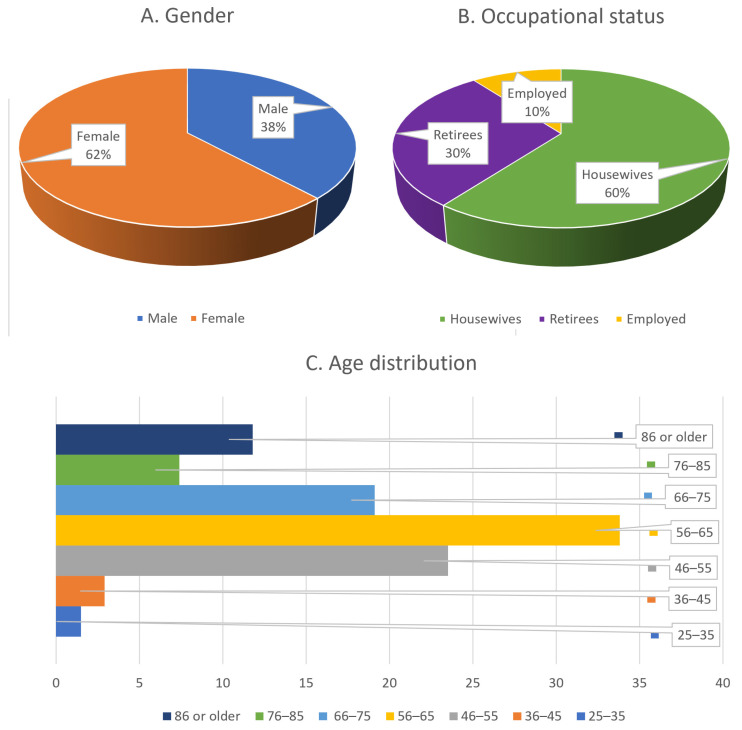 Figure 1
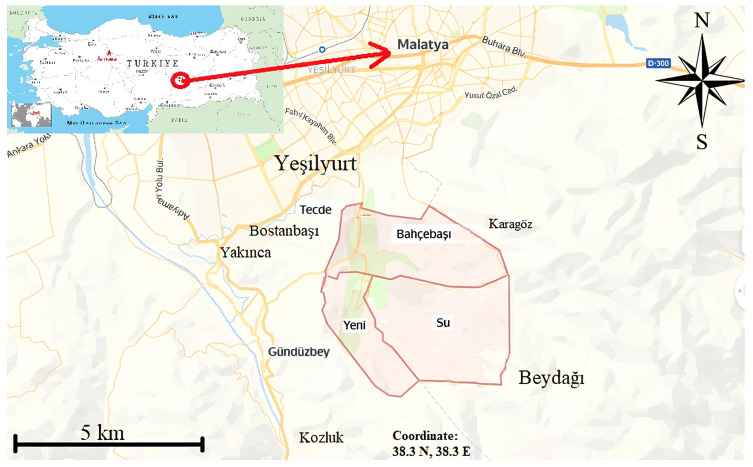 Figure 2
- —Scientific Research Projects Unit of İnönü University
Peer Reviews
No public reviews on file for this paper yet. If you reviewed it on a platform where reviews are public (OpenReview, ICLR, NeurIPS, ICML), you can paste yours below so the community can read it here.
Videos
No videos yet. Explain this paper in a talk, walkthrough, or lecture? Add one.
Taxonomy
TopicsEthnobotanical and Medicinal Plants Studies · Phytochemistry and Biological Activities · Essential Oils and Antimicrobial Activity
1. Introduction
Plants have played a vital role in human life throughout history. Knowledge regarding their use for diverse purposes such as food, fuel, tools, and shelter has been accumulated through empirical observation and practical experience, and transmitted orally across generations to the present day [1]. Archaeological evidence including tomb wall paintings, clay tablets, and various artifacts dating back to 3000 BCE indicates that plants were among the primary resources used for disease treatment in ancient civilizations [2,3]. In early human history, disease was instinctively confronted through magical and religious practices. Over time, priest-healers emerged, combining spiritual rituals with the medicinal use of plants [1,4,5].
During the Mesopotamian civilization around 3000 BC, approximately 250 known herbal drugs were recorded [1]. In addition to invoking deities such as the Goddess of Health, the Goddess of Disease, the God of Eyes, and the God of Ears for healing, ancient societies also employed remedies derived from plants, animals, and minerals [6].
Until the 19th century, medical treatments primarily relied on herbal preparations, compound mixtures, or the direct use of plant materials. In contemporary times, traditional folk medicine remains in use, particularly in regions with limited access to modern healthcare services, with most remedies derived from plant and animal sources [3].
Globally, approximately 20,000 plant species are documented as being used for therapeutic purposes. However, when including undocumented species utilized in traditional and folk medicine, the total number is estimated to exceed 100,000. In Türkiye alone, more than 500 plant species are believed to be used for medicinal purposes [1,7,8,9,10].
The rising interest in phytotherapy is largely driven by the high cost and adverse side effects associated with synthetic drugs, as well as the lack of definitive treatments for certain diseases. In Türkiye, researchers are increasingly focusing on the country’s rich botanical diversity as a valuable resource for medicinal exploration [1]. Traditional folk remedies, transmitted through generations, have provided a foundational basis for modern pharmacological developments. In parallel, major pharmaceutical companies have renewed their interest in plant-based compounds for the discovery and development of novel therapeutics [11].
Türkiye is considered one of the richest countries in terms of plant diversity, with estimates suggesting around 12,000 plant taxa, approximately 35% of which are endemic [12,13] despite the rich ethnobotanical heritage of Türkiye, research on traditional herbal medicine remains limited. While some studies have been conducted in the Malatya region, no prior documentation exists regarding the traditional folk medicine of the Konak area [14,15,16]. Formerly known as Yukarı Banazı, Konak is one of the oldest settlements in Malatya and, despite its proximity to the city center, has retained much of its cultural identity. However, the oral transmission of traditional knowledge is increasingly at risk due to rapid sociocultural transformation. In the context of a rapidly evolving digital era, the documentation of this knowledge has become essential. By contributing these findings to the scientific literature, this study aims to enrich current understanding of traditional folk medicine and support the identification of novel phytotherapeutic agents and treatment strategies.
In line with these aims, we hypothesize that the ethnomedicinal plants used in Konak village constitute a rich and locally distinctive traditional therapeutic repertoire, characterized by high informant consensus and including several uses that have not been previously reported in the ethnobotanical literature.
2. Results
2.1. Demographic Characteristics of Study Participants
Among the 68 informants, 38.2% were male and 61.8% were female (Figure 1A). Women contributed a larger proportion of the total reported ethnobotanical knowledge (62.9%) compared to men (37.1%). However, men demonstrated a broader range of knowledge, with both the most and least knowledgeable individuals belonging to this group. While women generally exhibited higher overall familiarity with medicinal plant use, men involved in occupations that required extended exposure to natural environments—such as livestock farming, hunting, or agriculture—tended to possess more specialized and context-specific expertise.
In terms of occupational status, 60.3% of informants were housewives, 29.4% were retirees, and 10.3% were employed (Figure 1B). However, no significant correlation was observed between current occupation and the level of ethnobotanical knowledge, as informants often acquired their expertise through past professions or long-standing hobbies pursued at different stages of life.
The age distribution of participants was as follows: 1.5% were aged 25–35 years, 2.9% were 36–45 years, 23.5% were 46–55 years, 33.8% were 56–65 years, 19.1% were 66–75 years, 7.4% were 76–85 years, and 11.8% were 86 years or older (Figure 1C). Informants aged 46 to 75 years demonstrated the highest levels of ethnobotanical knowledge, while those above 75 years often faced difficulties recalling specific information. The demographic structure of the region, which is largely composed of retirees and elderly individuals, along with the intentional focus on older informants, contributed to the underrepresentation of participants younger than 45 years in the sample.
2.2. Plant Parts, Routes of Administration and Therapeutic Use Distribution
The most commonly utilized plant parts were the aerial parts, fruits, and leaves (Table 1). In terms of preparation and application, plants used externally were most frequently applied directly (14%), followed by use as poultices or juices after grinding (9%). For internal administration, direct consumption was the predominant method (17%), followed by processed preparations (15.5%), infusions (15.5%), and decoctions (12%). Overall, internal applications (62.4%) were reported more frequently than external ones (37%) (Table 2).
Informant Consensus Factor (F_IC_) values exceeded 0.90 in key therapeutic categories (e.g., 0.95 for colds, 0.92 for stomach pain), indicating strong communal agreement (Table 3). Species with high F_IC_ and use value (UV) should be prioritized for phytochemical and pharmacological studies.
2.3. Mixtures
In this study, all ethnomedicinal mixtures reported by the informants were documented comprehensively, and their preparation methods and traditional uses are presented below. These mixtures are described separately because their detailed preparation steps and culturally embedded uses could not be appropriately summarized in a table format.
Mixture-1: the root of Arnebia decumbens (Vent.) Coss. & Kralik used together with the gums of Gundelia tournefortii L. and Pistacia terebinthus L. To prepare the ointment, equal amounts of G. tournefortii gum and P. terebinthus gum are melted in butter, after which the chopped root of A. decumbens is added and the mixture is cooked to obtain a Vaseline-like formulation. This ointment is applied to treat hand and foot cracks and wounds.
Mixture-2: A. decumbens root roasted in butter is rolled into a pill and used regularly orally for stomach pains and ulcers.
Mixture-3: fresh roots of Anchusa azurea Mill. var. azurea or Anthyllis vulneraria L. subsp. boissieri (Sagorski) Bornm. roasted in butter and made into a cream and used for wound healing.
Mixture-4: fresh walnut seeds (Juglans regia L.) are placed on a clean plate, roasted in the embers and the soot from the smoke is collected on the plate. The same amount of fresh butter was poured over the seeds, and with the help of a toothpick, the walnut soot was collected from the plate, utilizing the butter. This collected product was applied to the eyes as kohl. Women used it for beauty purposes, and it was also used against eye diseases.
Mixture-5: sour plum (Prunus domestica L.) and Turkish coffee were mixed and used against diarrhea.
Mixture-6: henna is mixed with bile and applied on the wounded part of the foot. It is used externally in foot and heel cracks and wounds.
Mixture-7: olives (Olea europaea L.) are crushed well. The same amount of soap is added, and a dough consistency is obtained. It is tied to the broken place with a cloth.
Mixture-8: salt, dried onion (Allium cepa L.), raisins (Vitis vinifera L.) and wheat (Triticum aestivum L.) flour are made into a paste and wrapped in a cloth. It is used for bruises, fractures and dislocations.
Mixture-9: walnut (J. regia) leaves are boiled, and some henna is added in a suitable container and the feet are kept in it while the water is hot. It is used for foot fungus, odor and care.
Mixture-10: straw of aged wheat (T. aestivum) and Verbascum georgicum Benth., or V. sphenandroides K.Koch are boiled and cooled. Sitz baths are used for childless women and for various gynecological diseases. It is used regularly for a long time (up to 1 week). Antibacterial effect.
Mixture-11: for asthma and jaundice, P. terebinthus gum is dissolved in olive oil (O. europaea) and kept in the open air overnight. Grape juice (V. vinifera) is added to this mixture and used regularly.
2.4. Plants Used as Folk Medicine in Konak Region
Plants used as folk medicine in the Konak region are listed alphabetically by species name. These plants are tabulated with their local names, parts used, preparation techniques, usage categories, and calculated frequency of citation (Table 4). Among the 35 plant families represented by 86 taxa recorded in this study (64 genera, 68 species, 15 subspecies, and 3 varieties), the most commonly used families were Lamiaceae (14 taxa), Asteraceae (11 taxa), and Rosaceae (11 taxa).
Among the documented practices, the most widely known involved the internal use of the aerial parts of Origanum vulgare subsp. gracile, either boiled with milk or added to food, for the treatment of colds. Another highly recognized practice was the external application of the latex from Euphorbia grisophylla and E. macrocarpa for treating bee, scorpion, and snake bites. These applications were known to 69% of informants (Table 4).
The second most widely cited practices included the internal use of infusions prepared from the aerial parts of Pelargonium endlicherianum, and the consumption (as a decoction or jam) of Rosa canina fruits for managing common colds, reported by 68% of participants (Table 4).
The third most common practices involved the internal consumption of infusions made from the aerial parts of Mentha longifolia subsp. longifolia, M. pulegium, and M. spicata subsp. spicata. These were used for the treatment of colds, nausea, stomach pain, and inflammation, either by boiling with milk or incorporating into meals. These uses were cited by 66% of informants (Table 4).
Some of the least commonly reported ethnomedicinal practices were known only to a small number of individuals, with corresponding plant species recognized exclusively by those informants. These rare applications, cited by approximately 1.5% of participants, include the following examples (Table 4):
The bulbs of Allium ampeloprasum are roasted over charcoal, and the resulting material is applied externally to treat inflammation and injuries caused by glass or thorns. Additionally, the juice extracted from crushed bulbs is used for bee and scorpion stings. An infusion prepared from the aerial parts of Cyclotrichium niveum, or its internal consumption by adding it to food, has been reported for treating colds, nausea, stomach pain, and inflammation. Pulicaria dysenterica subsp. dysenterica is used both internally and externally: its infusion or direct consumption is reported for internal inflammation, while a paste prepared from the plant is applied for external inflammation. Leaves of Salvia euphratica var. euphratica and S. multicaulis are used in the form of infusions for managing eczema and pruritic (itchy) skin conditions.
3. Discussion
Konak is one of the oldest settlements in Malatya and remains among the few regions where no comprehensive ethnobotanical assessment has previously been conducted—largely due to its historically closed cultural structure. During the fieldwork, the urgency of documenting traditional knowledge became increasingly evident, as the passing of several informants resulted in the irreversible loss of valuable ethnomedicinal information. This highlights the critical need to preserve such knowledge through systematic documentation in digital and scientific archives and to ensure its timely publication. In the context of Anatolia’s rapidly eroding biocultural heritage, the significance of localized studies such as this continues to grow.
Field observations indicated that while certain plants are still in use, their local names or methods of application are often forgotten. Herbarium specimens were collected for unidentified taxa; however, due to uncertainties in nomenclature and usage, these species were excluded from the current analysis. These underscores emerging challenges in ethnobotanical cataloging and points to the need for future studies focused on local naming conventions and oral taxonomy.
Participant demographics—participants were primarily in the 46–75 age group—suggest a waning interest among younger generations in traditional knowledge systems. This trend, coupled with the community’s close proximity to the city center (3 km), which facilitates access to modern medical services, contributes to the observable decline in folk medicinal practices. The underrepresentation of individuals under 45 years of age further limits the generalizability of the findings to the broader population. Although rigorous measures were taken to exclude data influenced by modern media sources, thereby enhancing the reliability of the information collected, further research is needed to explore how this traditional knowledge may be integrated with contemporary medical frameworks in a culturally sensitive and scientifically validated manner.
An analysis of the number of remedies reported across different age groups revealed that the highest counts were generally provided by individuals aged 76 years and older. However, this trend was challenged by two notable exceptions: a 60-year-old and a 52-year-old male informant were among those with the most extensive ethnobotanical knowledge. These cases suggest that, while traditional knowledge is predominantly concentrated among the elderly, younger individuals—particularly men—can also serve as significant repositories of such information. Their extensive knowledge was attributed to personal curiosity and lifestyle factors, such as spending prolonged periods in remote mountainous regions for pastoral activities or hunting.
The use of semi-structured interviews in this study, rather than standardized questionnaires, was a deliberate methodological choice aimed at capturing the multidimensional, culturally embedded, and experiential nature of folk medicine traditions. Closed-ended questionnaires, while useful for quantitative analysis, often constrain responses within predefined categories, thereby limiting the opportunity to uncover unanticipated or nuanced information. In contrast, semi-structured interviews offered the flexibility to follow the natural flow of participants’ narratives, probe responses in greater depth, and elicit rich qualitative data—including details on knowledge transmission, preparation techniques, and context-specific practices. This approach allowed for a more authentic representation of the narrative and situational character of traditional medical knowledge, thereby enhancing both the validity and the depth of the collected data in this study, the most preferred plant parts were aerial parts, leaves, and fruits (Table 1), aligning with patterns in other Turkish ethnobotanical research. Similarly, plants recommended for stomach and respiratory disorders mirrored those in Malatya and neighboring provinces [14,15,17,18,19,20,21,22,23,24].
Konak (Malatya, Türkiye) represents a unique ethnobotanical site due to its rich plant diversity and insular cultural dynamics. This study documented 86 distinct plant taxa(species, subspecies and varieties) used in 230 traditional remedies, with high Informant Consensus Factor (F_IC_) values underscoring the reliability and potential pharmacological significance of local knowledge. Of these taxa, 60 species were found to be native (wild) to the region. however, for Vitis vinifera L., the variety known as “Banazı Karası” is unique to this area, representing a locally adapted cultivar with significant cultural and genetic value. Notably, taxa such as Origanum vulgare subsp. gracile, Mentha species, and Rosa canina exhibited high Use Values (UV: 0.66–0.69), reflecting their widespread and consistent therapeutic use within the community.
In addition to high-frequency applications, several specialized uses emerged. The powdered aerial parts of Ajuga chamaepitys subsp. chia and A. chamaepitys subsp. laevigata were reported to treat deep burns effectively, allegedly without leaving scars. Similarly, while daisy species (Bellis spp.) were frequently used as antiseptics for open wounds, Tripleurospermum oreades was reported to be even more effective. Given its documented antitussive activity suggesting airway-relaxing effects similar to β2-agonists [25], Astragalus gummifer’s use for respiratory disorders merits further phytochemical and pharmacological studies. Plantago lanceolata (and possibly P. major subsp. intermedia) was regarded as highly effective for various ailments, while Polygonum patulum was cited as particularly suitable for treating eczema. Of the polyherbal treatments, mixtures labeled 1 and 3 were especially noteworthy and merit further study. Both mixtures were highly regarded by the majority of experts and were recommended for further consideration, with particular emphasis placed on their potential for development into commercially viable products derived from natural sources.
Although the use value (UV) of Crataegus orientalis subsp. orientalis for cardiovascular conditions is low, informants who reported this use stated that they obtained notably positive results from the plant. This strong individual-level perception has led to limited local trade of the species. Its lack of widespread popularity within the region may be related to inadequate marketing or the deliberate concealment of the plant’s identity by those involved in its trade. Moreover, although the use of the root has been rarely addressed in the scientific literature, informants emphasized that the root is more effective than other plant parts (Appendix A).
The most widely known remedies (UV: 0.69) included the internal consumption of Origanum vulgare subsp. gracile aerial parts—typically boiled in milk or added to food—to treat colds, and the external application of latex from Euphorbia grisophylla and E. macrocarpa for insect and animal bites. Interestingly, some informants also reported the use of these latexes for eye infections. However, these applications were described as harmful, with reports of severe adverse effects including vision loss. Consequently, these practices were excluded from the catalog of medicinal uses, yet they highlight the critical need for awareness of potentially toxic traditional remedies.
The second most commonly cited remedies (UV: 0.68) involved infusions of Pelargonium endlicherianum and fruit decoctions or jam from Rosa canina, used internally to treat colds. Third in prevalence (UV: 0.66) were infusions of aerial parts from Mentha longifolia subsp. longifolia, M. pulegium, and M. spicata subsp. spicata, used to manage colds, nausea, stomach pain, and inflammation—either by boiling in milk or incorporating into meals.
Conversely, some of the least known remedies (UV: 0.02) included the use of roasted bulbs of Allium ampeloprasum for inflammation and thorn injuries or juiced for stings; infusions or culinary use of Cyclotrichium niveum for cold-related symptoms; and Pulicaria dysenterica subsp. dysenterica used internally for inflammation and externally as a paste. Infusions prepared from the leaves of Salvia euphratica var. euphratica and S. multicaulis were reported for the treatment of eczema and itchy skin conditions.
Interestingly, even low-use-value plants such as Cornus mas were embedded in local oral traditions and folk narratives-such as tales of reviving the dying-suggesting symbolic or historical importance. This underlines the necessity of integrating quantitative measures (e.g., UV, F_IC_) with qualitative cultural insights, particularly for conditions that may have been historically undiagnosable, such as cardiovascular disease.
Approximately 49% of the documented plant uses in the Konak region (42 out of 86 taxa) have not been previously recorded in ethnobotanical studies from surrounding areas [18,19,20,21,22,23,24,26]. Moreover, 95% of the commonly cited species are employed for different purposes or prepared using distinct methods compared to their use in nearby regions. For instance, in Konak, Rosa canina is used to treat colds in the form of jam or decoction, whereas in Kürecik, its use is limited to decoction alone. Such differences in usage patterns may be attributed to Konak’s relative geographical isolation, region-specific culinary traditions, and varying degrees of access to plant resources [14,15,17,18,19,20,21,22,23,24].
By comparison, a previous province-wide ethnobotanical survey of Malatya documented 108 taxa from 39 families, with Asteraceae (21 taxa), Lamiaceae (14 taxa), and Rosaceae (13 taxa) also being the most frequently cited families [15]. Notably, our study recorded 8 families, 29 genera, and 56 species not included in the provincial survey. Of the 30 overlapping species, 18 were found to have entirely different uses or preparation methods in the Konak region.
Taxa with consistent uses across both datasets include Anchusa azurea var. azurea, Bellis perennis, Cyclotrichium niveum, Cydonia oblonga, Mentha spicata subsp. spicata, Pelargonium endlicherianum, Plantago lanceolata, Prunus armeniaca, Quercus infectoria subsp. infectoria, Rosa canina, Teucrium polium subsp. polium, Urtica dioica subsp. dioica, and Vitis vinifera [14,15].
When compared with the broader dataset from Malatya, 65% of the taxa reported in our study differed either in species or genus [15]. The primary reason for this substantial divergence is that the Konak region was not included in the scope of the earlier survey. This highlights the importance of conducting ethnobotanical research at a finer geographical scale, as broader regional studies may overlook localized knowledge systems. Preserving such localized ethnomedicinal traditions is essential for safeguarding biocultural diversity and advancing future pharmacological research.
In comparison to the study conducted in the neighboring province of Elazığ, our study recorded 11 families, 35 genera, and 56 species that were not included in that survey. Although there were 30 species common to both studies, 20 of these were employed for entirely different purposes and preparation methods. The taxa with similar uses were identified as Allium sativum, Bellis perennis, Anchusa azurea var. azurea, Elaeagnus angustifolia, Mentha longifolia subsp. longifolia, M. spicata subsp. spicata, Malva neglecta, Rosa canina, Urtica dioica subsp. dioica, and Vitis vinifera [18].
Regarding the study conducted in the Andırın district of another neighboring province, Kahramanmaraş, our study documented 14 families, 43 genera, and 74 species that were not present in that report. While there were 11 shared species, 10 were utilized for completely different purposes and preparation methods. The taxa displaying similar uses are Bellis perennis and Tragopogon dubius subsp. dubius [21].
Ethnobotanical studies contribute to the scientific literature not only by validating previously reported plant uses but also by identifying novel applications. In countries such as Türkiye, where the endemism rate exceeds 35%, the documentation of previously unreported uses is both expected and significant. In the present study, 13 of the 86 recorded taxa—Anthemis haussknechtii, Anthyllis vulneraria subsp. boissieri, Arnebia decumbens, Crocus damascenus, Echinops pungens, Eminium intortum, Galium spurium subsp. ibicinum, Geranium tuberosum, Polygonum patulum, Salvia euphratica var. euphratica, Verbascum georgicum, V. sphenandroides, and Vicia hybrida—were found to have no previously documented ethnobotanical uses, representing their first appearance in the literature. Although these taxa are not endemic, their limited regional distribution may account for the lack of prior records (Appendix A).
These findings highlight both the originality of the present study and the potential for uncovering additional traditional uses through similar surveys in neighboring areas. A substantial portion of the documented remedies align with previously published data, affirming cultural continuity. At the same time, numerous novels or off-label applications significantly expand the existing body of ethnomedicinal knowledge.
Species with high Informant Consensus Factor (F_IC_) values and citation frequency-particularly those clustered in categories of widespread or consistent use-emerge as strong candidates for further phytochemical and pharmacological investigation. Some of these plants may hold promise for future clinical or preclinical studies. Overall, the results demonstrate that the Konak region harbors a distinct and valuable repository of traditional medical knowledge, with significant potential to enrich ethnobotanical literature and inform drug discovery efforts.
4. Materials and Methods
4.1. Study Area
Malatya, situated in the Upper Euphrates region of Eastern Anatolia, is located between 35°54′ and 39°03′ north latitudes and 38°45′ and 39°08′ east longitudes. Granted metropolitan status on 12 November 2012, it is the largest city in the region, encompassing a total area of 12,313 km^2^. The province lies at an elevation of 977 m above sea level and, as of 2016, had a population of 781,305, distributed across 13 districts. Malatya experiences a continental climate characterized by cold, harsh winters; however, recent climatic changes associated with global warming have led to milder seasonal conditions [15,27,28]. The name “Malatya” is derived from the Hittite word “Melid,” meaning honey [29]. Settlement areas believed to have been established during the Byzantine period include Gündüzbey, Yeşilyurt, Yakınca, Banazı, Bostanbaşı, and Tecde [30]. Banazı, one of the oldest settlements, was later renamed “Konak” [31].
Situated on the southern slopes of Beydağı, Konak functioned as an independent township until 2012. Following Malatya’s designation as a metropolitan municipality, Konak—located just 3 km from the city center—was incorporated into the Yeşilyurt district. The settlement currently comprises three neighborhoods: Su, Bahçebaşı, and Yeni (Figure 2). Despite its proximity to the urban center, Konak has retained much of its cultural heritage, more so than many remote villages. The local population is recognized for its hospitality, although permanent settlement by outsiders is generally discouraged. According to oral histories, the village was originally founded by seven families, and the present population of approximately 7000 is largely descended from these early settlers [27,31,32]. Studying such a culturally rich settlement will make a significant contribution to the literature.
4.2. Interviews with Local People
Although over 100 individuals were interviewed during the fieldwork, ethnobotanical data were successfully obtained from 68 informants. The informants were specifically selected from among individuals renowned within the community for their extensive knowledge of plants. A total of 243 herbarium specimens were collected based on information provided by these participants. For each plant, detailed records were made, including local names, plant parts used, preparation methods, medicinal applications, collection sites, collection periods, and modes of application.
Plant specimens were collected with the assistance of local informants, photographed in situ, and subsequently archived. These archived images were later utilized to aid in follow-up interviews. Participants were asked to share information about folk remedies they had personally used, observed, or heard of through oral tradition, explicitly excluding knowledge acquired via modern communication sources such as television, newspapers, or the internet. Data collection was conducted through semi-structured interviews rather than standardized questionnaires to allow for greater flexibility and depth. Semi-structured interviews are a scheduled qualitative data collection method based on open-ended questions that follow a general interview guide and cover a predefined set of topics [33]. Group interviews involving two to three participants were found to be particularly effective, as they facilitated the confirmation of shared knowledge and encouraged participants to acknowledge unfamiliar topics more openly.
Nearly all informants emphasized that the practices they reported were either personally experienced, observed within their family, or heard from trusted community sources. To ensure data reliability, only those uses that had been practiced or directly witnessed were included in the study; unverifiable claims or hearsay were excluded. Given the prevalence of misinformation in the modern information landscape, particular care was taken to document only widely recognized and locally validated traditional uses.
4.3. Plant Materials
Plant specimens were collected from Konak and its surrounding areas between May 2015 and November 2016. Specimens were carefully selected to ensure ease of taxonomic identification. Standard field equipment—including shovels, gloves, garden shears, knives, collection bags, newspapers, drying papers, plant presses, cardboard, and thread—was used to facilitate proper handling and drying of the collected materials [34]. To prevent insect infestation, the dried specimens were stored at −25 °C for three days before being mounted on herbarium sheets. The collected specimens were deposited in the herbarium of the Faculty of Pharmacy at İnönü University. “Voucher No” are provided in Appendix A.
Plant species were identified using “Flora of Türkiye and the East Aegean Islands” [35]. Scientific names were updated according to “The List of Turkish Plants—Vascular Plants” [12]. Coordinates and altitudes were recorded and verified using Google Earth and mobile GPS devices. Photographs were taken using a Canon EOS 700D camera with an 18–55 mm lens.
In this study, ethnobotanical knowledge was defined based on both the number of plant taxa reported by each informant and the total number of distinct medicinal uses they described. Each use-report was counted independently, regardless of whether multiple uses were associated with the same plant taxon. This dual-parameter approach allowed us to quantify the breadth (number of taxa) and depth (number of use-reports) of individual ethnobotanical knowledge.
4.4. Calculations
IBM SPSS V24 was used for graphical representation and statistical analysis. The informant consensus factor (F_IC_) was utilized in the calculations. The formula used for the calculation is: F_IC_ = (N_ur_ − N_t_)/(N_ur_ − 1). N_ur_ is the number of use-reports per category; N_t_ is the number of taxa used for that category (Table 3). This method evaluates the homogeneity of the information. F_IC_ values are low (close to 0) if plants are chosen randomly or if informants do not share knowledge about their uses, whereas values are high (close to 1) when there is a well-defined selection criterion in the community and/or knowledge is transmitted among informants. Previous studies have used “F_IC_” and “ICF” interchangeably for this factor [36,37,38,39,40,41].
The percentage of taxa was calculated using the following formula: Number of taxa in therapeutic effects/Total number of taxa × 100 (Table 3).
The percentage of species was calculated as: Number of species in the category/Total number of plant species × 100 (Table 3).
The number and percentage of plant parts used were determined (Table 1).
Calculations were also performed for the administration methods of taxa (Table 2). Percentage results were obtained using: Number of application methods in the category/Total number of application methods × 100 [37,38,39,40,41,42].
The use value (UV), a quantitative measure indicating the relative importance of taxa in local knowledge, was calculated using the formula: UV = U/N, where UV denotes the use value of a taxa, U represents the number of citations per taxa, and N indicates the number of informants [38].
5. Conclusions
This study provides the first fine-scale ethnomedicinal assessment of Konak (Malatya, Türkiye), offering clear support for the hypothesis presented in the Introduction: that the village maintains a rich and locally distinctive therapeutic repertoire shaped by strong informant consensus and several previously undocumented plants use. The documentation of 86 plant taxa across 230 medicinal applications confirms that Konak remains an important repository of biocultural heritage within Eastern Anatolia. High F_IC_ values for major ailment categories and the prominence of widely cited species such as Origanum vulgare subsp. gracile, Mentha spp., and Rosa canina demonstrate both the reliability and the internal coherence of local knowledge systems.
The reference list from the paper itself. Each links out to its DOI / PubMed record.
- 1Baytop T. Türkiye’de Bitkiler Ile Tedavi: Geçmişte Ve Bugün Nobel Tıp Kitabevleri Istanbul, Türkiye 1999
- 2Pouyan N. Mesopotamia, the cradle of civilization and medicine World J. Pharm. Res.20165192225
- 3Emre G. Ezine (Çanakkale) Yöresinin Geleneksel Halk Ilacı Olarak Kullanılan Bitkileri Master’s Thesis Marmara Universitesi Istanbul, Türkiye 2003
- 4Bayat A.H. İslam öncesi orta Asya Türk dünyasında tababet Türkler Ansiklopedisi 20023449459
- 5SevinçN. İslam Öncesi Türk Tababeti Türk Dünyası Araştırmaları Derg.1979145
- 6Yeğenoğlu S. Şahne B.S. UlutaşE. Hitit uygarlığında bitkilerin yeri Mersin Üniversitesi Tıp Fakültesi Lokman Hekim Tıp Tarihi Ve Folk. Tıp Derg.20166117120
- 7Özkan O. Deniz T. An assessment of consumer demand for medicinal plants: A case of Istanbul Eurasian J. For. Sci.20231111310.31195/ejejfs.1243329 · doi ↗
- 8Adıgüzel F. Kızılaslan N. İstanbul ilinde tıbbi, aromatik ve baharat bitkileri satışı yapan aktarların yapısal özellikleri ve mevzuat hakkındaki görüşleri Anadolu Tarım Bilim. Derg.201631405910.7161/anajas.2016.31.1.40-59 · doi ↗