Preparation of Two Process-Related Impurities of a Key Intermediate of Silodosin Under Baeyer–Villiger and Fenton Conditions
Wenbin Chen, Qiang Zhou, Junjun Zhang, Jianyang Jin, Juan Zhang, Jiangbo Xi, Zhengwu Bai, Min Li

TL;DR
This paper describes the preparation and characterization of two impurities formed during the synthesis of a key intermediate of silodosin under specific chemical conditions.
Contribution
The study reveals the formation mechanisms of two impurities under Baeyer–Villiger and Fenton-like conditions, offering insights into their control during pharmaceutical synthesis.
Findings
Benzaldehyde impurity (BAI) was formed in ~48% yield under Baeyer–Villiger conditions.
Indole impurity (IDI) became the major product (~43% yield) under Fenton-like conditions with FeCl3.
The formation mechanism of IDI was discussed and validated using structurally similar substrates.
Abstract
Control of process-related impurities is of critical importance for developing an efficient and suitable synthetic process of an active pharmaceutical ingredient. In the study of a key intermediate of silodosin (KIS), two process-related impurities including the benzaldehyde impurity (BAI) and indole impurity (IDI) were prepared and fully characterized to determine their downstream fate. Under optimized conditions, BAI was formed in a yield of ~48% by treating KIS with 10% hydrogen peroxide at 60 °C. Interestingly, BAI would not be expected to be the major product under the apparent Baeyer–Villiger oxidative condition. Furthermore, by adding 20 mM FeCl3 into the above 10% hydrogen peroxide solution, IDI became the major product in a yield of ~43% under this Fenton reaction-like condition. The probable formation mechanism of IDI was discussed and validated in the context of certain…
Genes, proteins, chemicals, diseases, species, mutations and cell lines named across the full text — each resolved to its canonical identifier and authoritative record.
Click any figure to enlarge with its caption.
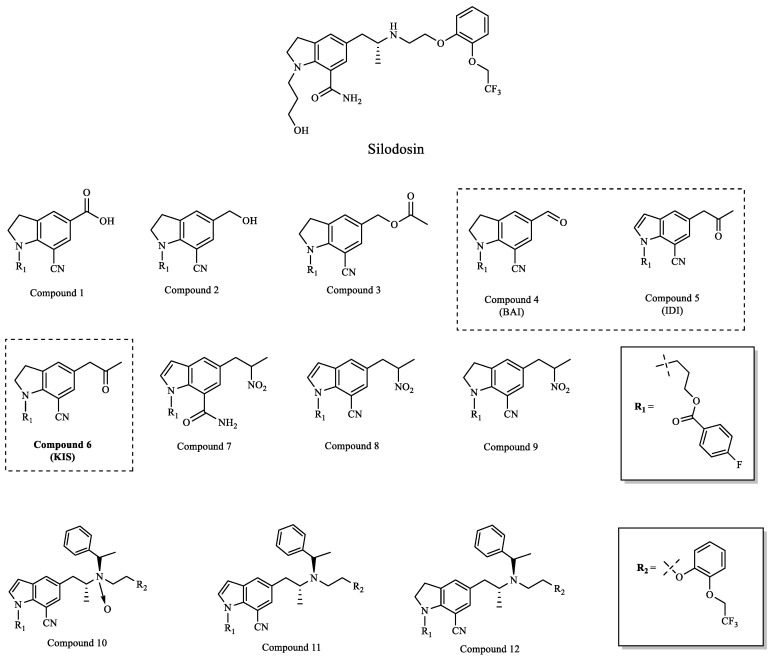 Figure 1
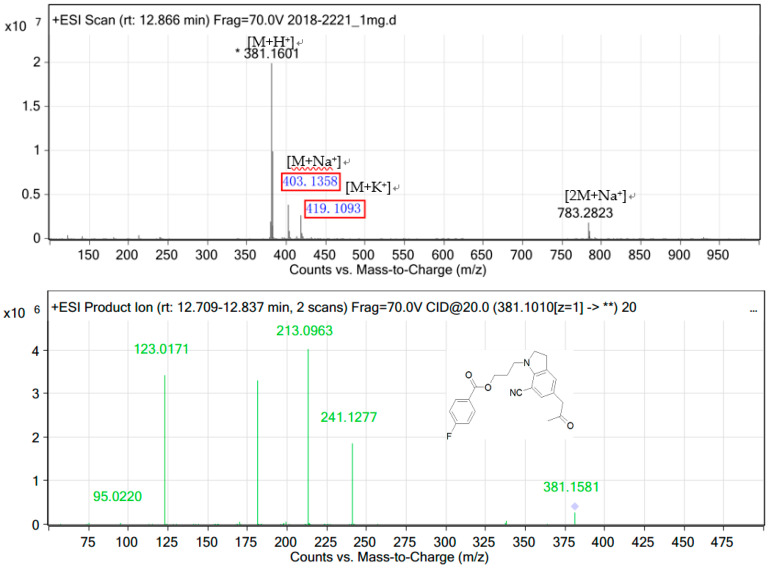 Figure 2
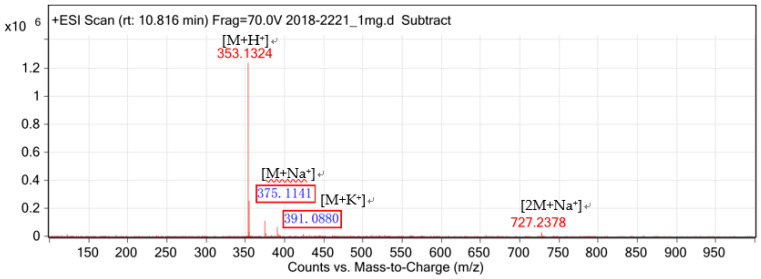 Figure 3
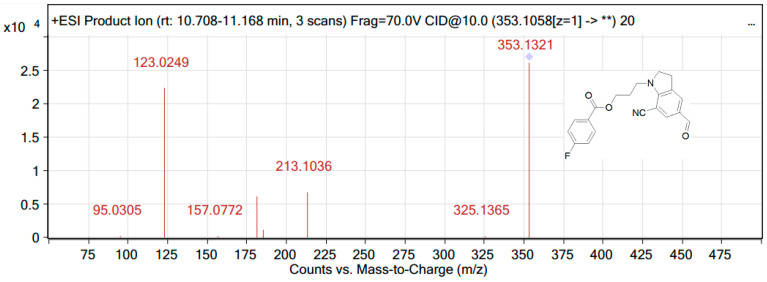 Figure 4
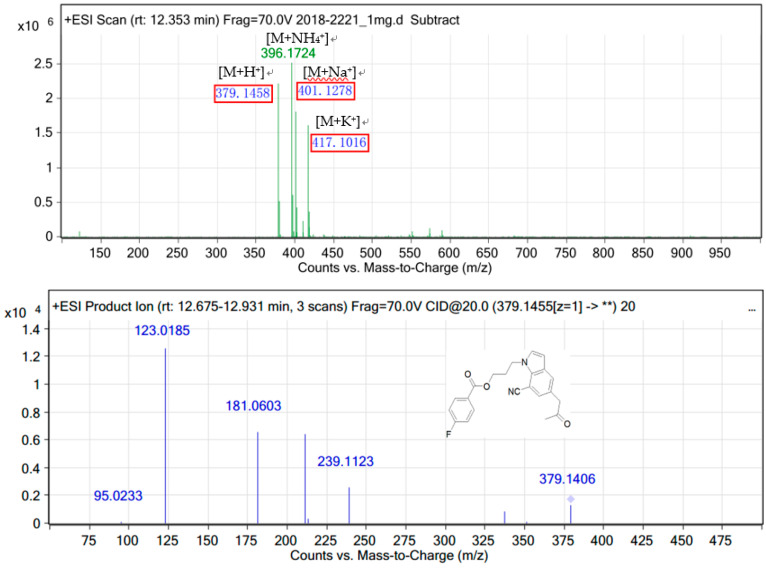 Figure 5
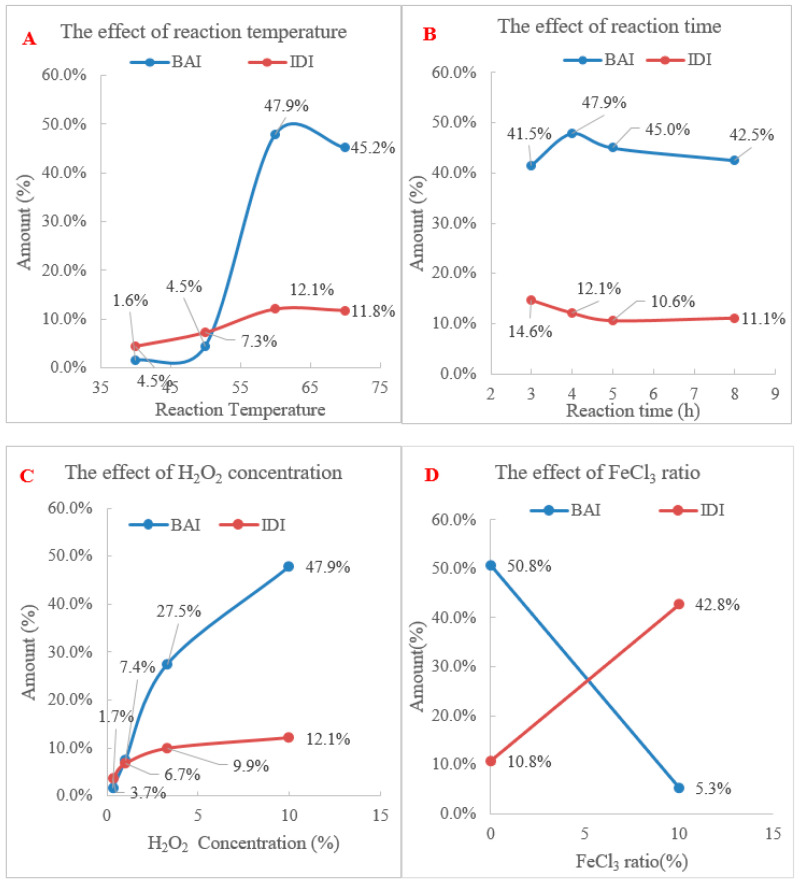 Figure 6
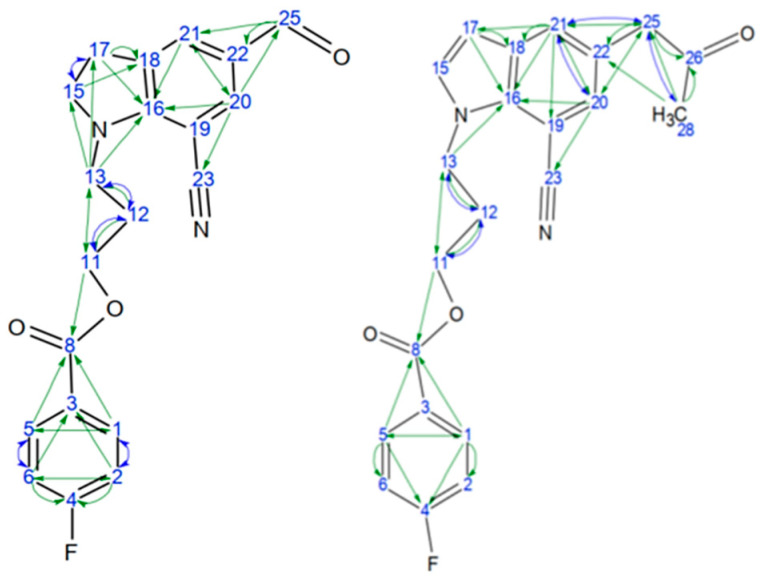 Figure 7
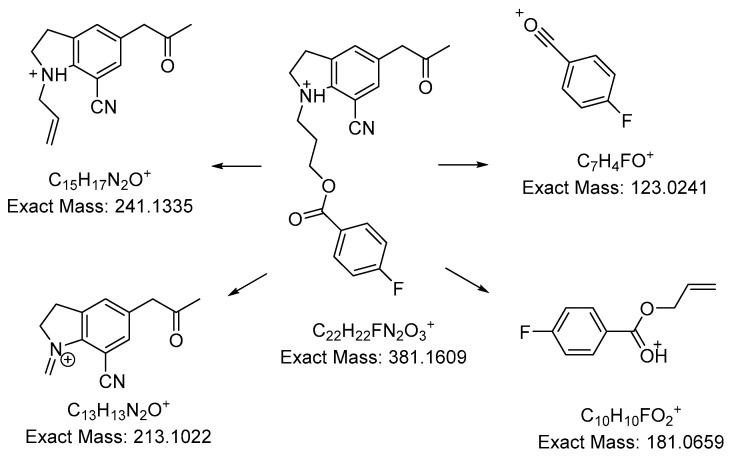 Figure 8
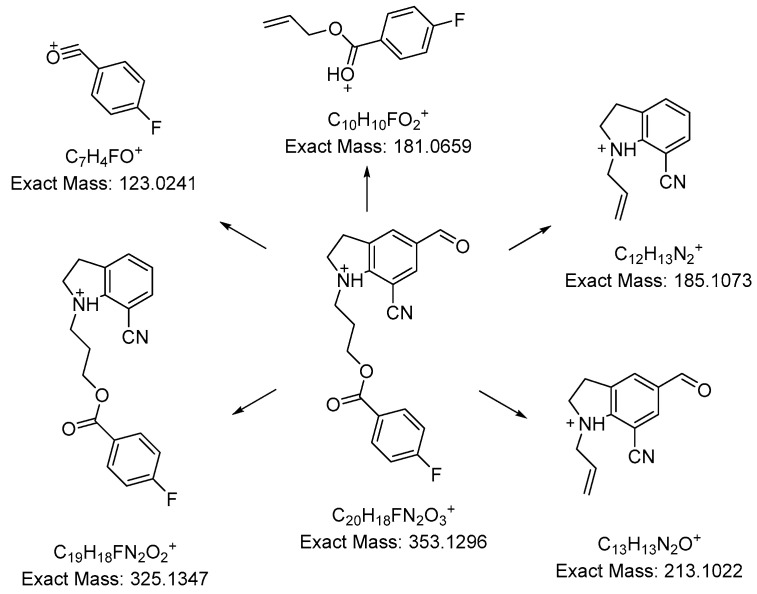 Figure 9
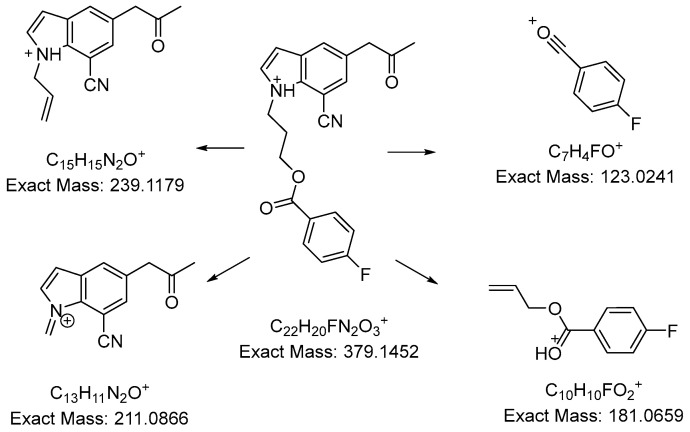 Figure 10
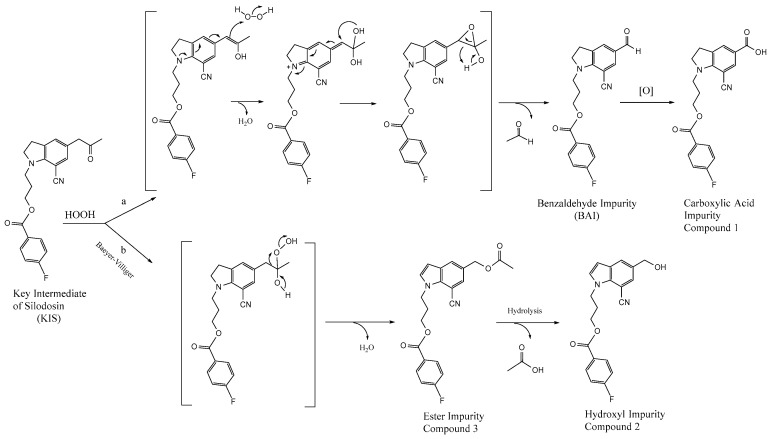 Figure 11
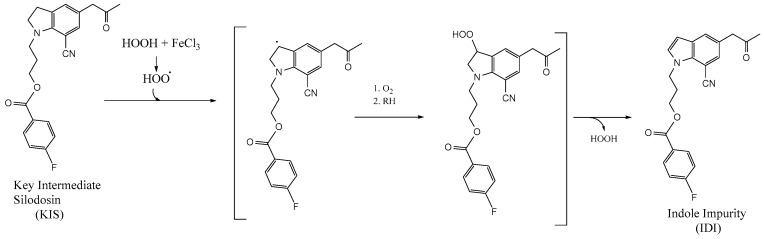 Figure 12
Peer Reviews
No public reviews on file for this paper yet. If you reviewed it on a platform where reviews are public (OpenReview, ICLR, NeurIPS, ICML), you can paste yours below so the community can read it here.
Videos
No videos yet. Explain this paper in a talk, walkthrough, or lecture? Add one.
Taxonomy
TopicsChemical Synthesis and Reactions · Morinda citrifolia extract uses · Photodynamic Therapy Research Studies
1. Introduction
The quality of pharmaceutical products directly impacts their efficacy and safety, with impurity profile being a critical quality attribute [1,2,3,4,5]. To develop an efficient and suitable synthetic process of an active pharmaceutical ingredient (API), the control of process-related impurities is of critical importance. Hence, it becomes necessary to understand the origins, downstream flow, and final purge of the process-related impurities at each key intermediate and all the way towards the final API.
Silodosin is an α-adrenergic receptor antagonist and primarily acts on the α1A adrenergic receptors [6,7]. It is used clinically to treat symptoms associated with benign prostatic hyperplasia (BPH). It is chemically known as 1-(3-hydroxypropyl)- 5-[(2R)-2-[2-[2-(2,2,2-trifluoroethoxy)phenoxy]ethylamino]propyl]-2,3-dihydro-1H-indole-7-carboxamide (Figure 1).
In order to formulate an effective control strategy, the preparation of two process-related impurities for the key intermediate of silodosin (KIS), the benzaldehyde impurity (BAI) and indole impurity (IDI), was a crucial requirement to understand their formation mechanisms, and to determine their downstream fate [8,9,10]. For the latter purpose, the two impurities were required as reference materials to develop and validate the analytical methods to quantitatively determine their downstream flow and purge [11,12]. Nevertheless, the two compounds have never been reported in the literature.
In the early phase of developing analytical methods for KIS, it was subjected to a forced degradation study, including the oxidative stress with 10% hydrogen peroxide under ambient conditions, in which both BAI and IDI were formed in very low yields. By following the initial lead, much-improved preparative conditions were obtained for BAI and IDI, respectively. In this paper, we not only describe the preparation and full characterization of BAI and IDI, but also discuss their probable formation mechanisms. The results were somewhat surprising because BAI was not expected to be the major product under the apparent Baeyer–Villiger oxidation condition [13,14,15,16]. On the other hand, IDI was produced as the major product under a Fenton reaction-like condition. The validity of the proposed formation mechanism for IDI is discussed in the context of certain structurally similar substrates.
2. Results and Discussion
2.1. LC-PDA/UV-High-Resolution MSn (n = 1, 2) Analysis of the Key Intermediate of Silodosin (KIS)
In ESI positive mode, the mass spectrometry signal for KIS showed a precursor ion at m/z 381.1601, corresponding to the molecular formula of C_22_H_21_FN_2_O_3_ with an error of 2 ppm (Figure 2). The peaks at m/z 403 and 419 correspond to the [M+Na^+^] and [M+K^+^] adducts of KIS, respectively, while the signal at m/z 783 is assigned to the [2M+Na^+^] ion of KIS, a gas phase dimeric ion. MS^2^ analysis revealed four primary product ions with m/z values of 241.1277, 213.0963, 181.0594, and 123.0171, respectively. The fragment m/z 241.1277 (C_15_H_17_N_2_O^+^) results from the loss of one molecule of p-fluorobenzoic acid from KIS. The ion at m/z 213.0963 (C_13_H_13_N_2_O^+^) differs from m/z 241 by the loss of an ethyl group. The ion at m/z 181.0594 (C_10_H_10_FO_2_^+^) corresponds to propyl p-fluorobenzoic acid, and the ion at m/z 123.0171 (C_7_H_4_FO^+^) is associated with p-fluorobenzaldehyde. Based on the observed fragmentation patterns and high-resolution mass data, the proposed fragmentation pathways of KIS are shown in Scheme 1.
2.2. LC-PDA/UV-MSn (n = 1, 2) Analysis of Benzaldehyde Impurity (BAI)
The MS spectrum of BAI revealed a [M+H^+^] mass signal at m/z 353.1324, corresponding to a molecular formula of C_20_H_17_FN_2_O_3_ with an error of 8 ppm (Figure 3). The signals at m/z 375 and 391 correspond to the [M+Na^+^] and [M+K^+^] adducts of BAI, respectively, while the signal at m/z 727 is assigned to the [2M+Na^+^] ion of BAI. This molecular formula is consistent with the loss of a C_2_H_4_ unit relative to that of KIS (C_22_H_21_FN_2_O_3_). The main MS^2^ product ions observed were m/z 325.1365 (C_19_H_18_FN_2_O_2_^+^), m/z 213.1036 (C_13_H_13_N_2_O^+^), m/z 185.1066 (C_12_H_13_N_2_^+^), m/z 181.0672 (C_10_H_10_FO_2_^+^), and m/z 123.0249 (C_7_H_4_FO^+^). Notably, the fragments at m/z 123 and m/z 181 were also found in KIS, suggesting that the impurity structure likely contained a p-fluorophenyl acetate moiety. The fragment at m/z 325 results from the loss of CO from the precursor ion, while the fragments at m/z 213 and m/z 185 differ by the loss of CO, indicating the possible presence of aldehyde groups within the BAI structure. Furthermore, the m/z 185 fragment results from the loss of C_8_H_5_FO_3_, which corresponds to one molecule of p-fluorobenzoic acid (C_7_H_5_FO_2_) and one molecule of formaldehyde (CH_2_O). The fragmentation pathways for BAI are proposed in Scheme 2.
2.3. LC-PDA/UV-High-Resolution MSn (n = 1, 2) Analysis of the Indole Impurity (IDI)
A strong ion peak at m/z 379.1458 was observed, corresponding to the [M+H] peak of IDI, matching a molecular formula of C_22_H_19_FN_2_O_3_ within an error of 2 ppm (Figure 4). The peaks at m/z 396, 401, and 417 correspond to the [M+NH_4_^+^], [M+Na^+^], and [M+K^+^] adducts of IDI, respectively. Compared to the molecular formula of KIS (C_22_H_21_FN_2_O_3_), IDI exhibits a loss of two hydrogens (2H). The primary product ions detected were m/z 239.1123 (C_19_H_18_FN_2_O_2_^+^), m/z 211.0807 (C_13_H_11_N_2_O^+^), m/z 181.0603 (C_10_H_10_FO_2_^+^), and m/z 123.0185 (C_7_H_4_FO^+^). Additionally, the product ions at m/z 123 and m/z 181 are consistent with the MS/MS fragments of KIS, suggesting that the structure of IDI contains a propyl p-fluorobenzoate moiety. Furthermore, it is noteworthy that the fragments at m/z 211 and m/z 239 for IDI differ by exactly two hydrogen atoms (2H) from those at m/z 213 and m/z 241 associated with KIS. The fragmentation pathways for IDI are proposed in Scheme 3.
2.4. Optimization for Formation of the Benzaldehyde Impurity (BAI) and Indole Impurity (IDI)
This optimization study systematically examined the formation of the two key oxidative impurities of KIS, benzaldehyde impurity (BAI) and indole impurity (IDI), under various reaction conditions. The results reveal distinct pathways and condition dependencies for their generation. The detailed data can be found in Supporting Materials (Figures S1) and Figure 5A–D. Briefly, BAI formation was predominantly driven by elevated temperature (40–60 °C) and H_2_O_2_ concentration (0.33–10%), with yields increasing sharply from 1.6% to ~48% and 1.7% to ~48%, respectively, indicating strong thermal and oxidative dependence. When FeCl_3_ was used as the sole oxidant, BAI yield reached only 2.3%, underscoring the limited contribution of iron-mediated oxidation in the absence of H_2_O_2_ (Supporting Materials, Figure S2). A reaction duration of 4 h was determined to be optimal; extending the reaction time beyond this point resulted in a slight decrease in the yields of both BAI and IDI.
In contrast, IDI formation critically depended on the synergistic action of FeCl_3_ and H_2_O_2_, characteristic of a Fenton-like mechanism. It was not observed as a major product in the absence of either component. IDI formation was moderately raised from 4.5% to 12.1% in the temperature range of 40–60 °C. Under optimized conditions (20 mM FeCl_3_, 10% H_2_O_2_, 60 °C, 4 h), IDI yield reached ~43%, significantly exceeding the ~12% yield obtained with a single oxidant condition (Supporting Materials, Figure S2). This pronounced difference highlights the essential role of Fe^3+^ in directing reaction selectivity toward IDI formation.
Consequently, the optimal synthesis conditions for BAI were determined to be 60 °C, 10% H_2_O_2_ concentration, and a reaction duration of 4 h. For IDI synthesis, the optimal conditions were established as a reaction temperature of 60 °C, a duration of 4 h, and the use of 20 mM FeCl_3_ and 10% H_2_O_2_.
2.5. Preparation and Isolation of BAI and IDI
Based on the findings of the optimization study, a larger-scale preparation of BAI was carried out as follows: First, 1.0 g of the key intermediate of silodosin (KIS) was added to a 100 mL round-bottom flask, followed by 10 mL of a 30% H_2_O_2_ aqueous solution and 20 mL of acetonitrile. The mixture was shaken in a dry heater at 60 °C for 4 h. The reaction mixture was extracted with ethyl acetate and the organic phase was evaporated to dryness, yielding a black powder, which was purified by silica gel column chromatography using a mixed solvent system of petroleum ether and ethyl acetate with a volume ratio of 3:1. The fractions containing the target product were combined and evaporated to yield a solid of ~300 mg with an overall isolated yield of ~33%.
A larger-scale preparation of IDI was carried out as follows: First 1.0 g of the key intermediate of silodosin (KIS) was added into a reaction flask, followed by addition of 10 mL of 30% H_2_O_2_ aqueous solution and 10 mL of FeCl_3_ solution (10 mg/mL in 80% acetonitrile aqueous solution) and 10 mL of acetonitrile. The mixture was shaken in a dry heater at 60 °C for 4 h, followed by extraction with 15 mL of ethyl acetate twice. The organic phase was combined and back washed with 15 mL of water, and then evaporated in vacuo. The residue was loaded onto a silica gel column and eluted using a mixed solvent system consisting of petroleum ether and ethyl acetate with a volume ratio of 3:1. The target product was obtained in a quantity of 340 mg with an overall isolated yield of ~34%.
2.6. One-Dimenional and Two-Dimensional NMR Characterization of BAI and IDI
Figure 6 and Table 1 present the two-dimensional NMR correlation spectra and ^1^H and ^13^C signal assignments for BAI and IDI, respectively (Supporting Materials, Figures S5–S7).
Compared with the NMR spectrum of KIS, the absence of signals for C-26 and C-28 in BAI, together with the downfield resonance of C-25 at δ 188.9 ppm, provides clear evidence of a pronounced deshielding effect, consistent with the formation of a carbonyl functional group. Moreover, the close similarity observed in the remaining NMR signals between IDI and KIS indicates that the core molecular framework remains essentially unchanged, further supporting the conclusion that structural modification is confined to the site of oxidation. This distinct spectroscopic pattern is in good agreement with the molecular structure deduced from mass spectrometric analysis, thus providing robust support for the structural assignment of BAI.
In IDI, the pronounced downfield shifts in H-15 (δ 7.57 ppm) and H-17 (δ 6.587 ppm) relative to their counterparts in KIS are consistent with aromatization induced by oxidation of the dihydroindole ring. The high degree of similarity in the remaining NMR signals between IDI and KIS further corroborates that IDI arises specifically from oxidative transformation of the dihydroindole moiety in KIS, without extensive alteration to the rest of the molecular framework.
2.7. Probable Formation Mechanism of BAI
Under the forced degradation conditions that predominantly yield BAI, Baeyer–Villiger oxidation is theoretically expected to occur. However, these results were somewhat surprising, because BAI would not be expected to be the major product under this apparent Baeyer–Villiger oxidative condition, except that no acid (including Lewis acid) was used as a catalyst [6,7]. In a Baeyer–Villiger oxidation by hydrogen peroxide such as the case in the present study, KIS would be expected to form the corresponding ester (Entry 3 in Table 2) and related compounds as the major products (Scheme 4). Although the ester and its subsequent hydrolytic degradant (Entry 2 in Table 2) were indeed formed (up to ~7% and ~2%, respectively), the major products were BAI (~48%) and its further oxidized degradant, the carboxylic acid impurity (Entry 1 in Table 2). Hence, the total yield of the products (the ester and carboxylic acid impurities) from the unexpected, non-Baeyer–Villiger oxidation was ~69%. It seems that the major driving force under the current reaction conditions would be an enamine-like nucleophilic oxidation towards hydrogen peroxide (Pathway a, Scheme 4), rather than hydrogen peroxide attacking the ketone group of KIS (Pathway b, Scheme 4), the latter of which would be expected in a typical Baeyer–Villiger oxidation. In order for the nucleophilic oxidation to take place, the ketone group of KIS would undergo an enolization process to produce the enol form, which should be facilitated by the resulting conjugation. The nucleophilic attack towards hydrogen peroxide by the newly formed enol double bond should be driven by the enamine functionality embedded in the dihydroindole moiety, leading to the formation of the diol, which would cyclize to produce the epoxide intermediate. Cleavage of the latter intermediate should lead to the formation of BAI (~48% yield), with simultaneous elimination of acetaldehyde, and apparently its further oxidative product, the carboxylic acid impurity (~21% yield). The distinct and reproducible distribution profile of these reaction products offers compelling experimental evidence in support of the Pathway a mechanism, thereby reinforcing its mechanistic coherence and scientific plausibility.
2.8. Probable Formation Mechanism of IDI
With regard to the other process impurity IDI, among the attempts to improve its yield, 20 mM ferric chloride (FeCl_3_) was added into the 10% hydrogen peroxide solution at 60 °C for 4 h, under which condition IDI became the major product in 43% yield (Table 3) under this Fenton reaction-like condition. Since the discovery of the reaction in the end of the 19th century by Henry J. H. Fenton, the mechanism of this seemingly simple reaction has not been fully elucidated even as of today [17,18,19]. Nevertheless, it is generally agreed that in the presence of ferric chloride, H_2_O_2_ can undergo decomposition via a redox process, generating the peroxyl radical as the reactive intermediate (Scheme 5). The peroxyl radical would subsequently abstract a hydrogen from the benzyl position of the dihydroindole moiety. The resulting benzyl radical could react with molecular oxygen to form the peroxide intermediate, which would subsequently decompose into IDI via elimination of hydrogen peroxide.
It is worth to note that under this Fenton reaction-like condition, the competing minor pathways lead to the formation of BAI and the ester impurity remained, as evidenced by the formation of BAI (~5%) and its further oxidative degradant (1), the carboxylic impurity (~6%), and the formation of the ester impurity (3, ~3%) and its hydrolytic degradant, the hydroxyl impurity (2, ~1%).
To test the validity of the proposed mechanism for IDI formation, analogous compounds containing the same dihydroindole moiety (9 and 12, Figure 1) were employed as the substrates in the Fenton reaction-like oxidation. These two compounds were also the intermediates in the silodosin synthetic process. A solution of FeCl_3_ was added into the 10% hydrogen peroxide solutions containing 9 and 12, respectively, and the resulting solutions, each containing 20 mM of FeCl_3_, were heated at 60 °C for 4 h. As illustrated in Table 4, compound 9 yielded ~36% of the corresponding indole degradant (8), while further hydrolysis of the cyano group of 8 gave 7 in ~17% yield. Collectively, the products containing the desired indole ring were formed in a total yield of ~53%. In the meantime, ~20% of the starting material (9) remained unchanged. On the hand, compound 12 generated only ~5% of the corresponding indole degradant (11, Table 5), and the primary product obtained was the N-oxide (10, Table 5, ~38%) due to further oxidation of 11 on its tertiary amine group. It is well-known that tertiary amines are quite susceptible to oxidation by hydrogen peroxide to afford N-oxides [17]. All the data are presented in Table 4 and Table 5, respectively.
3. Materials and Methods
3.1. Materials
The key intermediate of silodosin (KIS) and its two other intermediates (compounds 9 and 12) were manufactured by Zhejiang Huahai Pharmaceutical Co., Ltd. (Linhai, China). HPLC-grade acetonitrile was purchased from Sigma-Aldrich Corp. (St. Louis, MO, USA). Hydrogen peroxide (30%) was purchased from Sinopharm Co., Ltd. (Beijing, China). Anhydrous ferric chloride was obtained from Aladdin Industrial Corporation (Shanghai, China), while trifluoroacetic acid (TFA) was supplied by ROE Scientific Inc. (Newark, NJ, USA).
3.2. Instrument Parameters
HPLC separation was carried out on a Thermo Ultimate 3000 HPLC system (Chromeleon 7.3.2 software) equipped with an Agilent SB-C18 column (150 × 4.6 mm, 5 μm) using a mobile phase system consisting of A (0.1% trifluoroacetic acid in H_2_O) and B (acetonitrile) (Agilent, Santa Clara, CA, USA). The analyses were performed at 30 °C with a flow rate of 1.0 mL/min and a gradient program varied according to the following program: 0 min (40% B), 15 min (40% B), 20 min (95% B), 22 min (95% B), 22.5 min (40% B), and 30 min (40% B). UV spectra were collected using a PDA/UV detector within a range spanning from 200 to 400 nm and UV chromatograms were collected at 225 nm.
3.3. LC-PAD/UV-Q TOF MSn (n = 1 and 2) Experiments
High-resolution LC-PDA/UV-MS and -MS^2^ analyses were performed on an Agilent 6545 Q-TOF (MassHunter 7.0 software) mass spectrometer interfaced to an Agilent 1260 HPLC system equipped with a PDA/UV detector. The chromatographic conditions of the LC-PDA/UV-MS^n^ (n = 1, 2) methods were the same as those of the HPLC method.
The Q TOF mass spectrometer was operated in positive ESI mode under the following source parameters: fragmentor voltage at 70 V, drying gas flow 10 L/min and temperature maintained at 325 °C, nebulizer pressure set to 60 psi, sheath gas flow 12 L/min and sheath gas temperature at 350 °C, and capillary voltage fixed at 3.5 kV. The mass acquisition range was established from m/z 100 to 1700; for the MS^2^ analyses, the collision energy was set at levels of 10 eV, 20 eV, and 30 eV, respectively.
All the nuclear magnetic resonance data were acquired on an Agilent 400 MHz NMR instrument. Approximately 20 mg of the isolated degradant was dissolved in 1 mL of DMSO-d6 and analyzed at 25 °C for all the NMR experiments. Standard Agilent pulse sequences (^1^H NMR, ^13^C NMR, gCOSY, gHSQC, and gHMBC.) were used to acquire the 1D and 2D NMR data (2D results presented in Supporting Materials).
4. Conclusions
The two process-related impurities for a key intermediate of silodosin have been synthesized and fully characterized as reference materials through simple and straightforward preparative procedures, enabling the development and validation of the analytical methods for the determination of their downstream fate. During the study, the probable mechanisms for the formation of the two process impurities were proposed and related degradants were examined, which are consistent with the proposed mechanisms. Based on the proposed mechanisms, it reveals that the enamine-driven nucleophilic oxidation via hydrogen peroxide may be applicable to the oxidation of structurally similar compounds, while the Fenton reaction-like oxidative condition has been demonstrated to be capable of oxidizing the dihydroindole moiety into an indole ring.
Based on the research presented in this paper, impurity reference standards were successfully obtained to support the development and validation of analytical methods. By elucidating the structures and formation mechanisms of two key process-related by-products and integrating these insights into the KIS synthesis pathway, process engineers have optimized the oxidation step through reduced reagent concentrations and lower reaction temperatures. This strategic modification has significantly minimized by-product formation, resulting in a measurable improvement in the overall yield of KIS.
The reference list from the paper itself. Each links out to its DOI / PubMed record.
- 1ICH Q 3A (R 2) Impurities Testing Guideline: Impurities in New Drug Substances 2006 Available online: http://www.pharma.gally.ch/ich/q 3a 014295 en.pdf(accessed on 19 January 2026)
- 2Prajapati P. Agrawal Y.K. Analysis and impurity identification in pharmaceuticals Rev. Anal. Chem.20143312313310.1515/revac-2014-0001 · doi ↗
- 3Palaric C. MoliniéR. A Deeper Investigation of Drug Degradation Mixtures Using a Combination of MS and NMR Data: Application to Indapamide Molecules 201924176410.3390/molecules 2409176431067700 PMC 6539681 · doi ↗ · pubmed ↗
- 4Olsen B.A. Sreedhara A. Impurity investigations by phases of drug and product development Tr AC Trends Anal. Chem.2018101172310.1016/j.trac.2017.10.025 · doi ↗
- 5Food and Drug Administration Current Good Manufacturing Practice (CGMP) Regulations 2020 Available online: https://nucleus.iaea.org/sites/accelerators/Modern%20AKP%20Site%20Assets/Educational%20Materials;%20Radioisotope%20and%20Radiopharmaceutical%20Production%20using%20a%20Medical%20Cyclotron/9-Z-Reference%20files/21%20CFR%20Part%20210%20(up%20to%20date%20as%20of%201-27-2023).pdf(accessed on 19 January 2026)
- 6Schilit S. Benzeroual K.E. Silodosin: A selective alpha 1A-adrenergic receptor antagonist for the treatment of benign prostatic hyperplasia Clin. Ther.2009312489250210.1016/j.clinthera.2009.11.02420109995 · doi ↗ · pubmed ↗
- 7Liu S. Jiao H.Z. Molecular mechanism of antagonist recognition and regulation of the α1A-adrenoceptor J. Biol. Chem.202530111034810.1016/j.jbc.2025.11034840484377 PMC 12269490 · doi ↗ · pubmed ↗
- 8Argentine M.D. Owens P.K. Strategies for the investigation and control of process-related impurities in drug substances Adv. Drug Del. Rev.200759122810.1016/j.addr.2006.10.00517189658 · doi ↗ · pubmed ↗