Increasing Truck Drivers’ Compliance, Retention, and Long-Term Engagement with e-Health & Mobile Applications: A PRISMA Systematic Review
Rocel Tadina, Hélène Dirix, Veerle Ross, Muhammad Wisal Khattak, An Neven, Brent Peters, Kris Brijs

TL;DR
This review explores how to improve truck drivers' use of health apps by identifying factors that support or hinder their engagement with digital tools.
Contribution
The study provides an integrative framework linking behavioral, technological, and contextual factors affecting truck drivers' engagement with mHealth.
Findings
Sustained engagement is supported by self-monitoring, real-time feedback, and flexible system design.
Technological complexity and privacy concerns hinder long-term use of mHealth tools among truck drivers.
Autonomy and voluntary participation are key to maintaining driver engagement with digital health interventions.
Abstract
Background: Truck drivers constitute a high-risk occupational group due to irregular schedules, prolonged sedentary work, fatigue, and limited access to healthcare, contributing to adverse physical and mental health outcomes. Although mobile health (mHealth) tools offer potential to support driver health, sustained engagement remains a persistent challenge. Objectives: This systematic review aimed to identify behavioural, technological, and contextual determinants influencing truck drivers’ compliance, retention, and long-term engagement with digital health interventions. Methods: Following the PRISMA 2020 guidelines, six eligible studies were identified and thematically synthesised across technology acceptance, behaviour change, and persuasive system design perspectives. Results: Across studies, sustained engagement was facilitated by self-monitoring, real-time feedback, goal-setting,…
Genes, proteins, chemicals, diseases, species, mutations and cell lines named across the full text — each resolved to its canonical identifier and authoritative record.
Click any figure to enlarge with its caption.
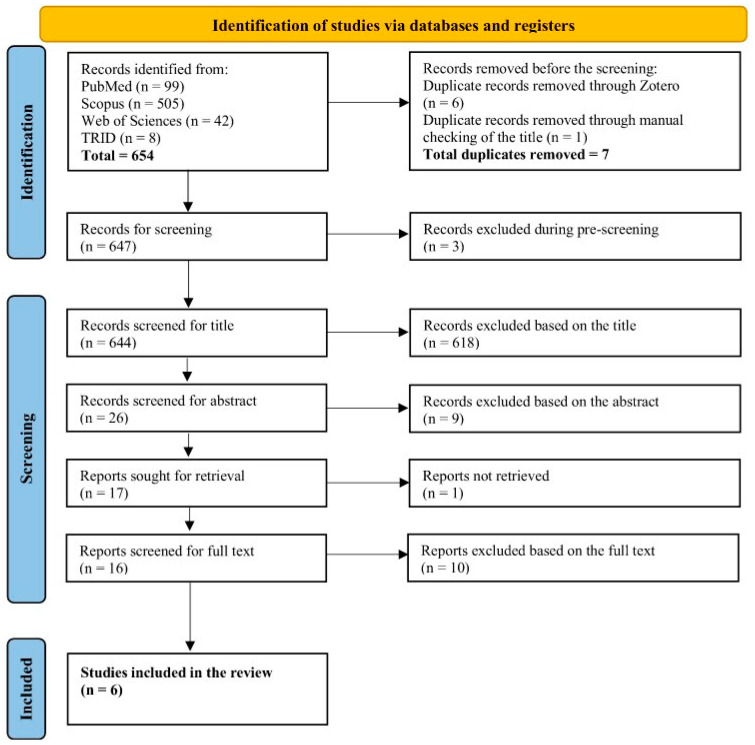 Figure 1
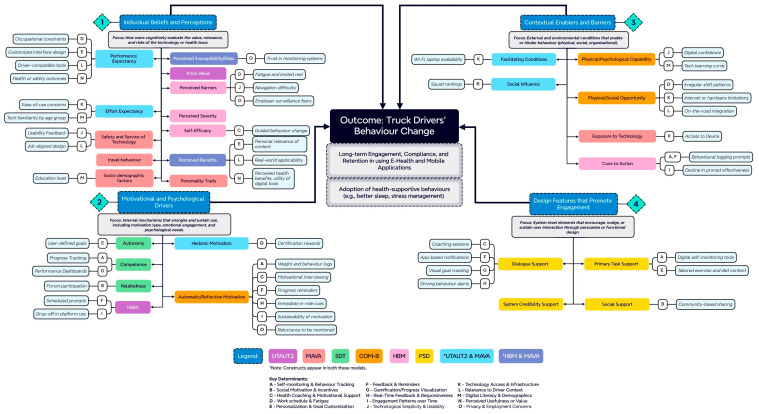 Figure 2
Peer Reviews
No public reviews on file for this paper yet. If you reviewed it on a platform where reviews are public (OpenReview, ICLR, NeurIPS, ICML), you can paste yours below so the community can read it here.
Videos
No videos yet. Explain this paper in a talk, walkthrough, or lecture? Add one.
Taxonomy
TopicsSleep and Work-Related Fatigue · Human-Automation Interaction and Safety · Traffic and Road Safety
1. Introduction
Truck drivers play an essential role in the logistics and transportation sector, facilitating the efficient and reliable movement of goods that sustain local economies and global supply chains [1,2]. Their contribution extends beyond freight delivery; they are indispensable to trade, commerce, and economic stability [3]. However, the profession faces a critical and worsening shortage of qualified drivers across Europe and globally [4,5]. This shortage has significant economic implications, contributing to supply-chain disruptions, rising freight costs, and delivery delays [6]. Addressing this workforce gap requires not only the recruitment of new drivers but also the retention and attention to the well-being of existing drivers, ensuring their long-term productivity and engagement in the sector.
The driver shortage is closely linked to the occupation’s demanding nature. Extended working hours, irregular schedules, prolonged sedentary periods, limited access to healthy food and healthcare, and chronic sleep deprivation contribute to widespread fatigue, obesity, cardiovascular disease, and mental health issues among truck drivers [7,8,9,10]. These health challenges are compounded by the structure of the job itself, in which drivers have no fixed workplace, spend long periods alone on the road, and have limited interaction with coworkers or supervisors. These working conditions reduce social support, strain coping capacity, reinforce unhealthy routines, and contribute to lower job satisfaction and higher turnover rate among truck drivers [9,11,12]. Cultural stigma and a prevailing “macho” work culture often discourage drivers from addressing health problems or seeking mental health support [13], further exacerbating poor health outcomes and contributing to attrition. Consequently, improving drivers’ physical and mental health is not only a matter of occupational safety and public health but also a strategic priority for addressing the European and global driver shortage.
In response to these challenges, digital health and mobile health (mHealth) interventions present promising tools to promote health, enhance safety, and strengthen retention among professional drivers. These health interventions provide accessible and scalable solutions for self-monitoring, health promotion, and fatigue management [14,15,16]. In occupational settings, such mHealth tools have been shown to improve drivers’ awareness of healthy behaviours and provide real-time feedback to support physical and mental well-being [14,16,17]. Recent advances in smartphone-based systems and digital technologies have further expanded the technical sophistication and sensing capabilities of mobile applications [18]. However, these developments often prioritise technical performance and system accuracy over sustained user engagement.
While many drivers express interest in adopting health apps, sustained engagement remains a challenge due to barriers such as digital literacy, privacy concerns, lack of personalisation, and poor alignment with real-world work conditions [19,20,21]. Many programmes remain confined to short-term behavioural prompts, such as brief reminders, one-time notifications, basic self-monitoring tasks, or simple health tips, and fail to incorporate the broader organisational and environmental stressors that shape truck drivers’ daily realities. These include organisational factors such as long shifts, irregular schedules, and workload pressure, as well as environmental constraints such as inadequate sleep facilities, limited healthy food options, and restricted access to safe parking [9,12]. Mental-health factors, including psychological stress, mental fatigue, and emotional exhaustion, are likewise underrepresented in intervention design, further limiting engagement and retention [12]. This pattern is further supported by recent adoption research demonstrating that technology adoption is shaped by the interaction of technological, organisational, environmental, and human factors, and that models focusing on technology alone systematically fail to explain sustained use in applied contexts [22]. As a consequence, without consistent engagement, even well-designed digital interventions fail to produce meaningful behavioural change [23].
As engagement is central to the challenges described above, this review clarifies how three related concepts are defined and used throughout the analysis. Compliance refers to the extent to which users follow recommended activities or protocols within digital interventions; retention denotes continued participation throughout the intervention or study period [24]; and engagement encompasses active, sustained interaction, including both behavioural and emotional involvement [25]. These conceptual definitions guided study selection, synthesis, and interpretation.
2. Study Objectives
This study aims to identify determinants at different levels (i.e., behavioural, technological, and contextual) that influence truck drivers’ compliance, retention, and long-term engagement with e-health and mobile applications in the transportation sector, using the PRISMA 2020 protocol. Additionally, it integrates these determinants within a theory-informed framework that connects empirical findings to established models of technology acceptance, behaviour change, and persuasive system design. This integrated approach provides both a descriptive understanding of factors influencing engagement and a conceptual foundation for developing sustainable digital-health interventions tailored to the occupational realities of professional drivers, ultimately enhancing health outcomes, job satisfaction, retention, and workforce sustainability [23,26].
Specifically, the study addresses the following research questions:
- What factors highly influence truck drivers’ compliance, retention, and engagement with e-health and mobile applications in the transportation sector?
- How do user demographics, preferences, and needs affect mobile application adoption and usage patterns?
- What are the key barriers and challenges that prevent users from accepting e-health and mobile applications in the transportation sector?
- 3.1How do these barriers and challenges differ across subgroups of truck drivers (e.g., age, experience, digital literacy, and driving context)?
- How can technology design features and system usability be leveraged to improve long-term engagement with e-health and mobile applications among truck drivers?
To support the interpretation of these research questions, this study employs multiple theoretical perspectives to guide the analysis of determinants at behavioural, technological, and contextual levels. These include technology-acceptance models such as the Unified Theory of Acceptance and Use of Technology 2 (UTAUT2) [27] and the Multi-Level Model on Automated Vehicle Acceptance (MAVA) [28]; behaviour-change theories such as Self-Determination Theory (SDT) [29,30,31,32], the Capability–Opportunity–Motivation Behaviour Model (COM-B) [33], and the Health Belief Model (HBM) [34,35,36]; and the Persuasive Systems Design (PSD) [37] framework. Table 1 summarises the frameworks and outlines their relevance to the study context.
These frameworks are used as interpretive lenses to organise, contextualise, and explain how behavioural, motivational, and technology design-related factors influence engagement, compliance, and retention in digital health contexts. For clarity, all theoretical constructs referenced in this review are defined in Appendix A.
3. Methodology
This study employed a systematic literature review to identify and synthesise determinants at the behavioural, technological, and contextual levels that influence truck drivers’ compliance, retention, and engagement with e-health and mobile applications. A systematic review was chosen over scoping or narrative approaches to ensure a structured, transparent, and replicable process for locating, evaluating, and integrating evidence [38,39]. Whereas scoping reviews broadly map a field without appraising study quality [40,41,42], the systematic review method ensures that the analysis is built on high-quality, peer-reviewed evidence, as it is widely recognised as the highest standard for evidence synthesis [43,44].
This systematic review was conducted and reported in accordance with the Preferred Reporting Items for Systematic Reviews and Meta-Analyses (PRISMA) 2020 protocol [45,46]. The completed PRISMA 2020 checklist is provided in Supplementary Materials, and the PRISMA flow diagram summarising the study selection process is presented in the Results.
A comprehensive search was conducted in PubMed, Scopus, Web of Science, and TRID, databases selected for their coverage of biomedical, multidisciplinary, and transportation research [47,48,49,50,51,52]. The search strategy was structured around the following key concepts: compliance, retention, user engagement, e-health, transportation sector, and truck drivers. The complete search string applied across all databases was:
- (compliance OR conformity OR observance OR commitment OR retention OR continuation OR engagement OR participation OR involvement OR motivation OR user adoption)
- AND
- (e-health OR digital health OR telemedicine OR mHealth OR online health OR virtual health OR electronic health)
- AND
- (transportation sector OR transportation OR transport sector OR transport OR mobility OR transit OR traffic systems OR traffic)
- AND
- ((truck OR heavy vehicle OR freight OR commercial OR long-haul OR professional OR logistics OR delivery) AND (driver* OR operator*))
Eligibility criteria required that studies:
- examined digital health interventions (e-health, mHealth, or telemedicine) involving truck drivers within the transportation sector;
- reported outcomes related to compliance, engagement, or retention; and
- were peer-reviewed, empirical articles published in English.
Conference papers, book chapters, editorials, retracted articles, and studies unrelated to digital health or truck driving contexts were excluded.
The database search was completed in February 2025, and all screening and data extraction activities were finalised in May 2025.
All records were exported to Zotero (Falls Church, VA, USA) for deduplication and organisation; subsequent title/abstract and full-text screening were managed in a customised Excel (Redmond, WA, USA) workbook designed to maintain a transparent, traceable workflow [53]. Screening decisions were recorded systematically with standardised reasons for exclusion at each phase (aligned to PRISMA 2020). As this review was conducted by a single primary screener, cases of uncertainty were flagged and resolved through consultation with secondary reviewers to ensure consistency and reduce subjective bias.
For each included study, a structured data matrix captured study design, setting, population, intervention type, digital platform, theoretical basis, outcomes, and key findings, alongside ethical-approval status and funding information reported by the original authors.
Critical appraisal tools are structured checklists used to assess the methodological quality, credibility, and potential bias of research studies by evaluating their design, data collection, and strategies for reducing bias [54,55]. Quality appraisal used design-appropriate tools: the Critical Appraisal Skills Programme (CASP) checklists for quantitative and qualitative studies [56,57] and the Mixed Methods Appraisal Tool (MMAT) for mixed-methods designs [58,59]. Studies were rated high, moderate, or low quality following established appraisal schemes. In line with the review’s aim to provide comprehensive coverage, no studies were excluded based on quality. Instead, appraisal ratings informed the interpretation and weighting of evidence during synthesis. As with screening, quality ratings were completed by the primary reviewer, with clarification sought from secondary reviewers in cases of doubt.
Interpretation was guided by the research questions and theoretical frameworks (UTAUT2, MAVA, COM-B, SDT, HBM, and PSD), which were used as interpretive lenses to relate empirical determinants to established constructs in technology acceptance, behaviour change, and persuasive system design.
Since this review synthesised previously published studies, no ethical approval was required. All data supporting the review are derived from the published literature; the extraction matrix and screening log are available from the corresponding author upon request.
To enhance methodological transparency, two aspects of the review process are explicitly acknowledged. First, the review was not prospectively registered. Second, study selection and data extraction were primarily undertaken by a single reviewer. Although registration and dual review are recommended best practices, they are not mandatory requirements of PRISMA 2020, and these aspects were addressed through careful supervision and transparency.
Importantly, the review was conducted under the close supervision of academic staff with methodological expertise. The review question, eligibility criteria, and analytic approach were predefined collaboratively by the reviewer and supervising academics prior to screening, and these criteria were operationalised using explicit decision rules. Conservative inclusion thresholds were applied when eligibility was uncertain, and a Supplementary Material detailing these decision rules is available. The absence of prospective registration and dual independent review is explicitly acknowledged as a limitation, and the findings are interpreted cautiously.
4. Results
4.1. Study Selection
A total of 654 records were identified through database searches. After removing seven duplicates via Zotero and manual checking, 647 records were screened by title and abstract, resulting in 17 articles sought for retrieval. One article could not be retrieved, leaving 16 studies for full-text eligibility assessment, during which ethical considerations were also reviewed. Of these, 10 studies were excluded for irrelevance to the population, intervention, or outcomes. A final set of six studies was included in this systematic review, and their quality was appraised to enhance methodological transparency. The PRISMA 2020 flow diagram, as shown in Figure 1, summarises the study identification and selection process.
A detailed analysis of exclusion patterns showed that most removals fell under the combined categories E1, E2, and E3 (n = 402), representing studies that did not meet core eligibility criteria related to population, sector, or intervention type. The second largest group, E1 + E3 (n = 138), included studies involving non-truck-driver populations or lacking a digital-health component. Single-category exclusions highlighted similar trends: E1 (n = 21) for population mismatch, E2 (n = 2) for studies focused on other transport sectors such as aviation or maritime, and E3 (n = 35) for interventions without an e-health component. Smaller numbers were excluded for basic ineligibility (E0, n = 3) or insufficient access to full text (E6, n = 1). Additional exclusions at full text corresponded to outcome misalignment (E4–E5) or unsuitable publication types (E7–E9). A complete list of exclusion categories and definitions is provided in Appendix B.
4.2. Characteristics of Included Studies
The included studies, published between 2016 and 2022, were conducted in the United States, Canada, and the United Kingdom. They employed quantitative (n = 3), qualitative (n = 1), and mixed-methods (n = 2) designs, reflecting varied methodological approaches to evaluating digital health interventions among professional truck drivers. Intervention types included mobile health coaching programmes, fatigue-monitoring and self-tracking tools, and mobile applications promoting physical activity and dietary improvement. Outcomes measured across studies focused on user compliance, engagement, and retention, alongside secondary indicators such as behavioural change, fatigue reduction, and health awareness. While only two studies explicitly referenced theoretical frameworks, most reported findings consistent with constructs from behaviour change, technology acceptance, and persuasive design theories. Overall, five studies were rated high quality and one moderate, reflecting a generally strong evidence base for synthesis. The characteristics of the included studies are summarised in Table 2.
In addition to describing the characteristics of the included studies, this review identifies the key research gaps within each study to clarify why existing digital health interventions for occupational truck drivers remain limited in addressing long-term compliance, retention, and sustained engagement. These gaps, as summarised in Table 3, highlight limitations in theoretical grounding, longitudinal evaluation, and occupational specificity, thereby supporting the need for the integrated synthesis and framework developed in this research.
4.3. Thematic Synthesis of Determinants
Thematic synthesis was conducted to identify, interpret, and integrate determinants of engagement, compliance, and retention across the included studies. The process involved sequential mapping of study findings to the predefined research questions and to the theoretical frameworks guiding this review, followed by a cross-study synthesis of determinants. The results of these analyses informed the development of the integrative framework presented in Section 4.3.4.
4.3.1. Mapping of Included Studies to Research Questions
Building on the characteristics of the included studies, each study’s contributions to the five predefined research questions are mapped in the current section, enabling a structured synthesis of evidence across key thematic areas. This mapping forms the analytical basis for cross-study comparison and the development of broader themes discussed in the following sections.
The mapping clarifies how each study contributes to the five research questions, capturing determinants related to engagement, compliance, and retention (RQ1); user demographics, preferences, and needs (RQ2); barriers to technology acceptance (RQ3); subgroup and contextual variations (RQ3.1); and the influence of technology design features on long-term use (RQ4).
Findings were interpreted in context according to study design and scope, especially where direct responses to the research questions were not available. Table 4 summarises this mapping and provides an overview of the determinants identified per theme, organised according to the corresponding research questions.
4.3.2. Mapping of Included Studies to Theoretical Frameworks
This section maps the synthesised findings from the included studies to the theoretical frameworks introduced in Section 2. The mapping illustrates how truck drivers’ engagement patterns, motivational factors, perceived barriers, and interactions with digital tools correspond to key theoretical constructs, thereby strengthening the interpretation of results and informing theory-based recommendations for digital health intervention design.
Each framework contributes distinct yet complementary insights across the research questions. UTAUT2 relates primarily to user demographics, expectations, and facilitating conditions influencing adoption; MAVA contextualises organisational and trust-related factors; SDT and COM-B explain motivational and behavioural mechanisms sustaining engagement; HBM captures perceptions of health risks, benefits, and barriers; and PSD links persuasive and design features to sustained digital health use.
Table 5 summarises the alignment of findings with the six theoretical frameworks based on the key constructs reflected in the study data.
Table 5 shows that empirical findings from the included studies align most strongly with constructs from UTAUT2, SDT, and COM-B, particularly those related to perceived usefulness, ease of use, motivation, capability, and opportunity. These constructs were reflected across multiple studies and contexts, indicating their central role in explaining both adoption and sustained engagement with digital health tools among truck drivers.
Constructs associated with MAVA and HBM were identified less consistently and were primarily reflected through contextual and perceptual factors, such as trust in automation, perceived control, perceived health risks, and perceived barriers. These constructs tended to emerge indirectly through reported concerns about monitoring, autonomy, fatigue, and work-related constraints rather than through explicit measurement.
Alignment with the PSD model was observed mainly in relation to primary task support, dialogue support, and social support features, while system credibility support was not directly reflected in the study findings.
4.3.3. Cross-Study Summary of Determinants Identified Through Mapping
To integrate evidence across all six included studies, this section consolidates the determinants that influenced truck drivers’ compliance, retention, and engagement with e-health and mobile applications. These determinants were derived from the thematic mappings presented earlier, covering engagement mechanisms, user characteristics, contextual barriers, and technological features, and represent the recurring behavioural and environmental factors shaping user interaction with digital health tools.
In total, 15 core determinants were identified, encompassing behavioural-level motivators (e.g., self-monitoring, feedback, personalisation), technological enablers (e.g., usability, access, perceived usefulness), and contextual constraints and enablers (e.g., work schedules, privacy concerns). Table 6 summarises these determinants, providing concise descriptions and indicating which studies reported supporting evidence.
This synthesis provides a comprehensive foundation for understanding the multilevel drivers of digital health engagement among professional drivers and serves as the basis for the integrative framework presented in the following section.
4.3.4. Integrative Framework Linking Theory and Empirical Determinants
This section synthesises constructs from six theoretical frameworks (i.e., UTAUT2, MAVA, SDT, COM-B, HBM, PSD) into four functional domains that collectively explain behavioural compliance, retention, and long-term engagement with digital health tools among truck drivers. The framework provides an integrated view of how individual beliefs, motivational processes, contextual factors, and design features interact to influence sustained technology use.
The four domains are summarised below:
- 1. Individual Beliefs and Perceptions
This domain captures the cognitive evaluations that shape initial openness toward digital health tools. Constructs such as performance expectancy, perceived benefits, and perceived barriers explain how drivers assess whether an intervention is worth adopting given their health needs, work demands, and perceived risks. In the reviewed studies, perceived usefulness and relevance to driving routines were decisive, whereas abstract health benefits or generic wellness messaging were insufficient. This domain, therefore, explains why drivers may initially accept or reject a health technology based on internal judgments and perceived needs, but it does not account for sustained use on its own.
Key constructs: UTAUT2/MAVA—Performance and effort expectancy; UTAUT2—Price value; MAVA—Safety and service of technology, travel behaviour, socio-demographic, personality traits; HBM/MAVA—Perceived susceptibility/risks, perceived benefits; HBM—Perceived barriers, perceived severity, self-efficacy.
(Note: Perceived severity is retained conceptually because it represents potential influences on adoption (i.e., fear of illness or preventive motivation) but was not directly associated with modifiable digital design factors or measurable determinants in the reviewed studies.).
2. Motivational and Psychological Drivers
Sustained engagement is primarily explained through this domain, which reflects the internal processes that maintain behaviour over time. Drawing on SDT and COM-B, this domain emphasises autonomy, competence, relatedness, and motivational regulation as central to long-term engagement. The framework highlights that engagement declines when drivers experience loss of control, excessive monitoring, or low confidence in using the technology, even if initial adoption occurs. Conversely, voluntary participation, self-paced use, and meaningful feedback support intrinsic motivation and habit formation. This domain explains what drives sustained behavioural action and user commitment, particularly in demanding work environments such as long-haul trucking.
Key constructs: SDT—Autonomy, competence, and relatedness; COM-B—automatic/reflective motivation; UTAUT2/MAVA—Hedonic motivation; UTAUT2—Habit.
3. Contextual Enablers and Barriers
This domain reflects external and environmental factors that enable or constrain technology use in real-world conditions and situates individual motivation within the occupational reality of trucking. Facilitating conditions, opportunity structures, and cues to action are shaped by work schedules, fatigue, regulatory requirements, organisational culture, and access to infrastructure. The framework demonstrates that motivation and capability are conditional on context: even highly motivated drivers disengage when tools conflict with shift patterns, require frequent interaction, or lack offline functionality. This domain answers the question: Under what circumstances can engagement occur, and what structural conditions hinder or support it?
Key constructs: UTAUT2/MAVA—Facilitating conditions, social influence; COM-B—Physical/psychological capability, physical/social opportunity; MAVA—Exposure to technology; HBM—Cues to action.
4. Design Features That Promote Engagement
This domain relates to system-level features and persuasive mechanisms built into the technology to encourage usage and interaction. Persuasive design mechanisms such as primary task support, dialogue support, system credibility support, and social support function as behavioural triggers that activate and reinforce motivation across time. Importantly, the framework positions design not as an independent driver but as a mediating layer that operationalises psychological and contextual determinants. For instance, features such as simplicity and adaptive feedback reduce cognitive load and support engagement under fatigue and time pressure. This domain answers how system design can nudge or sustain behaviour change through motivational triggers.
Key constructs: PSD—Dialogue support, primary task support, social support, system credibility support.
(Note: System credibility support remains conceptually represented but unlinked to empirical determinants, as none of the included studies directly assessed perceptions of credibility or trust in the digital platform itself.).
The framework, as shown in Figure 2, serves two main purposes. First, it provides a unified perspective for understanding the behavioural processes that underlie user engagement with digital health tools. Second, it integrates these theoretical constructs with empirically derived determinants from the systematic review, bridging theory and real-world evidence from occupational health and transportation contexts. Together, the framework demonstrates how individual beliefs, motivational drivers, contextual enablers, and persuasive design features interact to shape compliance, retention, and sustained engagement with digital interventions in the transportation sector.
5. Discussion
5.1. Study Quality, Characteristics, and Gaps in the Literature
The screening and inclusion process revealed critical insights into the state of digital health research for truck drivers. A large proportion of excluded studies fell under categories reflecting a lack of integration between health, technology, and transportation. Many addressed these domains independently, but not in a combined occupational framework, echoing findings that digital health interventions for mobile or logistically complex workforces remain underdeveloped [16,65]. These patterns highlight a persistent lack of occupationally specific digital health research focused on the target population, which is truck drivers.
The scarcity of digital health interventions tailored to truck drivers reinforces earlier evidence that the transport sector lags behind others, such as manufacturing or healthcare, in adopting mobile and connected health technologies [66,67,68]. Structural and logistical challenges, including the mobile nature of work, long hours, and limited access to digital infrastructure, continue to constrain innovation and implementation [66,69].
Several excluded studies also met the population and intervention criteria but did not focus on behavioural or implementation outcomes such as compliance, retention, or long-term engagement. Valentine et al. (2025) [23] noted a similar limitation in their meta-analysis, where studies frequently reported app efficacy but omitted sustained use metrics, which are critical for real-world adoption. These exclusions highlight an ongoing tendency in the literature to evaluate health technologies in terms of clinical outcomes while overlooking user behaviour and engagement in applied occupational settings.
Among the included studies, methodological diversity and limited theoretical grounding further restricted comparability and generalisability. Most research was conducted in North America and Western Europe, focusing on long-haul or freight drivers, mirroring the regional concentration reported in previous digital health reviews [17,65]. Quantitative designs such as those by Wipfli et al. (2019) [60], Levi-Bliech et al. (2019) [62], and Heaton et al. (2017) [61] provided structured outcome data but lacked contextual richness. In contrast, qualitative approaches like Greenfield et al. (2016) [14] and Versteeg et al. (2018) [64] captured detailed insights into user perceptions and workplace realities but were limited by small, non-representative samples. This aligns with observations by Valentine et al. (2025) [23], who argued that both qualitative and quantitative limitations contribute to underdeveloped design practices in persuasive digital health tools.
Relatively few studies employed mixed-methods designs, and even fewer grounded their interventions in established theoretical frameworks such as COM-B, UTAUT2, or SDT. This lack of theoretical grounding limits the interpretability of outcomes and weakens the capacity to generalise behavioural mechanisms. Similar critiques were raised by Olson et al. (2016) [67] and Virgara et al. (2024) [68], who emphasised the need for more theory-based, participatory approaches in health interventions targeting mobile populations. Wipfli et al. (2019) [60] was the only study implementing a multi-component intervention specifically tailored to truck drivers, highlighting a continued lack of purpose-built solutions that align with occupational constraints. Most other studies did not monitor user engagement beyond pilot testing, and while none explicitly stated the reason for this absence of long-term follow-up, their short study durations and single-phase designs suggest methodological or logistical constraints that limited extended evaluation [23,70]. Evidence from other occupational health contexts supports this interpretation, as limited funding cycles, compressed project timelines, and the difficulty of tracking mobile workforces often restrict the feasibility of long-term follow-up [67,68].
Finally, digital literacy and access to infrastructure were often mentioned as influencing factors but were not directly measured in most studies. Although this represents a methodological gap, it also reflects the early stage of digital health integration within the trucking industry. Callefi et al. (2022) [66] similarly noted that infrastructure readiness varies widely across regions and organisations, complicating standardised measurement efforts. However, the repeated mention of these variables, even if unreliable, highlights their perceived importance and suggests promising directions for more targeted measurement in future research.
Overall, the heterogeneity in study designs, the limited use of behavioural theory, and the scarcity of longitudinal data point to important directions for future research. A shift toward more integrated, user-centred, and longitudinal designs could enhance both the theoretical accuracy and practical relevance of digital health interventions for transport-sector populations.
5.2. Discussion of Synthesised Results
5.2.1. Determinants of Compliance, Retention, and Engagement in Context
The most frequently reported facilitators of engagement, including self-monitoring, feedback, and personalisation, align with behaviour change strategies shown to be effective in mobile health studies. Valentine et al. (2025) [23] identified self-monitoring and real-time feedback as persuasive design elements that significantly enhanced short-term engagement in digital health applications, although their long-term impact was limited without sustained motivational reinforcement. Similarly, this review found that initial compliance often declined not only because of occupational fatigue, irregular schedules, and limited recovery time on the road but also due to competing non-work demands that drivers must balance alongside participation in an intervention.
While behaviour change strategies such as coaching and self-monitoring produced moderate to large effects in weight loss interventions among truck drivers, dropout rates remained high because most programmes did not accommodate the mobile and time-constrained nature of drivers’ work [71]. A similar pattern was seen in the SHIFT programme [67], which achieved significant reductions in body mass index but experienced attrition rates exceeding 40%. The study did not include long-term follow-up beyond the programme period, so it remains unclear whether behavioural improvements were maintained or whether relapse occurred after the intervention ended. These limitations reinforce that interventions must align with drivers’ work conditions, such as long hours, limited rest opportunities, and fluctuating schedules, to maintain engagement beyond the initial phase.
Contextual barriers, including fatigue, time scarcity, and limited digital literacy, also disrupted ongoing participation. These findings correspond with Ng et al. (2015) [16], who noted that even well-designed interventions failed to sustain behavioural change among truck drivers unless occupational stressors and environmental constraints were directly addressed.
Autonomy, competence, and relatedness, the core constructs of SDT, were also central to drivers’ motivational engagement. Versteeg et al. (2018) [64] and Crizzle et al. (2022) [63] found that drivers were more likely to continue using digital health applications when they felt in control of their health decisions and confident in managing the technology. This supports Valentine et al. (2025) [23], who emphasised that persuasive design features alone are insufficient and that digital health tools must also meet users’ psychological needs to sustain motivation and long-term retention.
5.2.2. Occupational Constraints as Engagement Barriers
A range of work-related and environmental pressures limits drivers’ sustained engagement with digital health tools. Fatigue, limited digital literacy, and restricted time, which are conditions common in long-haul operations, emerged as persistent barriers across the included studies. These constraints are reinforced by the findings of de Winter et al. (2024) [70], who reported that Dutch truck drivers face considerable health-related challenges linked to their work environment, particularly chronic fatigue and restricted access to healthy food or exercise facilities. Similarly, Garbarino et al. (2018) [8] demonstrated a strong association between poor sleep hygiene, mental health issues, and disengagement from health-related behaviour change. These findings correspond to behavioural barriers outlined in the COM-B model, particularly reduced physical and psychological capability.
Additional evidence on occupational engagement barriers comes from a naturalistic trial that tested heart-rate-based drowsiness monitoring devices [72]. Although the wearable technology led to a measurable reduction in harsh braking events, its sensitivity in predicting real-time fatigue was limited. In addition, behavioural adjustments among drivers appeared to result more from the presence of the monitoring device than from the alerts themselves. This highlights the influence of perceived oversight and the psychosocial environment in shaping health-related behaviours among truck drivers.
5.2.3. User Readiness, Technology Simplicity, and Usability
Technological simplicity emerged as a cross-cutting determinant of engagement, particularly among older or less digitally literate drivers. These users were frequently excluded from more complex tools, reflecting patterns observed in developing-country mHealth deployments, where demographic factors limited adoption even when tools were technically accessible. Simplicity and perceived ease of use appear to be prerequisites for successful adoption, especially for users with limited digital skills.
Callefi et al. (2022) [66] offered a broader systems-level lens, describing 32 technology-enabled capabilities such as automation, real-time sensing, and connected monitoring systems that have the potential to transform freight transportation. In this study’s framework, these capabilities are not individual health interventions but sector-wide technologies with potential relevance for safety, efficiency, and well-being. They emphasised that actual implementation is constrained by varying levels of user readiness and contextual feasibility. Many of the high-readiness technologies, such as real-time health or vehicle monitoring, were not employed in the behavioural studies reviewed. This gap between technological availability and adoption suggests that tools must be better aligned with drivers’ competencies, motivational states, and the availability of organisational support. These findings support the synthesised results, which identified system usability and trust as critical engagement levers.
This aligns with findings that tools requiring frequent interaction or multitasking were generally less successful, even when they offered valuable health insights. For digital health interventions to be effective in trucking environments, usability must be adapted to both the cognitive load and ergonomic constraints faced by drivers.
Additionally, interventions that allowed flexible use, brief interactions, or integration into existing work systems, such as electronic logging devices (ELDs), achieved higher compliance rates. This reflects the conclusions of Hoque et al. (2020) [65], which emphasised that mHealth success in low-resource or high-demand contexts depends on simplicity, offline functionality, and minimal user input.
5.2.4. Social Identity and Autonomy in Health Interventions
A critical insight from Virgara et al. (2024) [68] concerns the framing of health interventions. Programmes that emphasise health deficits, such as weight or fatigue, can inadvertently stigmatise drivers and undermine their motivation to engage. The synthesised findings of this review, particularly those relating to autonomy, competence, and relatedness, align closely with this perspective. When drivers perceive themselves as being in control of their health and capable of using the intervention effectively, they are more likely to participate. In contrast, interventions perceived as employer-enforced or punitive, such as those involving surveillance features or mandatory check-ins, may adopt resistance and distrust.
These observations further support the relevance of SDT within the integrative framework. By focusing on intrinsic motivational drivers, rather than relying on external control mechanisms, digital health interventions can more effectively encourage sustained behavioural engagement.
5.2.5. Organisational and Policy-Level Influence
Beyond individual determinants, the synthesised findings highlight the critical role of organisational culture and regulatory frameworks in shaping the success of digital health interventions. Rathore et al. (2022) [69] identified several barriers to the adoption of digital innovations in freight companies, including fear of surveillance, lack of managerial support, and ambiguous data governance structures. These organisational challenges help explain why even well-designed health applications often face implementation difficulties. When digital interventions are perceived as tools for driver surveillance rather than as resources for personal benefit, drivers may disengage. This supports the theoretical implication that interventions perceived as intrusive or authoritarian can weaken relatedness and trust, thereby reducing retention.
Similarly, Callefi et al. (2022) [66] emphasised that the deployment of technology-enabled capabilities is often constrained not by the technologies themselves, but by institutional inertia, unclear policies, and fragmented decision-making within the freight sector. The synthesis of theoretical models in this study offers a useful lens through which to interpret these systemic barriers, suggesting that effective digital health strategies must extend beyond user-centred design to include coordinated efforts across multiple stakeholders.
5.2.6. Theoretical Coherence of the Integrated Framework
The integrated framework presented in Section 4.3.4 demonstrates that combining theoretical models allows for a nuanced interpretation of behavioural determinants. For example, the self-monitoring determinant aligns with PSD’s element of “primary task support” and simultaneously reflects cues to action from UTAUT2, automatic and reflective motivation from COM-B, and competence from SDT. Similarly, gamification and social incentives address hedonic motivation in UTAUT2 and the need for relatedness in SDT, respectively, reinforcing engagement through enjoyment and social connection.
However, several constructs included in the theoretical models, such as system credibility support, travel behaviour, and perceived severity, were not supported by evidence in the studies reviewed. This observation highlights a gap between theoretical frameworks and practical applications. It suggests that future research and intervention design should empirically assess the relevance of less frequently supported constructs before incorporating them into design guidelines.
Crucially, the framework emphasises that long-term engagement emerges from the interaction of all four domains, rather than from any single determinant. Individual beliefs influence initial adoption, motivation sustains behaviour, context constrains or enables use, and design features operationalise engagement strategies. This interactional structure explains why interventions that focus solely on persuasive features or behaviour change techniques often fail when occupational constraints are ignored.
5.3. Contextualising Advanced and Emerging Digital Health Systems
Recent advances in digital health technologies have expanded the range of tools available to support occupational health monitoring for professional truck drivers, particularly in contexts where mobility, irregular schedules, and limited access to traditional healthcare pose persistent challenges. Technologies such as wearable health devices, Digital Twin systems, telemedicine platforms, and artificial intelligence (AI)-enabled applications share a common emphasis on continuous data collection, remote monitoring, and data-driven health support, making them conceptually relevant to the engagement, compliance, and retention determinants identified in this review [73,74,75]. Rather than representing distinct or isolated solutions, these approaches can be understood as complementary components of an evolving digital health ecosystem for occupational driver populations.
Across these technologies, a central opportunity lies in their capacity to collect and integrate physiological, behavioural, and contextual data in real time. Wearable health devices and flexible sensor technologies enable unobtrusive, long-term monitoring of indicators related to fatigue, physical activity, and overall well-being, which is particularly suited to the mobile and physically demanding nature of truck driving [74,76]. When supported by Internet of Things (IoT) transmission systems and big data analytics, such data streams can be aggregated to inform personalised feedback, wellness prediction, and preventive health strategies [74,75]. Building on similar data infrastructures, Digital Twin technologies have been proposed as dynamic virtual representations that integrate sensor-driven data to simulate and monitor health states, offering more holistic and individualised insights for preventive and supportive interventions [77,78,79]. Telemedicine platforms further extend these capabilities by enabling remote consultations, follow-up care, and health monitoring, reducing barriers related to distance and time that are especially relevant for drivers with irregular schedules [73,80]. AI–enabled systems, beyond generative AI, have similarly been incorporated into digital health applications to process large and heterogeneous data streams, supporting personalisation, real-time monitoring, and predictive health analytics in mobile and remote populations [81,82].
Interpreted in light of the findings of this systematic review, the potential benefits of these advanced and emerging digital health systems are closely tied to the same engagement-related determinants identified across the included studies. While these technologies offer opportunities to support healthier lifestyles, improved health management, and preventive care for professional truck drivers, their effectiveness is unlikely to be realised through technical capability alone. Sustained engagement, perceived usefulness, user trust, transparency in data use, and compatibility with drivers’ work routines remain critical factors influencing compliance, retention, and long-term impact across wearable systems, Digital Twin approaches, telemedicine services, and AI-enabled applications [73,75,76,81]. Accordingly, these technologies are best viewed as enabling frameworks whose real-world value depends on how well they align with the behavioural, organisational, and contextual conditions shaping truck drivers’ everyday work environments.
6. Certainty and Strength of Evidence
The overall certainty of the evidence synthesised in this review is characterised as moderate to high. Five of the six included studies were rated as high quality, and one as moderate, based on structured appraisal using the CASP and MMATs. Despite methodological variation, the studies collectively provided credible insights into behavioural and technological determinants of engagement.
Several characteristics of the digital health evidence base require careful interpretation. Rapid technology evolution makes randomised controlled trials difficult to implement, resulting in reliance on observational or self-reported data that may introduce bias [83,84,85]. Many studies also reported only short-term outcomes, offering limited insight into the durability of behavioural change [20,25].
Considerable heterogeneity across interventions, ranging from mobile apps to wearable and web-based platforms, reduced comparability across studies [86,87]. The use of self-reported compliance and engagement measures introduces additional concerns related to recall and social desirability bias [88,89,90].
Despite this variability, the recurrence of key behavioural determinants, such as trust, ease of use, autonomy, and contextual fit, across diverse methodologies and settings supports the reliability of the synthesised findings. Although generalisability remains limited, the convergence of results across studies indicates that the core conclusions on engagement drivers among truck drivers are supported by moderately strong and trustworthy evidence, as reflected in established appraisal tools [57,59].
7. Limitations
Although this review followed the PRISMA 2020 framework to ensure transparency and objectivity, several limitations must be acknowledged that may affect the comprehensiveness and neutrality of the findings.
As noted in the Methodology, the review was conducted without prospective registration and with a single primary reviewer throughout the entire screening and review process. This increases the possibility of subjective judgement, particularly during full-text screening and data extraction. However, safeguards were applied to mitigate these risks. Uncertainty was not frequent, but when it occurred, decisions were discussed with secondary reviewers to verify interpretations and ensure consistency. All screening decisions and appraisal notes were systematically documented to maintain transparency and traceability throughout the review process. Published methodological guidance also recognises that single screening can be acceptable in focused or resource-constrained reviews when supported by verification steps and clear documentation [91].
Second, restricting the review to English-language, peer-reviewed articles introduces potential language and publication bias. This decision was driven by accessibility and resource-related constraints, as translation or multilingual screening was not feasible within the scope of this review. The restriction, therefore, reflects practical considerations rather than any assumption of higher quality in English-language publications [92,93].
Third, the database selection was guided by methodological relevance rather than breadth alone. PubMed, Scopus, Web of Science, and TRID were chosen because they collectively cover biomedical, multidisciplinary, and transport-specific literature, offering strong alignment with the review’s aims. While additional repositories or grey-literature archives might have identified further records, expanding the search beyond these core databases would have required substantial screening of low-yield sources, which was not feasible within the scope of this review. The selected databases, therefore, provided a balanced strategy, ensuring high relevance and manageable volume without compromising methodological rigour.
Despite these limitations, the review process was conducted using a structured, replicable, and transparently documented workflow aligned with PRISMA 2020 reporting standards [45,46]. These measures enhance confidence in the reliability of the findings while acknowledging the constraints inherent to a single-reviewer systematic review.
8. Future Research
From a broader perspective, this systematic review contributes to an emerging body of evidence highlighting engagement, compliance, and retention as central challenges in digital health interventions for professional truck drivers. Rather than pointing to the superiority of specific technologies or intervention types, the findings highlight the importance of behavioural, organisational, and contextual factors that shape sustained use across diverse digital health approaches. This perspective suggests that technological innovation alone is unlikely to address persistent health and retention challenges within the trucking sector unless accompanied by careful consideration of drivers’ working conditions, routines, and lived experiences.
The review also highlights the fragmented and intervention-specific nature of the current evidence base, with limited synthesis across technological, behavioural, and contextual dimensions. Viewed through this lens, the value of the existing literature lies less in demonstrating definitive effectiveness and more in revealing recurring patterns that inform how digital health tools are adopted, used, and discontinued in real-world settings. As digital health technologies continue to evolve, this perspective emphasises the need to interpret emerging solutions in relation to these underlying determinants, rather than as standalone innovations.
9. Recommendations
The findings of this systematic review highlight several principles to guide the design and implementation of digital health interventions for mobile and occupationally constrained populations such as truck drivers. These recommendations are intended for digital health designers, developers, practitioners, and sectoral stakeholders seeking to build context-aware and sustainable mHealth tools.
Across the six included studies, engagement and long-term retention depended strongly on how well interventions aligned with the realities of trucking work—irregular schedules, isolation, and inconsistent internet connectivity. Programmes that failed to accommodate these conditions showed lower adoption or higher dropout rates. To support sustained use, interventions should allow flexible timing, brief interactions, and offline functionality, and should avoid requiring uninterrupted attention during shifts.
Simplicity and accessibility were consistently associated with higher engagement. Applications requiring minimal user input and offering clear feedback, self-monitoring, and goal-setting, particularly when paired with motivational or coaching support, reinforced continued use [14,60,63]. To increase retention in practice, designers may incorporate:
- automated data capture rather than manual input,
- micro-interactions (e.g., 10–20 s tasks during breaks),
- adaptive reminders that adjust to trip length or driver fatigue, and
- optional check-ins instead of fixed daily tasks.
Privacy and autonomy also emerged as critical determinants of adoption, with drivers avoiding tools perceived as employer-controlled. Developers should prioritise transparent data practices, clear consent pathways, and user control over information sharing to build trust.
PSD features such as gamification, progress tracking, and reminders can enhance motivation when used sensitively to support autonomy rather than surveillance. Because digital literacy varies widely, intuitive interfaces, simple navigation, and brief onboarding are essential to lower barriers for less tech-confident users [61].
At the sectoral level, digital health tools should integrate seamlessly with work routines and existing systems, such as electronic logging devices (ELDs), to reduce friction and ensure usability [63]. Organisational policies promoting ethical data governance and user privacy protections are important to address surveillance concerns and encourage participation. Collaboration among developers, logistics companies, and policymakers can support standardised data practices and promote equitable access, particularly for independent drivers.
Future research should focus on longitudinal, theory-informed studies to better understand sustained engagement mechanisms. Comparing engagement across platforms and examining demographic or cross-cultural differences could reveal design features that drive long-term retention. Research on onboarding, training, and co-design with drivers and employers will further strengthen the relevance, usability, and scalability of digital health tools across the transport sector.
10. Conclusions
This systematic review aimed to identify and synthesise behavioural, technological, and contextual determinants influencing truck drivers’ compliance, retention, and long-term engagement with digital health and mobile applications. Through a systematic literature review following the PRISMA 2020 protocol, six eligible studies were identified and analysed, reflecting a small but methodologically diverse evidence base focused on occupational digital health interventions for professional drivers.
Across the included studies, sustained engagement was consistently associated with interventions that aligned with drivers’ occupational realities and supported autonomy, usability, and routine compatibility. Key determinants included self-monitoring, real-time feedback, goal-setting, coaching or motivational support, and technological simplicity. In contrast, engagement and retention were undermined by technological complexity, high interaction demands, limited digital literacy, privacy concerns, and misalignment with irregular schedules, fatigue, and constrained work environments. These findings demonstrate that engagement is shaped not by technological capability alone, but by the interaction between behavioural motivation, system design, and contextual conditions.
These insights were mapped onto an integrative framework that combined elements from the UTAUT2, MAVA, SDT, COM-B, HBM, and PSD, offering a comprehensive overview of how individual beliefs, motivational drivers, contextual enablers, and persuasive design features interact to shape compliance, retention, and sustained engagement with digital interventions in the transportation sector. The framework highlights that long-term engagement emerges from the combined effect of these domains rather than from any single intervention component.
Despite generally moderate to high study quality, the review also revealed important gaps in the literature, including limited longitudinal evaluation, inconsistent theoretical grounding, and a narrow focus on short-term outcomes. These limitations highlight the need for future digital health interventions and evaluations to better reflect the unique occupational realities of the trucking workforce and to prioritise sustained engagement as a primary outcome.
Overall, this review contributes a structured synthesis of engagement determinants and a theory-informed framework to guide the design, evaluation, and interpretation of digital health interventions for truck drivers. By emphasising contextual fit, autonomy, and usability, the findings support more realistic and sustainable approaches to improving health, well-being, and retention in the transport sector.
The reference list from the paper itself. Each links out to its DOI / PubMed record.
- 1Anthony K. The Evolving Landscape of Trucking: Challenges, Innovations, and Future Trends. Global Trade Magazine Available online: https://www.globaltrademag.com/the-evolving-landscape-of-trucking-challenges-innovations-and-future-trends/(accessed on 31 May 2025)
- 2ATOS-MA Highway to Growth: The Economic Impact of Road Freight. Across the Ocean Shipping Available online: https://atoshipping.com/highway-to-growth-the-economic-impact-of-road-freight/(accessed on 5 May 2025)
- 3World Bank IRU Road Freight Transport Services Reform World Bank Washington, DC, USA 201610.1596/25853 · doi ↗
- 4IRU Global Truck Driver Shortage to Double by 2028, Says New IRU Report Available online: https://www.iru.org/news-resources/newsroom/global-truck-driver-shortage-double-2028-says-new-iru-report(accessed on 15 May 2025)
- 5Keating D. EU Needs 500,000 Drivers Urgently, Truck and Coach Companies Ask ME Ps for Solutions Euractiv Available online: https://www.euractiv.com/section/eet/news/eu-needs-500000-drivers-urgently-truck-and-coach-companies-ask-meps-for-solutions/(accessed on 15 May 2025)
- 6Meller A. Truck Driver Shortage—Causes and Risks|MT Onroad Available online: https://mtonroad.com/news/truck-driver-shortage---causes-and-risks(accessed on 15 May 2025)
- 7Clemes S. Varela Mato V. Bodicoat D. King J.A. A multicomponent structured health behaviour intervention to improve physical activity in long-distance HGV drivers: The SHIFT cluster RCT Public Health Res.202210117410.3310/PNOY 978536753575 · doi ↗ · pubmed ↗
- 8Garbarino S. Guglielmi O. Sannita W.G. Magnavita N. Lanteri P. Sleep and Mental Health in Truck Drivers: Descriptive Review of the Current Evidence and Proposal of Strategies for Primary Prevention Int. J. Environ. Res. Public Health 201815185210.3390/ijerph 1509185230150599 PMC 6164547 · doi ↗ · pubmed ↗