Stress Responses in Dressage Horses: Insights from FEI Noseband Measurements Across National Competition Levels
Simona Fialová, Dana Kuřitková, Eva Sobotková

TL;DR
This study found that dressage horses show more stress behaviors as competition levels increase, with higher-level horses displaying fewer but more frequent stress indicators.
Contribution
The study reveals a shift in stress behavior patterns across competition levels and a disconnect between stress indicators and judging scores at higher levels.
Findings
Horses in higher-level competitions showed fewer types of stress behaviors but exhibited them more frequently.
Mouth opening became the predominant stress indicator in advanced competitions.
Judging scores at higher levels did not reflect the amount of stress behavior displayed by horses.
Abstract
This study examined visible signs of stress in dressage horses competing at national levels. Using the FEI Noseband Measuring Device, more than 200 horse–rider pairs were evaluated for noseband tightness, type of bridle, and easily observable behaviors such as mouth opening, tail swishing, or changes in head–neck position. Although almost all horses had correctly fitted nosebands, the frequency and type of stress-related behaviors differed across competition levels. Horses in lower-level tests showed a wide range of behaviors, while horses in higher-level classes displayed fewer types of behaviors but showed them more often. As the difficulty of the tests increased, stress indicators also increased. Importantly, at the higher levels, the judges’ scores no longer reflected how much stress behavior the horses showed during their performance. This pilot study investigated stress-related…
Genes, proteins, chemicals, diseases, species, mutations and cell lines named across the full text — each resolved to its canonical identifier and authoritative record.
Click any figure to enlarge with its caption.
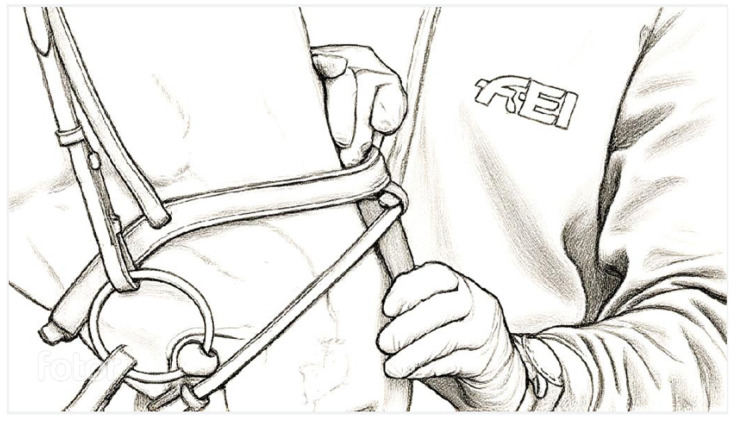 Figure 1
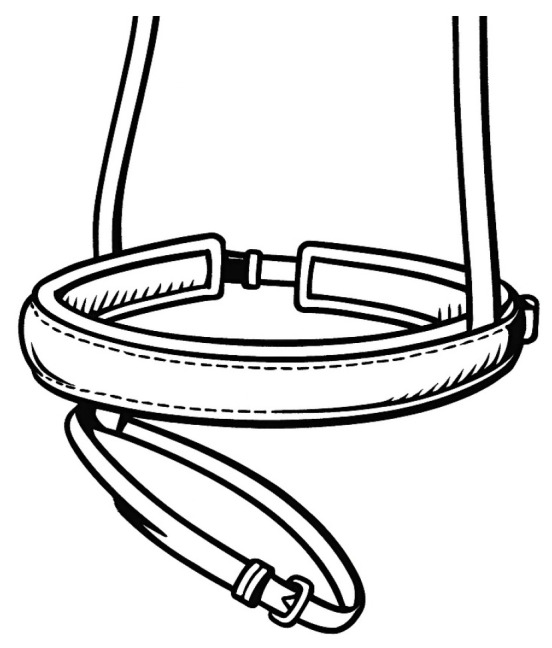 Figure 2
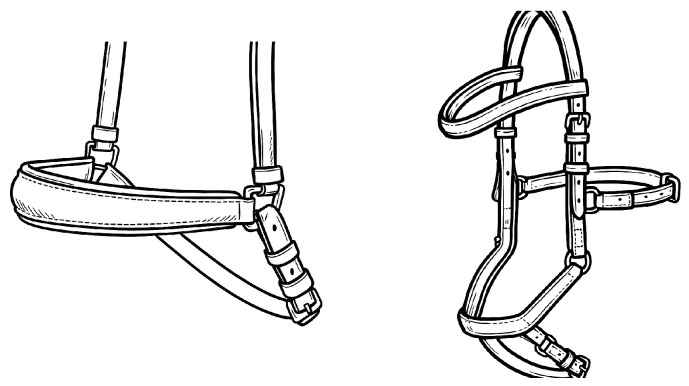 Figure 3
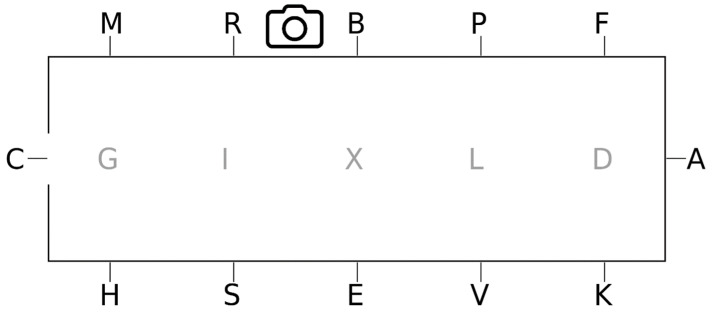 Figure 4
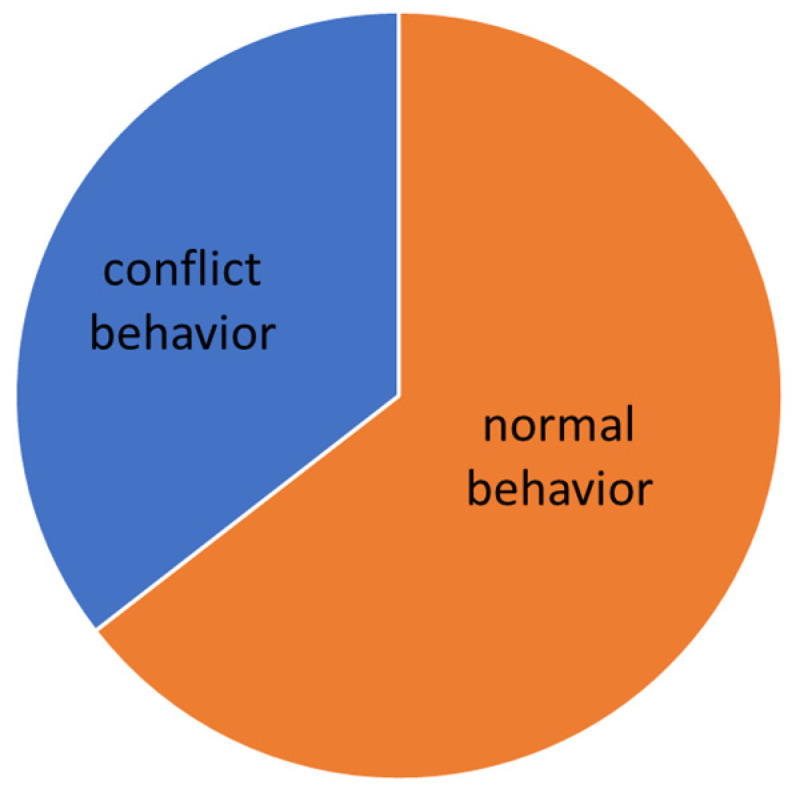 Figure 5
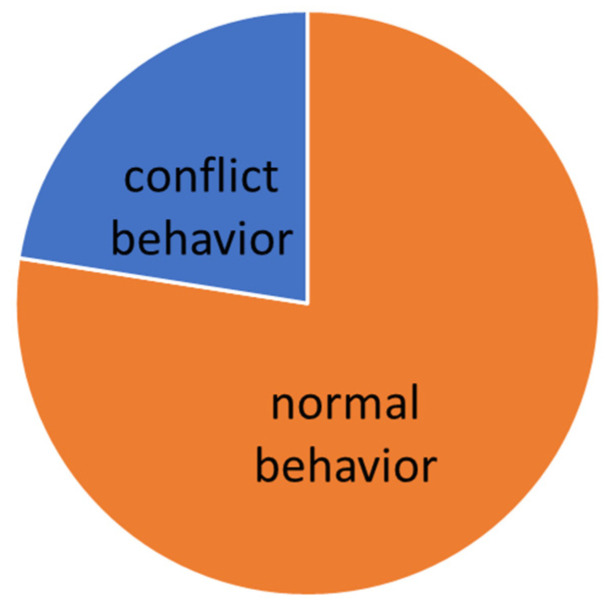 Figure 6
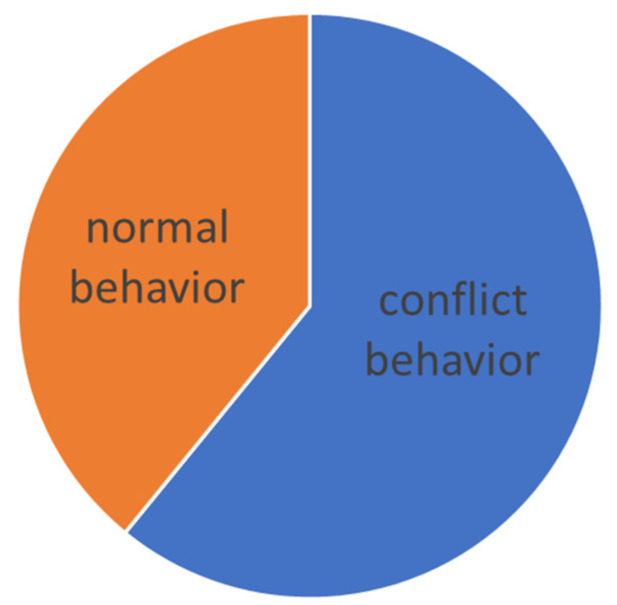 Figure 7
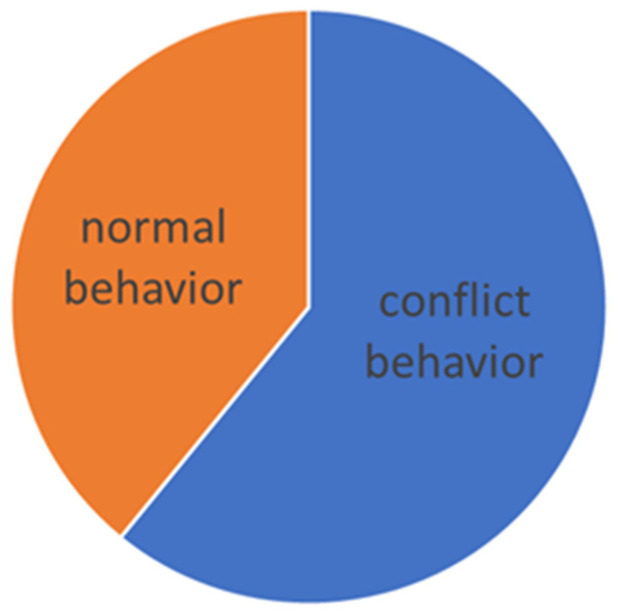 Figure 8
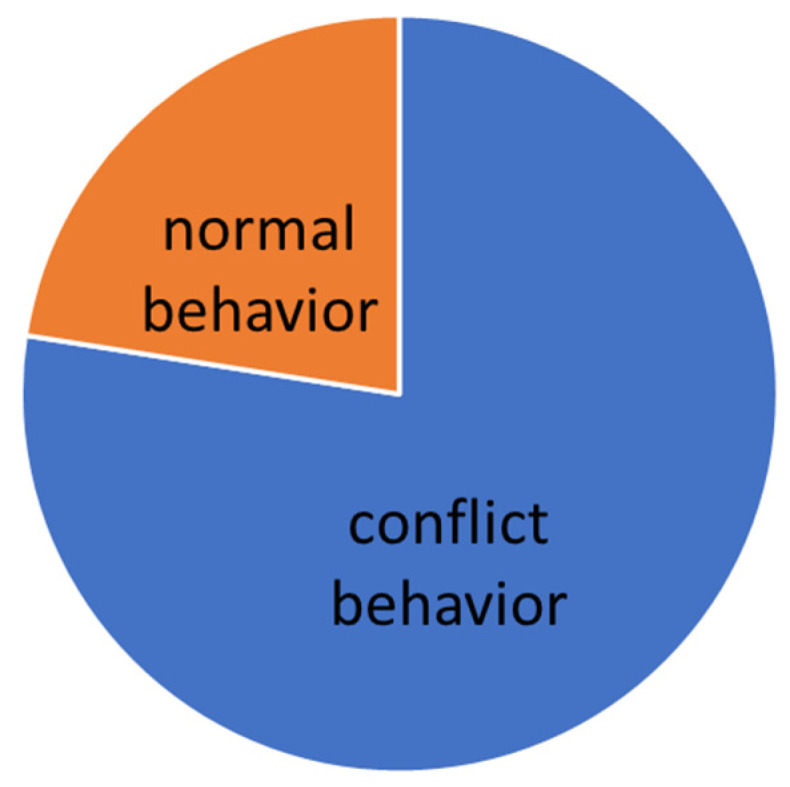 Figure 9
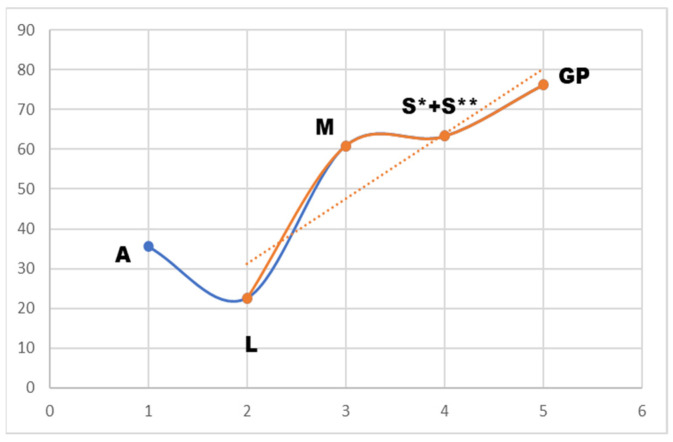 Figure 10
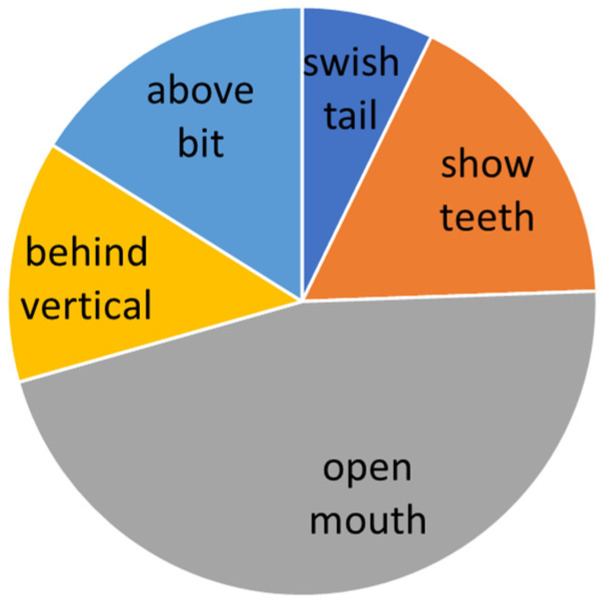 Figure 11
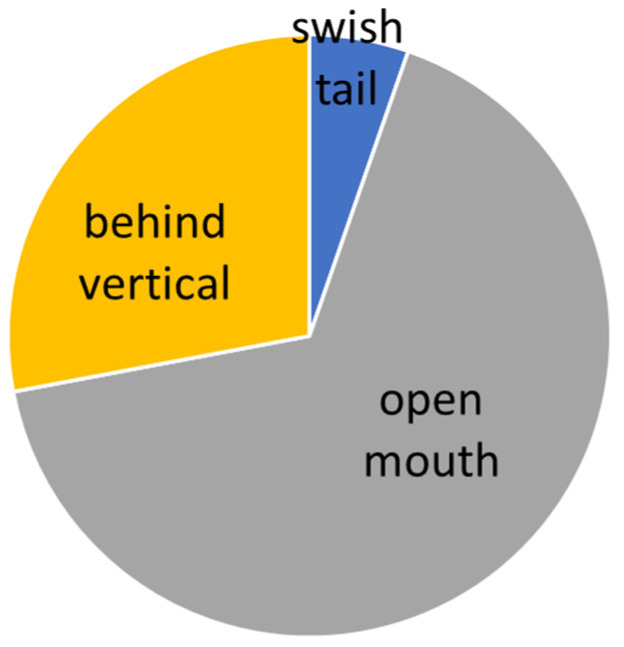 Figure 12
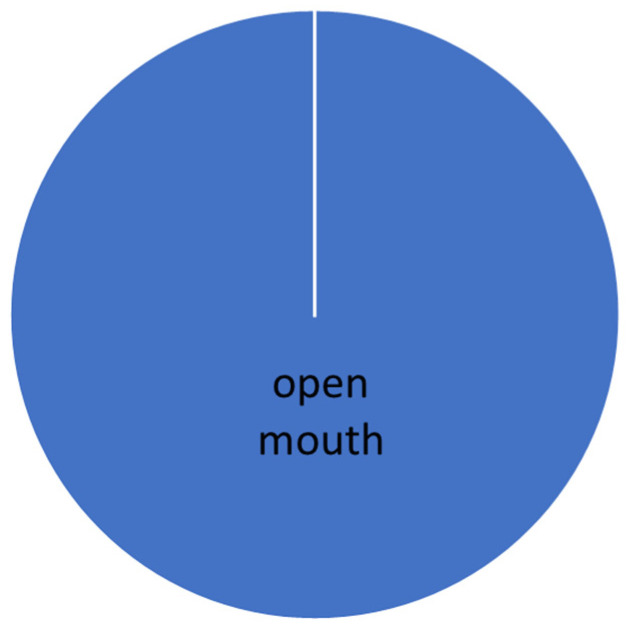 Figure 13
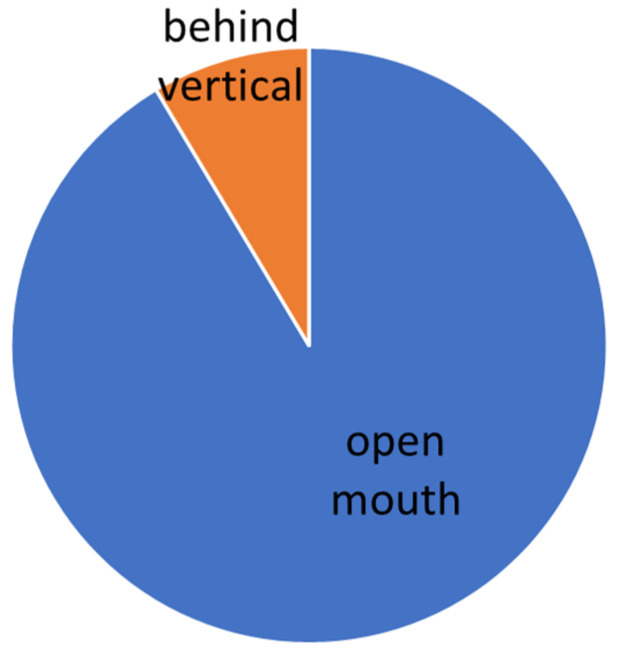 Figure 14
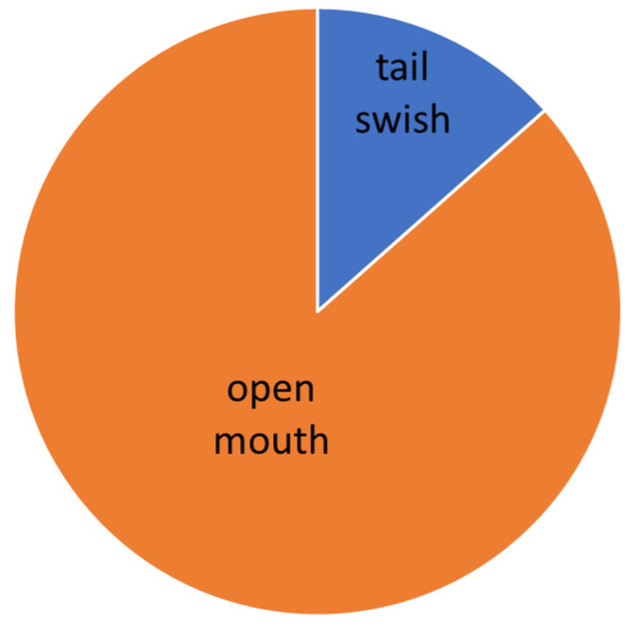 Figure 15
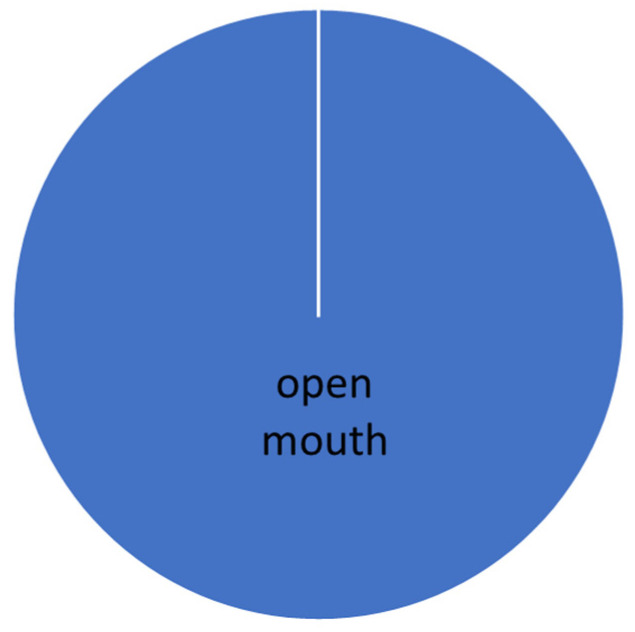 Figure 16
Peer Reviews
No public reviews on file for this paper yet. If you reviewed it on a platform where reviews are public (OpenReview, ICLR, NeurIPS, ICML), you can paste yours below so the community can read it here.
Videos
No videos yet. Explain this paper in a talk, walkthrough, or lecture? Add one.
Taxonomy
TopicsVeterinary Equine Medical Research · Exercise and Physiological Responses · Animal Behavior and Welfare Studies
1. Introduction
The most prominent topic in recent years concerning the welfare of horses in competitive sports is so-called stress-related behavior. In general, any sporting use of horses is unnatural and therefore causes stress. Stress can only be eliminated by removing the stressful situation—which is not possible in the case of a sport horse—or through habituation. Habituation is a natural process of reducing the response to repeated stimuli, allowing the organism to conserve energy and focus on new, more important information or changes in the environment. Like any living organism, the horse has a strong ability to adapt to stimuli. Research on pain in animals [1] has shown that animals can use their internal state (e.g., a painful experience) for learning, decision-making, and behavior modification, and they are willing to make sacrifices to avoid these unpleasant states. Equestrian training is based on exploiting this ability. According to behavioral scientists, there are four methods of motivation:
- Negative reinforcement
- Positive reinforcement
- Positive punishment
- Negative punishment
Most equestrian sports training relies mainly on techniques classified as “negative” in learning theory. The most common is negative reinforcement. These methods often produce clear and consistent responses, so they are widely used. The principle is simple: the rider applies pressure, such as with the leg, spur, or bit. The pressure is released when the horse performs the desired response. During early learning, horses may show temporary behaviors linked to discomfort or uncertainty. These include tail swishing, mouth opening, or evasive head–neck positions. Such behaviors are natural reactions to pressure and are relevant indicators of ridden behavior.
This study does not examine training methods. It focuses only on visible behaviors that may be associated with stress during ridden work. Stress in horses can be assessed scientifically in several ways. Animals experiencing stress may display abnormal behaviors [2,3], excessive hormone release [4], decreased performance [5], or various health issues [6]. Physiological measurements, such as cortisol levels in blood [4], saliva [7], or fecal metabolites [8] provide additional information. Heart rate and respiration are also useful indicators [9]. External behavioral signs [1,3] are easy to observe, even for less experienced individuals. For this reason, they are widely discussed in relation to equine welfare.
According to FEI rules, the goal of dressage is a horse that responds to subtle aids without resistance [10]. Horses must perform physically demanding exercises requiring coordination, balance, and strength. They do so in competition environments that may be unfamiliar. Equipment such as the saddle and bridle applies various pressures to the body. Bit pressure on the tongue and lower jaw can cause some horses to open their mouth to relieve the bit pressure. The noseband, a standard part of the bridle, limits excessive mouth opening and stabilizes the bit.
Several studies have examined the distribution of pressure under different parts of the bridle. These studies report the highest pressure behind the ears [11]. Significant pressure also occurs on the lower jaw where the noseband or curb chain lies. Pressure on the nasal bone tends to be lower [11]. Measurements with sensors show that mouth opening changes the pressure applied by the noseband [11]. To support standardized checks, the FEI introduced a certified device for measuring noseband tightness [12]. Its purpose is to ensure that tightness at rest remains within acceptable limits. Since the noseband tightness checks at its competitions were introduced, the focus was on the highest levels of the dressage sport. The main study was presented by Australian researchers about the Amsterdam competition in 2025 [13].
Questions remain about how noseband tightness and bit pressure influence behavioral expression. Some studies report that horses with tighter nosebands open their mouths less frequently. Mouth opening is one of the most visible indicators of discomfort. A reduction in this behavior, however, may not indicate the absence of stress. It may simply reflect a change in how stress is expressed. Rein contact can be described using measurable pressure values. One study reports bit pressures corresponding to forces from approximately 0.2 to 8 kg, depending on bit type and rein tension [14].
This study does not aim to evaluate welfare comprehensively. It documents visible behavioral indicators across different competition levels. It also highlights areas where further research is needed. A similar study on a smaller number of horses was conducted at British local competitions by the authors [15]. Their findings concluded that conflict behaviors in horses were nearly universal (precisely 94.8%) regarding mouth opening across all levels and bridle types—a truly dramatic result.
The aim of this study was to characterize stress-related behaviors in dressage horses at different national competition levels (Table 1). It also aimed to assess their association with noseband type, bridle configuration, and test performance.
2. Materials and Methods
The measurements [16] were carried out over several competition days. Noseband tightness was evaluated on-site in a yes/no format (whether the measuring device passed or not), along with the type of noseband (Figure 1, Figure 2 and Figure 3) and bit.
2.1. Noseband Tightness Measurements
All horses were checked during warm-up and preparation for the competition (see Figure 1). The measurement results were clearly presented in graphs and tables, evaluating all correlations with respect to the level of difficulty and the horses’ negative responses to rider aids.
2.2. Video Analyses
Video documentation was recorded during the competition from a single point on the long side of the arena (between R and B) with sufficient resolution, and stress-related behaviors were subsequently analyzed over time (see Figure 4).
To avoid starting the evaluation with a negative note, it should be emphasized that out of all 238 observed pairs (Table 2), only 2 were flagged for having a noseband tightened beyond the recommended level, requiring greater effort to pass the FNMD. Both pairs immediately adjusted the tightness on their own initiative, so it can be stated that all assessed pairs had nosebands tightened in accordance with FEI regulations. The number of horses at each level is shown in Table 2.
The relatively small number of horse–rider combinations at the highest competition levels (S*, S**, GP) reflects the nature of national-level competitions, where participation in elite classes is generally limited. Unlike international FEI events, national competitions are characterized by a broad base of entries at lower and medium levels and a substantially smaller number of combinations competing at the highest levels.
2.3. Statistics
All analyses were conducted in STATISTICA CZ version 14. Within each competition level, the effect of noseband type on time spent in conflict behavior (stress time) was tested using one-way ANOVA when assumptions were met. When ANOVA was significant (A and L level), Tukey HSD was used. The effect of noseband type on percentage score was analyzed in the same way. Correlations between percentage score and time in conflict behavior were quantified using Pearson’s r; Spearman coefficients are provided where applicable. Statistical significance was set at .
2.4. Ethical Considerations and Data Handling
This study consisted solely of non-invasive behavioral observations conducted during regular national dressage competitions, which do not require formal ethical approval under national guidelines. All riders or horse owners provided verbal informed consent prior to participation. Data were recorded in anonymized form, each horse–rider pair was assigned a numerical code, and no identifying information was included in the analysis. The identification key was accessible only to the authors, and all data were stored securely on password-protected institutional servers.
3. Results
Results are presented by competition level with descriptive summaries of stress-related behaviors. Because noseband tightness showed insufficient variability (all combinations complied with FEI regulations), meaningful assessment of its tightness association with behavior was not possible; however, there was a meaningful influence on the amount of conflict behavior during the test, see Table 3.
However, the level of competition had a significant impact on the type and frequency of conflict behaviors. The main impact on the percentage scores has conflict behavior in low-level competitions (A and L levels). From M level higher, the percentage scores did not reflect the increasing amount of conflict behavior in the test, since more focus is on the technical presentation of the prescribed movements and figures. This trend in the lack of correlation between higher scores and horses being ridden behind the vertical at national levels [17] and international FEI levels [18] has also been confirmed by other studies focused solely on this phenomenon.
The evaluation was carried out according to the individual levels of difficulty. The manifestation of conflict behavior distribution to the normal behavior in different levels of dressage classes is presented graphically (see Figure 5, Figure 6, Figure 7, Figure 8 and Figure 9).
Figure 10 illustrates a clear increasing trend in the amount of conflict behavior with rising test difficulty. However, this pattern was not reflected in the performance scores, as shown in Table 4.
3.1. Summary of Statistical Outcomes (Per Level)
Elementary (A)
Noseband effect on stress time is significant: .
Post hoc: ; .
KW significant: .
Correlation score × time: .
Basic (L)
Noseband effect is significant: .
Post hoc: ;
KW significant: .
Correlation: .
Medium (M)
Noseband effect not significant: .
Correlation: .
S + S***
Noseband effect not significant for stress time:
.
Effect on score is significant: .
Correlation: .
Grand Prix (GP)
Not enough cases for noseband comparison.
Correlation: .
Across all levels
Level effect is significant for stress time: .
Tukey:
Effect on percentage score borderline: .
No corresponding relationship between conflict behavior and awarded marks was observed in the higher-level classes, see Table 4.
3.2. A Level
On A level (elementary movements in walk, trot, and canter), where the use of a double bridle is forbidden, the general number of total conflict behavior sets to 35.5%. The variety of conflict behavior seems to be typical for “green” horses, see Table 5. Interesting findings come from the statistics, where there is a good correlation between the lower scores and time spent in conflict behavior during the test (Table 4). It was also proven that the effect of the chosen noseband type, where the most restrictive type of noseband (Swedish crank with flesh—Figure 3) caused lower signs of stress in the performance (Table 3).
3.3. L Level
On L level (lateral work in trot, simple changes, counter canter), where the use of a double bridle is forbidden, the general number of total conflict behavior decreases to 22%. The variety of conflict behavior remained typical for “snaffled” horses, see Table 6. Also, on the L level, there is a good correlation between the lower scores and time spent in conflict behavior during the test. Proved was also the effect of the chosen noseband type, where the most restrictive type of noseband (Swedish crank with flesh—Figure 3) caused lower signs of stress in the performance.
3.4. M Level
On M level (lateral work in trot and canter, counter canter, flying changes), where the use of a double bridle is optional, the general number of total conflict behavior jumps up to 61%, while horses on the double bridle showed 68% when horses on snaffle bit only 57%, see Table 7. What has changed is the layout of conflict behavior when the open mouth and tail swishing were abandoned for “doublebridled” horses, while “lower-levels” signs of stress remained for “snaffled” horses, see comparison in Figure 11 and Figure 12. Statistics showed from M level higher, low to no correlation of the noseband choice with the results (Table 3). The same tendency was visible in between the resulting scores and the amount of conflict behavior during the test (Table 4).
3.5. S* + S** Level
On S level (lateral work in trot and canter, series of flying changes (4, 3, 2), canter pirouettes), where the use of double bridle is optional, the general number of total conflict behavior increases to 63.3%. The layout of conflict behavior has significantly changed and reduced to open mouth and behind vertical, as shows Table 8. What is interesting is the absence of horses behind vertical for “doublebridled” horses, so their stress was shown only by open mouth (see comparison in Figure 13 and Figure 14), where only differentiation of conflict behavior is shown. No link between the percentage results and time spent in conflict behavior was confirmed (see Table 4).
3.6. GP Level
On GP level (lateral work in trot and canter, series of flying changes (2, 1), canter pirouettes, piaff, passage), where the use of double bridle is optional, the general number of total conflict behavior increases to 76.2%. The layout of conflict behavior has significantly changed and reduced, visible in Table 9. What is interesting is the absence of horses’ tail swishing for “doublebridled” horses, so their stress was shown only by open mouth, see comparison in Figure 15 and Figure 16. No correlation between the percentage results and time spent with conflict behavior was confirmed, see Table 4.
4. Discussion
Stress in competition horses is influenced by performance, environmental change, and management conditions. These factors may contribute to behavioral variation and limit attribution of stress indicators solely to the ridden test.
The results show a clear increase in stress-related behaviors with rising test difficulty. A decrease was observed only between the Elementary and Basic levels, likely reflecting early habituation and improved understanding of basic aids. At the lowest levels, horses showed a broad range of behaviors, including head–neck issues, vocalization, reluctance to move, and contact-related responses.
From Medium level onward, conflict behaviors increased markedly. Higher levels were characterized by fewer behavior types but higher frequency. Mouth-related behaviors dominated. Behaviors linked to misunderstanding or separation largely disappeared, suggesting a shift from general stress responses to contact-related indicators under higher technical demands.
Noseband tightness could not be evaluated due to minimal variation, but noseband type influenced behavior in lower levels. At levels where double bridles were optional, horses ridden in a double bridle showed more conflict behavior. Performance scores did not reflect the amount of stress behavior shown from the Medium level upward.
These findings demonstrate that test difficulty and equipment choice influence the expression of stress-related behaviors in dressage horses. Further controlled studies are needed to isolate equipment effects, training factors, and management conditions and to support welfare-oriented recommendations for all competition levels.
5. Conclusions
This study demonstrates that stress-related behaviors in dressage horses increase with test difficulty. At lower levels, horses show a wide range of behaviors, while at higher levels, the behavioral spectrum narrows and mouth-related responses become dominant. Noseband tightness could not be assessed due to minimal variation, but noseband type affected behavior in lower levels. Where double bridles were optional, horses ridden in a double bridle showed more conflict behavior. From Medium level upward, performance scores did not reflect the amount of stress-behavior shown. These results indicate that test difficulty and equipment choice influence the expression of stress in competition horses and should be considered when evaluating welfare. Further controlled research is needed to clarify how equipment, training, and management conditions shape behavioral stress responses.
The reference list from the paper itself. Each links out to its DOI / PubMed record.
- 1Ladewig J. Mc Lean A.N. Wilkins C.L. Fenner K. Christensen J.W. Mc Greevy P.D. A Review of the Ridden Horse Pain Ethogram and Its Potential to Improve Ridden Horse Welfare J. Vet. Behav.202254546110.1016/j.jveb.2022.07.003 · doi ↗
- 2Kienapfel K. Preuschoft H. Wulf M. Prevalence of Different Head–Neck Positions in Horses Shown at Dressage Competitions and Their Relation to Conflict Behaviour and Performance Marks P Lo S ONE 20149 e 10314010.1371/journal.pone.010314025090242 PMC 4121138 · doi ↗ · pubmed ↗
- 3Williams L.R. Warren-Smith A.K. Conflict Responses Exhibited by Dressage Horses during Competition J. Vet. Behav.2010521622210.1016/j.jveb.2009.11.002 · doi ↗
- 4Ayala I. Martos N.F. Silvan G. Gutierrez-Panizo C. Clavel J.G. Illera J.C. Cortisol, Adrenocorticotropic Hormone, Serotonin, Adrenaline and Noradrenaline Serum Concentrations in Relation to Disease and Stress in the Horse Res. Vet. Sci.20129310310710.1016/j.rvsc.2011.05.01321641009 · doi ↗ · pubmed ↗
- 5BartoloméE. Cockram M.S. Potential Effects of Stress on the Performance of Sport Horses J. Equine Vet. Sci.201639445510.1016/j.jevs.2016.01.016 · doi ↗
- 6Sykes B.W. Hewetson M. Hepburn R. Luthersson N. Tamzali Y. European College of Equine Internal Medicine Consensus Statement—Equine Gastric Ulcer Syndrome in Adult Horses J. Vet. Intern. Med.2015291288129910.1111/jvim.1357826340142 PMC 4858038 · doi ↗ · pubmed ↗
- 7Massányi M. Halo M. MlynekováE. KováčikováE. TokárováK. GreńA. Massányi P. The Effect of Training Load Stress on Salivary Cortisol Concentrations, Health Parameters and Hematological Parameters in Horses Heliyon 202511 e 1903710.1016/j.heliyon.2023.e 1903737636408 PMC 10457446 · doi ↗ · pubmed ↗
- 8Nowak A.C. Macho-Maschler S. Biermann N.M. Palme R. Dengler F. Investigating the Interplay of Stressors and Health in Horses through Fecal Cortisol Metabolite Analysis Front. Vet. Sci.2025121456710.3389/fvets.2025.154557740264993 PMC 12013657 · doi ↗ · pubmed ↗