From Functional Ingredients to Functional Foods: Focus on Brassicales Plant Species and Glucosinolates
Eleonora Pagnotta, Roberto Matteo, Luisa Ugolini

TL;DR
This paper reviews how Brassicales plants, rich in glucosinolates, can be used as functional foods or ingredients to promote health and prevent diseases.
Contribution
The paper systematically evaluates Brassicales species as functional foods based on their glucosinolate profiles and potential health benefits.
Findings
Brassicales species contain glucosinolates with antioxidant, anti-inflammatory, and chemoprotective properties.
Agronomic practices and processing can enhance glucosinolate levels in these plants.
These plants can help prevent cardiovascular, obesity-related, and degenerative diseases.
Abstract
The concept of functional nutrition has garnered mounting attention, primarily due to growing evidence that specific dietary components have the capacity to provide health benefits that extend beyond the mere supply of basic nutrients. In this context, glucosinolate-rich species of the Brassicales order are of importance as a source of bioactive compounds, which exhibit antioxidant, anti-inflammatory, and chemoprotective properties. The review identifies which Brassicales species may be considered as functional foods or functional ingredients. It does so by starting from their glucosinolate profile, summarizing their potential applications in disease prevention, and highlighting current strategies aimed at enhancing glucosinolate levels through agronomic practices and processing approaches. The potential applications of the main species of the Brassicales order in the prevention of…
Genes, proteins, chemicals, diseases, species, mutations and cell lines named across the full text — each resolved to its canonical identifier and authoritative record.
Click any figure to enlarge with its caption.
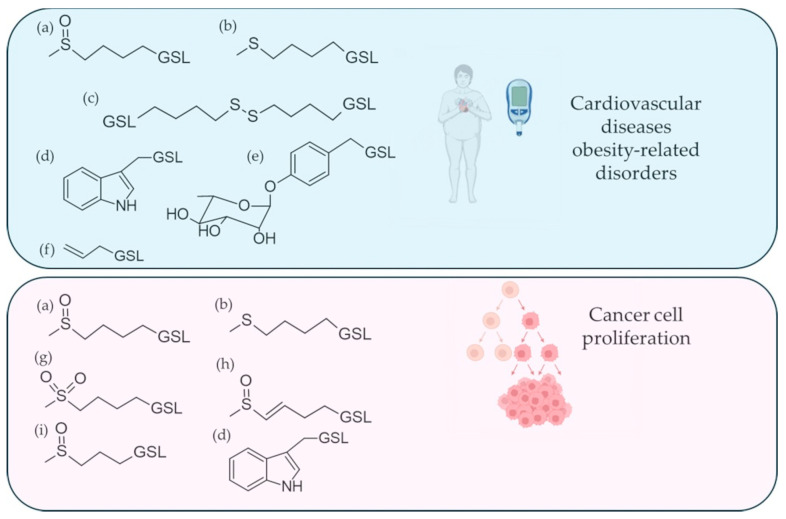 Figure 1
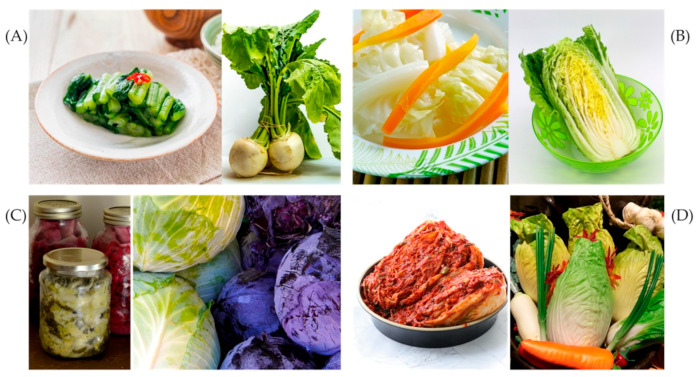 Figure 2
Peer Reviews
No public reviews on file for this paper yet. If you reviewed it on a platform where reviews are public (OpenReview, ICLR, NeurIPS, ICML), you can paste yours below so the community can read it here.
Videos
No videos yet. Explain this paper in a talk, walkthrough, or lecture? Add one.
Taxonomy
TopicsGenomics, phytochemicals, and oxidative stress · Nitrogen and Sulfur Effects on Brassica · Phytochemicals and Antioxidant Activities
1. Introduction
The notion of functional nutrition has garnered significant attention within the scientific community and with consumers. This interest has been propelled by mounting evidence suggesting that specific dietary components possess the capacity to impart health benefits that extend beyond basic sustenance and energy provision. A functional ingredient may be defined as a bioactive compound that provides health-promoting effects beyond basic nutritional requirements. A functional food is an ordinary edible product consumed as part of the regular diet with the aim of delivering physiological benefits or reducing the risk of chronic diseases. The primary approaches adopted to produce processed functional foods include enrichment, fortification, and biofortification. These methods contrast with natural functional foods, which are constituted by raw fruits, vegetables, and grains and are abundant in essential nutrients and phytochemicals [1]. The term “enrichment” is typically employed to denote the process of supplementing a food source with selected micronutrients that are naturally present in the food, albeit in quantities that are insufficient. Fortification, on the other hand, involves the addition of essential micronutrients to a food that is inherently deficient in a specific nutrient. This process is particularly relevant for individuals who are deficient in micronutrients due to malnutrition, a condition that is prevalent among certain populations in developed countries [2]. The term “biofortification,” meanwhile, refers to the agronomic or genetic practices of enriching food crops with specific bioactive nutrients [3]. In the broad category of natural functional foods, broccoli, Brassica oleracea var. italica Plenck, is regarded as an example of a food with verified anticancer, antioxidant, and anti-inflammatory properties [4].
Broccoli belongs to the brassica vegetable family and is a good source of bioactive molecules and micronutrients, including vitamin C, β-carotene, calcium, and fibre [4]. However, these vegetables also retain glucosinolates (GSLs) in their composition. GSLs are anionic secondary metabolites that contain at least two sulfur atoms included in an O-sulfated (Z)-thiohydroximate function and are characteristic of all members of the plant order Brassicales [5]. GSLs themselves are not bioactive, at least at the concentration found in commonly eaten vegetables, but their typical hydrolysis products at physiological conditions, the isothiocyanates (ITCs), can be highly bioactive [6]. Glucoraphanin is the predominant GSL in broccoli. Other notable GSLs include glucoiberin, glucoerucin, and indolic GSL, with content varying by cultivar, developmental stage, and storage period. The ITC metabolites of these GSLs, particularly sulforaphane (SF) and indole-3-carbinol, have been associated with anti-inflammatory, antioxidant, and chemoprotective effects [4]. The incorporation of GSL-rich foods into one’s daily diet seems to be linked to a reduced incidence of chronic diseases, a reduced risk of various cancers, the prevention of degenerative diseases like Alzheimer’s, and a lower incidence of cardiovascular diseases [6,7].
The interest in the effects of this molecular system on human health is confirmed by numerous reviews published in the recent literature. These reviews have addressed and collected the available experimental data on the bioavailability, metabolism, intervention studies [8], pharmacological properties, and toxicological concerns, mainly related to the Brassicaceae plant family and brassica seed utilization [9,10]. The Brassica oleracea species and its varieties appear as those mainly described, reflecting their widespread use in human nutrition. However, the health impacts of other species have also been recently summarized, including Armoracia rusticana [11] which also belongs to the Brassicaceae family, but also Moringa oleifera [12,13,14] from the Moringaceae family, and Capparis spinosa from the Capparaceae family [15]. Horseradish roots are particularly rich in sinigrin, whose isothiocyanate is primarily responsible for its pungent taste; a recent review [12] provided an overview of the moringa species, their countries of origin, and their known therapeutic uses. This was accompanied by a comprehensive overview of the activities of the most studied species in recent years, M. oleifera Lam. The organs of this species have been extensively characterized phytochemically in recent years, revealing exclusively the presence of aromatic GSLs, with glucomoringin, 4-(α-l-rhamnopyranosyloxy)benzyl GSL, predominating in moringa seeds and its acetylated isomer III, 4′-O-acetyl-4-(α-l-rhamnopyranosyloxy)benzyl GSL, generally more concentrated in the leaves [14]. Methyl GSL, glucocapparin, undergoes hydrolysis to form methyl isothiocyanate which is mainly responsible for the pungent taste of its flower buds [16].
According to the Food and Agriculture Organization of the United Nations, in 2022, the global production of cruciferous crops reached a total of 72,604 kilotons with a 6.53% increase compared to the data of previous ten years [17], while if we restrict on global production of broccoli and cauliflower, this increase was about 48% in the period from 2003 to 2023 [18]. It was estimated that the edible part of broccoli is limited to a 15% of florets, while the remaining parts are discarded during harvesting, householding, and commercial processing. When the entire Brassicales order is taken into consideration, i.e., all species containing GSLs, the possibility of considering other types of waste increases considerably among all edible species. The order Brassicales is characterized by a high level of diversity, encompassing a wide range of species, traits, and environmental adaptations. There are approximately 4700 species which are divided into 18 families. This diversity is distributed over a considerable geographical area and includes several known crops such as canola, caper, broccoli, kale, papaya, rapeseed, and saltwort [19]. It is important to note that not all plants in the Brassicales order are edible, but many of them are cultivated crops and can be used as ingredients for foods, functional foods, or supplements.
The present review has thus been conceived with the objective of identifying which species of the Brassicales order are currently considered as functional foods or ingredients based on their GSL content. A particular focus has been placed on agronomic and/or processing strategies for biofortification, as well as on the relationship between diseases and nutraceutical applications. The review highlights a growing interest in cultivating microgreens and using mild technologies, such as fermentation, to exploit the health properties of not only Brassicaceae, but also species belonging to other plant families that are classified within the Brassicales order.
2. Methods
A comprehensive search was performed on the electronic database Scopus including articles published from 2009 to 20 August 2025. The study incorporated a comprehensive range of research designs, encompassing in vitro cell models, in vivo animal models, and clinical trials involving human subjects. Excluded from the analysis were review articles and books, as well as book chapters. The search terms employed in the present study included the following keywords: “glucosinolates”, “functional”, “food”, “Brassicaceae”, and “Brassicales”. During the research period, which occurred from 1 July 2025 to 20 August 2025, a total of 210 articles were initially identified. These were then subjected to further screening, whereby articles that failed to clearly report the species considered or did not provide sufficient information on plant growth, extraction processes, or the use of materials in the case of commercial products, were excluded. Finally, articles focusing solely on the phytochemical characterization of materials or on purified GSLs, and which did not relate to the design of functional foods, were also excluded from the final selection.
3. Raw Vegetables from Brassicales Order as Unprocessed Functional Foods
The first evaluation was conducted on articles that considered plant tissues from mature plants, microgreens, or sprouts of species belonging to the Brassicales order as potential functional foods or as possible ingredients in foods with clear nutraceutical applications. A total of 55 articles were considered. Table 1 summarizes the main agronomic growth strategies, where available, along with the processing approaches adopted prior to the evaluation of their properties and the biochemical outcomes, primarily in terms of the enhancement of bioactive compounds content and bioavailability, antioxidant activity, angiotensin converting enzyme (ACE) and α-amylase inhibitory activities, suppression of lipid accumulation, and nutraceutical applications. The period under consideration was limited to 2020–2025, with the intention of emphasizing the most recent trends in research within this field.
In recent years, research interest in functional food production has shifted decisively toward the cultivation of microgreens, with Brassica oleracea and its varieties being the most represented species (43% of the studies considered) and Raphanus sativus the second species of interest. Research in this area is characterized by extensive experimentation in the agronomic field, with the aim of identifying the optimal growing conditions for maximizing the fortification of the nutraceutical properties of the products. Growth with different photoperiods, or the use of LED lights at different wavelengths [39], as well as on different substrates [51] supplemented with various enrichments, or treatments with Zn [46], potassium, or CaCl_2_ [43], have been explored to verify the qualitative and quantitative change in bioactive molecules, the maintenance of properties over time, and the reduction in unwanted GSL such as progoitrin. In contrast to the growing prevalence of research on microgreens in recent years, studies focusing on sprouts have declined. The only species classified outside the Brassicaceae family as a functional food, in both mature leaves and sprouts, is Moringa oleifera. Moringa oleifera sprouts offer a GSL composition that is not significantly different from that of seeds, which have a substantial fibre content, and an interesting protein content. In addition, Moringa oleifera sprouts are enriched with γ-aminobutyric acid, a well-known neurotransmitter and blood pressure regulator, and linked to the prevention of diabetes and diuresis regulation [59]. Regarding the examination of nutraceutical applications, Table 2 provides a comprehensive overview of the diseases primarily considered in relation to the chemopreventive properties of the various species, while Figure 1 highlights the GSL structures most commonly identified in species normally used as food that may be effective in protecting the organism, especially from cardiovascular diseases and obesity-related disorders, but also in protecting against malignant degenerative processes.
The analysis also encompassed scientific articles published prior to 2020, thereby incorporating species not only belonging to the Brassicaceae and Moringaceae families, but also Maerua subcordata, which belongs to the Capparaceae family. The latter is distinguished by a high content of glucocapparin and stachydrine in its tissues [61]. This medicinal plant, native to East Africa, has demonstrated safety in in vitro tests conducted on its seeds, fruits, and roots, indicating no observed signs of toxicity [63].
4. Fermented Foods or Fermented Ingredients from Brassicales Order as New Functional Options for Food Industry
While interest in various species of Brassicaceae as ready-to-use functional foods has increased in recent years—particularly with respect to microgreens—there has also been a growing focus on fermented foods among processed ones. Fermented foods encompass a wide variety of products transformed by different strains of microorganisms, which induce biochemical changes, modify food taste and storage life, and improve functional properties [64]. Several fermented products are derived from the Brassicaceae family. The range of products includes sauerkraut, which is popular in Europe and the USA; kimchi, a traditional Korean dish made from fermented napa cabbage, radish, red chillies, garlic, and fish; pao cai, considered a symbol of southwestern Chinese culture and made from fermented napa cabbage, like kimchi; and Japanese products such as sunki and nozawana, which are produced in Japan from turnip leaves [65] (Figure 2).
At least ten different species belonging to the Brassicales order have been subjects of scientific research in recent years. These species encompass members representative of the Brassicaceae family, as well as those belonging to the Caricaceae and Moringaceae families. These fermented foods display a rich diversity of microorganisms, primarily lactobacilli, which are responsible for the production of lactic acid, as well as an increased concentration of vitamins, GSL hydrolysis products, short chain fatty acids, polyphenols, and other bioactive compounds. This considerably expands the range of applications of these foods, particularly in relation to disorders of the intestinal tract, compared to non-fermented vegetables. Table 3 provides an overview of the diseases and fermentable Brassicales species that have demonstrated chemopreventive effects. These diseases include inflammatory diseases, particularly those affecting the intestine, as well as the airways, the control of pathogenic bacteria, and the reduction in possible antinutrients in plant matrices, with advantages in terms of product safety.
Fermented products have been demonstrated to be an effective solution for obtaining products and juices that are particularly rich in ITCs and ascorbigen after a relatively brief period of spontaneous fermentation, as evidenced in the case of white cabbage sauerkraut [70], or the same species fermented with myrosinase-positive bacteria, a process which has been shown to result in increased concentrations of sulforaphane and iberin [75]. The most widely studied combination of lactobacilli for enhancing the bioavailability of GSL hydrolysis products in broccoli is a mixture of Lactobacillus plantarum and Leuconostoc mesenteroides [76,77]. The same lactobacilli, together with Pediococcus acidilactici, have also been used on moringa leaves, achieving good results in terms of increasing antioxidant capacity and improving the phenolic profile [78]. Finally, the potential application of fermentation technologies to reduce the presence of anti-nutritional compounds, such as phytates, tannins, and oxalates, in blanched Brassica oleracea sprouts inoculated with Lactobacillus plantarum, represents a highly intriguing avenue for further research [74]. Table A1 in Appendix A provides a comprehensive overview of fermented foods derived from species belonging to the Brassicales order that have recently been recognized for their potential health benefits. These foods, and the techniques used to produce them, are also detailed, when available. Fermentation technology is being viewed with increasing favour as a means of reusing waste materials from diverse origins to obtain new ingredients that offer enhanced health benefits. For instance, the substantial volume of meal produced on an annual basis from the de-oiling of double-low rapeseed meal for human consumption could be utilized for this purpose [67]. Additionally, portions of broccoli that are typically discarded as unsuitable for the market could also be effectively reused [79].
5. By-Products from Brassicales Order Species as New Functional Ingredients
When considering the different types of waste produced by the most widely used commercial plant species belonging to the Brassicales order in the food industry, the potential for developing new plant-based ingredients—and for transforming waste into products with increased nutraceutical value—expands considerably. The recent literature has predominantly focused on waste derived from Brassica oleracea var. italica Plenck starting from seed lots rejected due to poor grain quality, low germination rate, or other yield-related parameters [80] and extending to broccoli deemed commercially unsellable because of post-harvest issues related to abiotic stresses, mainly wounding [81]. However, the main emphasis has been on broccoli leaves and stems [82,83,84,85,86,87]. The unused leaves of the species Raphanus sativus [88], Brassica oleracea var. capitata [86], and Brassica rapa [89] were also evaluated. Finally, due to their GSL and residual ITC content, as well as their potential applications in the food and beverage sector, the stems and roots of papaya have recently been considered too [90]. Defatted meals from Brassica seeds that have been selected based on their GSL profile and content have also been considered interesting as ingredients in functional foods, as in the case of Eruca sativa meals with a high glucoerucin content [91,92,93,94]. Table 4 provides an update on each by-product of species belonging to the Brassicales order that have been considered in recent years for nutraceutical applications.
6. Main Glucosinolates and Their Hydrolysis Products Identifiable in Species of the Brassicales Order of Interest for Functional Nutrition
The species belonging to the Brassicales order offer a plethora of possibilities for the intake of nutrients that are beneficial to human health, as evidenced by the wide variety of GSLs they contain. The application of agronomic techniques and the study of post-harvest processes are broadening the range of possibilities in this field. Concurrently, these techniques can assist in the reduction in GSLs, which are regarded as anti-nutritional, such as progoitrin. To date, this is one of the primary GSLs to be monitored to maintain low concentrations, particularly in the context of enrichment, fortification, and biofortification processes [95]. As illustrated in Table 5, a thorough investigation of the species examined in this review is provided, along with a detailed analysis of the predominant GSLs they contain. In order to establish the profile of the main GSLs, the focus was on the mature organs that are typically utilized in food applications. However, certain lesser-known species or those for which the seed is generally employed, or those that are primarily used as microgreens, were included and highlighted in brackets in the first column.
The only species not included in Table 5 is Brassica napus, which is considered in this research only as defatted meal. This is because B. napus is particularly rich in progoitrin and has already been subjected to breeding programs aimed at reducing its overall GSL content. Furthermore, it is considered only as an application of fermentation processes, precisely with the aim of further reducing its content [67]. It has been observed that other species, including Brassica oleracea var. gemmifera DC. and Brassica rapa subsp. chinensis (L.) Hanelt, despite exhibiting an intriguing GSL profile, have been found to contain elevated levels of progoitrin. However, research in the field of agronomy and fermentation technologies suggests that there may be ways to modulate the content of this undesirable GSL [44,57,67]. Among the GSLs highlighted in Table 5, in addition to progoitrin, another GSL has been identified as a potential safety concern in plants. This is sinalbine, the primary GSL present in Sinapis alba seeds. The hydrolysis of this GSL in an aqueous environment produces the intermediate para-hydroxybenzyl alcohol, which can dimerize to an isomer of bisphenol F. Although there is a paucity of comprehensive studies on the toxicity of this molecule, its similarity to bisphenol A suggests caution, particularly regarding its effects on the endocrine system [111]. As specified in Table 5, the main species and GSLs that characterize the plant organs primarily used as food are listed; in the case of Sinapis alba, these organs are the seeds. In García-Pérez et al. recent study [40], microgreens from various Brassicaceae, including Sinapis alba, were characterized following biostimulant treatments with commercial vermicompost at multiple doses. The lowest doses resulted in the elicitation of GSLs in the microgreens, which exhibited a complex profile of short- and long-chain aliphatic, aromatic, and indole GSLs. Conversely, the higher doses led to the suppression of GSL synthesis in comparison to the untreated controls. These profiles will likely require verification through the use of standards and other analytical techniques. However, the study underscores the potential of seed priming treatments with vermicompost as a promising strategy for enhancing the accumulation of aliphatic GSLs, in addition to boosting the antioxidant and neuroprotective properties of Brassicaceae. Returning to GSLs with beneficial effects on human health, glucoraphanin, the precursor of sulforaphane, is found in broccoli, but also in various species in the Eruca genus, which are typically consumed raw. It is also present in Brassica oleracea var. viridis L., Raphanus sativus L., and in microgreens of Brassica rapa subsp. nipposinica (L.H. Bailey) and Brassica rapa L. The latter also contain significant amounts of glucoerucin, a reduced analogue of glucoraphanin, which has recently been studied for its protective properties on the cardiovascular system [112], and it is particularly prevalent in Brassica oleracea var. gongylodes L. [44]. Beyond the confines of the Brassicaceae family, Moringa oleifera Lam and Carica papaya L. stand out as noteworthy species. The former species is remarkable for its distinctive GSL profile and the favourable effects documented in scientific literature [14], while the latter merits particular attention for the reuse of its waste products, particularly stems, roots, and peel [90], which contain high concentrations of glucotropeolin and may therefore warrant further evaluation.
7. Conclusions
The present review consolidates current evidence supporting the Brassicales order as a rich and versatile source of functional foods and ingredients, primarily due to the presence of GSL and their hydrolysis products. Recent studies highlight the growing relevance of raw matrices such as microgreens, which combine high concentrations of bioactive compounds with flexible agronomic strategies for targeted biofortification. In parallel, food processing approaches—particularly fermentation—have proven effective in enhancing the bioavailability of ITCs, reducing antinutritional factors, and expanding the range of health-promoting applications associated with Brassicales-derived products. Moreover, the valorization of by-products from both primary production and food processing represents a promising strategy to align functional food development with sustainability and circular economy principles. Despite the substantial progress achieved at the experimental level, the translation of these findings into market-ready foods remains limited by the scarcity of standardized processing protocols and systematic safety control strategies that are essential for the safe use of waste in food applications. The establishment of clear international regulations on raw material production methods is imperative, necessitating the implementation of good agricultural practices. Furthermore, postharvest handling should minimize microbial and fungal contamination by ensuring timely transport and refrigeration or accelerated drying methodologies, accompanied by minimal energy consumption. Future research should therefore focus on integrating technological optimization with clinical validation to support health claims and promote the effective incorporation of Brassicales-based functional foods into the human diet.
The reference list from the paper itself. Each links out to its DOI / PubMed record.
- 1Frumuzachi O. Flanagan A. Rohn S. Mocan A. The Dichotomy between Functional and Functionalized Foods—A Critical Characterization of Concepts Food Res. Int.202520811617310.1016/j.foodres.2025.11617340263787 · doi ↗ · pubmed ↗
- 2Mannar M.G.V. Khan N.A. Food Fortification: Rationale and Methods Encyclopedia of Food and Health Elsevier Amsterdam, The Netherlands 20162734
- 3Bhardwaj A.K. Chejara S. Malik K. Kumar R. Kumar A. Yadav R.K. Agronomic Biofortification of Food Crops: An Emerging Opportunity for Global Food and Nutritional Security Front. Plant Sci.202213105527810.3389/fpls.2022.105527836570883 PMC 9780467 · doi ↗ · pubmed ↗
- 4Zhao A. Li J. Peterson M. Black M. Gaulke C.A. Jeffery E.H. Miller M.J. Cooked Broccoli Alters Cecal Microbiota and Impacts Microbial Metabolism of Glucoraphanin in Lean and Obese Mice Mol. Nutr. Food Res.202569 e 20240081310.1002/mnfr.20240081339962804 PMC 11924887 · doi ↗ · pubmed ↗
- 5BlaževićI. Montaut S. Burčul F. Olsen C.E. Burow M. Rollin P. Agerbirk N. Glucosinolate Structural Diversity, Identification, Chemical Synthesis and Metabolism in Plants Phytochemistry 202016911210010.1016/j.phytochem.2019.11210031771793 · doi ↗ · pubmed ↗
- 6Connolly E.L. Sim M. Travica N. Marx W. Beasy G. Lynch G.S. Bondonno C.P. Lewis J.R. Hodgson J.M. Blekkenhorst L.C. Glucosinolates from Cruciferous Vegetables and Their Potential Role in Chronic Disease: Investigating the Preclinical and Clinical Evidence Front. Pharmacol.20211276797510.3389/fphar.2021.76797534764875 PMC 8575925 · doi ↗ · pubmed ↗
- 7González-Trujano M.E. Déciga-Campos M. Tavares-Carvalho J.C. Moreno D.A. Editorial: Metabolic and Neurological Modulation by Glucosinolates, Isothiocyanates, and Terpenes to Improve Health Front. Pharmacol.20221391522310.3389/fphar.2022.91522335592417 PMC 9111007 · doi ↗ · pubmed ↗
- 8Narra F. Galgani G. Harris C.B. Moreno D.A. Núñez-Gómez V. Bioavailability, Human Metabolism, and Dietary Interventions of Glucosinolates and Isothiocyanates: Critical Insights and Future Perspectives Foods 202514287610.3390/foods 1416287640870788 PMC 12385236 · doi ↗ · pubmed ↗