Genomic and Functional Characterization of Lytic Tlsvirus Bacteriophages Targeting Salmonella Infantis Isolated from Poultry Farms in Ecuador
Sandra Sevilla-Navarro, Ignacio Samuel Gómez-Cano, Ivette Castillo-Beckmann, Santiago Ballaz, Alexis Debut, Esteban Fernández-Moreira

TL;DR
This study identifies three bacteriophages that can safely and effectively target antibiotic-resistant Salmonella Infantis in poultry, offering a potential alternative to antibiotics.
Contribution
The discovery and characterization of three lytic bacteriophages with high efficacy and safety for biocontrol of Salmonella Infantis in poultry.
Findings
Three bacteriophages (GS71, GS156, GS166) were isolated that rapidly kill Salmonella Infantis and are stable under harsh conditions.
Two of the phages (GS71 and GS166) effectively lyse most S. Infantis strains, while none of the phages carry harmful genes.
The phages are genetically similar and belong to the Tlsvirus genus, with conserved genes for replication and lysis.
Abstract
Salmonella causes millions of foodborne illnesses each year, and the rise of strains that no longer respond to antibiotics makes it necessary to find new ways to control this bacterium in the food chain. In Ecuador, the type of Salmonella most commonly found in poultry farms, poultry meat, and human infections is Salmonella Infantis. In this study, we searched for viruses that specifically infect and destroy this bacterium, known as bacteriophages, to evaluate whether they could help improve food safety. We isolated three bacteriophages from chicken farms in different regions of Ecuador and found that they acted quickly, produced many new viral particles, and tolerated high temperatures and alkaline conditions. Although the bacteriophages came from different places and times, they were genetically very similar, reflecting the low diversity of Salmonella Infantis in Ecuador. Two of them…
Genes, proteins, chemicals, diseases, species, mutations and cell lines named across the full text — each resolved to its canonical identifier and authoritative record.
Click any figure to enlarge with its caption.
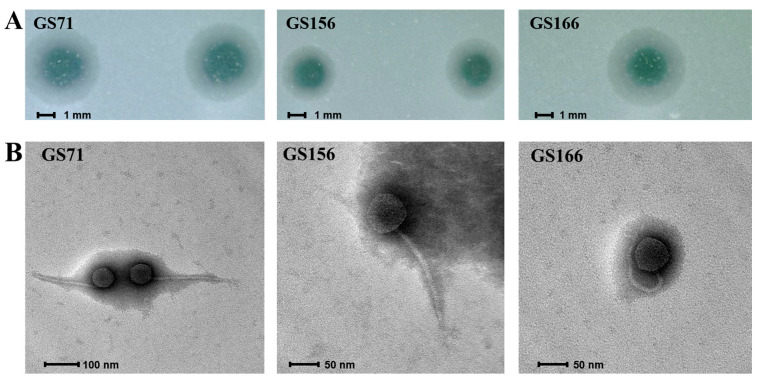 Figure 1
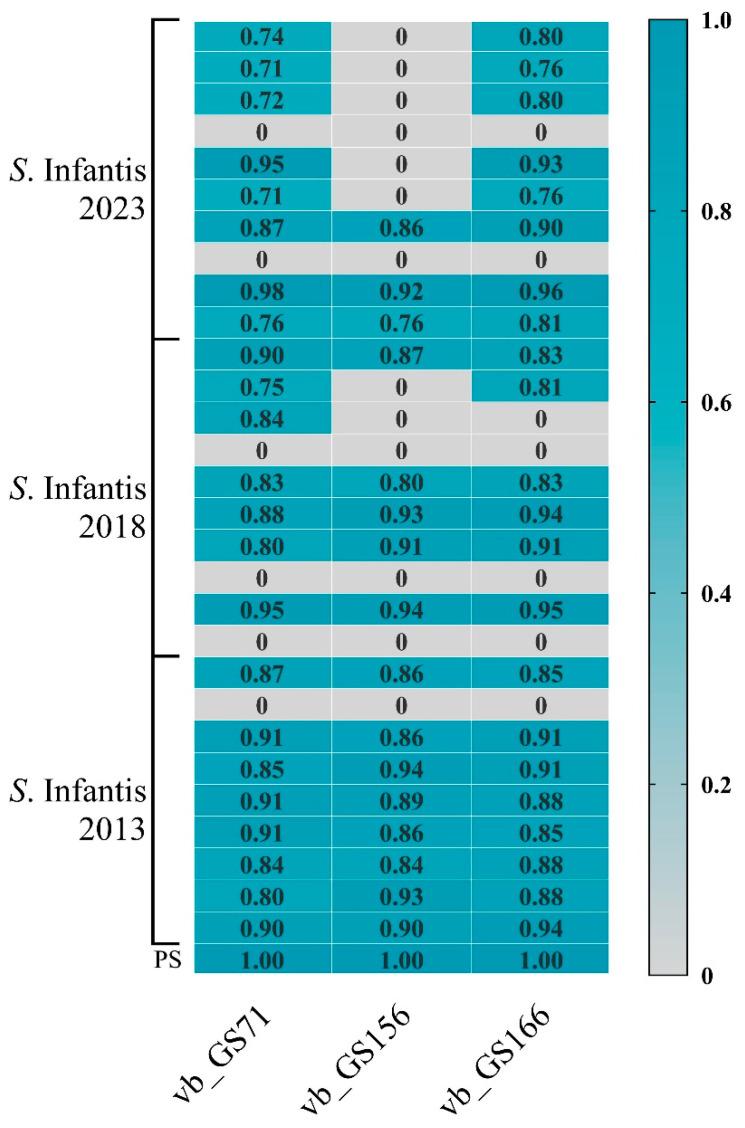 Figure 2
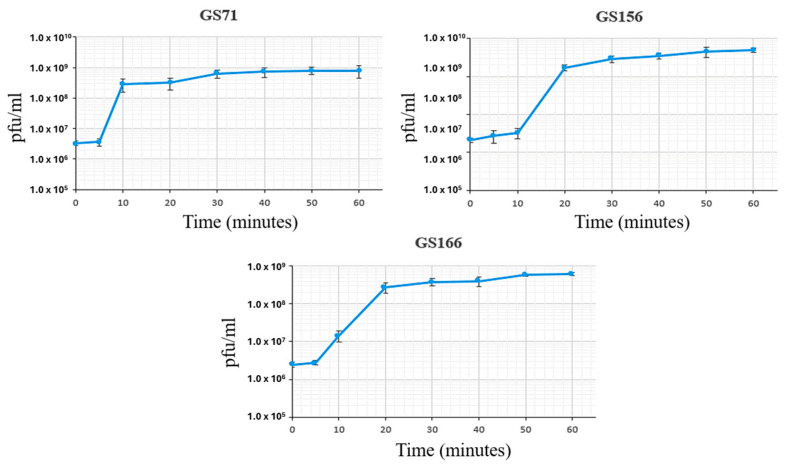 Figure 3
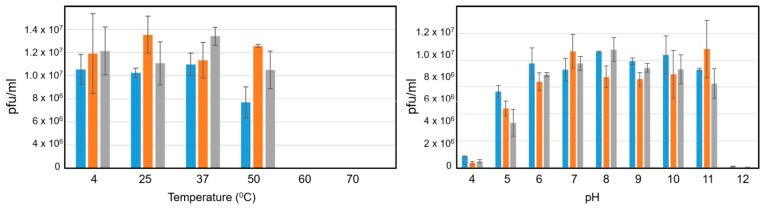 Figure 4
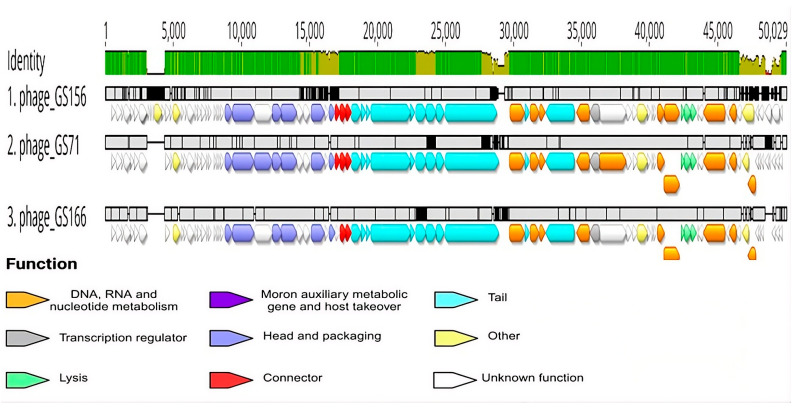 Figure 5
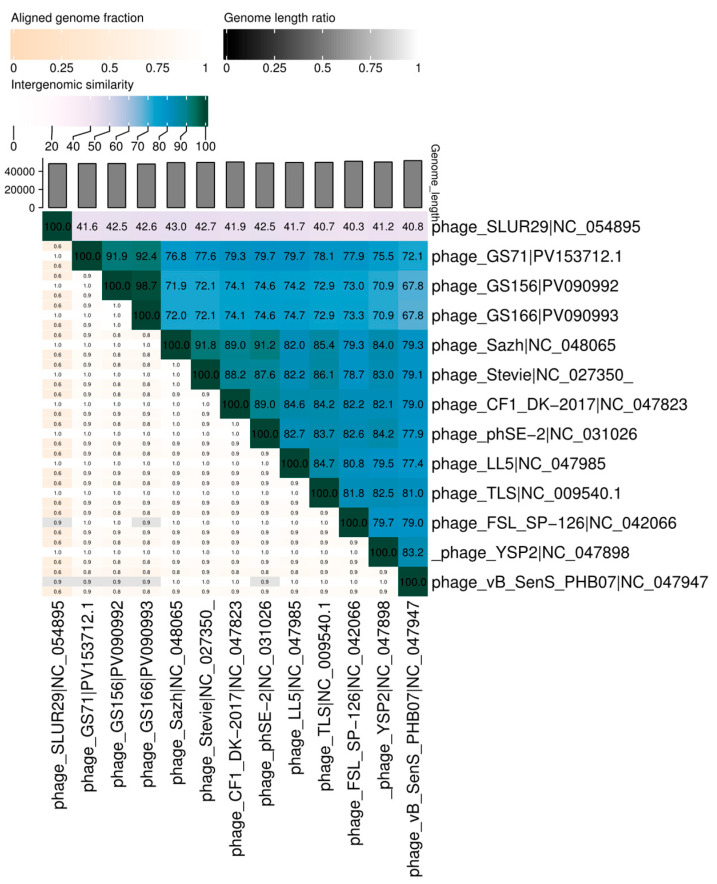 Figure 6
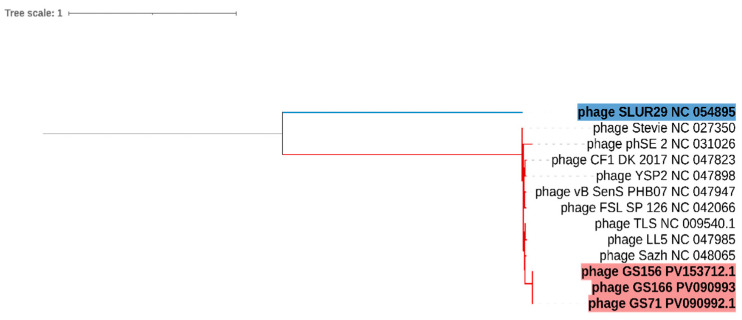 Figure 7
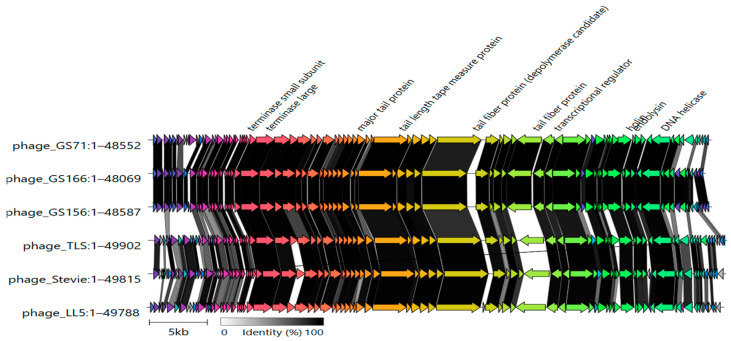 Figure 8
Peer Reviews
No public reviews on file for this paper yet. If you reviewed it on a platform where reviews are public (OpenReview, ICLR, NeurIPS, ICML), you can paste yours below so the community can read it here.
Videos
No videos yet. Explain this paper in a talk, walkthrough, or lecture? Add one.
Taxonomy
TopicsBacteriophages and microbial interactions · Salmonella and Campylobacter epidemiology · Vibrio bacteria research studies