An Unusual Case of Acquired Dilated Cardiomyopathy Due to Long-Standing Patent Ductus Arteriosus
Eleni Giannopoulou, Damianos Tsilivarakis, Maria Lekaditi, Stavroula Kosmopoulou

TL;DR
A 70-year-old man with untreated patent ductus arteriosus developed rare heart failure and dilated cardiomyopathy, emphasizing the need for lifelong monitoring of congenital heart defects.
Contribution
This case highlights the exceptional development of severe systolic dysfunction and dilated cardiomyopathy due to long-standing untreated PDA in adulthood.
Findings
A 70-year-old male with childhood-diagnosed PDA presented with severe heart failure and dilated cardiomyopathy.
Transthoracic echocardiography showed severe biventricular systolic dysfunction with an LVEF of 25%.
Cardiac MRI confirmed a persistent PDA, and the patient declined intervention despite being a candidate for ductal closure.
Abstract
Patent ductus arteriosus (PDA) is a common congenital cardiac condition in neonates. Its frequency is substantially higher in preterm infants, and it is frequently associated with other congenital heart defects. Its persistence into adulthood has become increasingly uncommon due to advances in neonatal screening, echocardiographic diagnosis, and timely therapeutic intervention. The hemodynamic burden imposed by PDA depends on the magnitude of the left-to-right shunt and may result in both short- and long-term complications. While small shunts may remain asymptomatic throughout life, moderate and large shunts can cause pulmonary congestion, cardiac volume overload, organ hypoperfusion, and even death, early in life. When left untreated, particularly in small-to-moderate defects that may not initially meet the criteria for intervention, chronic shunting may progressively result in…
Genes, proteins, chemicals, diseases, species, mutations and cell lines named across the full text — each resolved to its canonical identifier and authoritative record.
Click any figure to enlarge with its caption.
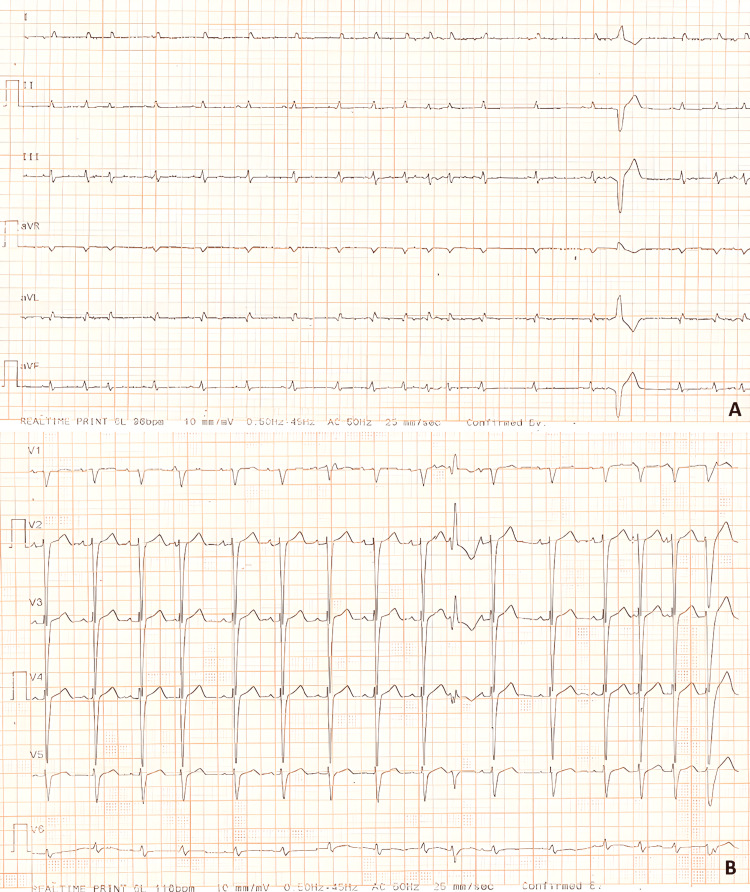 Figure 1
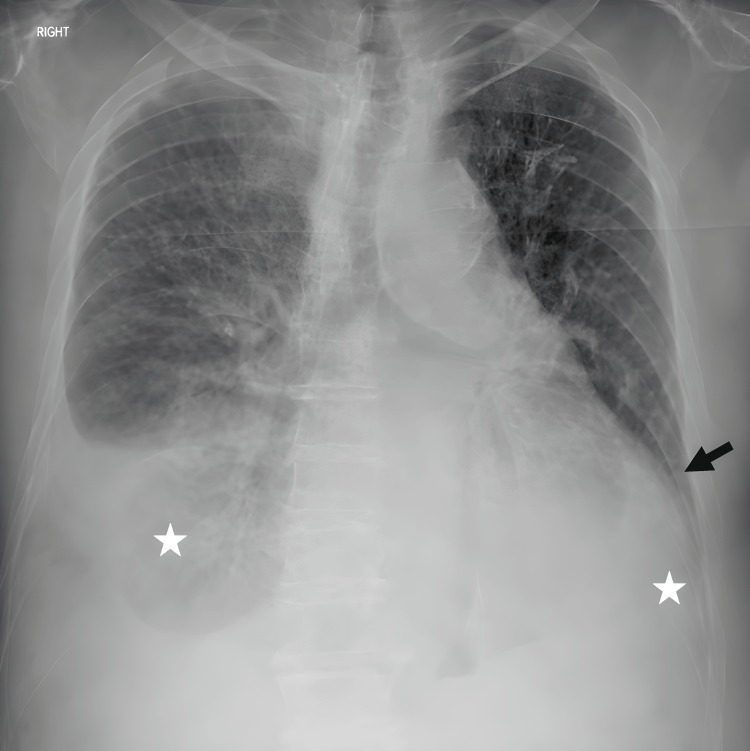 Figure 2
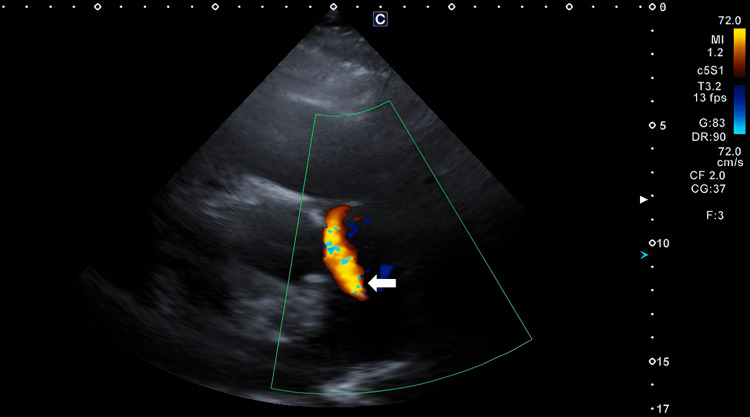 Figure 3
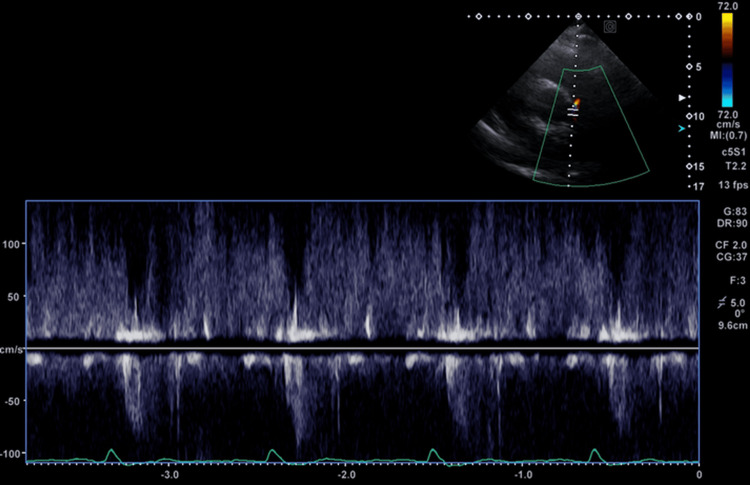 Figure 4
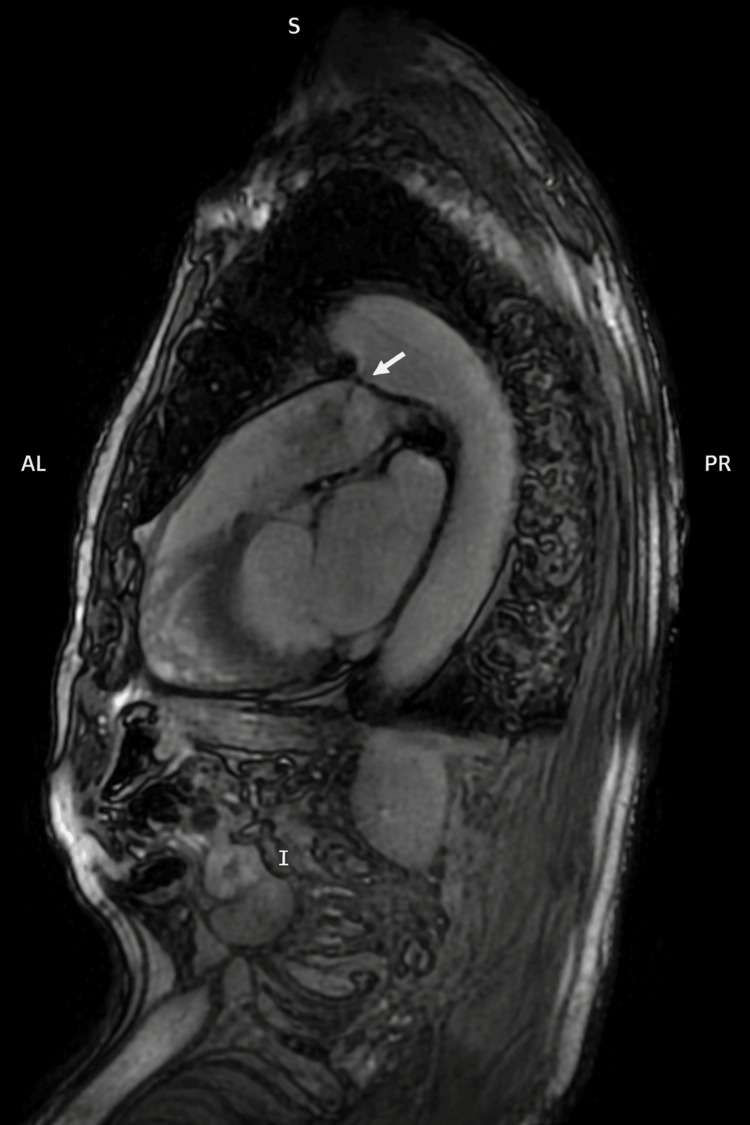 Figure 5
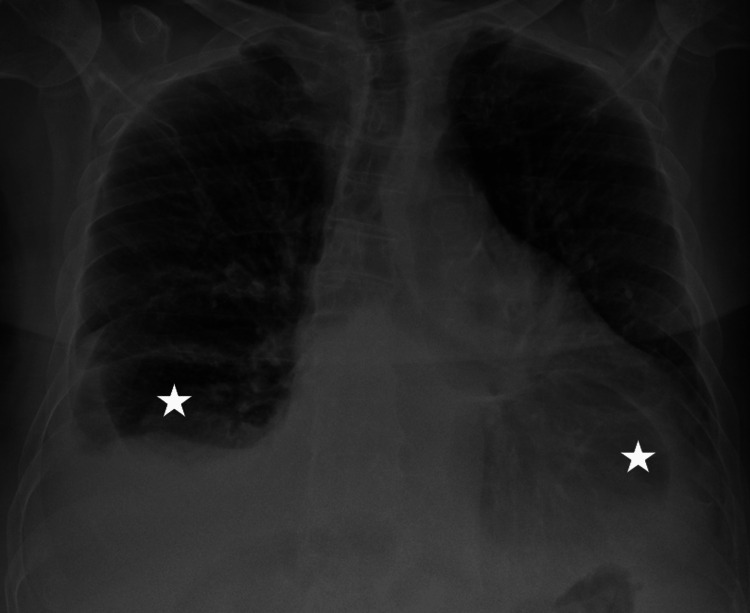 Figure 6
Peer Reviews
No public reviews on file for this paper yet. If you reviewed it on a platform where reviews are public (OpenReview, ICLR, NeurIPS, ICML), you can paste yours below so the community can read it here.
Videos
No videos yet. Explain this paper in a talk, walkthrough, or lecture? Add one.
Taxonomy
TopicsCardiovascular Conditions and Treatments · Congenital Heart Disease Studies · Cardiovascular and Diving-Related Complications