Olfactory Enrichment of Captive Pygmy Hippopotamuses with Applied Machine Learning
Jonas Nielsen, Frej Gammelgård, Silje Marquardsen Lund, Anja Sofie Banasik Præstekær, Astrid Vinterberg Frandsen, Camilla Strandqvist, Mikkel Haugaard Nielsen, Rasmus Nikolajgaard Olsen, Sussie Pagh, Thea Loumand Faddersbøll, Cino Pertoldi

TL;DR
This study explores how scents can improve the welfare of pygmy hippopotamuses in captivity and uses machine learning to track their behaviors automatically.
Contribution
The study introduces scent-based enrichment for pygmy hippos and validates automated behavioral tracking using SLEAP software.
Findings
Olfactory enrichment increased environmental engagement and reduced inactivity in pygmy hippos.
SLEAP software showed strong agreement with manual tracking for most behaviors.
Automation can complement traditional methods in monitoring animal welfare.
Abstract
Zoologists and researchers commonly study animals by observing their behavior, enclosure use, and activity levels to gain insights into their engagement with the environment and their level of stimulation. Traditionally, this has been done by watching them directly, but such methods are time-consuming and often influenced by personal judgment. This study investigates the effects of scents as an enrichment on three individual pygmy hippopotamuses. Furthermore, we examined whether the software SLEAP (v1.4.1a2) could automate the tracking of the animals. Overall, the results indicated that the scents encouraged the hippos to explore more, and the software gave similar results to manual observations for most behaviors. This means that scent-based enrichment can be useful for pygmy hippopotamuses, and technology can help zoological institutions with monitoring animal welfare more easily.…
Genes, proteins, chemicals, diseases, species, mutations and cell lines named across the full text — each resolved to its canonical identifier and authoritative record.
Click any figure to enlarge with its caption.
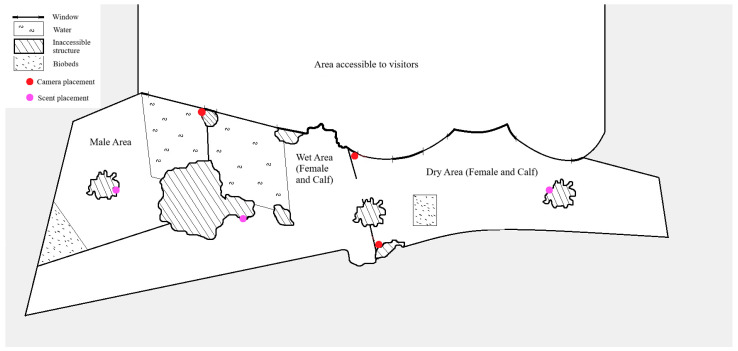 Figure 1
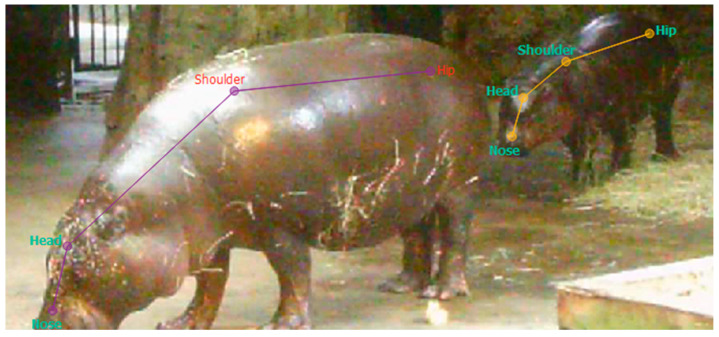 Figure 2
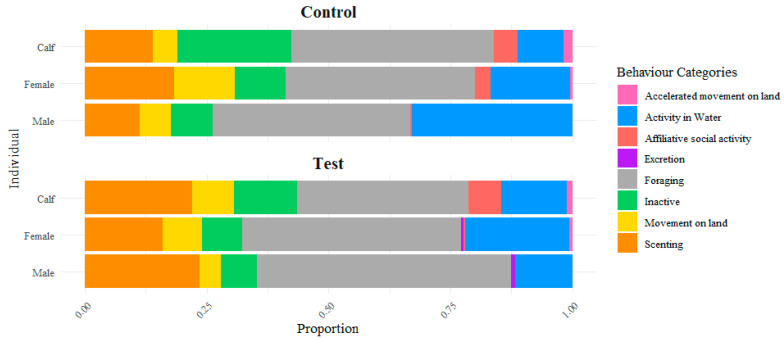 Figure 3
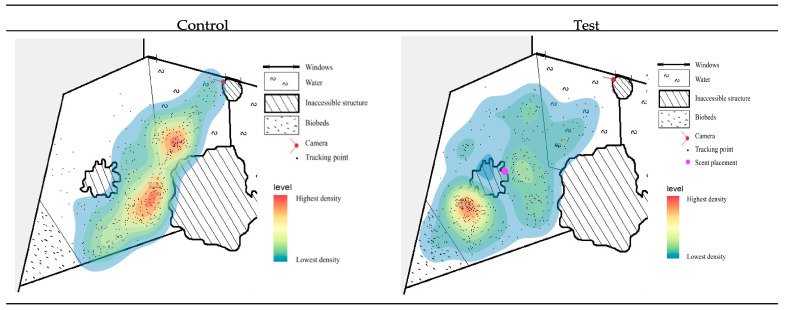 Figure 4
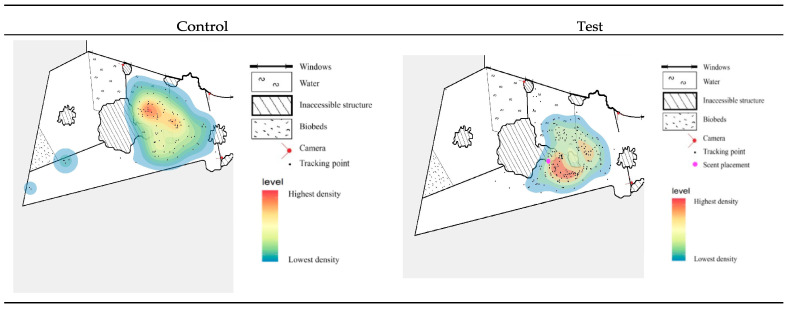 Figure 5
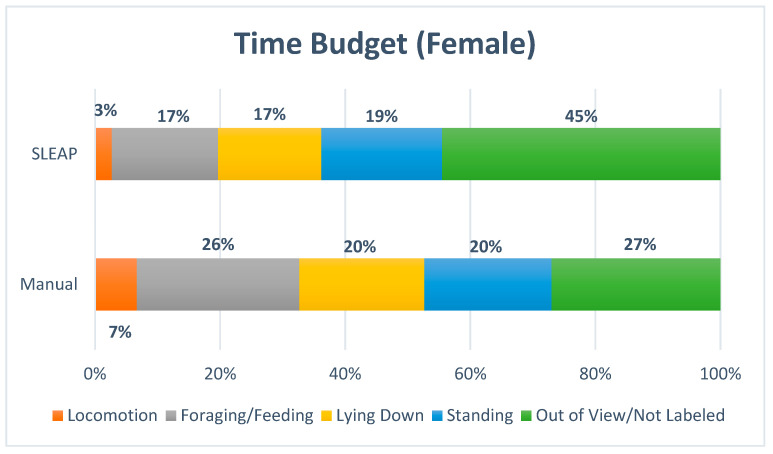 Figure 6
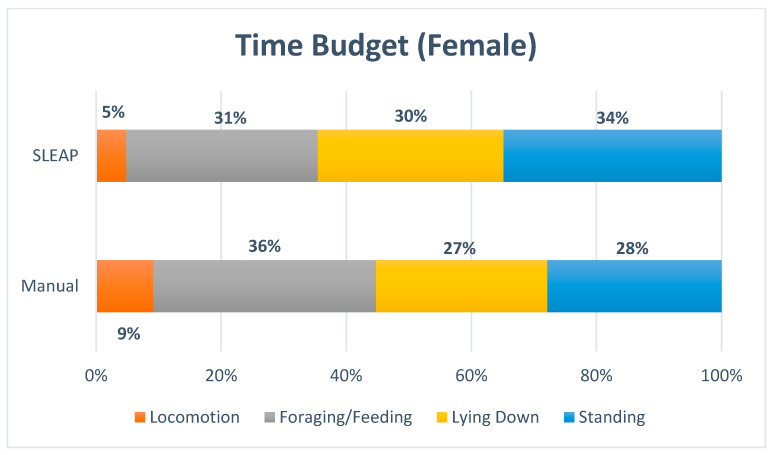 Figure 7
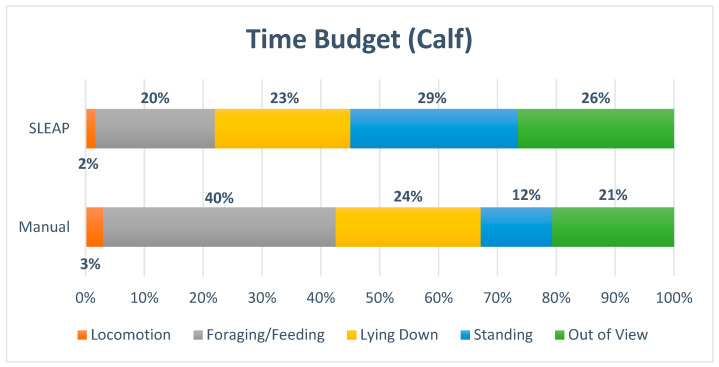 Figure 8
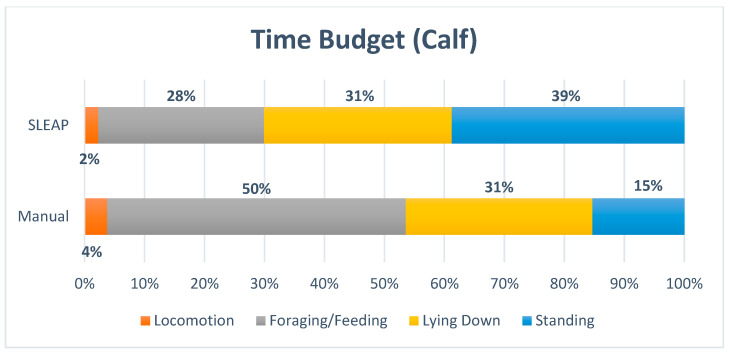 Figure 9
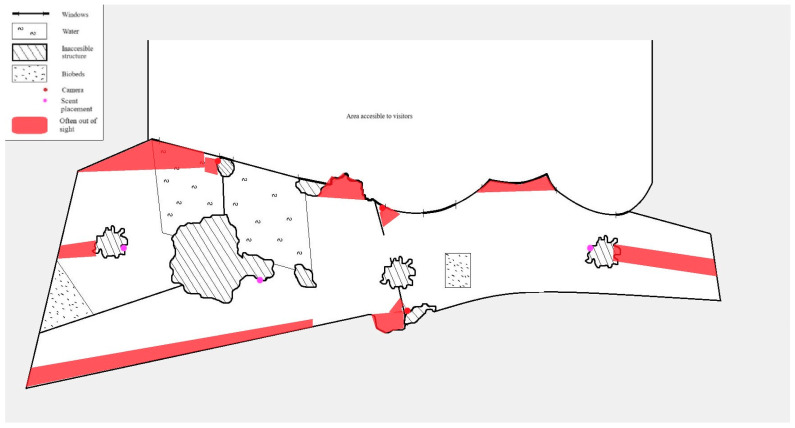 Figure 10
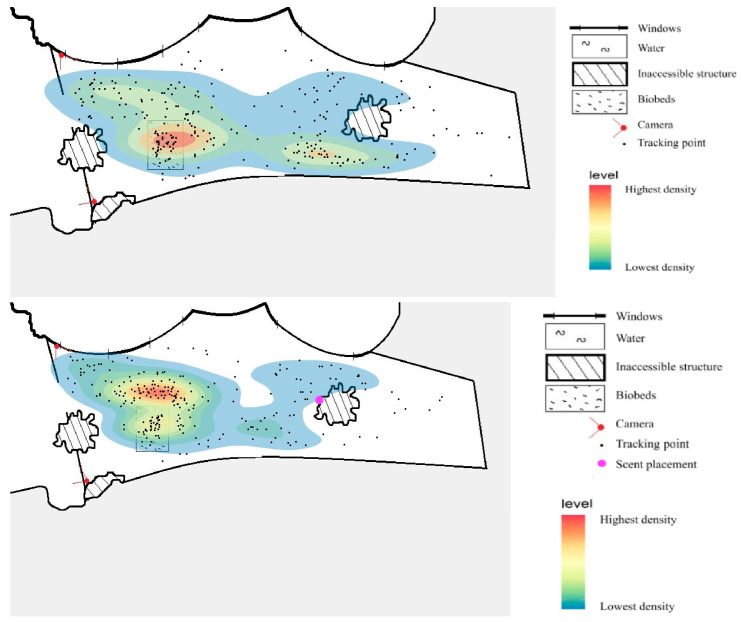 Figure 11
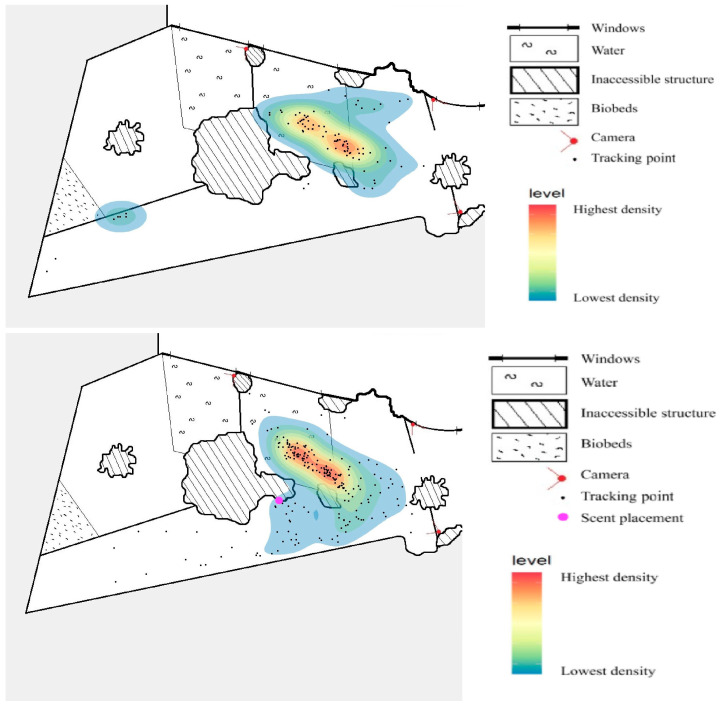 Figure 12
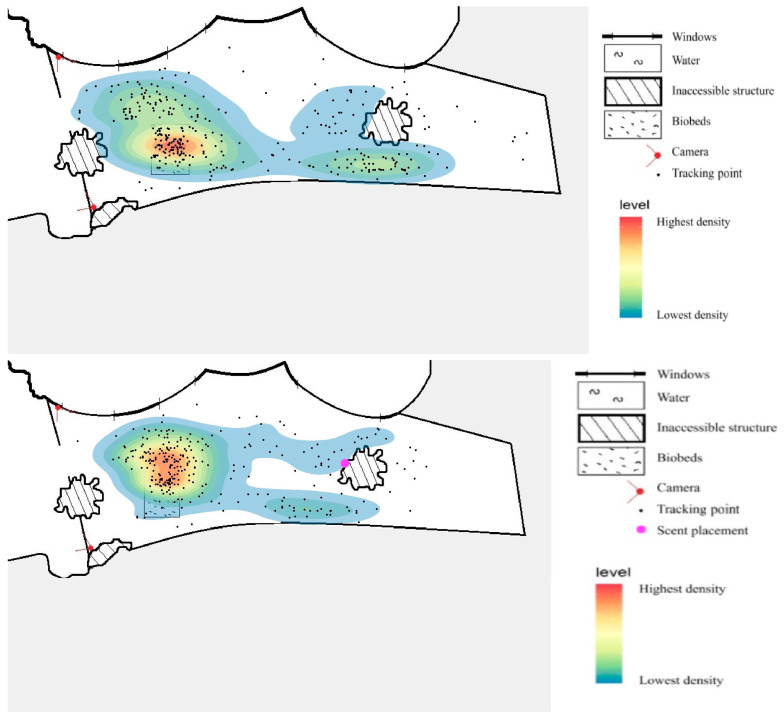 Figure 13
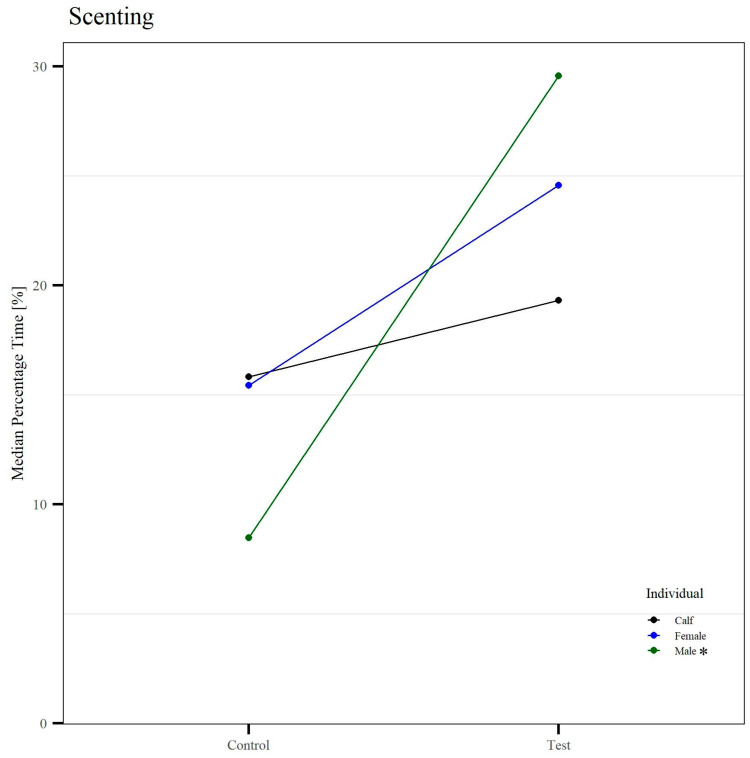 Figure 14
Peer Reviews
No public reviews on file for this paper yet. If you reviewed it on a platform where reviews are public (OpenReview, ICLR, NeurIPS, ICML), you can paste yours below so the community can read it here.
Videos
No videos yet. Explain this paper in a talk, walkthrough, or lecture? Add one.
Taxonomy
TopicsAnimal Behavior and Welfare Studies · Primate Behavior and Ecology · Animal Vocal Communication and Behavior