PCB 153 Modulates Genes Involved in Proteasome and Neurodegeneration-Related Pathways in Differentiated SH-SY5Y Cells: A Transcriptomic Study
Aurelio Minuti, Serena Silvestro, Claudia Muscarà, Michele Scuruchi, Simone D’Angiolini

TL;DR
This study shows that PCB 153, an environmental contaminant, alters genes related to protein breakdown and neurodegenerative diseases in nerve-like cells.
Contribution
The study reveals novel transcriptomic effects of PCB 153 on proteasome and neurodegeneration-related pathways in differentiated neuronal cells.
Findings
PCB 153 exposure altered 1882 genes in differentiated SH-SY5Y cells.
Proteasome-related genes and neurodegenerative pathways (Alzheimer’s, Parkinson’s, ALS) were significantly enriched.
PCB 153 triggers a proteostatic response, suggesting disruption of protein homeostasis linked to neurodegeneration.
Abstract
Polychlorinated biphenyls (PCBs) are persistent environmental contaminants associated with neurotoxicity and increased risk of neurodegenerative diseases. PCB 153, a highly abundant non-coplanar congener, bioaccumulates in human tissues and impairs homeostasis. This study investigated the transcriptomic effects of PCB 153 (2,2′,4,4′,5,5′-Hexachlorobiphenyl) in retinoic acid (RA)-differentiated SH-SY5Y neuronal cells to identify early, sub-cytotoxic molecular alterations. Cell viability was assessed by 3-(4,5-dimethylthiazol-2-yl)-2,5-diphenyltetrazolium bromide (MTT) assay after 24 h exposure to increasing PCB 153 concentrations. RNA-Seq was performed on cells treated with 5 μM PCB 153, the highest non-cytotoxic dose. Sequencing reads were quality-filtered, aligned to the human genome, and analyzed with DESeq2. Functional enrichment was conducted using Gene Ontologies and KEGG pathways.…
Genes, proteins, chemicals, diseases, species, mutations and cell lines named across the full text — each resolved to its canonical identifier and authoritative record.
Click any figure to enlarge with its caption.
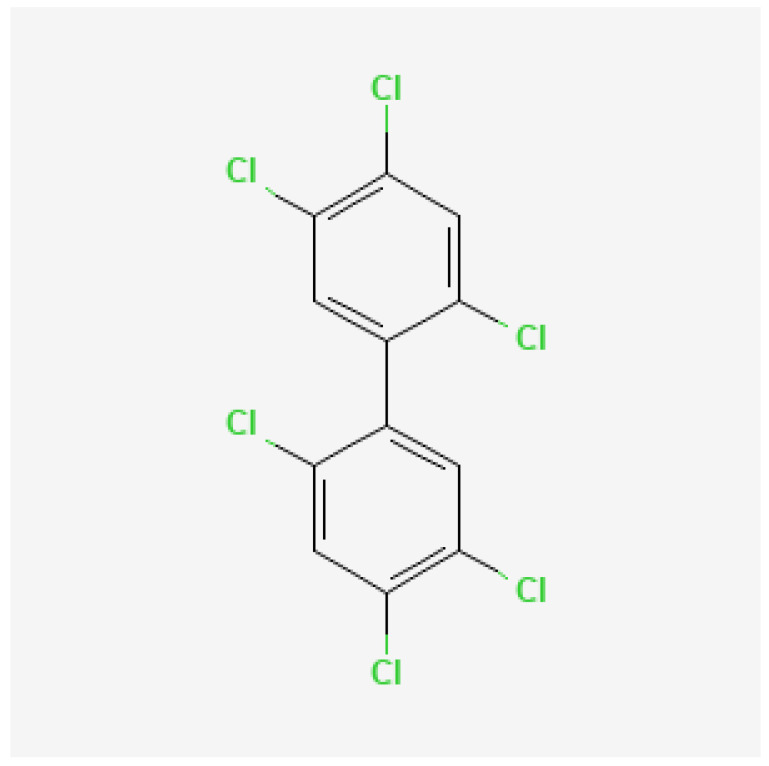 Figure 1
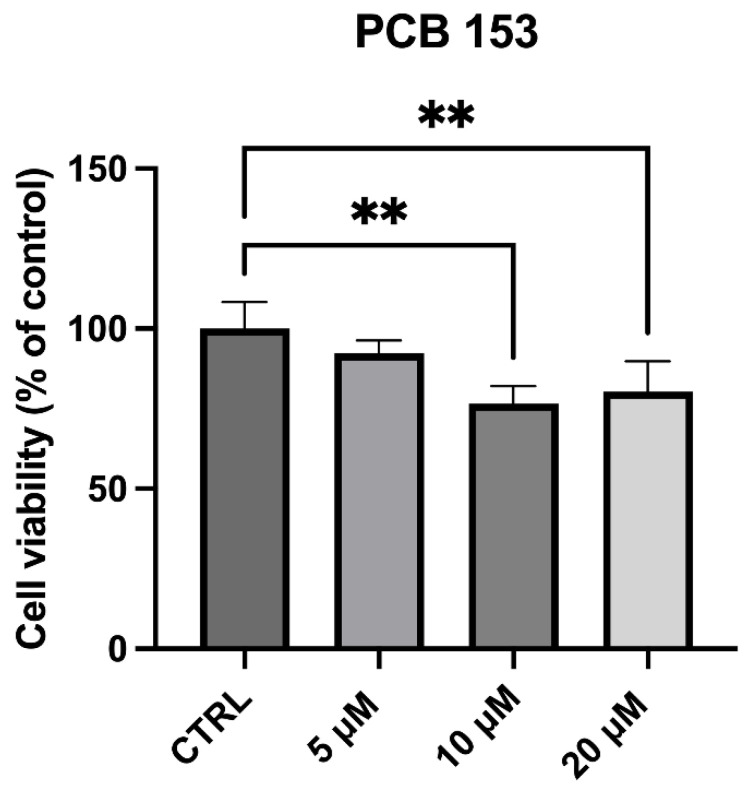 Figure 2
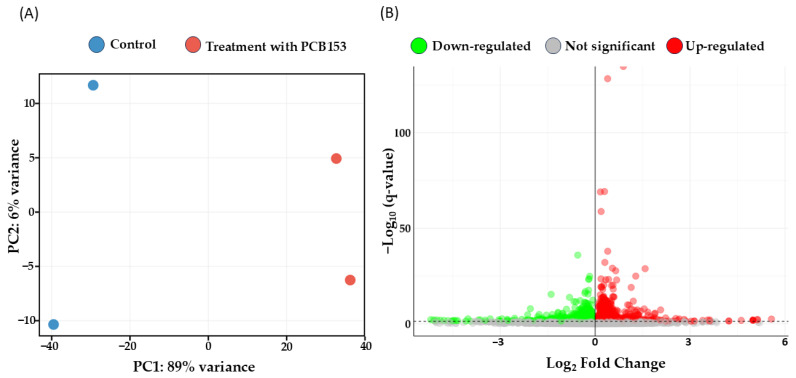 Figure 3
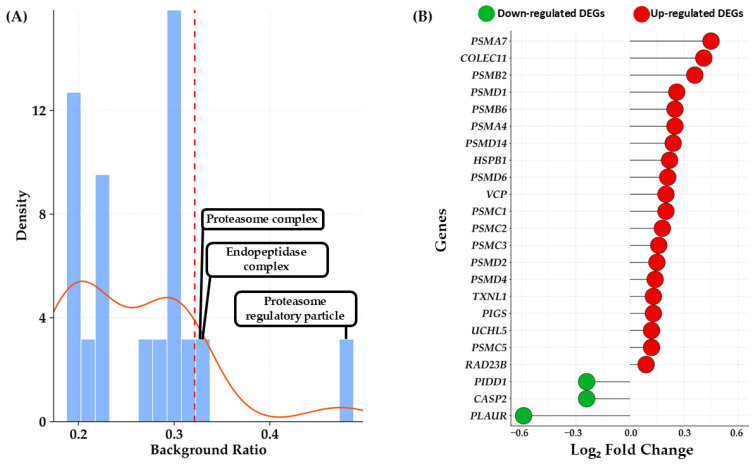 Figure 4
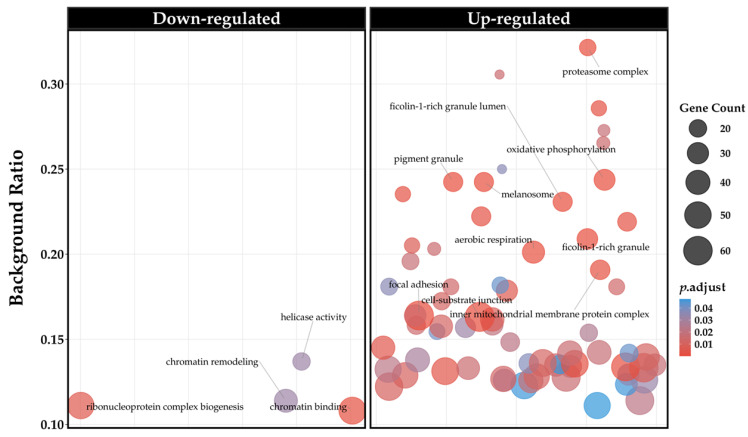 Figure 5
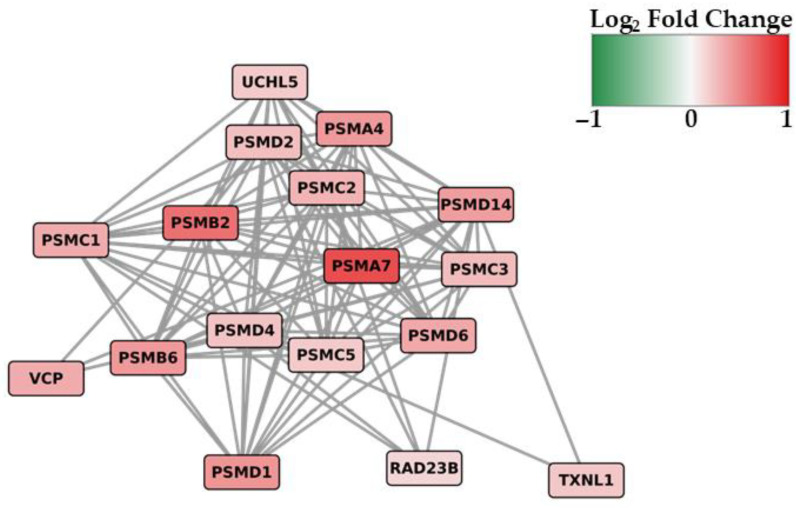 Figure 6
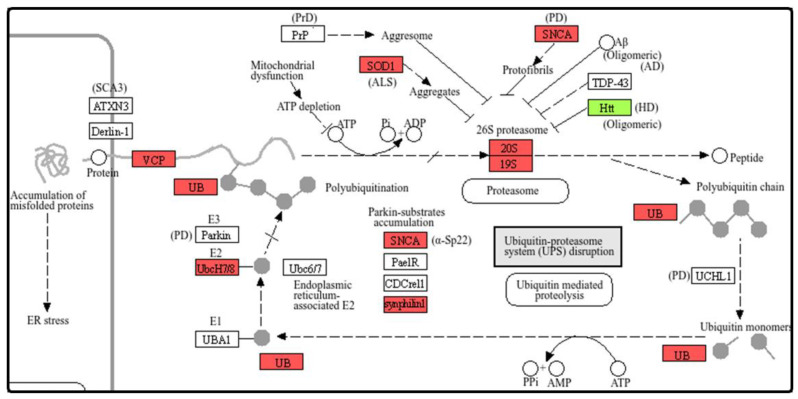 Figure 7
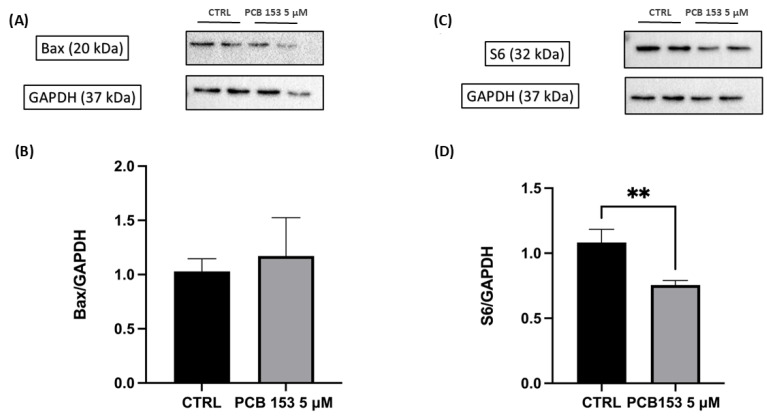 Figure 8
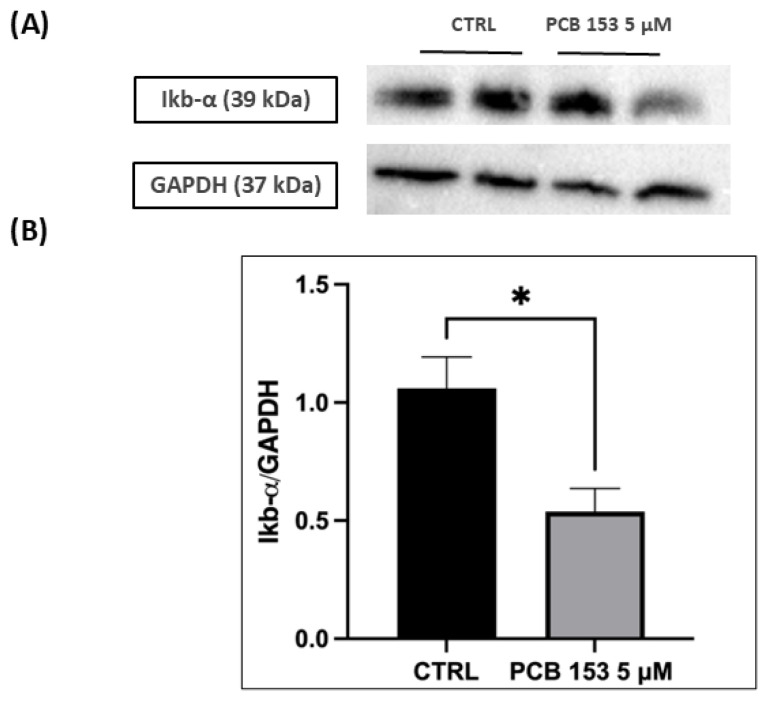 Figure 9
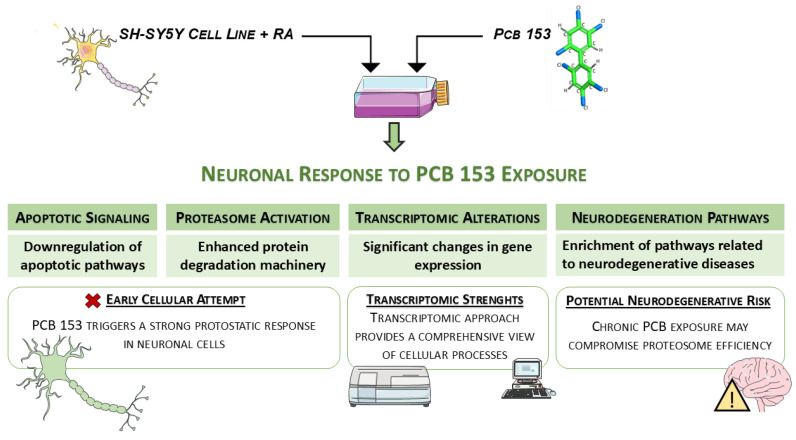 Figure 10
Peer Reviews
No public reviews on file for this paper yet. If you reviewed it on a platform where reviews are public (OpenReview, ICLR, NeurIPS, ICML), you can paste yours below so the community can read it here.
Videos
No videos yet. Explain this paper in a talk, walkthrough, or lecture? Add one.
Taxonomy
TopicsToxic Organic Pollutants Impact · Amyotrophic Lateral Sclerosis Research · Genetic Neurodegenerative Diseases