Urban Recreation Areas as Foci of Tick Hazard: Multi-Year Seasonal Patterns of Ixodes ricinus and Dermacentor reticulatus Activity and Host Spectrum of Their Juvenile Stages in Eastern Poland
Zbigniew Zając, Aneta Woźniak, Joanna Kulisz

TL;DR
Urban parks in Poland have predictable seasonal patterns of tick activity, with rodents playing a key role in maintaining tick populations.
Contribution
Long-term seasonal patterns and host associations of two tick species in urban recreational areas are described over five years.
Findings
Dermacentor reticulatus was more abundant and showed autumn activity peaks, while Ixodes ricinus peaked in late spring and early summer.
Seasonal timing was a stronger predictor of tick activity than short-term temperature or humidity changes.
Juvenile ticks of both species were most commonly found on striped field mice (Apodemus agrarius).
Abstract
Urban parks and green spaces are widely used for recreation but may also increase human exposure to ticks. In this study, tick activity was monitored over five years in urban park in eastern Poland. Two common European species, Dermacentor reticulatus and Ixodes ricinus, were examined to describe their seasonal activity and host associations. D. reticulatus was more abundant and showed pronounced autumn activity, whereas I. ricinus was most active in late spring and early summer. Tick activity was primarily related to seasonal timing rather than short-term variation in temperature or humidity. Juvenile stages of both species were most frequently found on striped field mice (Apodemus agrarius), highlighting the role of urban-adapted rodents in maintaining tick populations. These results indicate that urban recreational areas can act as persistent sources of tick exposure with predictable…
Genes, proteins, chemicals, diseases, species, mutations and cell lines named across the full text — each resolved to its canonical identifier and authoritative record.
Click any figure to enlarge with its caption.
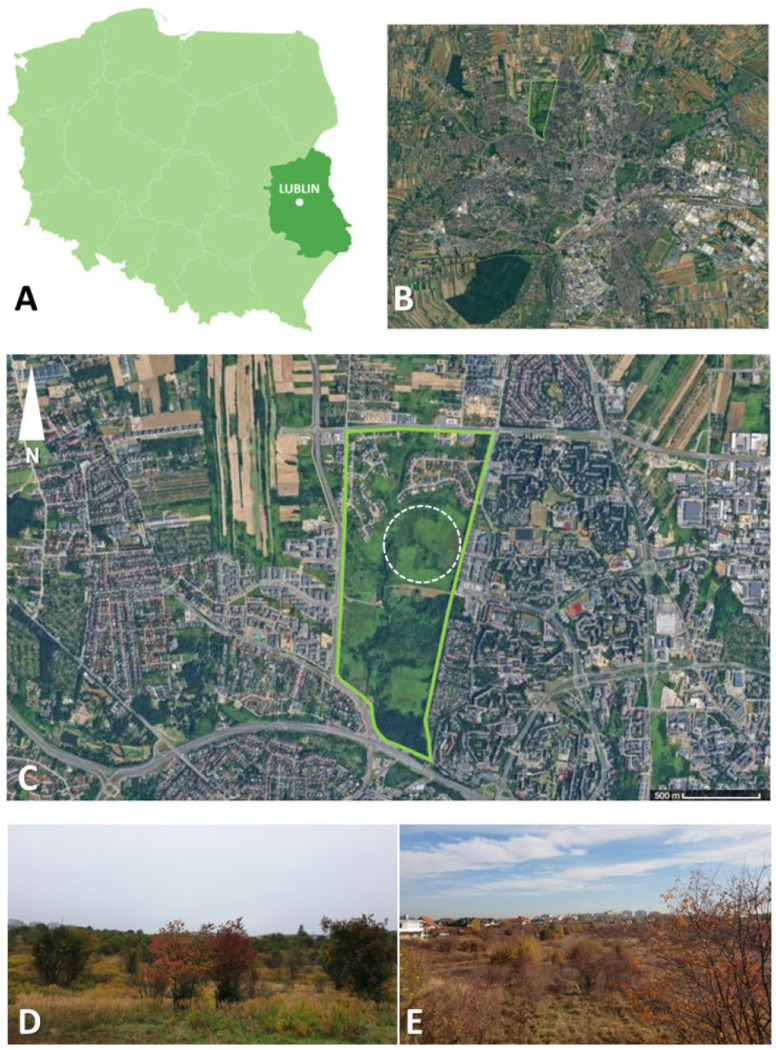 Figure 1
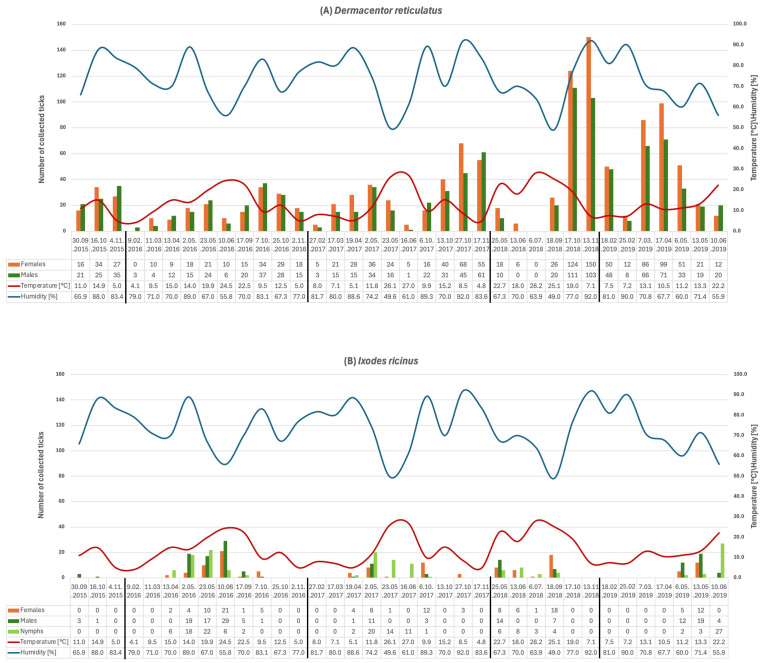 Figure 2
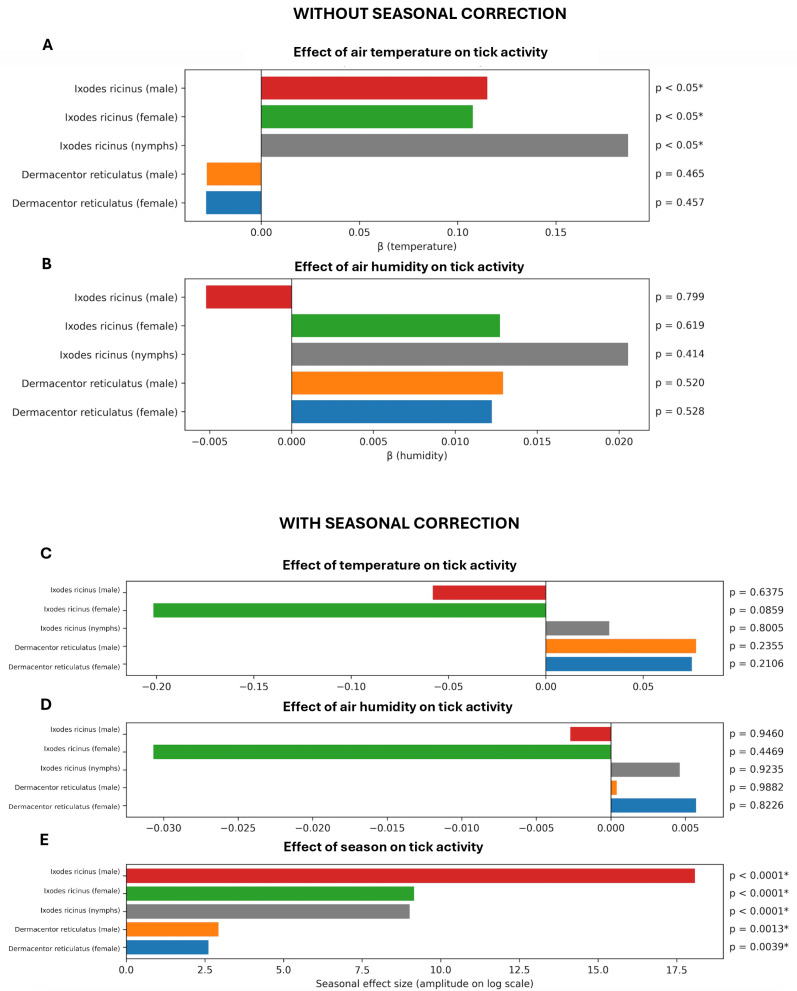 Figure 3
Peer Reviews
No public reviews on file for this paper yet. If you reviewed it on a platform where reviews are public (OpenReview, ICLR, NeurIPS, ICML), you can paste yours below so the community can read it here.
Videos
No videos yet. Explain this paper in a talk, walkthrough, or lecture? Add one.
Taxonomy
TopicsVector-borne infectious diseases · Zoonotic diseases and public health · Bartonella species infections research