Phase II Study of Pegvorhyaluronidase Alfa (PEGPH20) and Pembrolizumab for Patients with Hyaluronan-High, Pretreated Metastatic Pancreatic Ductal Adenocarcinoma: PCRT16-001
Elena Gabriela Chiorean, Sheela R. Damle, David B. Zhen, Martin Whittle, Ben George, Howard Hochster, Andrew L. Coveler, Andrew Hendifar, Tomislav Dragovich, Rachael A. Safyan, Gentry T. King, William P. Harris, Barbara Dion, Amy Stoll D’Astice, Arthur Lee, Shelley Thorsen

TL;DR
A clinical trial tested a combination therapy for pancreatic cancer but found it not effective enough, though it was safe and showed some survival correlations with immune markers.
Contribution
The study is the first to evaluate PEGPH20 and pembrolizumab in HA-high metastatic pancreatic cancer and found safety and survival correlations with TCR clonality.
Findings
The treatment was safe but had limited efficacy with a median PFS of 1.5 months and stable disease in 29% of patients.
Higher baseline tumor T cell receptor clonality correlated with longer overall survival.
Prolonged survival was observed in patients who received subsequent chemotherapy after the trial.
Abstract
Pancreatic ductal adenocarcinoma (PDA) is a stroma-rich tumor which poses a barrier to anti-tumor immune surveillance. Stroma targeting with PEGPH20 improves infiltration of cytotoxic T-lymphocytes and delivery of PD1/PD-L1 antibodies in tumor models. This multicenter phase II study evaluated the efficacy, safety, and biomarkers of immune response and stroma modulation in patients with HA-high refractory PDA treated with PEGPH20 and pembrolizumab. Treatment was safe and conferred a median overall survival of 7.2 months in PDA patients pretreated with a median of two prior therapies. Nevertheless, with best response of stable disease in two of seven patients (29%) and PFS of only 1.5 months, this regimen was not deemed sufficiently effective in refractory HA-high PDA. Biomarker analysis noted a correlation between higher baseline tumor T cell receptor (TCR) clonality and longer overall…
Genes, proteins, chemicals, diseases, species, mutations and cell lines named across the full text — each resolved to its canonical identifier and authoritative record.
Click any figure to enlarge with its caption.
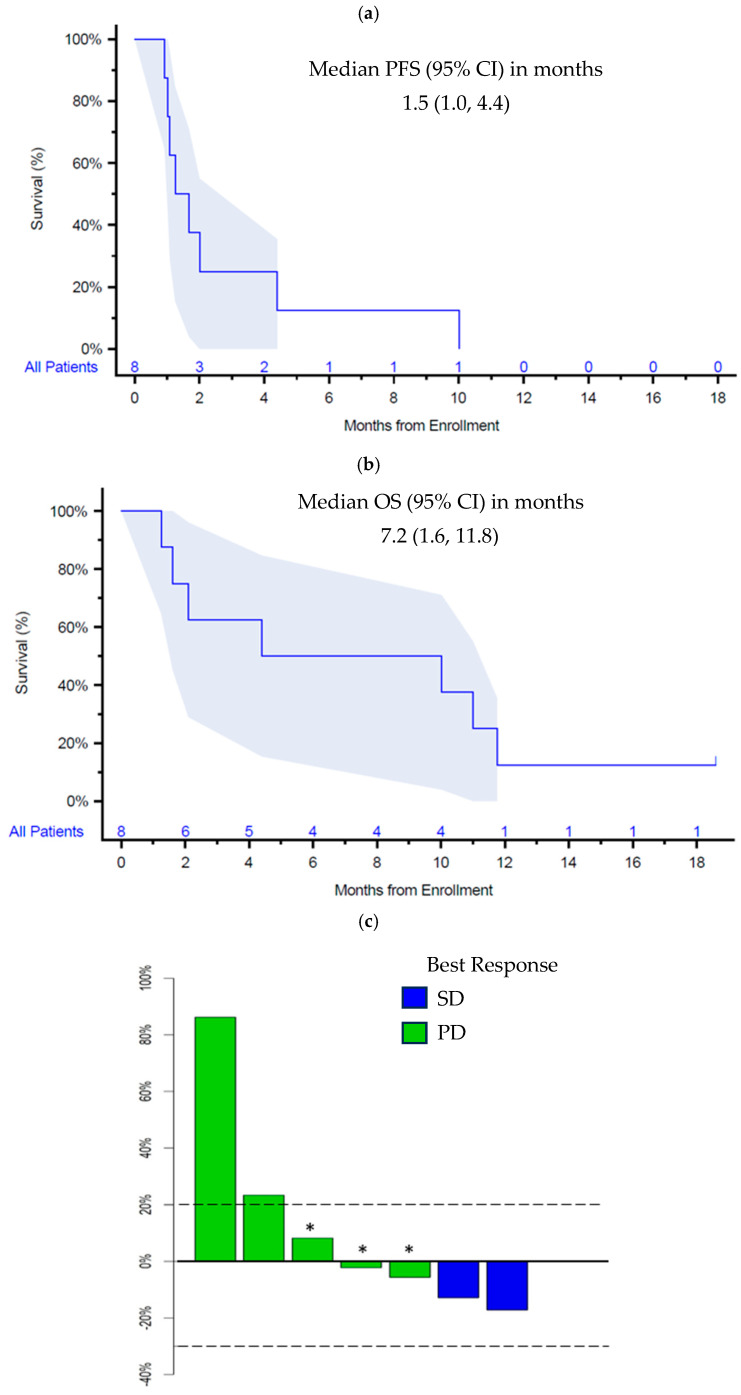 Figure 1
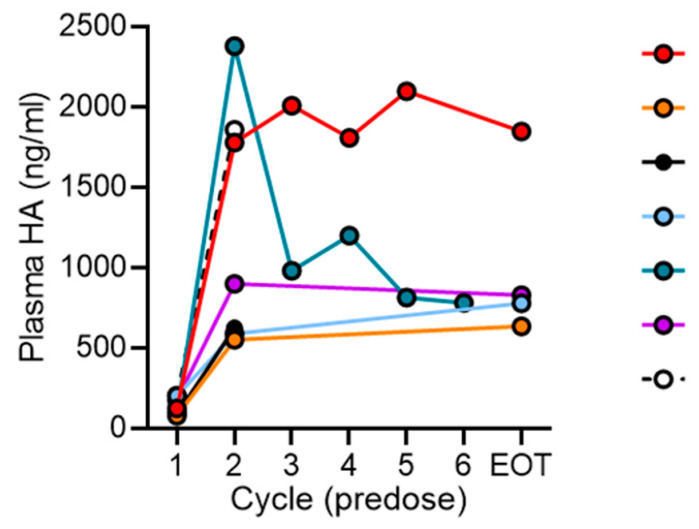 Figure 2
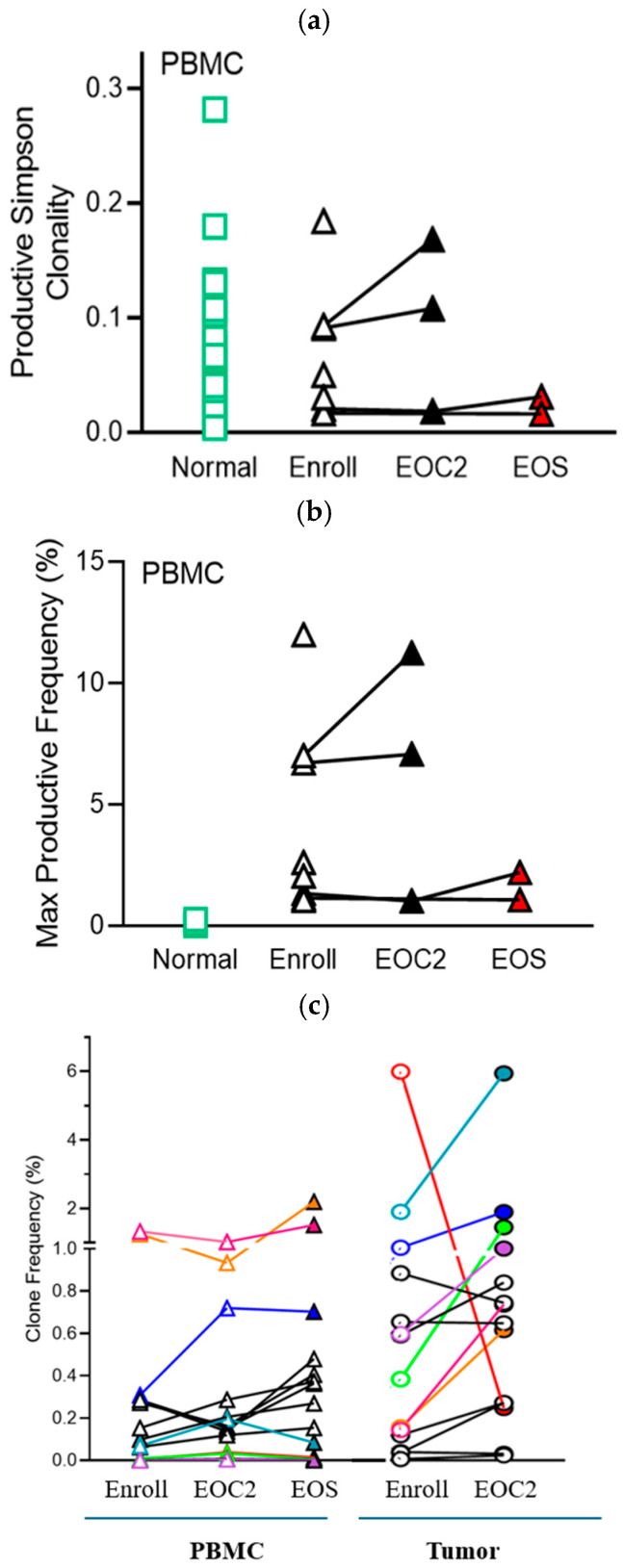 Figure 3
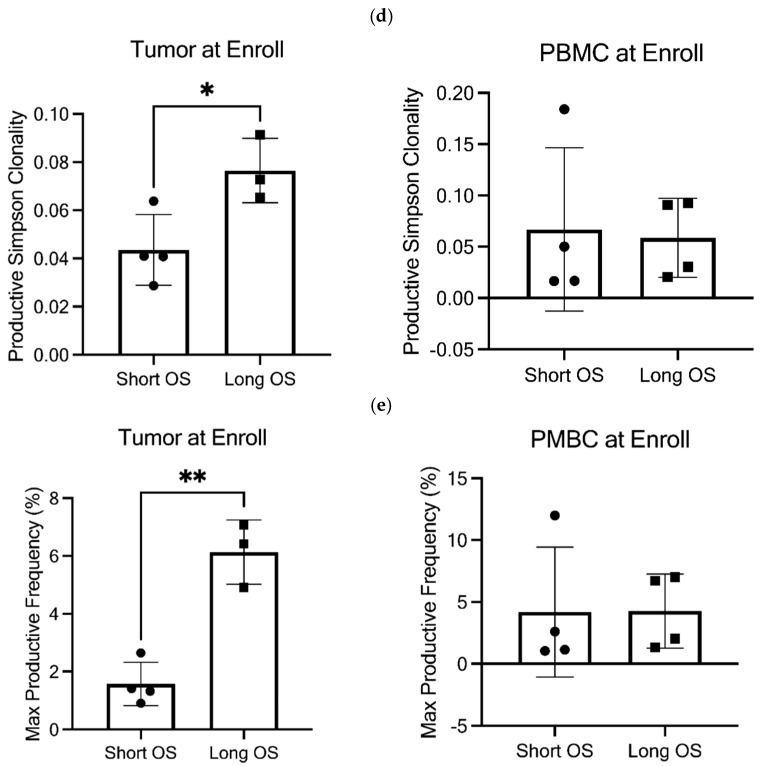 Figure 4
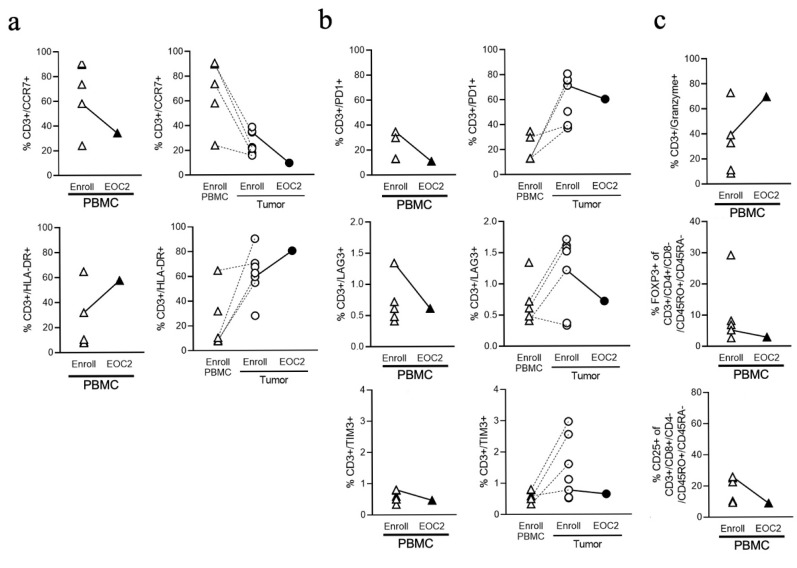 Figure 5
Peer Reviews
No public reviews on file for this paper yet. If you reviewed it on a platform where reviews are public (OpenReview, ICLR, NeurIPS, ICML), you can paste yours below so the community can read it here.
Videos
No videos yet. Explain this paper in a talk, walkthrough, or lecture? Add one.
Taxonomy
TopicsProteoglycans and glycosaminoglycans research · Pancreatic and Hepatic Oncology Research · Peptidase Inhibition and Analysis