Comparison Between Alpelisib Plus Endocrine Therapy and Everolimus Plus Endocrine Therapy After CDK4/6 Inhibitors Progression in Patients with PIK3CA-Mutant Metastatic Breast Cancer: A Single-Center Retrospective Study
Sotiris Loizidis, Damianos Michaelides, Yiola Marcou, Eleni Kakouri, Ifigenia Konstantinou, Anastasia Constantinidou, Stavroula Theophanous-Kitiri, Elisavet Papageorgiou, Kyriaki Michailidou, Myria Galazi

TL;DR
This study compares the effectiveness of alpelisib and everolimus combined with endocrine therapy in treating metastatic breast cancer after CDK4/6 inhibitors fail, finding similar outcomes for both.
Contribution
The study provides a direct comparison of alpelisib and everolimus in a real-world setting after CDK4/6 inhibitor failure in PIK3CA-mutant metastatic breast cancer.
Findings
Alpelisib plus endocrine therapy showed a median progression-free survival of 4.9 months compared to 4.5 months for everolimus.
Everolimus plus exemestane had a median overall survival of 18.3 months, higher than alpelisib's 9.6 months.
Side effects differed, with hyperglycemia common in alpelisib and fatigue in everolimus groups.
Abstract
Alpelisib, an α-specific PI3K inhibitor, was approved as the first targeted therapy against PIK3CA-mutant metastatic breast cancer. Nevertheless, its efficacy post CDK4/6 inhibitors failure has not yet been tested in a randomized trial. Everolimus, an mTOR inhibitor, is still in use in many countries, but, like alpelisib, it has never been evaluated at a randomized trial level after CDK4/6 inhibitor failure in PIK3CA-mutant metastatic breast cancer. In this single-center retrospective study, we compare alpelisib plus endocrine therapy with everolimus plus endocrine therapy in patients with PIK3CA-mutant metastatic breast cancer who progressed on CDK4/6 inhibitors. Background: Evidence on the efficacy of alpelisib in combination with fulvestrant after progression on CKD4/6 inhibitors (CDK4/6i) is derived from a single non-comparative prospective study. Conversely, the effectiveness of…
Genes, proteins, chemicals, diseases, species, mutations and cell lines named across the full text — each resolved to its canonical identifier and authoritative record.
Click any figure to enlarge with its caption.
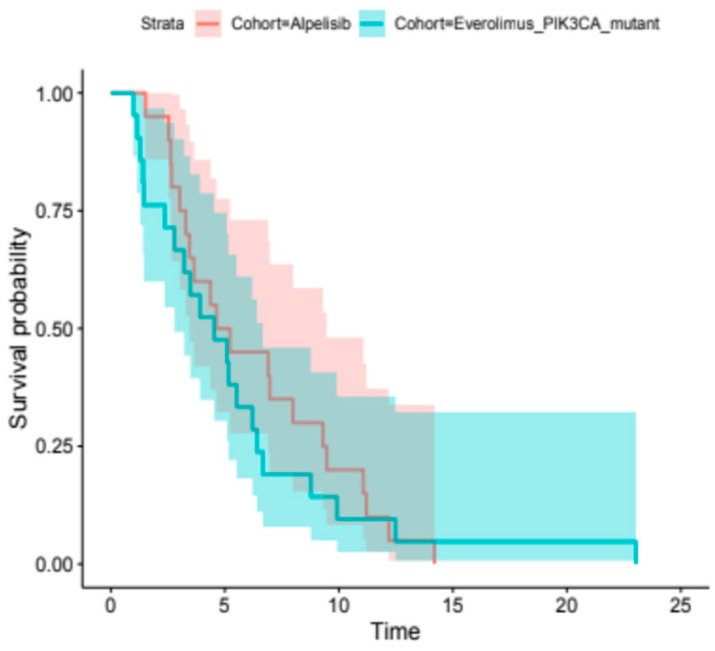 Figure 1
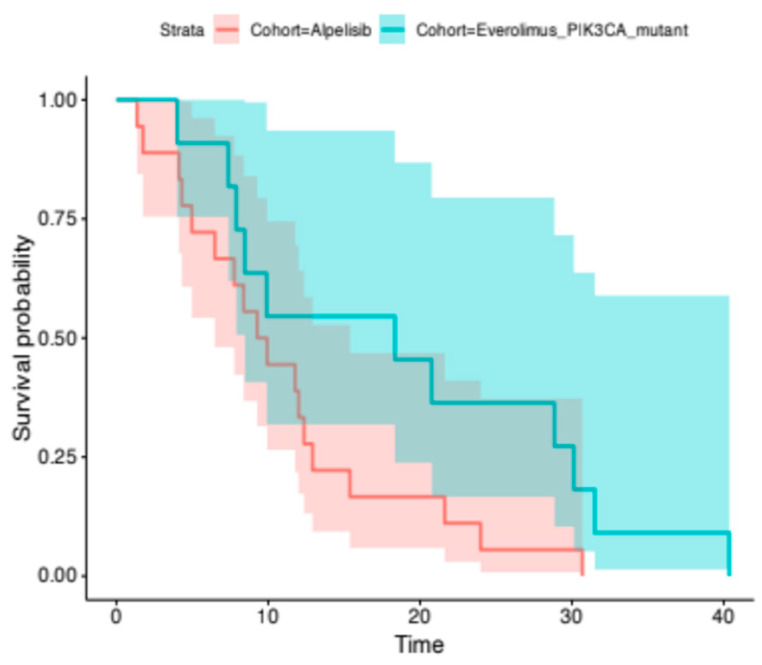 Figure 2
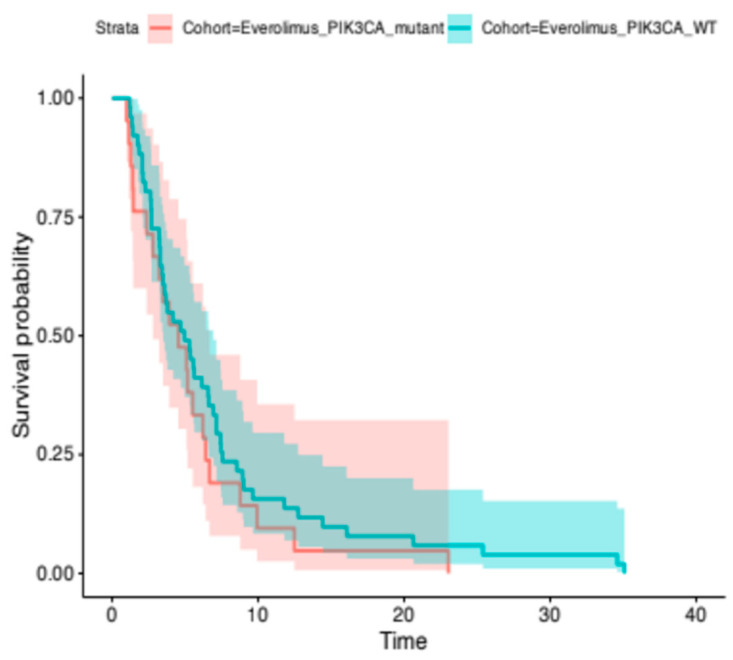 Figure 3
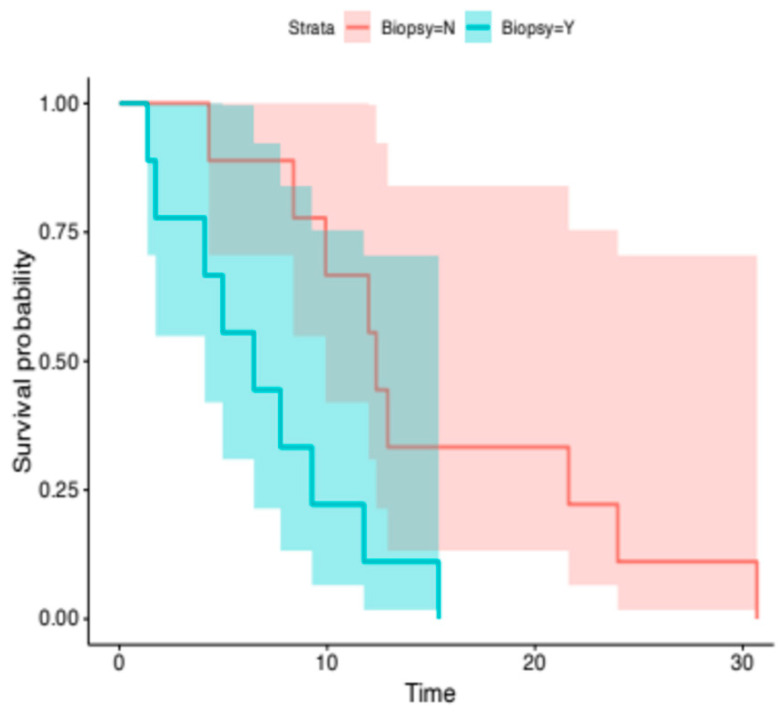 Figure 4
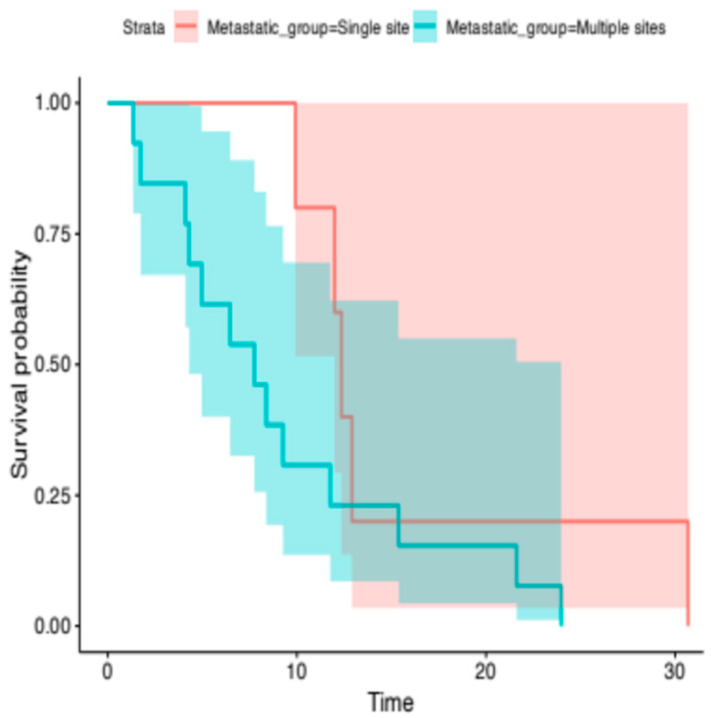 Figure 5
Peer Reviews
No public reviews on file for this paper yet. If you reviewed it on a platform where reviews are public (OpenReview, ICLR, NeurIPS, ICML), you can paste yours below so the community can read it here.
Videos
No videos yet. Explain this paper in a talk, walkthrough, or lecture? Add one.
Taxonomy
TopicsAdvanced Breast Cancer Therapies · PI3K/AKT/mTOR signaling in cancer · PARP inhibition in cancer therapy