A Replication-Competent Flavivirus Genome with a Stable GFP Insertion at the NS1-NS2A Junction
Pavel Tarlykov, Bakytkali Ingirbay, Dana Auganova, Tolganay Kulatay, Viktoriya Keyer, Sabina Atavliyeva, Maral Zhumabekova, Arman Abeev, Alexandr V. Shustov

TL;DR
Scientists created a modified yellow fever virus that includes a glowing protein to study how the virus replicates and identify a key enzyme involved in its life cycle.
Contribution
The first replication-competent flavivirus genome with a stable GFP insertion near the NS1-NS2A cleavage site.
Findings
Co-adaptive mutations in GFP and NS4A partially restored viability of the modified virus.
A frameshift in the NS1-GFP linker improved replicon stability and flexibility.
The NS1-GFP fusion localizes to the endoplasmic reticulum and replication organelles.
Abstract
Viruses rely on molecular machines to replicate in living cells. The yellow fever virus and some others from fifty related viruses cause human disease, making it important to understand their replication machinery for therapeutic purposes. This machinery includes two proteins: nonstructural proteins one and two, which act as gears in a molecular clockwork. While their functions are partly understood, it remains unclear how these proteins are produced. They are generated by cleavage of a single precursor, yet the cellular “tool” responsible for this cut (a protease)—a potential antiviral target—has not been identified. In this study, we aimed to modify the precursor at an unusual site—very close to the cleavage site—by fusing nonstructural protein one to a green fluorescent protein. This forced the viral machinery to adjust by accumulating adaptive mutations. We describe the mutations in…
Genes, proteins, chemicals, diseases, species, mutations and cell lines named across the full text — each resolved to its canonical identifier and authoritative record.
Click any figure to enlarge with its caption.
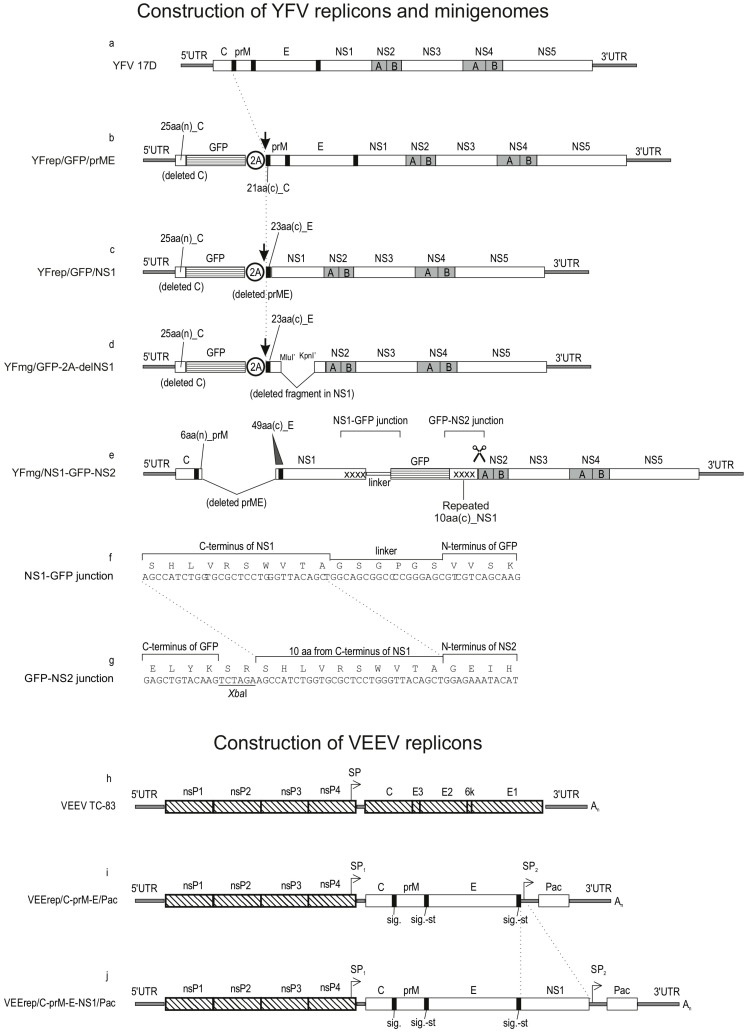 Figure 1
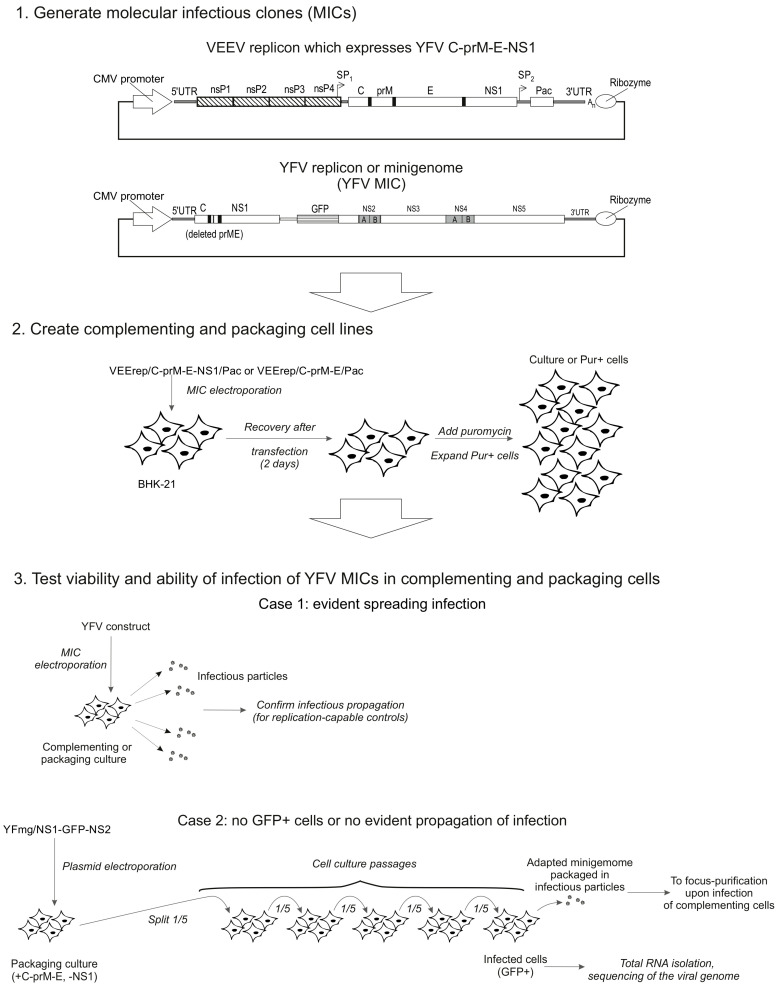 Figure 2
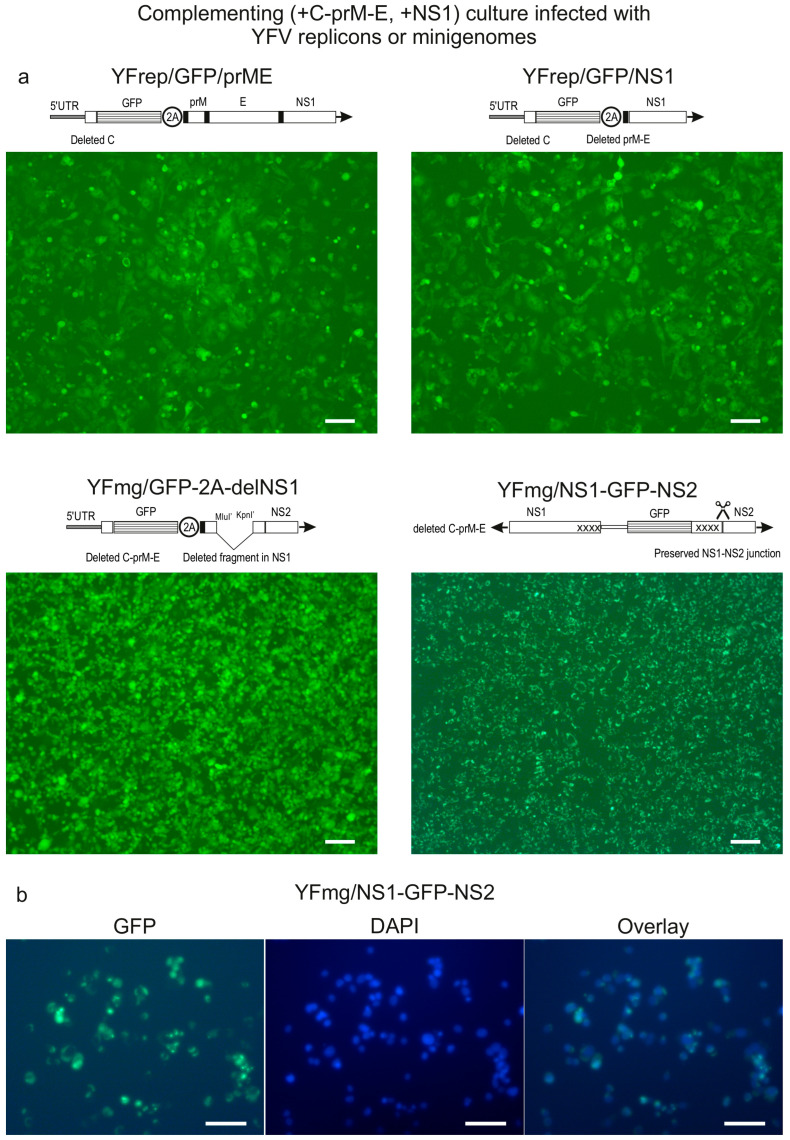 Figure 3
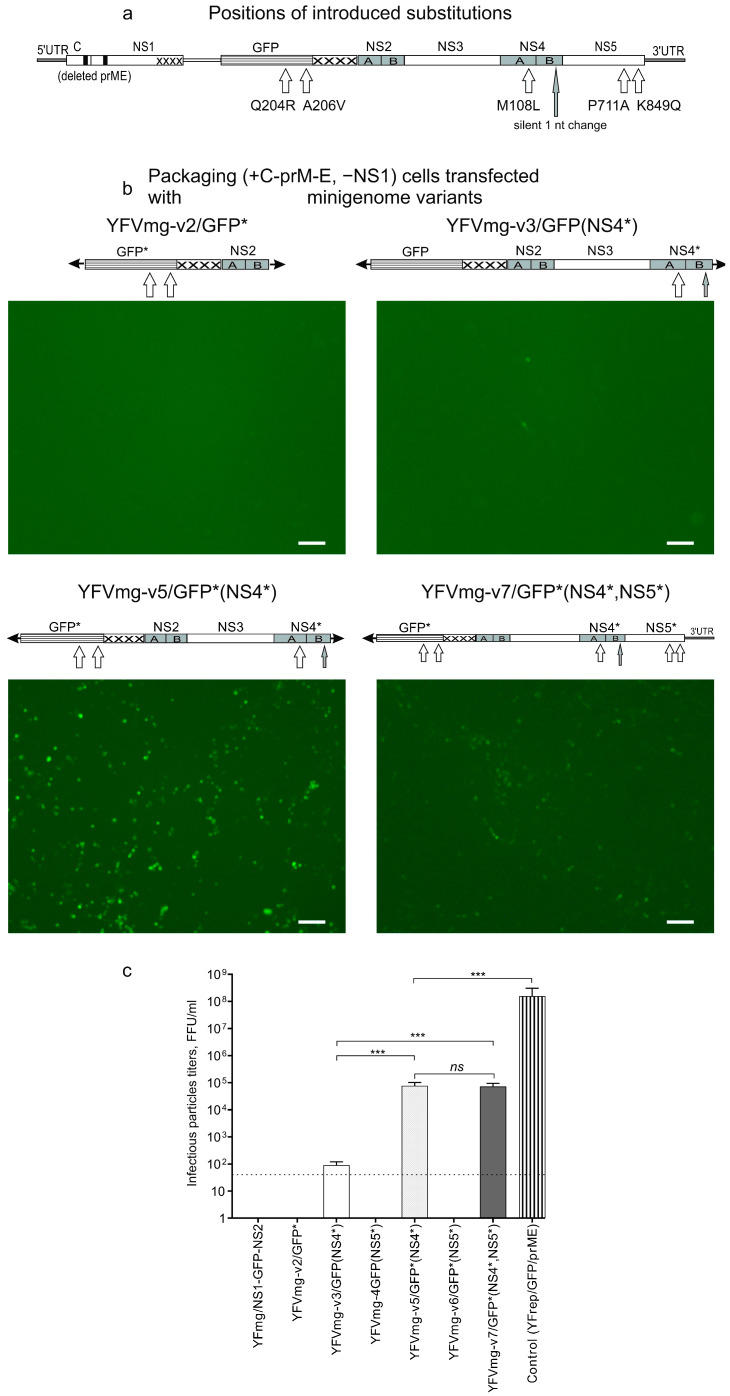 Figure 4
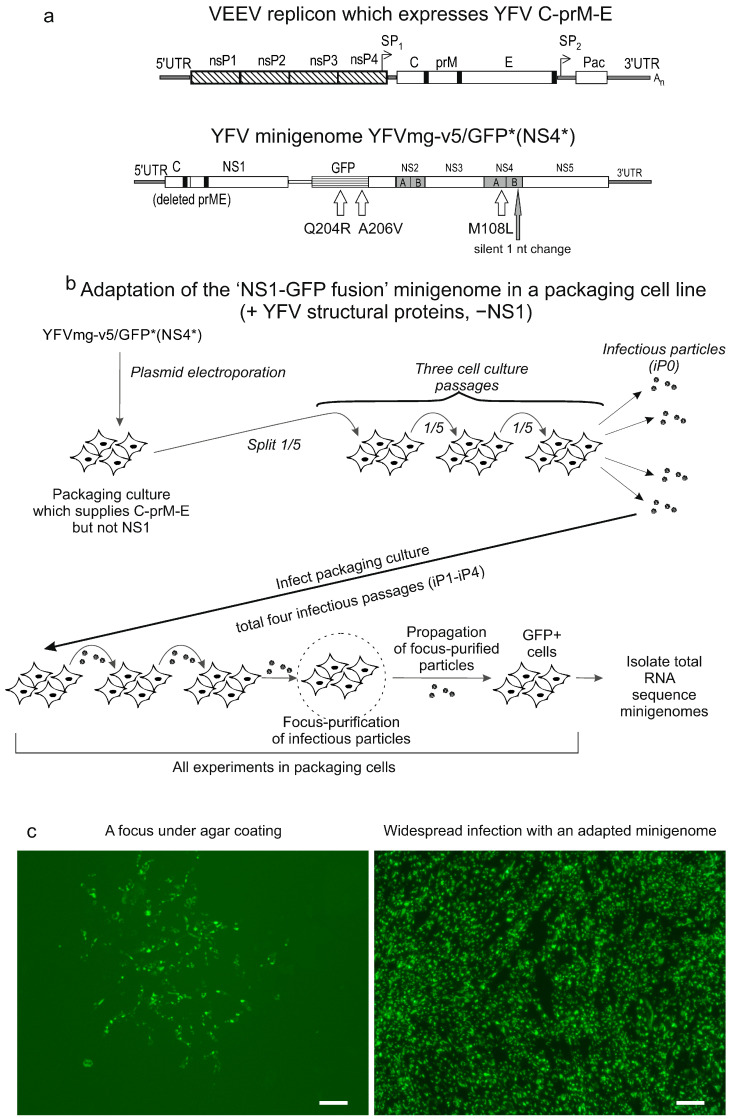 Figure 5
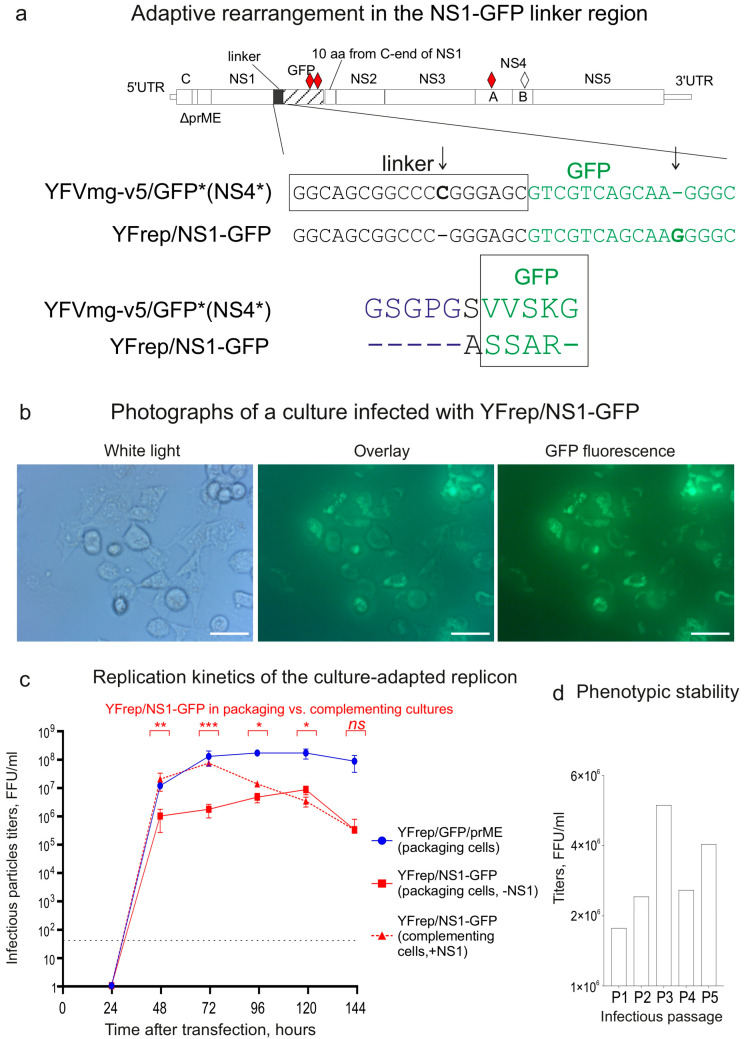 Figure 6
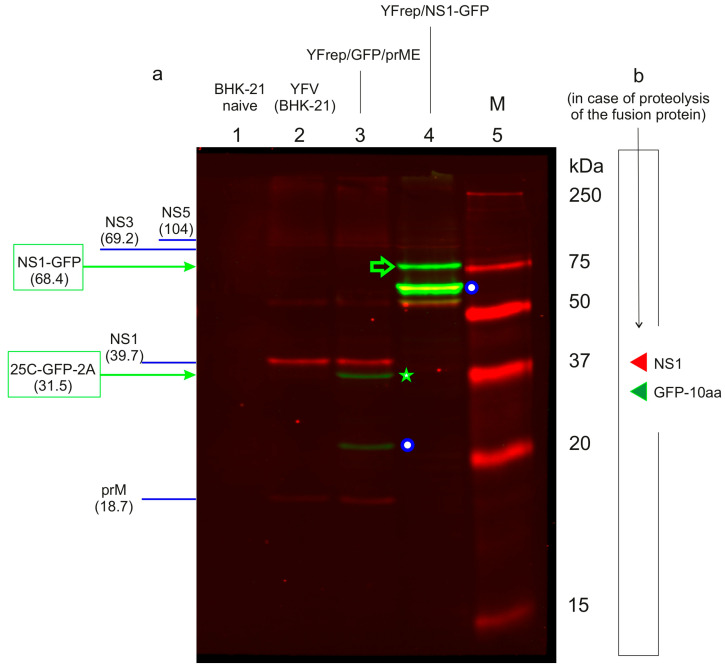 Figure 7
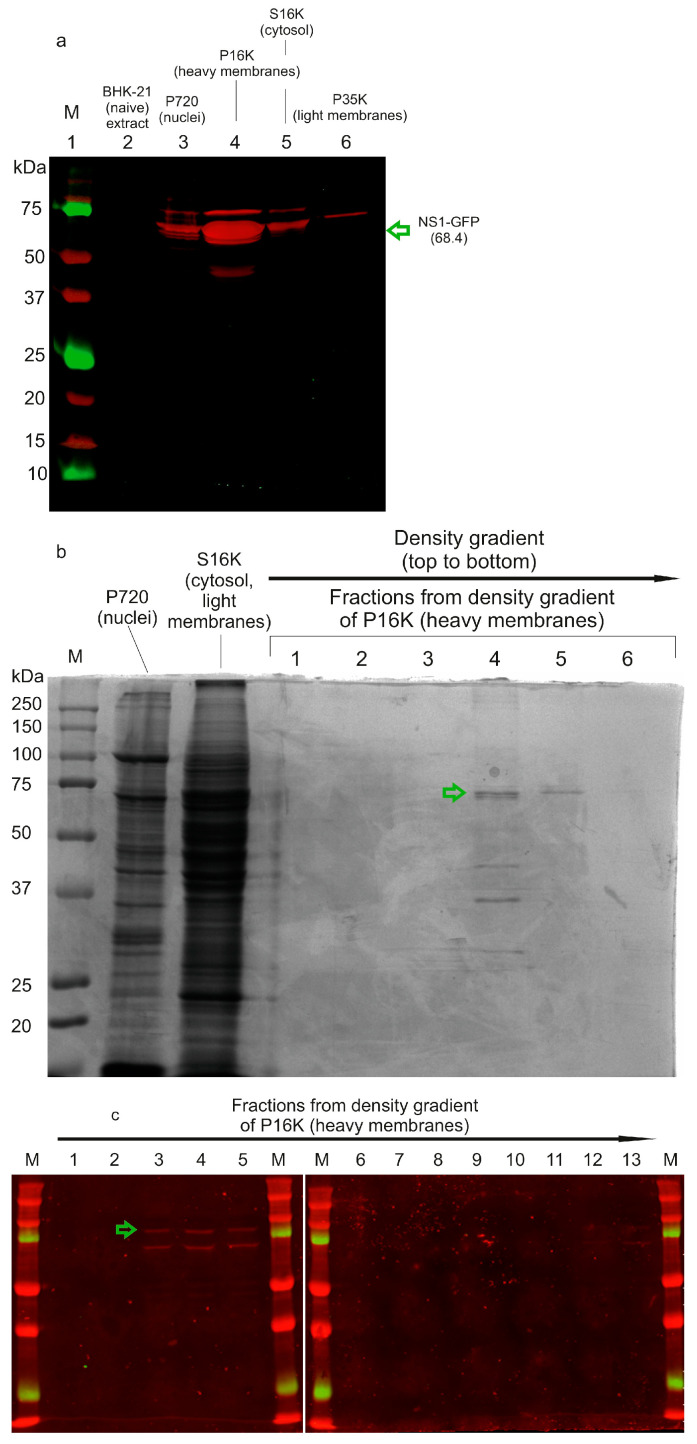 Figure 8
Peer Reviews
No public reviews on file for this paper yet. If you reviewed it on a platform where reviews are public (OpenReview, ICLR, NeurIPS, ICML), you can paste yours below so the community can read it here.
Videos
No videos yet. Explain this paper in a talk, walkthrough, or lecture? Add one.
Taxonomy
TopicsMosquito-borne diseases and control · Plant Virus Research Studies · Viral Infections and Outbreaks Research