Curing Parthenogenesis-Inducing (PI) Wolbachia-Induced Reproductive Disorders in the Egg Parasitoid Telenomus remus
I-Cheng Tu, Ching-Ting Lai, Li-Hsin Wu

TL;DR
Scientists cured a parasitic wasp of a bacteria that alters its reproduction and found that cured wasps can reproduce normally but face breeding barriers with uninfected wasps.
Contribution
The study demonstrates reproductive incompatibility between cured and uninfected wasp populations, which has implications for biological pest control.
Findings
Cured wasps retained normal sexual reproduction but showed strong male-biased offspring when crossed with uninfected wasps.
Second-generation hybrids showed partially recovered sex ratios, suggesting genetic divergence rather than permanent damage.
The findings highlight the importance of evaluating reproductive barriers before using cured wasp populations in pest control.
Abstract
Certain bacteria live inside insects and can dramatically alter how they reproduce. One such bacterium, called Wolbachia, infects a tiny parasitic wasp (Telenomus remus) that naturally controls fall armyworm, a destructive crop pest. This bacterium causes infected female wasps to produce only female offspring without mating, which could be advantageous for pest control programs that rely on female wasps to attack pest eggs. However, previous studies on related wasp species suggested that long-term infection may permanently damage the wasps’ ability to reproduce normally. We removed the bacterium using antibiotics and tested whether cured wasps could still mate and produce offspring normally. While cured wasps reproduced normally among themselves, crosses between cured and naturally uninfected wasps produced almost exclusively male offspring, indicating a breeding barrier between these…
Genes, proteins, chemicals, diseases, species, mutations and cell lines named across the full text — each resolved to its canonical identifier and authoritative record.
Click any figure to enlarge with its caption.
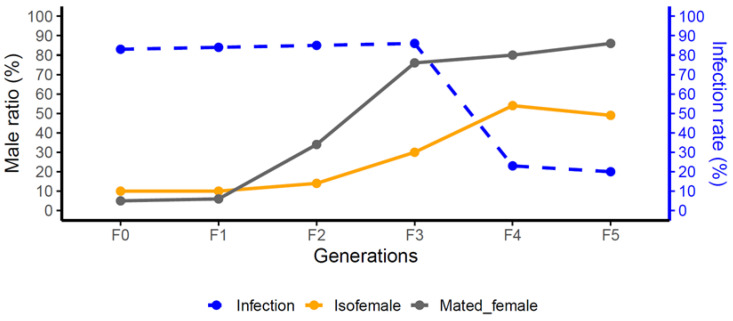 Figure 1
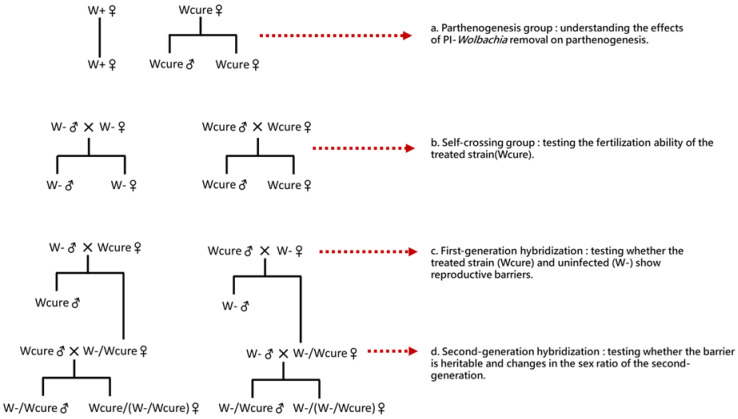 Figure 2
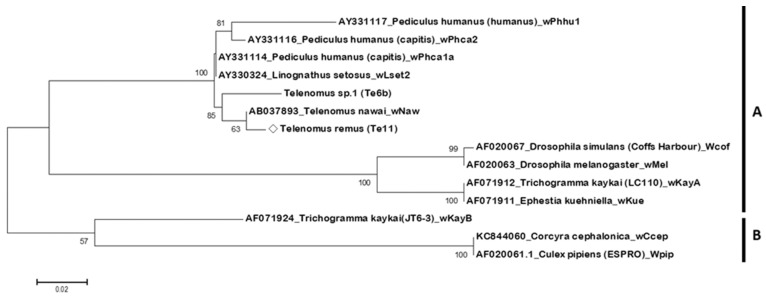 Figure 3
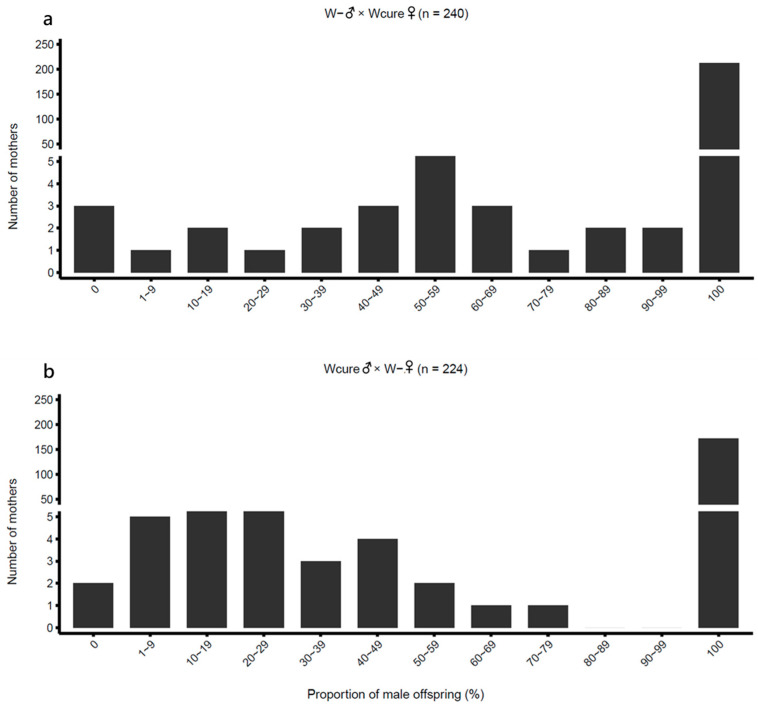 Figure 4
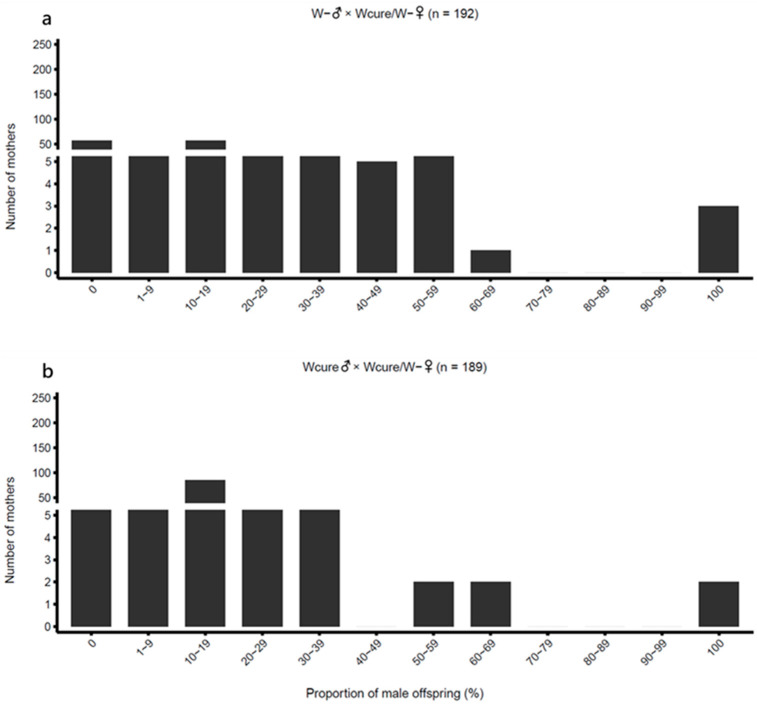 Figure 5
Peer Reviews
No public reviews on file for this paper yet. If you reviewed it on a platform where reviews are public (OpenReview, ICLR, NeurIPS, ICML), you can paste yours below so the community can read it here.
Videos
No videos yet. Explain this paper in a talk, walkthrough, or lecture? Add one.
Taxonomy
TopicsInsect symbiosis and bacterial influences · Insect and Pesticide Research · CO2 Reduction Techniques and Catalysts