Multiplex qPCR Assay for Simultaneous Detection of Three PST-Producing Dinoflagellates in the East China Sea off Southern Korea
Jung Soo Heo, Biet Thanh Tran, Keun-Yong Kim, Sunju Kim, Seok Hyun Youn, Tae Gyu Park

TL;DR
A new DNA-based test was developed to quickly detect three harmful algae species in seawater, helping prevent shellfish poisoning and improve coastal water monitoring.
Contribution
A novel multiplex qPCR assay was developed for simultaneous detection of three PST-producing dinoflagellates.
Findings
The assay successfully detected Alexandrium catenella and A. pacificum in field samples.
The method showed strong linearity and high amplification efficiency with no cross-reactivity.
Gymnodinium catenatum was not detected during the survey period.
Abstract
Some microscopic algae in the ocean produce strong toxins that can accumulate in shellfish and cause serious food poisoning in humans. Detecting these harmful algae early is important to protect public health and marine ecosystems, but traditional identification methods are slow and often unreliable. In this study, we developed a DNA-based test that can quickly and accurately detect three toxin-producing algae species at the same time using a single analysis. This method was tested with seawater samples collected near southern Korea and successfully detected two harmful species that are commonly found in the region. The new test is fast, sensitive, and reliable, making it useful for routine monitoring of coastal waters. By improving early detection of toxic algae, this approach can help prevent shellfish poisoning events and support safer seafood production and marine management.…
Genes, proteins, chemicals, diseases, species, mutations and cell lines named across the full text — each resolved to its canonical identifier and authoritative record.
Click any figure to enlarge with its caption.
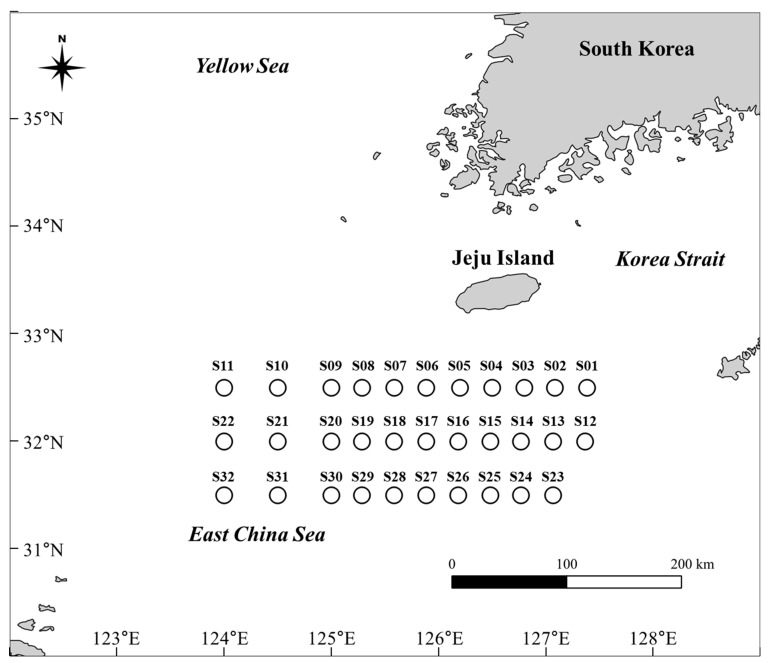 Figure 1
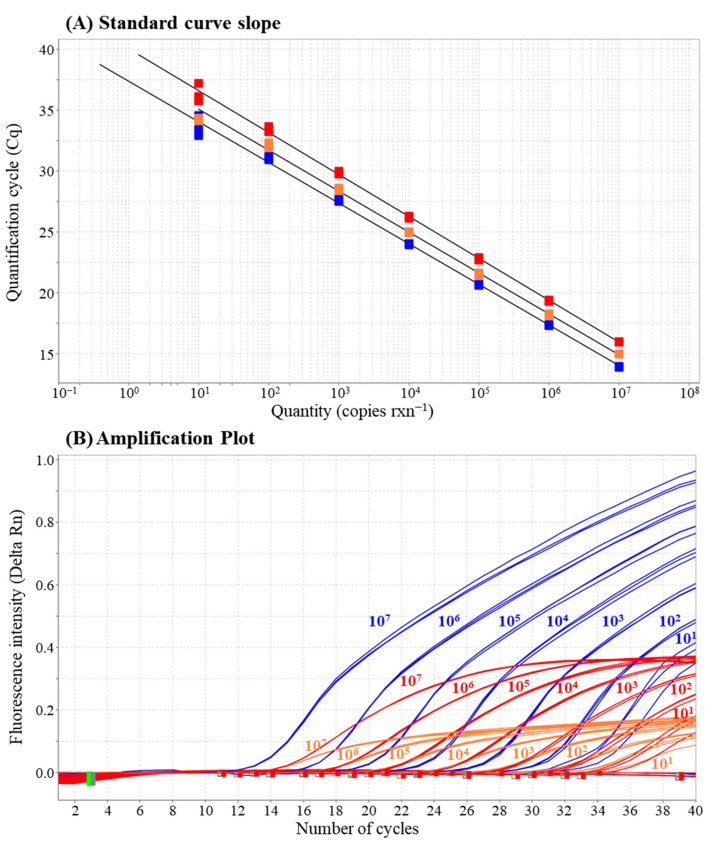 Figure 2
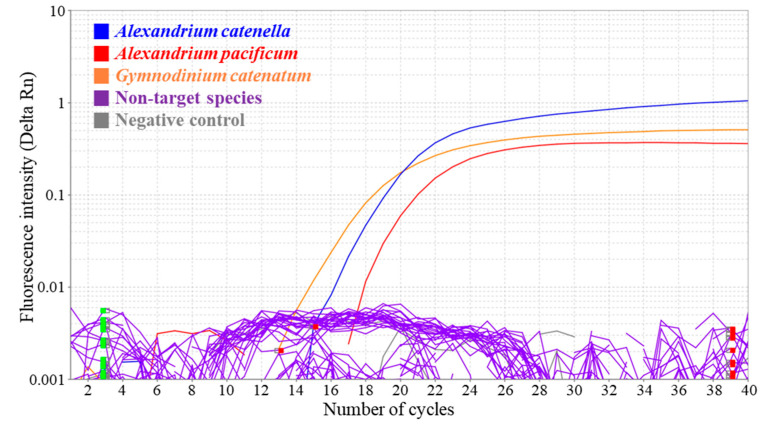 Figure 3
Peer Reviews
No public reviews on file for this paper yet. If you reviewed it on a platform where reviews are public (OpenReview, ICLR, NeurIPS, ICML), you can paste yours below so the community can read it here.
Videos
No videos yet. Explain this paper in a talk, walkthrough, or lecture? Add one.
Taxonomy
TopicsMarine Toxins and Detection Methods · Marine and coastal ecosystems · Microbial Community Ecology and Physiology