Revealing the Functional Microbiota of Caproic Acid-Producing and Lactic Acid-Utilizing Bacteria in the Pit Muds for Chinese Nong-Xiang Baijiu Fermentation
Qingwei Feng, Xiaohan Li, Lijuan Gong, Yanxia Wei, Zhongxue Bai, Jian Zhou, Yi Ma, Guiqiang He

TL;DR
This study identifies bacteria in fermented pit mud that help produce caproic acid and reduce lactic acid, improving Chinese baijiu quality.
Contribution
The study identifies specific bacteria linked to caproate synthesis and lactate utilization in aged pit mud for baijiu fermentation.
Findings
50-year-old pit mud had higher caproic acid and lower lactic acid compared to younger samples.
Petrimonas, Caproiciproducens, and Sedimentibacter were enriched in older pit mud and correlated with caproic acid production.
PICRUSt2 analysis showed higher gene abundance for caproate synthesis and lactate utilization in 50-year-old pit mud.
Abstract
Low ethyl caproate and high ethyl lactate contents pose a significant challenge in producing Chinese nong-xiang baijiu. The formation of these esters depends on the metabolism of their precursors—caproic acid and lactic acid—within the pit mud (PM) microbiome. However, the specific taxa driving the metabolic flux from lactate accumulation to caproate synthesis remain unclear. This study aimed to identify potential functional microbes capable of caproate biosynthesis and lactate utilization by systematically analyzing PM samples from the upper, middle, and lower layers of three different pit ages (0, 20, and 50 years). Results showed that 50-year-old PM exhibited significantly higher caproic acid and ammonium nitrogen levels, but lower lactic acid content, compared to the 0- and 20-year-old counterparts. Notably, Petrimonas, Caproiciproducens, and Sedimentibacter were significantly…
Genes, proteins, chemicals, diseases, species, mutations and cell lines named across the full text — each resolved to its canonical identifier and authoritative record.
Click any figure to enlarge with its caption.
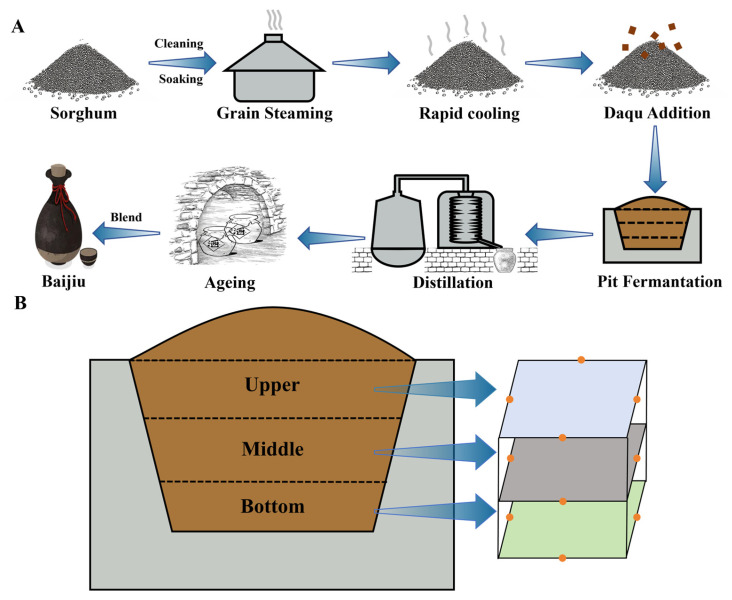 Figure 1
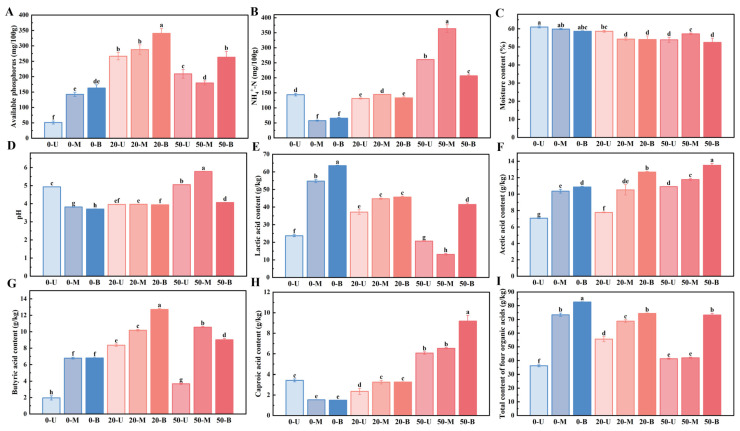 Figure 2
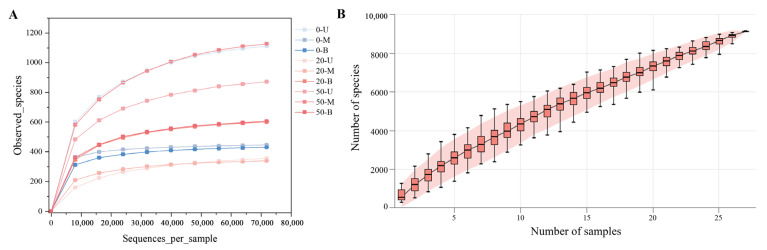 Figure 3
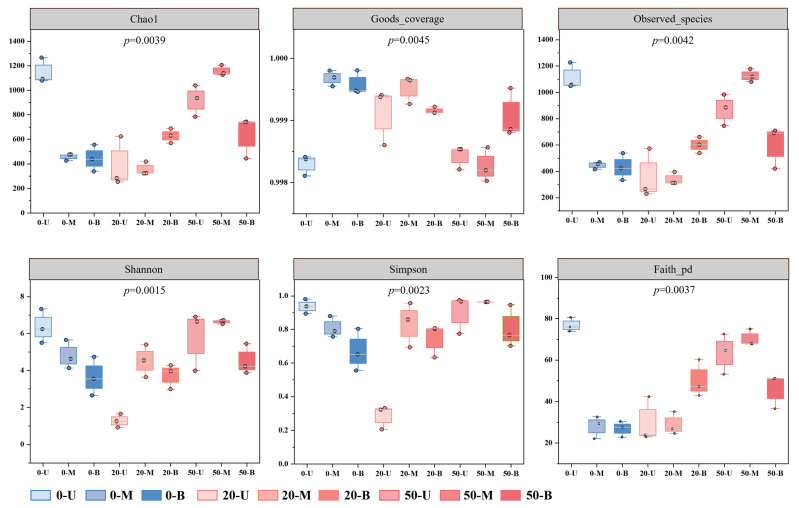 Figure 4
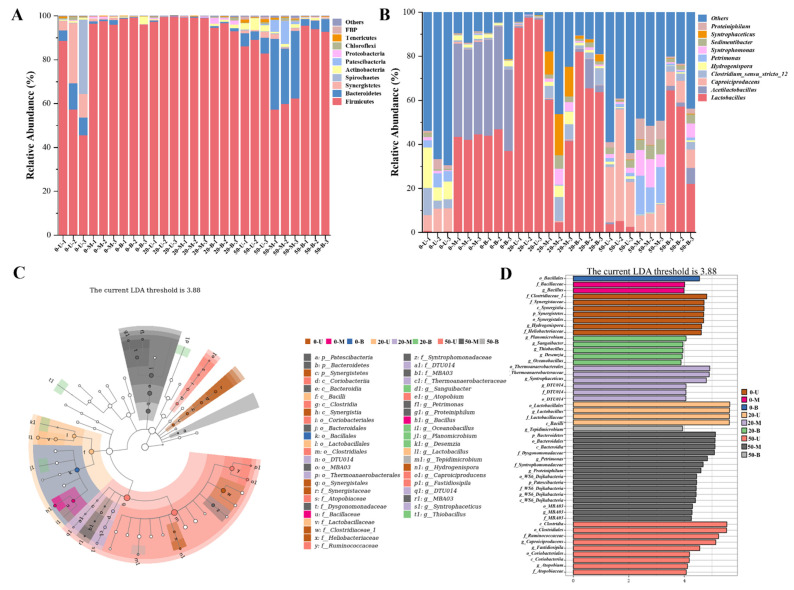 Figure 5
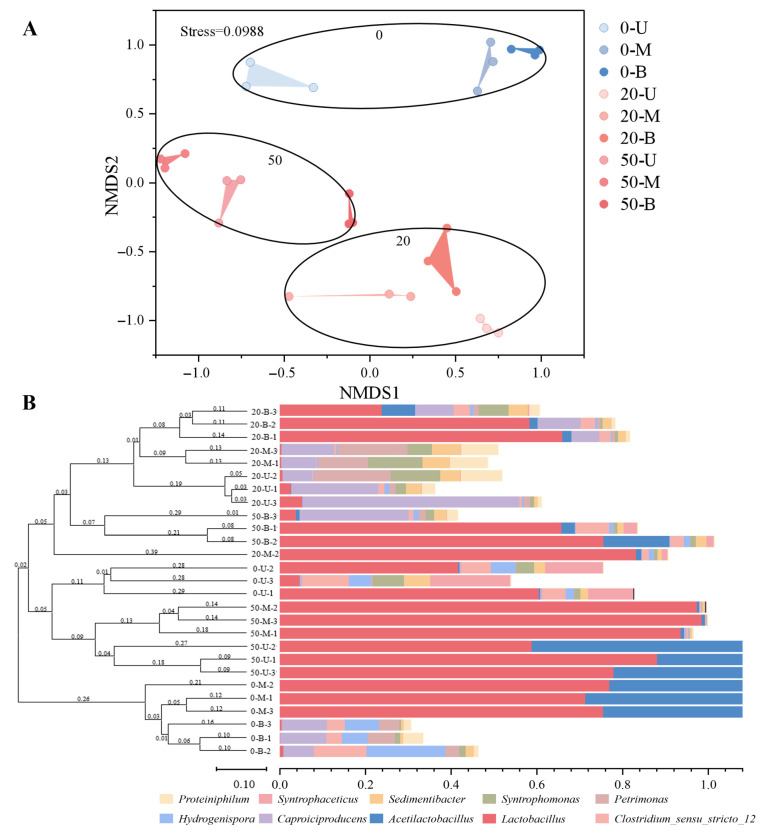 Figure 6
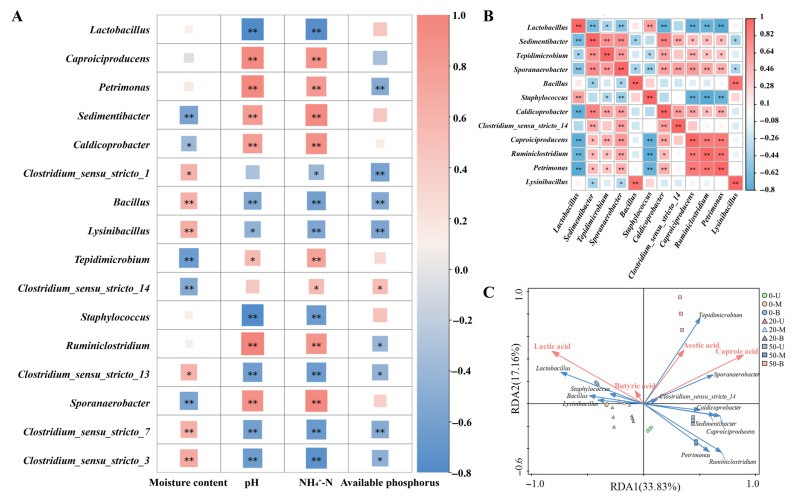 Figure 7
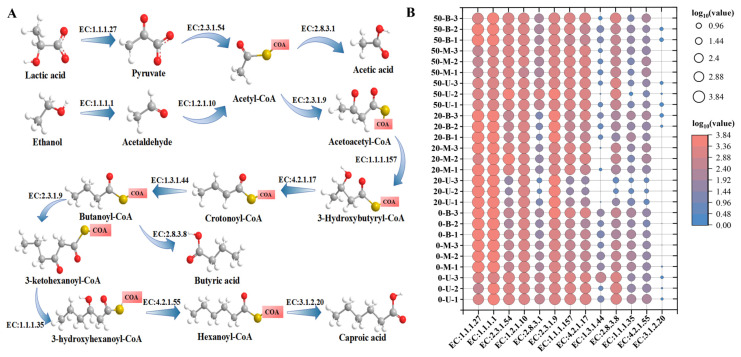 Figure 8
Peer Reviews
No public reviews on file for this paper yet. If you reviewed it on a platform where reviews are public (OpenReview, ICLR, NeurIPS, ICML), you can paste yours below so the community can read it here.
Videos
No videos yet. Explain this paper in a talk, walkthrough, or lecture? Add one.
Taxonomy
TopicsFermentation and Sensory Analysis · Probiotics and Fermented Foods · Polysaccharides Composition and Applications