Early IKKβ-Dependent Anabolic Signature Governs Vascular Smooth Muscle Cells Fate and Abdominal Aortic Aneurysm Development
Priscilla Doyon, Ozge Kizilay Mancini, Florence Dô, David Huynh, Gaétan Mayer, Stephanie Lehoux, Huy Ong, Maelle Batardière, Vincent Quoc-Huy Trinh, Ying Wen, Waiho Tang, Sylvie Marleau, Simon-Pierre Gravel, Marc J. Servant

TL;DR
This study identifies an early role of the IKKβ protein in vascular smooth muscle cells during abdominal aortic aneurysm development, suggesting new therapeutic targets.
Contribution
The study reveals a novel anabolic role of IKKβ in vascular smooth muscle cells during early stages of AAA formation.
Findings
Early IKKβ-dependent activation of mTORC1 pathway in vascular smooth muscle cells was observed.
Deletion of Ikbkb gene in vascular smooth muscle cells reduced aneurysm rupture rates in mice.
IKKβ suppression in vascular smooth muscle cells reduced inflammation and preserved contractile phenotypes.
Abstract
Abdominal aortic aneurysm (AAA) is a serious disease with no effective pharmacological therapy. Although inflammation is recognized as a key regulator of AAA, targeting inflammatory pathways once the disease is established does not improve outcomes. Understanding the earliest molecular indicators could clarify precise biological targets and prognostic markers for AAA. Using ApoE-deficient mice, we performed RNA-Seq on suprarenal abdominal aortas (SRAs) from Ang II- and saline-treated mice 24 h after infusion. We further developed a unique model of hyperlipidemic mice in which the expression of the inhibitor of nuclear factor kappa B kinase subunit beta (IKKβ) can be conditionally suppressed in vascular smooth muscle cells (VSMCs). RNA-Seq data revealed early IKKβ-dependent cellular anabolic processes in SRAs, including activation of the mammalian target of rapamycin complex 1 (mTORC1)…
Genes, proteins, chemicals, diseases, species, mutations and cell lines named across the full text — each resolved to its canonical identifier and authoritative record.
Click any figure to enlarge with its caption.
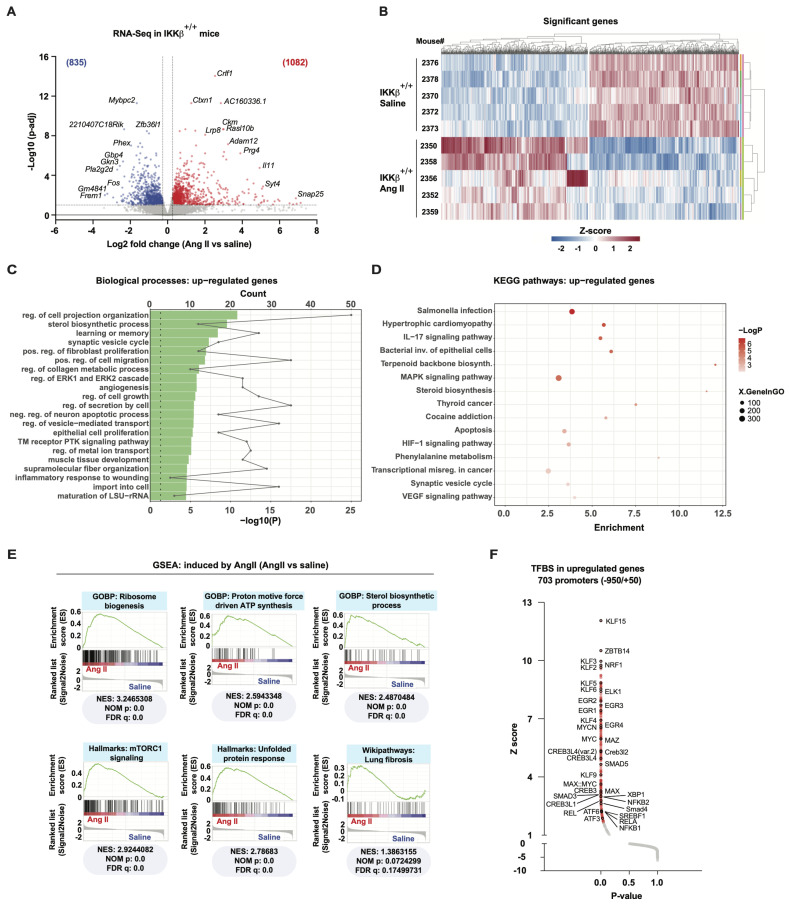 Figure 1
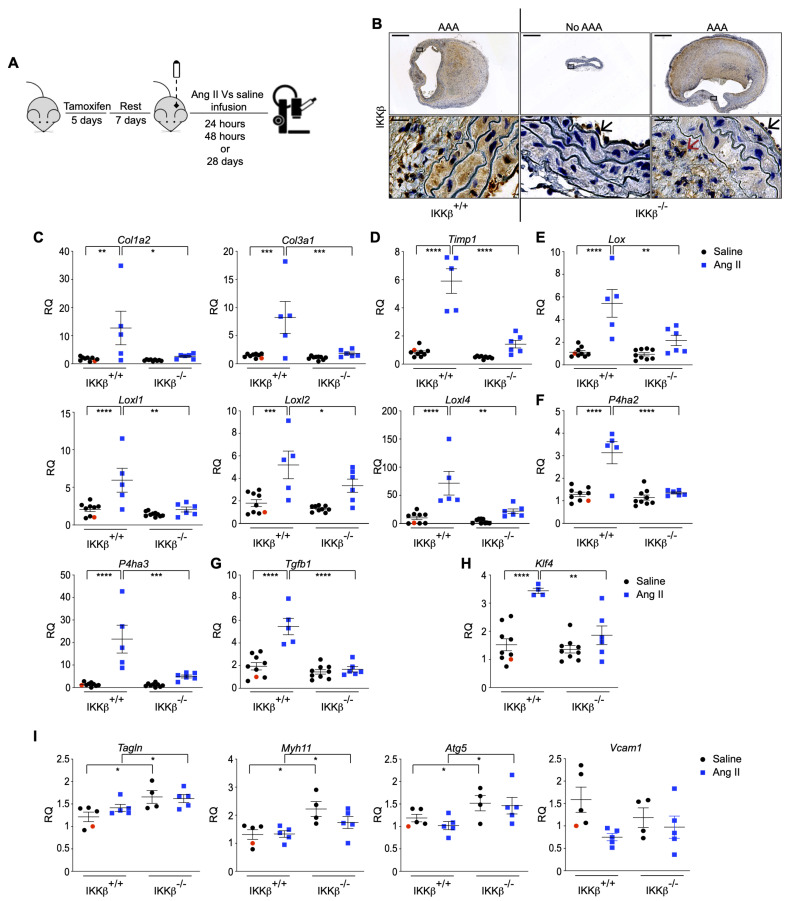 Figure 2
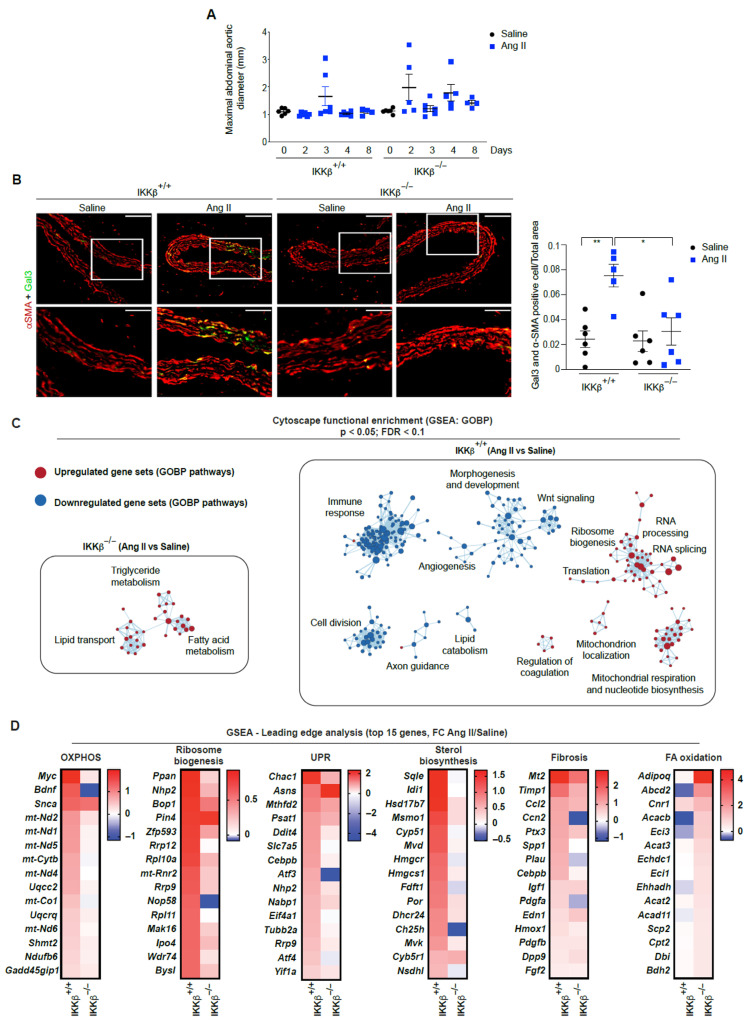 Figure 3
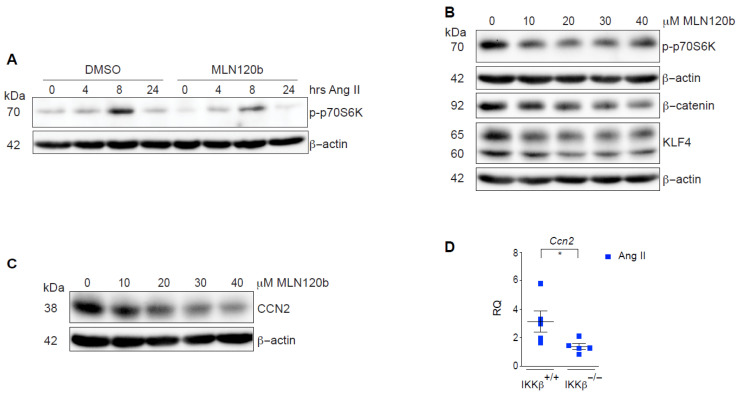 Figure 4
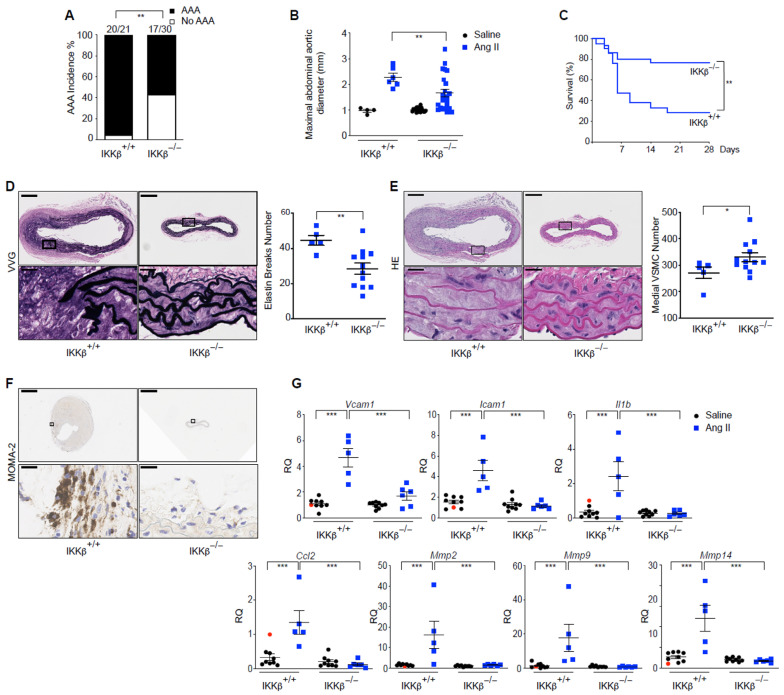 Figure 5
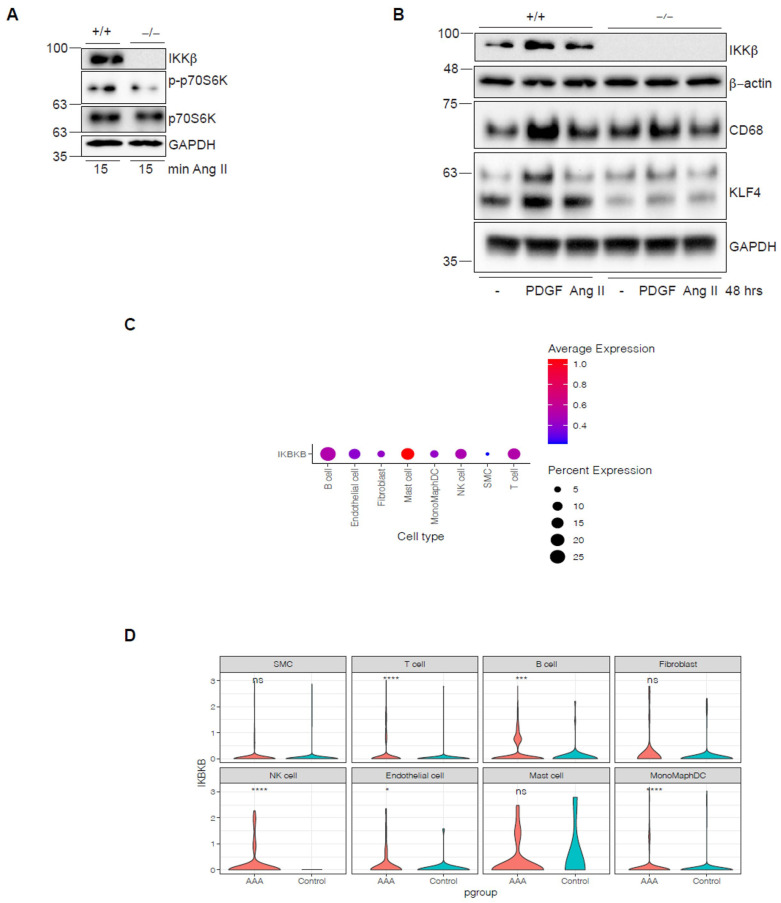 Figure 6
Peer Reviews
No public reviews on file for this paper yet. If you reviewed it on a platform where reviews are public (OpenReview, ICLR, NeurIPS, ICML), you can paste yours below so the community can read it here.
Videos
No videos yet. Explain this paper in a talk, walkthrough, or lecture? Add one.
Taxonomy
TopicsAortic aneurysm repair treatments · Connective tissue disorders research · Aortic Disease and Treatment Approaches