Microhabitat Use of Temminck’s Tragopan (Tragopan temminckii) During the Breeding Season in Laojunshan National Nature Reserve, Western China
Li Zhao, Ping Ye, Benping Chen, Lingsen Cao, Yingjian Tian, Yiming Wu, Yiqiang Fu, Wenbo Liao

TL;DR
This study identifies the specific forest features that Temminck’s Tragopan prefers during breeding, helping guide conservation efforts in China.
Contribution
The study provides new insights into the fine-scale breeding season microhabitat preferences of Temminck’s Tragopan in a specific reserve.
Findings
Temminck’s Tragopan prefers habitats with tall trees, bamboo, dense canopy, and thick leaf litter.
The species avoids areas with dense, tall grasses and prefers proximity to water and forest edges.
Principal Component Analysis identified key habitat factors explaining 71.78% of environmental variance.
Abstract
The Temminck’s Tragopan (Tragopan temminckii), a protected pheasant species inhabiting mountainous forests in China, requires specific habitat features during the breeding season. We examined its microhabitat preferences in the Laojunshan National Nature Reserve, Sichuan Province. Our results indicate that the species strongly prefers areas characterized by tall trees and bamboo, dense overhead cover, thick leaf litter, and tall shrubs, while avoiding habitats dominated by dense, tall grasses. Principal Component Analysis revealed that bamboo structure, tree structure, and proximity to water sources and forest edges are key environmental factors influencing habitat selection. Effective conservation of this species therefore requires forest management practices that maintain this specific combination of habitat characteristics to support its reproduction and survival. Habitat…
Genes, proteins, chemicals, diseases, species, mutations and cell lines named across the full text — each resolved to its canonical identifier and authoritative record.
Click any figure to enlarge with its caption.
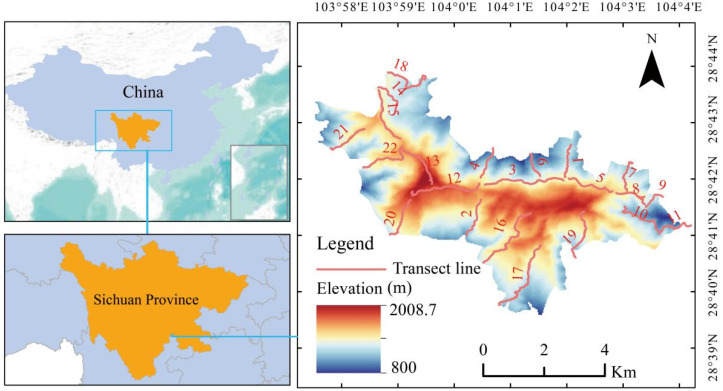 Figure 1
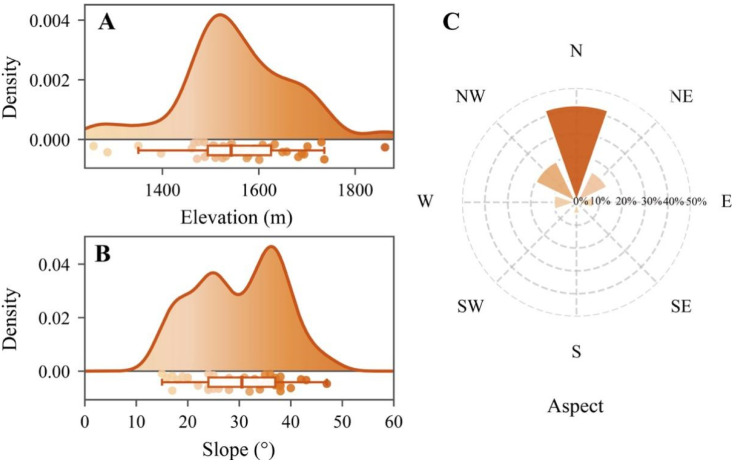 Figure 2
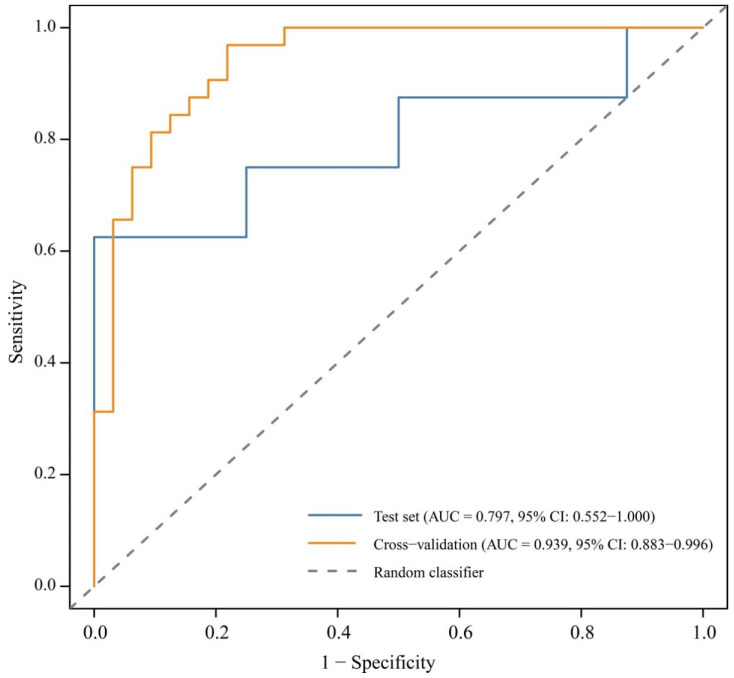 Figure 3
Peer Reviews
No public reviews on file for this paper yet. If you reviewed it on a platform where reviews are public (OpenReview, ICLR, NeurIPS, ICML), you can paste yours below so the community can read it here.
Videos
No videos yet. Explain this paper in a talk, walkthrough, or lecture? Add one.
Taxonomy
TopicsWildlife Ecology and Conservation · Animal Vocal Communication and Behavior · Primate Behavior and Ecology