Effects of Dietary Ammonium Chloride Supplementation on the Lipidome and Volatile Flavor Compounds in the Subcutaneous Adipose Tissue of Tibetan Sheep
Juyuan He, Anum Ali Ahmad, Jiancui Wang, Qingling Ma, Shengzhen Hou, Zenghai Luo, Chao Yang

TL;DR
This study examines how adding ammonium chloride to Tibetan sheep diets affects fat composition and meat flavor.
Contribution
The study reveals how different levels of ammonium chloride supplementation alter lipid metabolism and flavor compounds in Tibetan sheep.
Findings
High ammonium chloride levels increased saturated fats and phospholipids while reducing unsaturated fatty acids and beneficial flavor compounds.
Ammonium chloride supplementation above 2.24% correlated with abnormal lipid accumulation and elevated ammonia in adipose tissue.
Changes in lipid metabolism were linked to reduced synthesis of key aroma compounds like 2-propanone and 2-butanone.
Abstract
As a source of non-protein nitrogen, ammonium chloride (NH4Cl) is widely utilized in ruminant diets to reduce feed costs. However, the impact of its supplementation level on the flavor of sheep meat remains unclear, despite the known influence of fat on meat flavor. This study aimed to investigate the effects of dietary NH4Cl supplementation levels on the lipidome and flavor compounds of subcutaneous adipose tissue in Tibetan sheep, providing a scientific basis for dietary optimization in Tibetan sheep farming. Eighty 2-month-old early-weaned Tibetan lambs were selected and randomly allocated into four groups, fed diets supplemented with 0% (N0 group), 1.49% (N1 group), 2.24% (N2 group), and 3.01% (N3 group) NH4Cl for an experimental period of 105 days. The study conducted histomorphological observations, lipidomics analysis, and determination of flavor compounds. The results showed…
Genes, proteins, chemicals, diseases, species, mutations and cell lines named across the full text — each resolved to its canonical identifier and authoritative record.
Click any figure to enlarge with its caption.
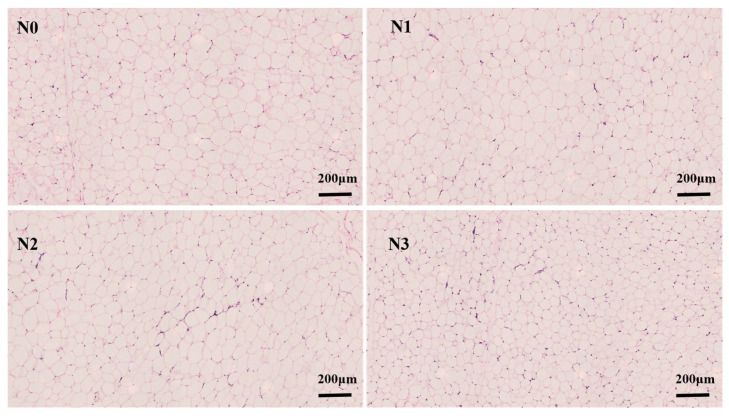 Figure 1
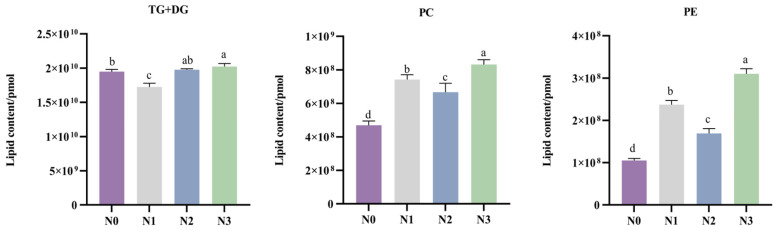 Figure 2
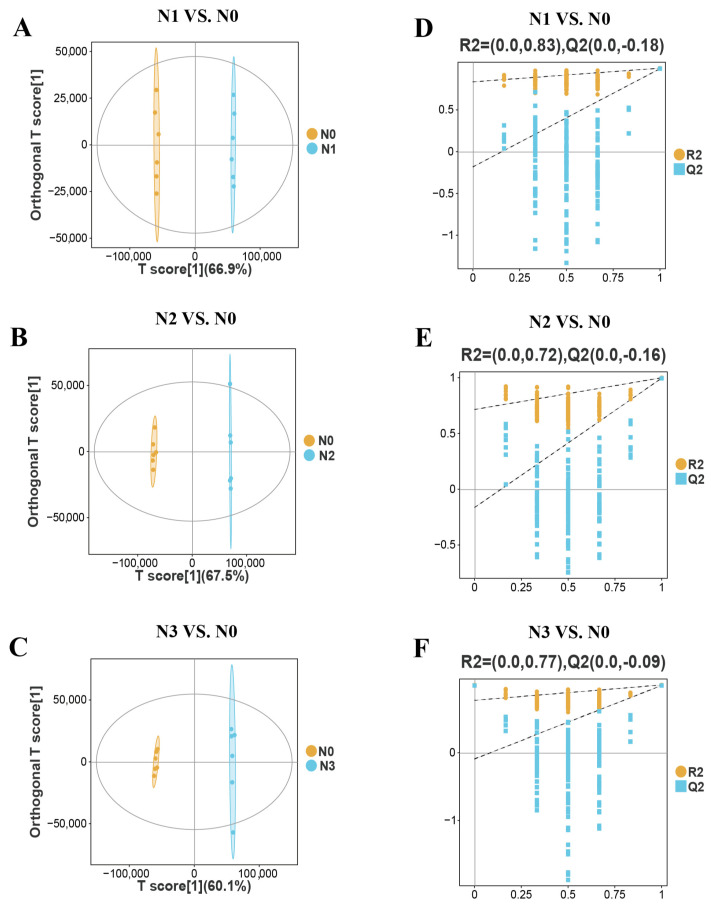 Figure 3
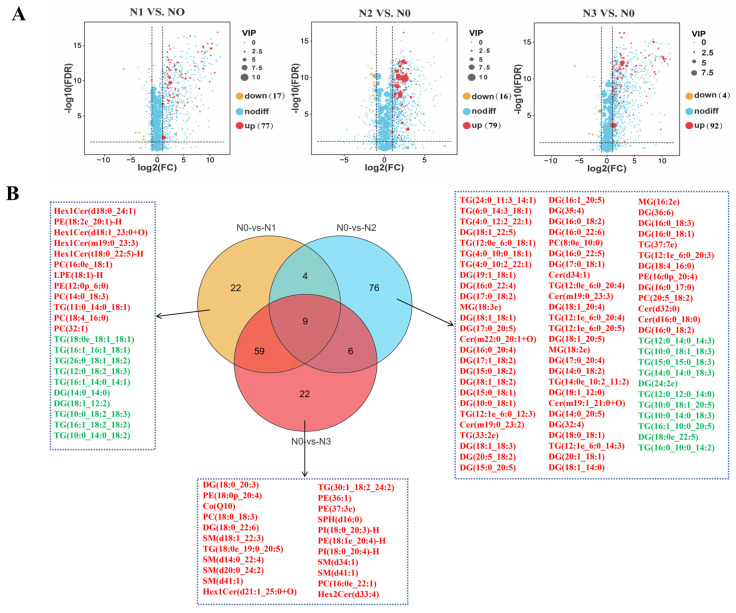 Figure 4
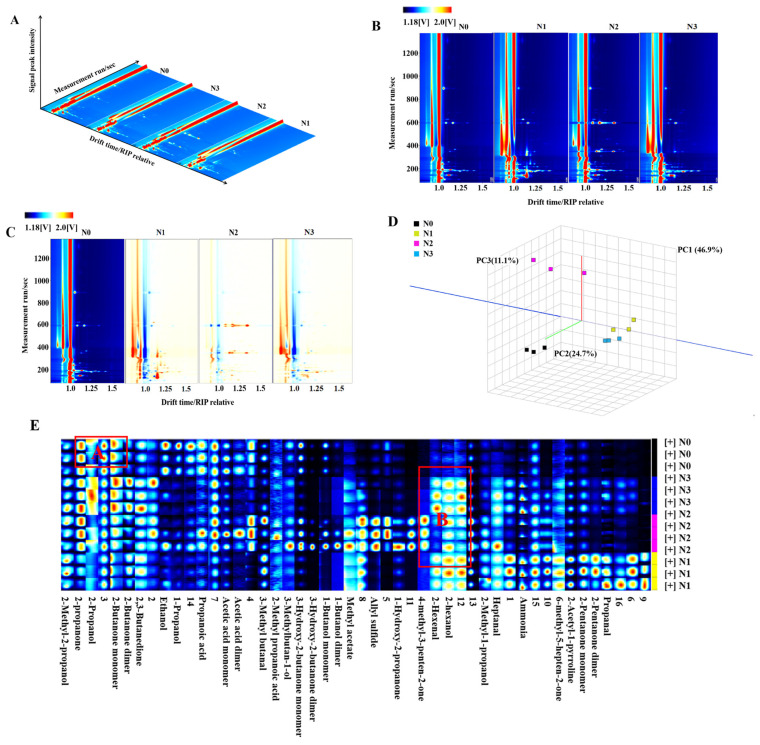 Figure 5
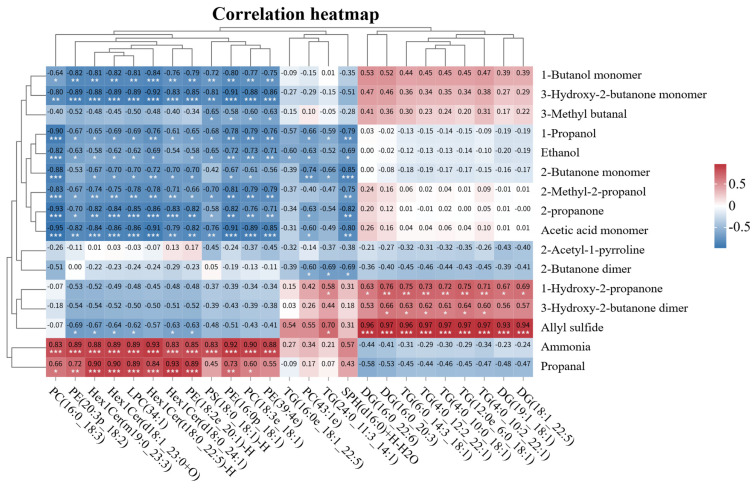 Figure 6
Peer Reviews
No public reviews on file for this paper yet. If you reviewed it on a platform where reviews are public (OpenReview, ICLR, NeurIPS, ICML), you can paste yours below so the community can read it here.
Videos
No videos yet. Explain this paper in a talk, walkthrough, or lecture? Add one.
Taxonomy
TopicsRuminant Nutrition and Digestive Physiology · Fatty Acid Research and Health · Meat and Animal Product Quality