Targeting GPR68 Alleviates Inflammation and Lipid Accumulation in Metabolic Dysfunction-Associated Steatohepatitis
Jianlei Wei, Le Wang, Zebin Mao, Pengxia Zhang

TL;DR
Blocking GPR68, a receptor that senses acidic changes, reduces liver inflammation and fat buildup in a mouse model of metabolic dysfunction-associated steatohepatitis (MASH), suggesting a new treatment approach.
Contribution
This study identifies GPR68 as a key driver of MASH pathology and demonstrates that inhibiting it can alleviate disease symptoms in mice.
Findings
GPR68 expression is increased in the liver during MASH progression in mice.
Inhibiting GPR68 reduces liver inflammation, lipid accumulation, and pro-inflammatory cytokine release in a mouse model of MASH.
GPR68 inhibition dampens acidification-associated inflammatory signaling in the liver.
Abstract
Metabolic dysfunction-associated steatohepatitis (MASH) is a common chronic liver disease for which effective drug treatments are still lacking. In this study, we show that GPR68, a receptor that senses acidic changes in tissues, is abnormally increased in the liver during MASH progression. Blocking GPR68 activity reduced liver inflammation and fat accumulation in a diet-induced mouse model of MASH. These findings suggest that targeting acid-sensing pathways, such as GPR68, may offer a new therapeutic approach for MASH. Metabolic dysfunction-associated steatohepatitis (MASH) is a prevalent chronic liver disease characterized by hepatocellular injury, inflammation, and lipid accumulation, for which effective pharmacotherapies remain limited. Tissue acidification has emerged as a critical inflammatory cue in metabolic diseases; however, whether proton-sensing signaling contributes to…
Genes, proteins, chemicals, diseases, species, mutations and cell lines named across the full text — each resolved to its canonical identifier and authoritative record.
Click any figure to enlarge with its caption.
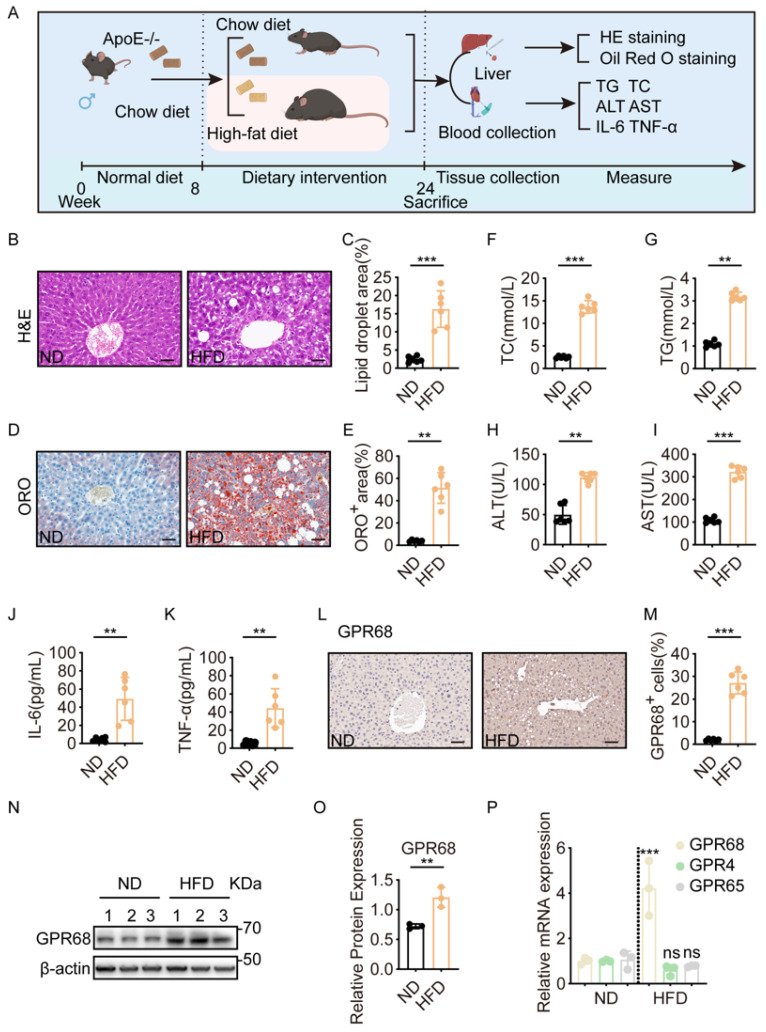 Figure 1
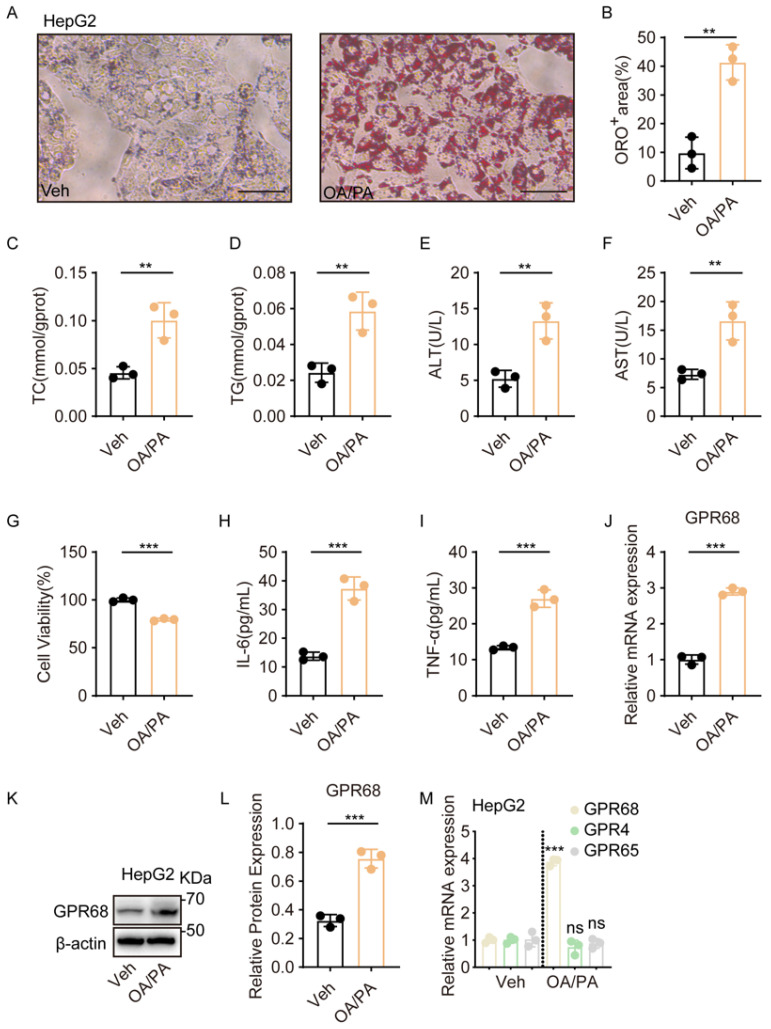 Figure 2
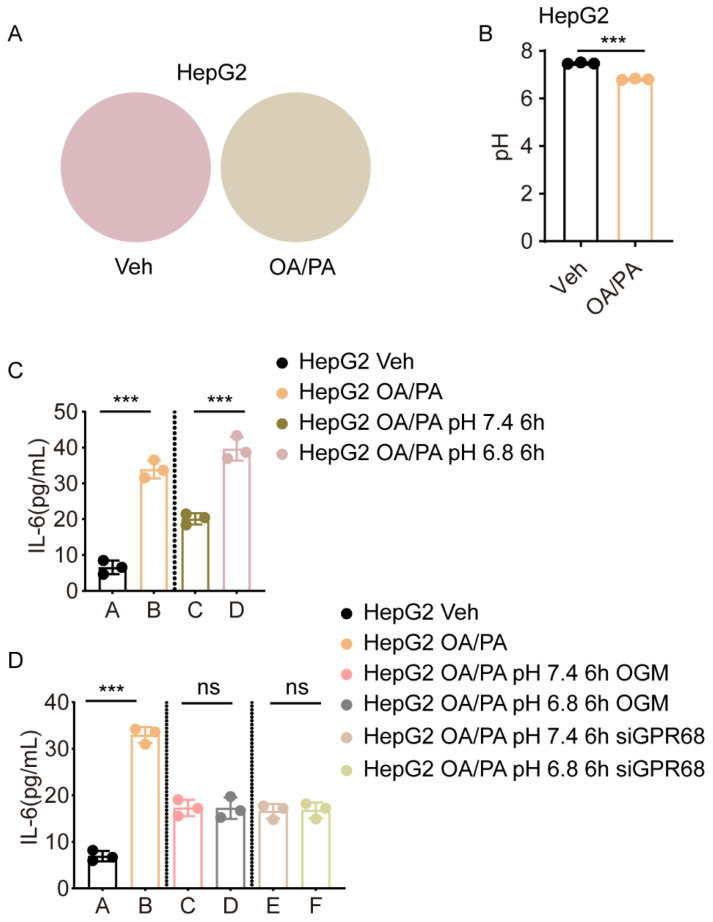 Figure 3
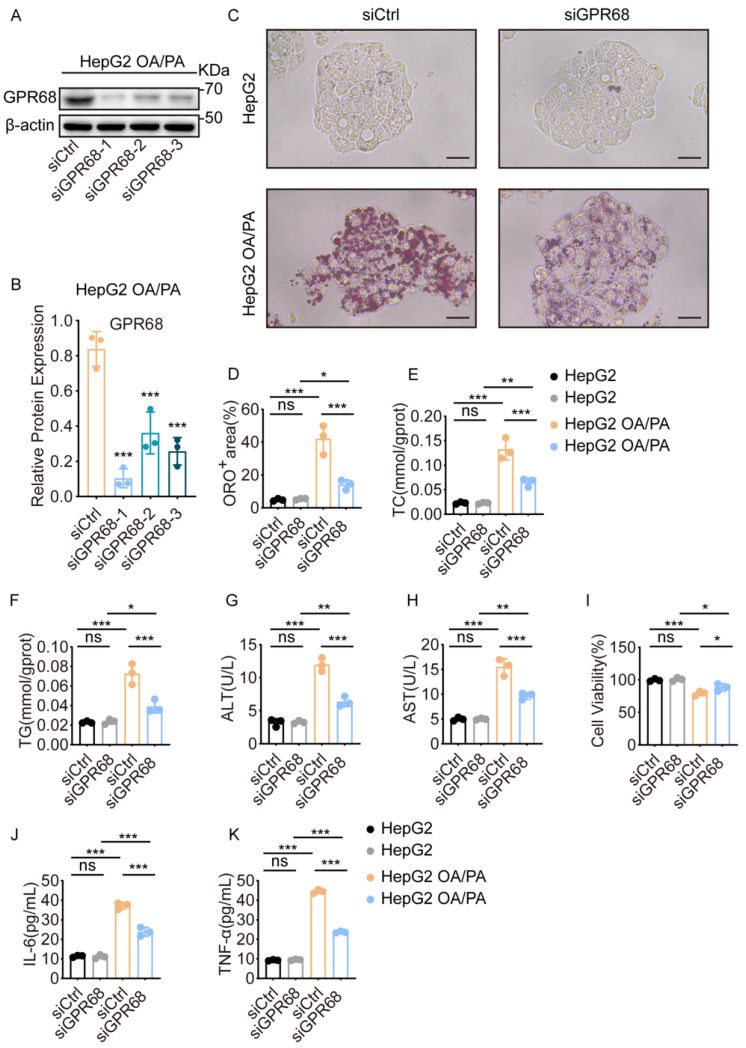 Figure 4
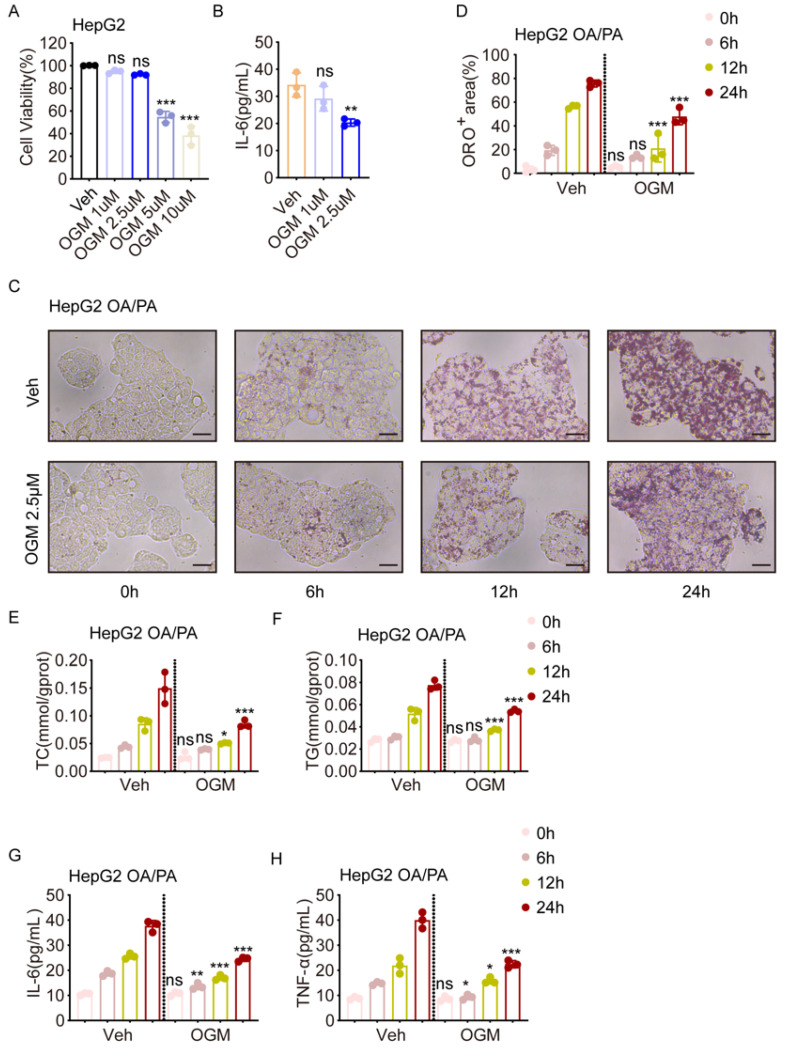 Figure 5
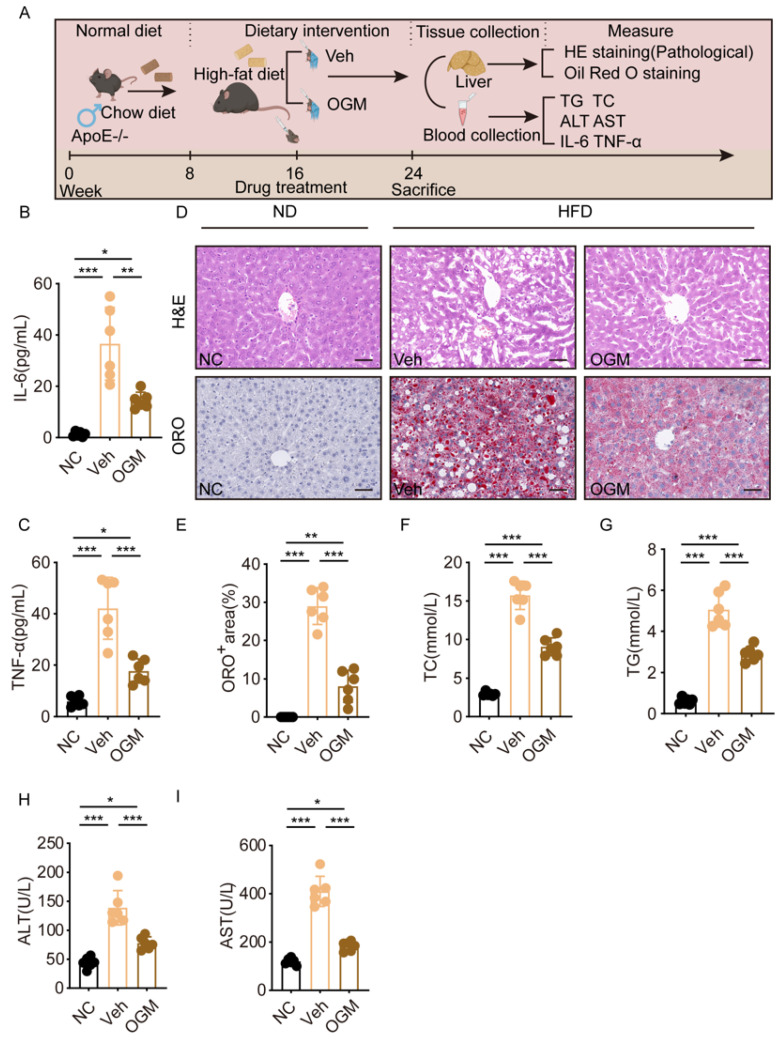 Figure 6
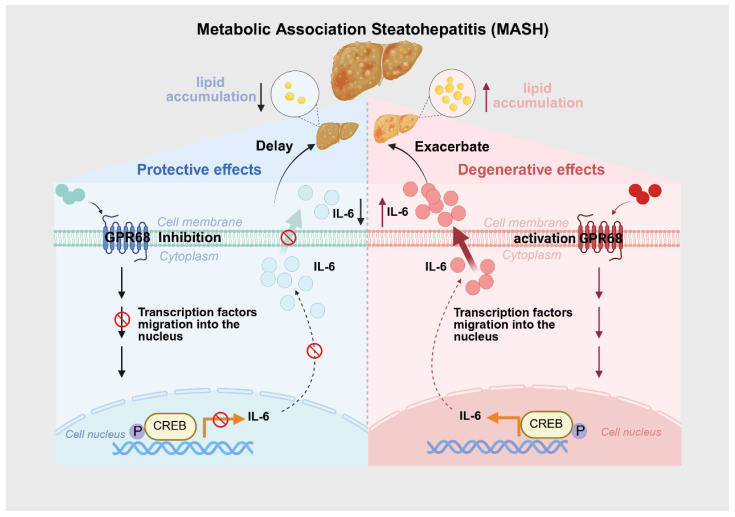 Figure 7
Peer Reviews
No public reviews on file for this paper yet. If you reviewed it on a platform where reviews are public (OpenReview, ICLR, NeurIPS, ICML), you can paste yours below so the community can read it here.
Videos
No videos yet. Explain this paper in a talk, walkthrough, or lecture? Add one.
Taxonomy
TopicsLiver Disease Diagnosis and Treatment · Sphingolipid Metabolism and Signaling · Drug Transport and Resistance Mechanisms