Study on the Effect of N-Carbamylglutamate (NCG) on Reproductive Performance and Regulation Mechanism of Primary Lake Sheep
Tianli Gao, Chunyang Li, Juanshan Zheng, Yingpai Zhaxi, Yuan Cai, Rongxin Zang, Huixia Liu, Yanmei Yang, Sai Li, Xiaodi Shi, Chen Huang

TL;DR
This study shows that adding NCG to the diet of pregnant sheep may improve fetal development and reproductive performance by enhancing the uterine environment and amino acid levels.
Contribution
The study reveals a novel mechanism by which NCG supplementation during early pregnancy improves reproductive outcomes in Hu sheep through molecular pathways.
Findings
NCG supplementation increased plasma nitric oxide and amino acid levels in pregnant sheep.
Uterine weight and cotyledon indices were significantly improved with NCG supplementation.
Transcriptomic analysis showed changes in genes related to growth and metabolism pathways like VEGF and IGF.
Abstract
This study investigated the effects and molecular mechanisms of 0.11% N-carbamoylglutamic acid (NCG) supplementation during early pregnancy (0–90 days) on reproductive performance and fetal development in first-time calving Hu sheep. Twenty-two standard-compliant 10-month-old ewes were randomly divided into two groups: a control group receiving basal feed and an NCG group supplemented with 0.11%NCG for 90 consecutive days. By analyzing uterine/fetal indicators, maternal plasma biochemical parameters and amino acid levels, evaluating cotyledon characteristics, and performing placental transcriptome sequencing, the results indicated that early-pregnancy NCG supplementation may improve reproductive performance and fetal development through optimizing the uterine environment, promoting endogenous arginine synthesis, and increasing plasma nitric oxide (NO)/amino acid levels. The aim of this…
Genes, proteins, chemicals, diseases, species, mutations and cell lines named across the full text — each resolved to its canonical identifier and authoritative record.
Click any figure to enlarge with its caption.
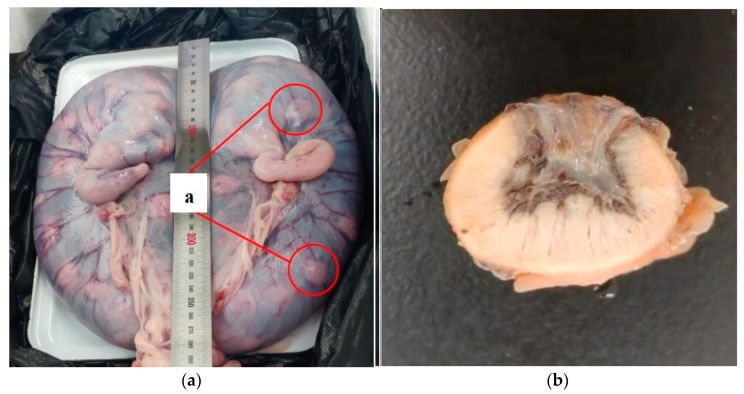 Figure 1
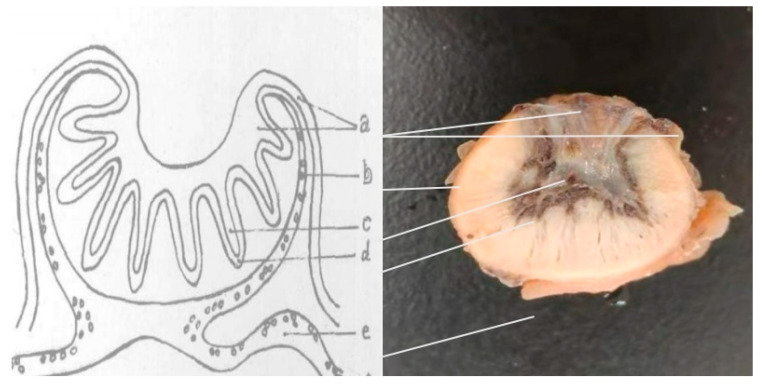 Figure 2
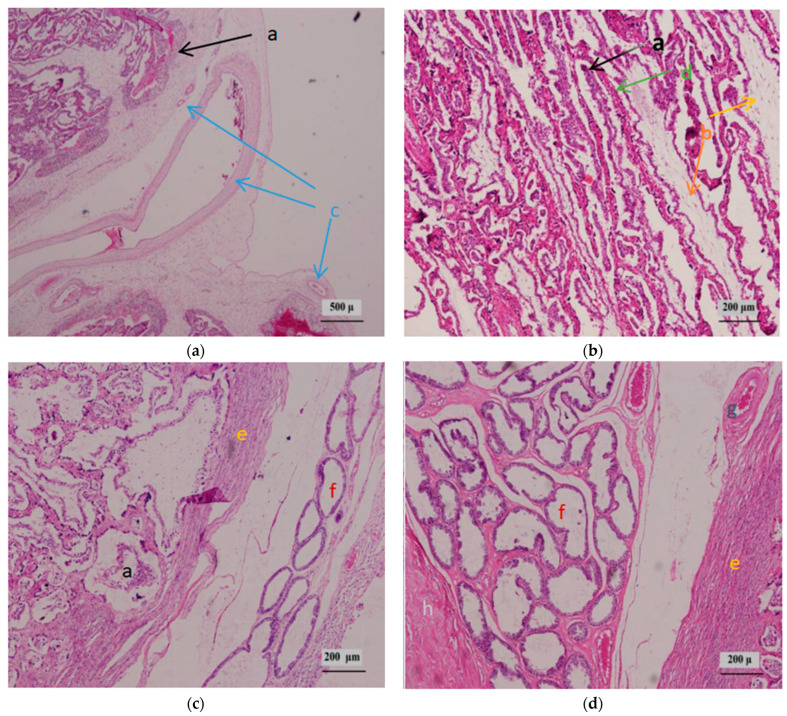 Figure 3
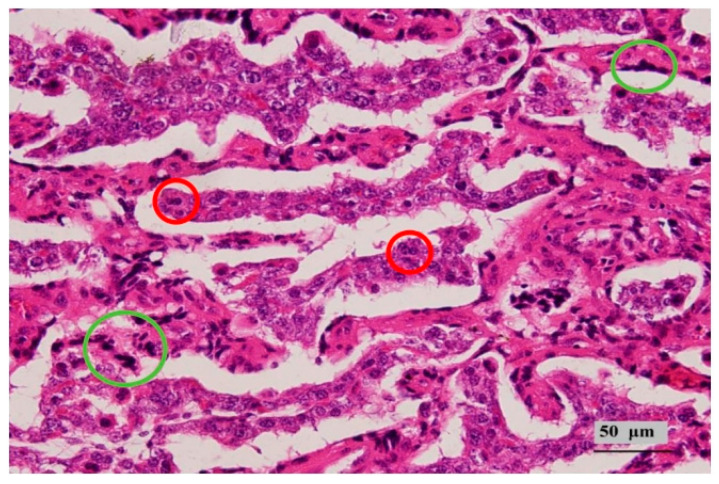 Figure 4
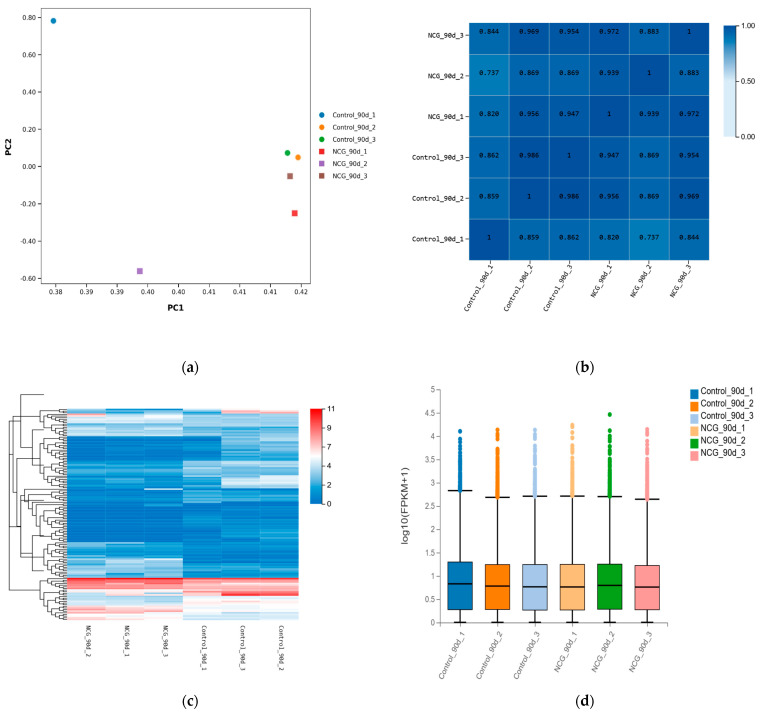 Figure 5
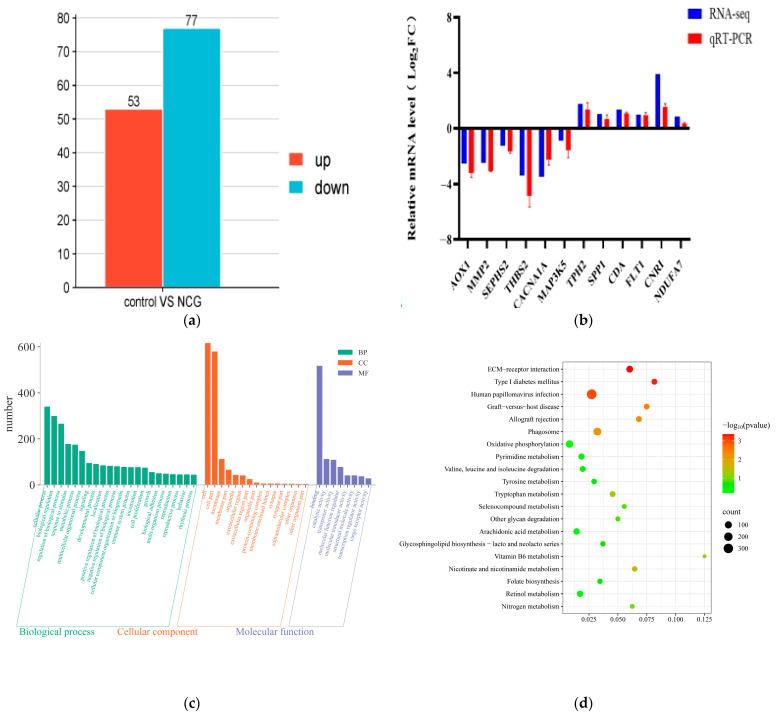 Figure 6
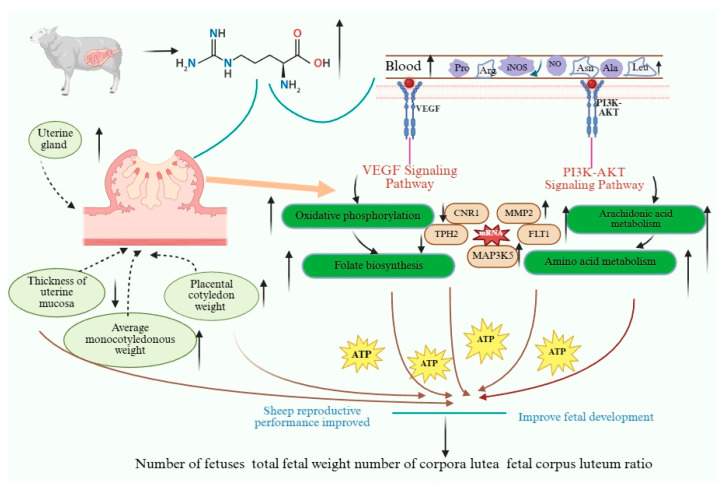 Figure 7
Peer Reviews
No public reviews on file for this paper yet. If you reviewed it on a platform where reviews are public (OpenReview, ICLR, NeurIPS, ICML), you can paste yours below so the community can read it here.
Videos
No videos yet. Explain this paper in a talk, walkthrough, or lecture? Add one.
Taxonomy
TopicsReproductive Physiology in Livestock · Pregnancy and preeclampsia studies · Birth, Development, and Health