Ferritin, N-Acetylated α-Linked Acidic Dipeptidase 2, and Cytoplasmic Aconitate Hydratase Are Associated with Iron Metabolism and Regulate Iron Content in the Razor Clam, Sinonovacula constricta
Ao Li, Zhihua Lin, Liyuan Lv, Hongqiang Xu, Hanhan Yao, Yinghui Dong

TL;DR
This study identifies genes involved in iron metabolism in razor clams, showing how they regulate iron levels in response to environmental changes.
Contribution
The study reveals the role of ScFER, ScNAALAD2, and SccAH in iron regulation in the razor clam, particularly highlighting ScFER's central function.
Findings
ScFER expression increases with higher iron exposure, suggesting a role in iron storage.
Knocking down SccAH leads to increased ScFER expression and iron content.
ScNAALAD2 and SccAH activity decreases under iron stress, indicating transport and regulatory roles.
Abstract
Iron is a vital nutrient, but how mollusks manage iron in their bodies is not well understood. This study aimed to identify the key genes controlling iron levels in the razor clam. We focused on three genes, namely, ScFER, ScNAALAD2, and SccAH, involved in iron storage, transport, and regulation, respectively. When razor clams were exposed to more iron, the iron level rose in their hepatopancreas. At the same time, the activity of the storage gene increased, while the activities of the transport and regulatory genes decreased. Further experiments showed that reducing the activity of the regulatory gene led to higher activity of the storage gene and increased iron content. These results suggest that the iron storage gene ScFER likely plays a central role in controlling iron levels in the razor clam. This research helps us understand how mollusks process iron, which can inform strategies…
Genes, proteins, chemicals, diseases, species, mutations and cell lines named across the full text — each resolved to its canonical identifier and authoritative record.
Click any figure to enlarge with its caption.
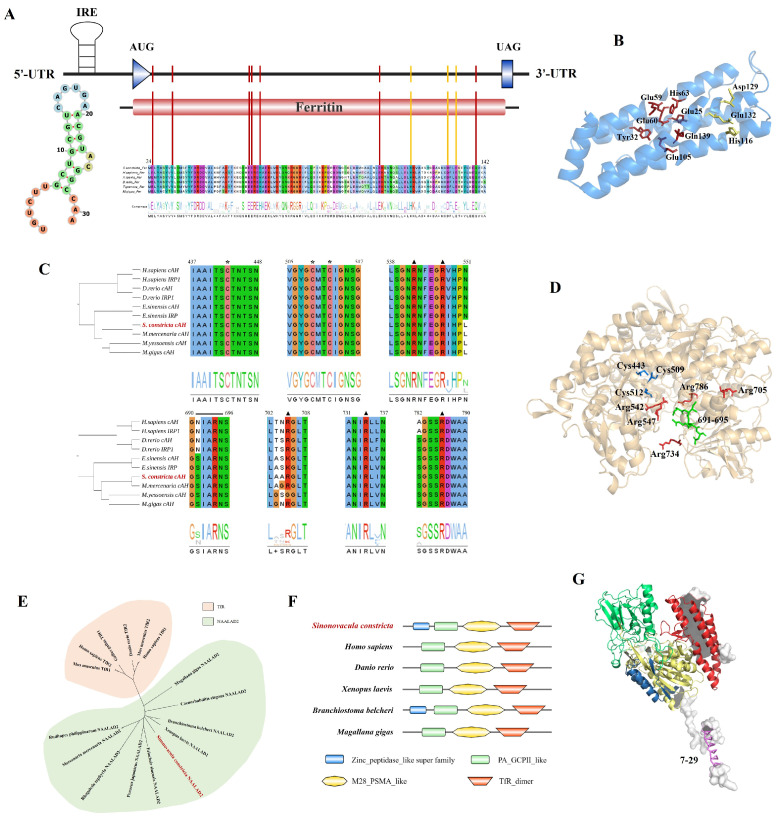 Figure 1
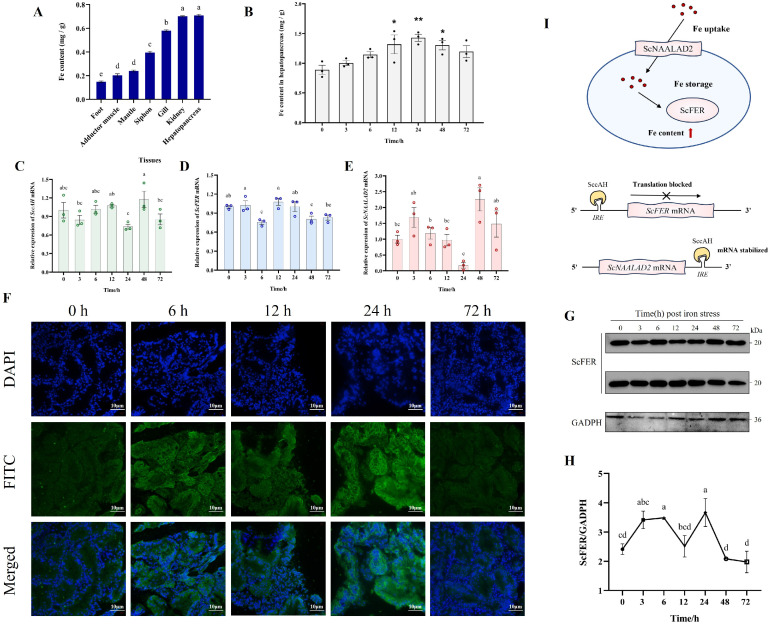 Figure 2
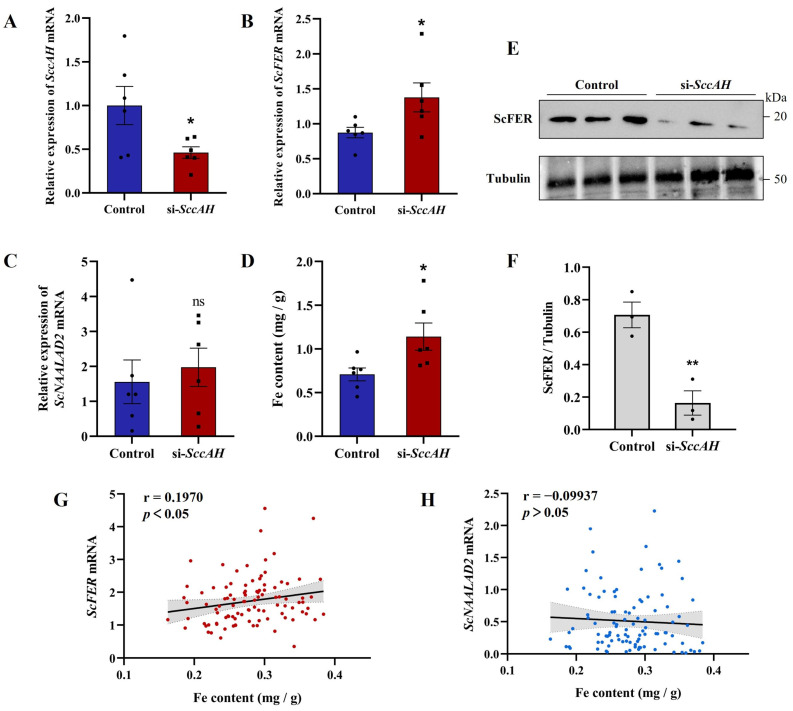 Figure 3
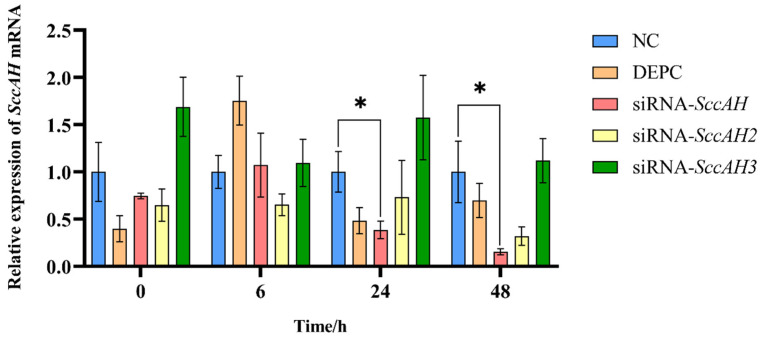 Figure 4
Peer Reviews
No public reviews on file for this paper yet. If you reviewed it on a platform where reviews are public (OpenReview, ICLR, NeurIPS, ICML), you can paste yours below so the community can read it here.
Videos
No videos yet. Explain this paper in a talk, walkthrough, or lecture? Add one.
Taxonomy
TopicsPhysiological and biochemical adaptations · Invertebrate Immune Response Mechanisms · Photosynthetic Processes and Mechanisms