Whole-Transcriptome Analysis of Gene Expression in Canine Splenic Lymphoid Hyperplasia, Complex Hyperplasia, Histiocytic Sarcoma, and Stromal Sarcoma
Cleide Spröhnle-Barrera, Rachel Allavena, Chiara Palmieri

TL;DR
This study uses gene activity patterns to better understand different types of spleen tumors in dogs, revealing molecular differences that could improve diagnosis and treatment.
Contribution
The study provides the first transcriptomic profiling of four distinct canine splenic nodule types, identifying differentially expressed genes linked to cancer progression.
Findings
47 genes showed altered activity in splenic nodules compared to normal spleen tissue.
39 genes were differentially expressed among the four types of splenic nodules.
Many of these genes are known to be involved in cancer development in other diseases.
Abstract
Understanding diseases of the spleen in dogs is challenging because different types of splenic nodules have traditionally been grouped under a single name, despite showing very different biological behaviour. These nodules can range from benign tissue changes to aggressive cancers, making accurate diagnosis and treatment decisions difficult. The aim of this study was to improve our understanding of how these splenic nodules differ at a molecular level by examining patterns of gene activity. We compared spleen tissue from dogs with four distinct types of splenic nodules to normal spleen tissue. The results showed consistent differences in gene activity between normal spleen and nodular tissue, as well as clear differences among the four nodule types. Many of the affected genes are known to be involved in cancer development and progression in other diseases. These findings suggest that…
Genes, proteins, chemicals, diseases, species, mutations and cell lines named across the full text — each resolved to its canonical identifier and authoritative record.
Click any figure to enlarge with its caption.
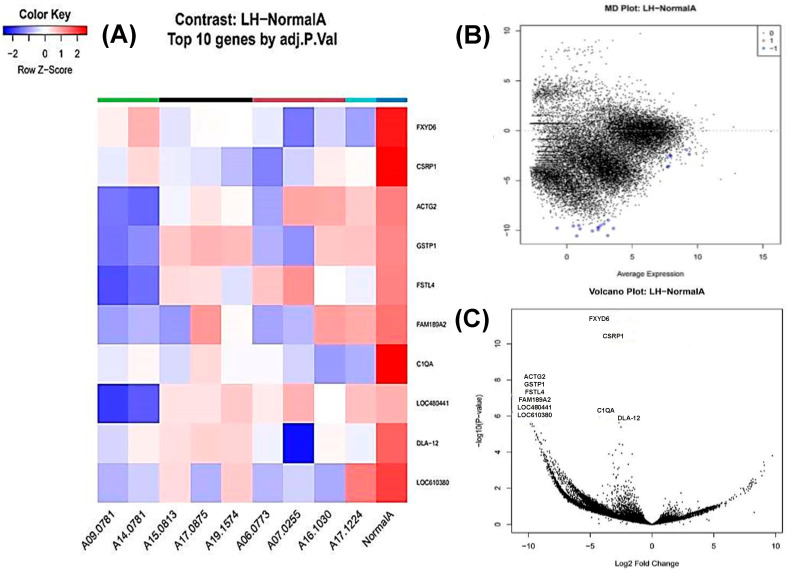 Figure 1
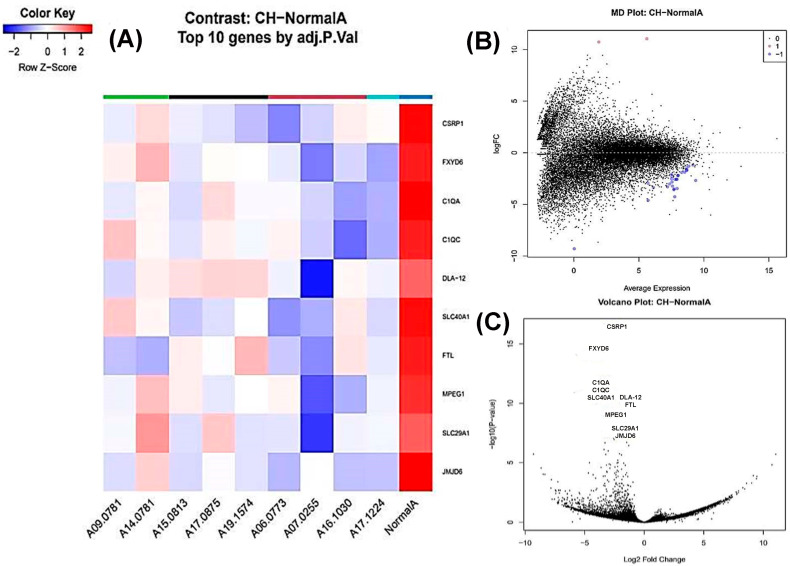 Figure 2
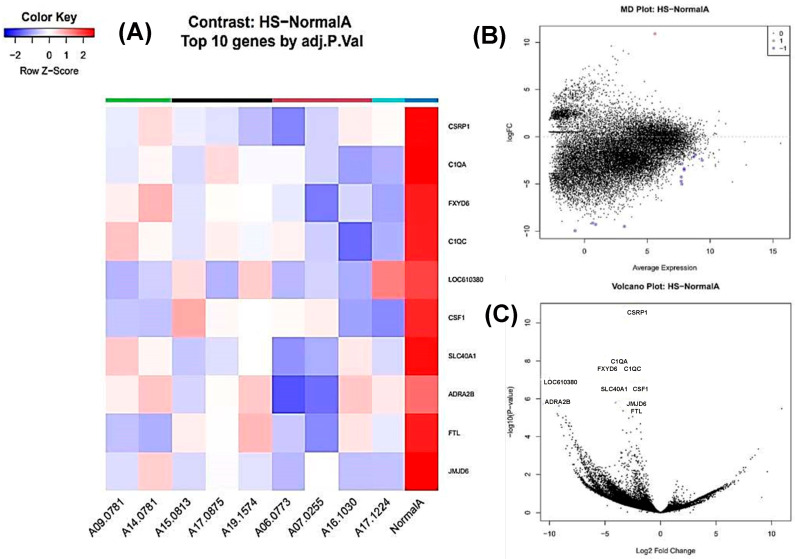 Figure 3
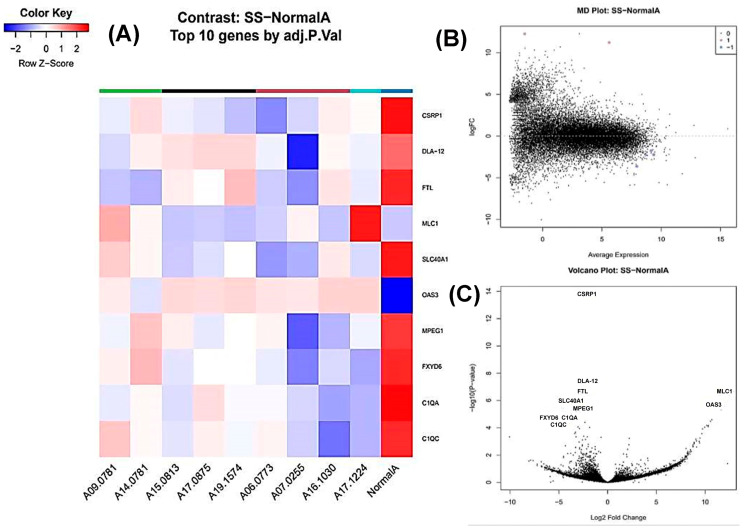 Figure 4
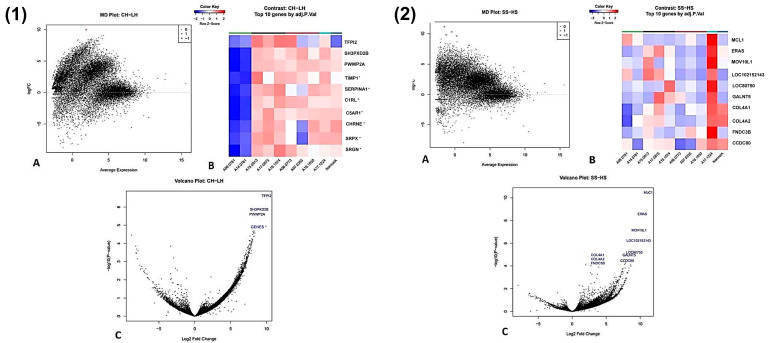 Figure 5
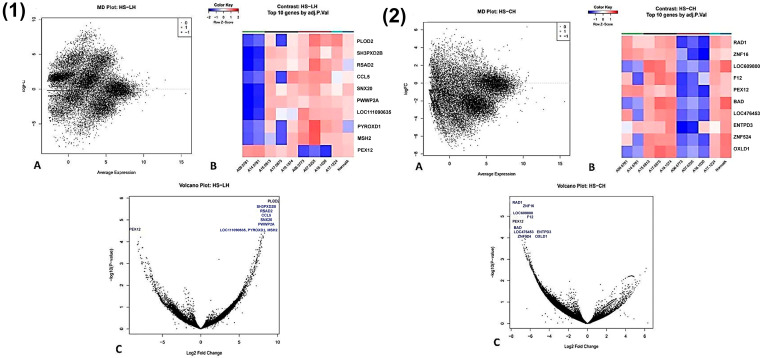 Figure 6
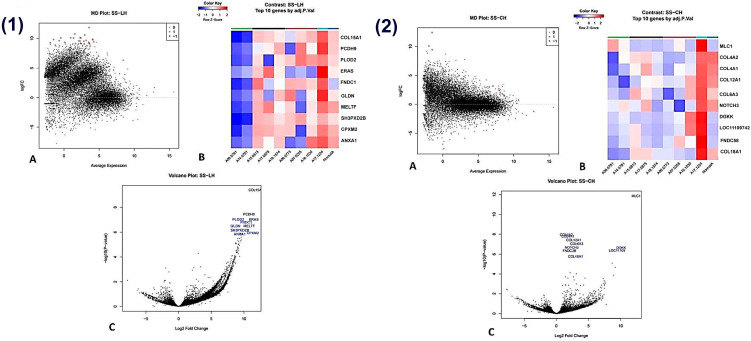 Figure 7
Peer Reviews
No public reviews on file for this paper yet. If you reviewed it on a platform where reviews are public (OpenReview, ICLR, NeurIPS, ICML), you can paste yours below so the community can read it here.
Videos
No videos yet. Explain this paper in a talk, walkthrough, or lecture? Add one.
Taxonomy
TopicsVeterinary Oncology Research · Veterinary Orthopedics and Neurology · Veterinary Medicine and Surgery