Multi-Target Antifungal Mechanism of Vapor-Phase Cymbopogon citratus Essential Oil: Effective Control of Postharvest Botrytis cinerea and Powdery Mildew
Lili He, Liming Dai, Yifan Li, Tianwei Yang, Yun Zhao, Liming Fan, Fawu Su, Zhiying Cai, Min Ye

TL;DR
This paper explores using vapor-phase essential oil from Cymbopogon citratus to control fungal infections in horticultural products, offering a safer and effective alternative to synthetic fungicides.
Contribution
The study introduces a multi-target antifungal mechanism of vapor-phase Cymbopogon citratus essential oil, effective against Botrytis cinerea and powdery mildew.
Findings
Vapor-phase Cymbopogon citratus essential oil significantly inhibits Botrytis cinerea with EC50 of 14.69 µg/mL and MIC of 7.81 µg/mL.
The essential oil disrupts fungal cells through membrane disintegration, ROS defense suppression, and mitochondrial dysfunction.
The vapor-phase EO reduced cherry tomato decay by 81.9–92.6% and showed activity against rubber tree powdery mildew spores.
Abstract
Botrytis cinerea poses severe postharvest losses in horticultural products, while synthetic fungicides raise food safety concerns. This study developed a GRAS-compliant antifungal strategy using vapor-phase Cymbopogon citratus essential oil (EO). GC-MS revealed citronellal (17.06%) as the dominant bioactive compound. The EO exhibited superior vapor-phase activity against B. cinerea, with EC50 of 14.69 µg/mL (mycelial growth) and MIC of 7.81 µg/mL (spore germination), significantly lower than direct-contact efficacy (p < 0.05). Mechanistic analysis revealed a tripartite mode of action—rapid membrane disintegration (48% electrolyte leakage within 4 h), suppression of ROS defense enzymes (SOD/CAT/POD inhibition > 50%), and disruption of mitochondrial energetics (SDH activity reduced by 58.1%)—which induced irreversible cellular collapse. This multi-target strategy mitigates resistance…
Genes, proteins, chemicals, diseases, species, mutations and cell lines named across the full text — each resolved to its canonical identifier and authoritative record.
Click any figure to enlarge with its caption.
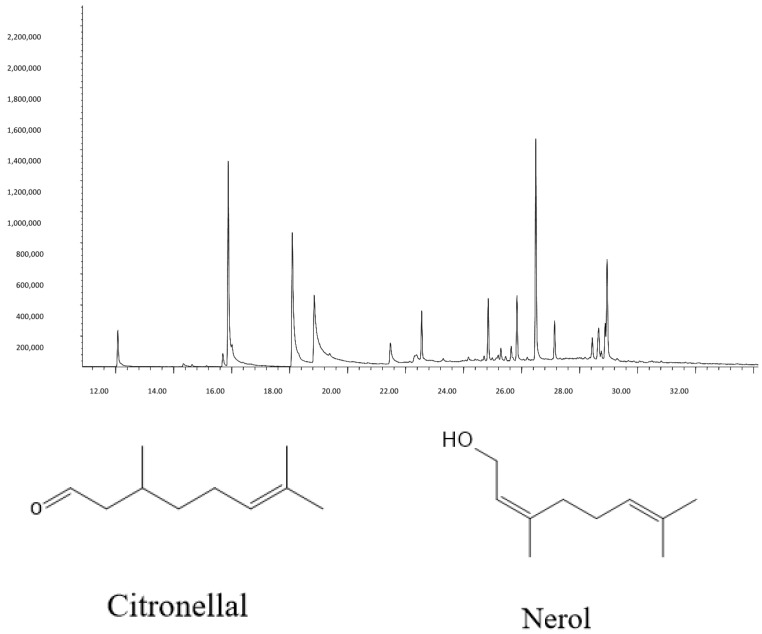 Figure 1
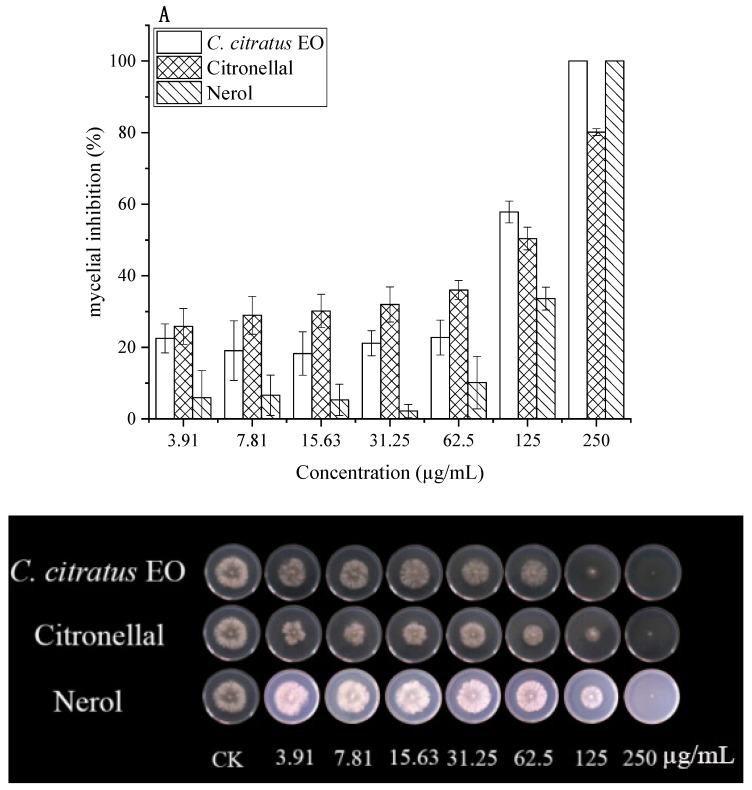 Figure 2
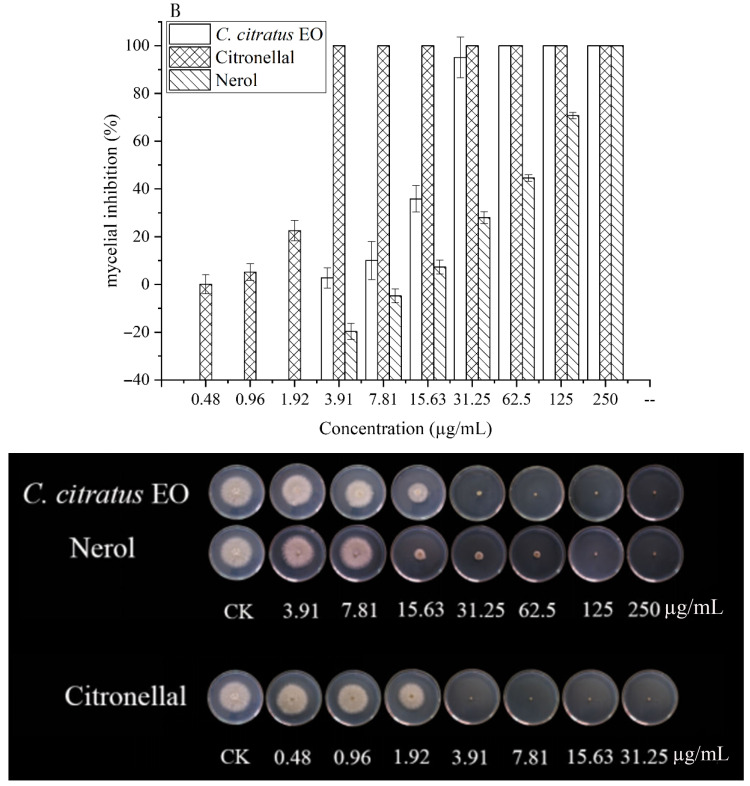 Figure 3
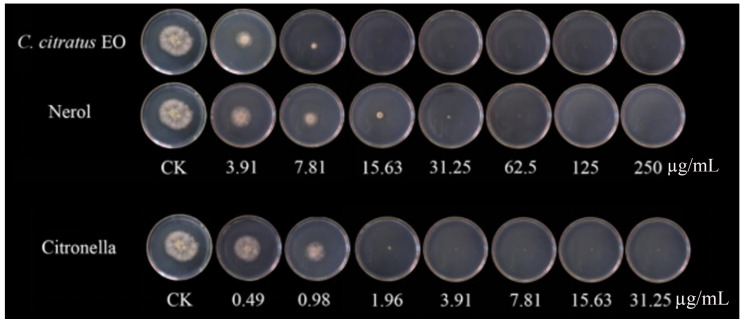 Figure 4
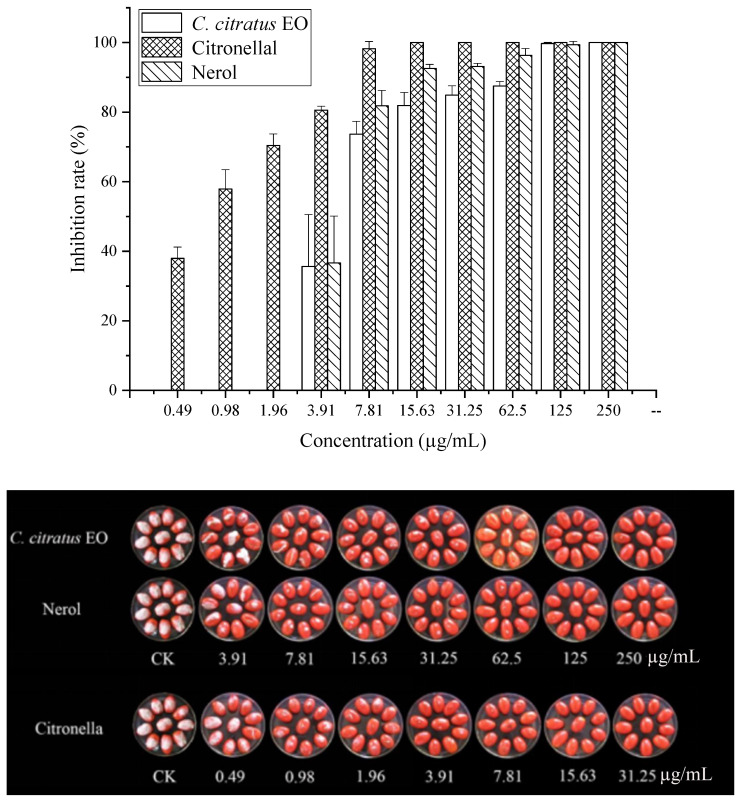 Figure 5
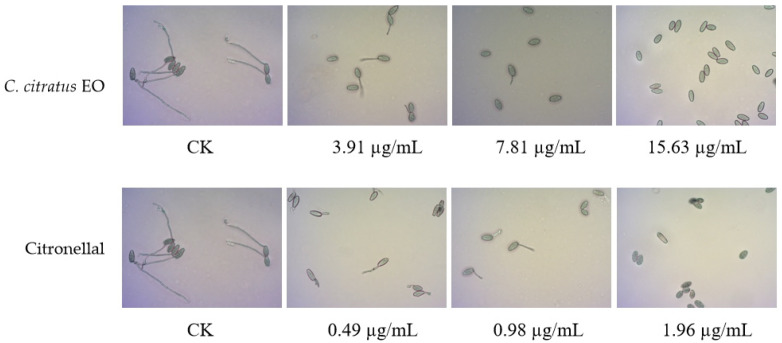 Figure 6
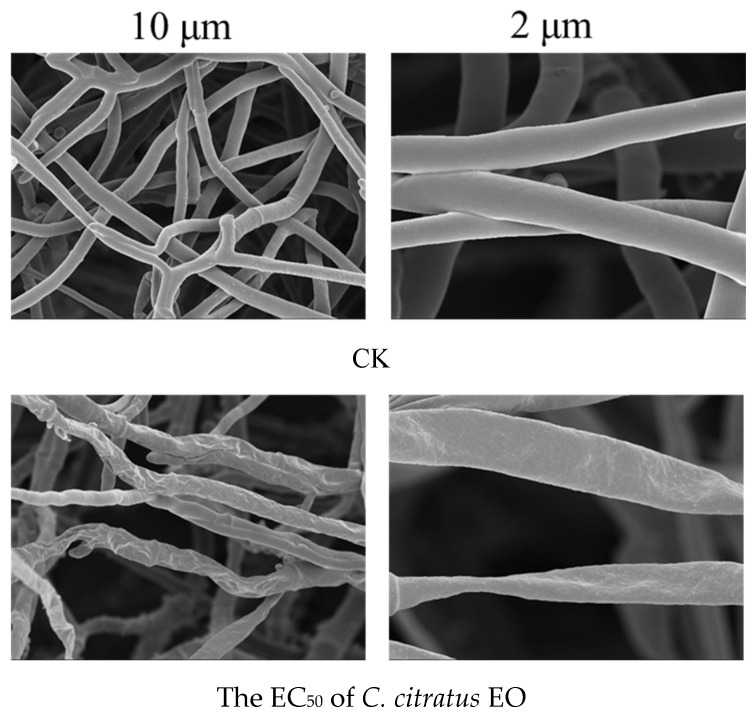 Figure 7
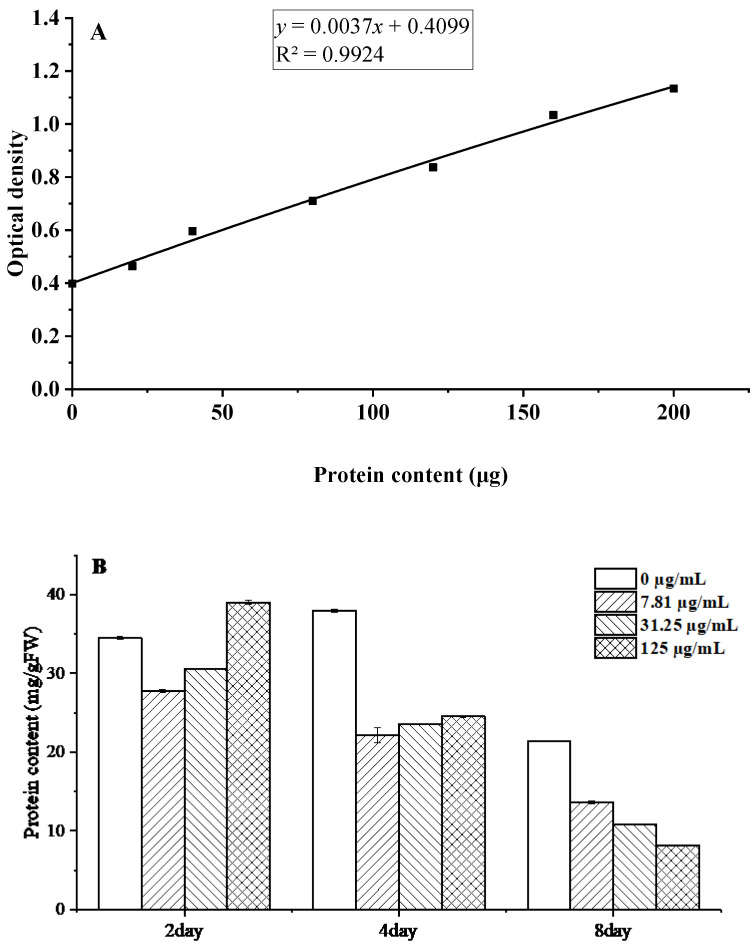 Figure 8
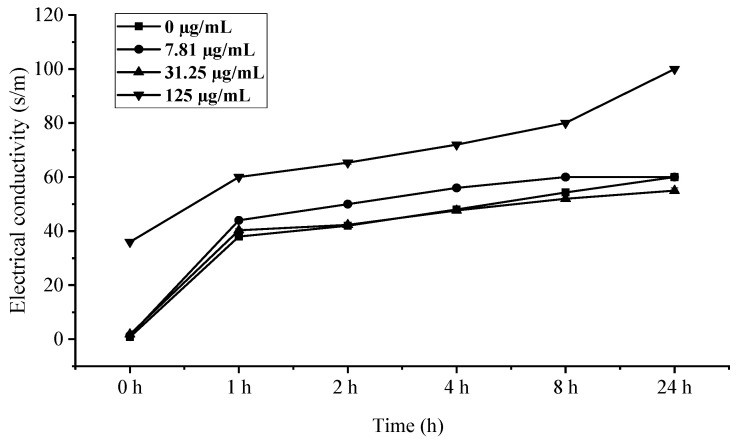 Figure 9
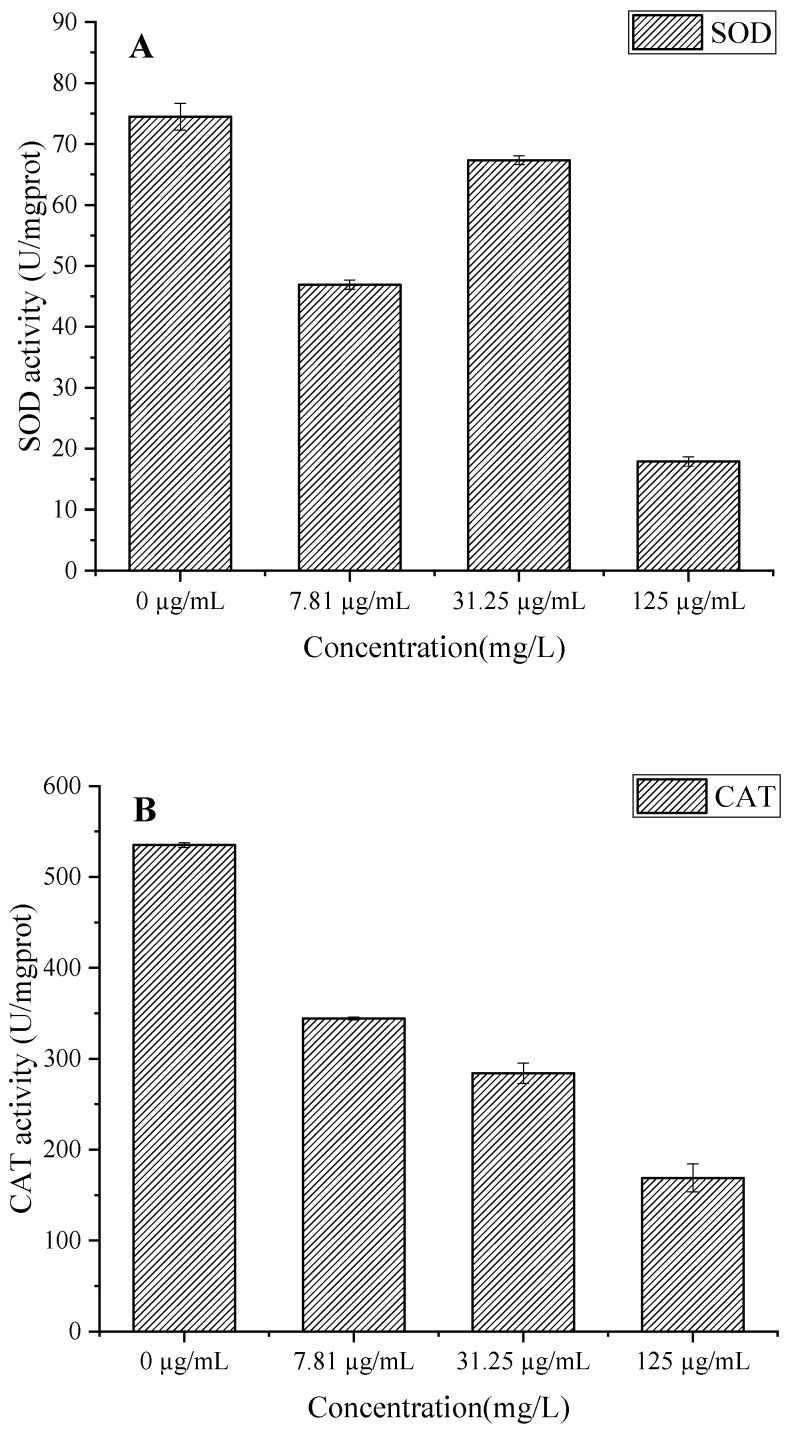 Figure 10
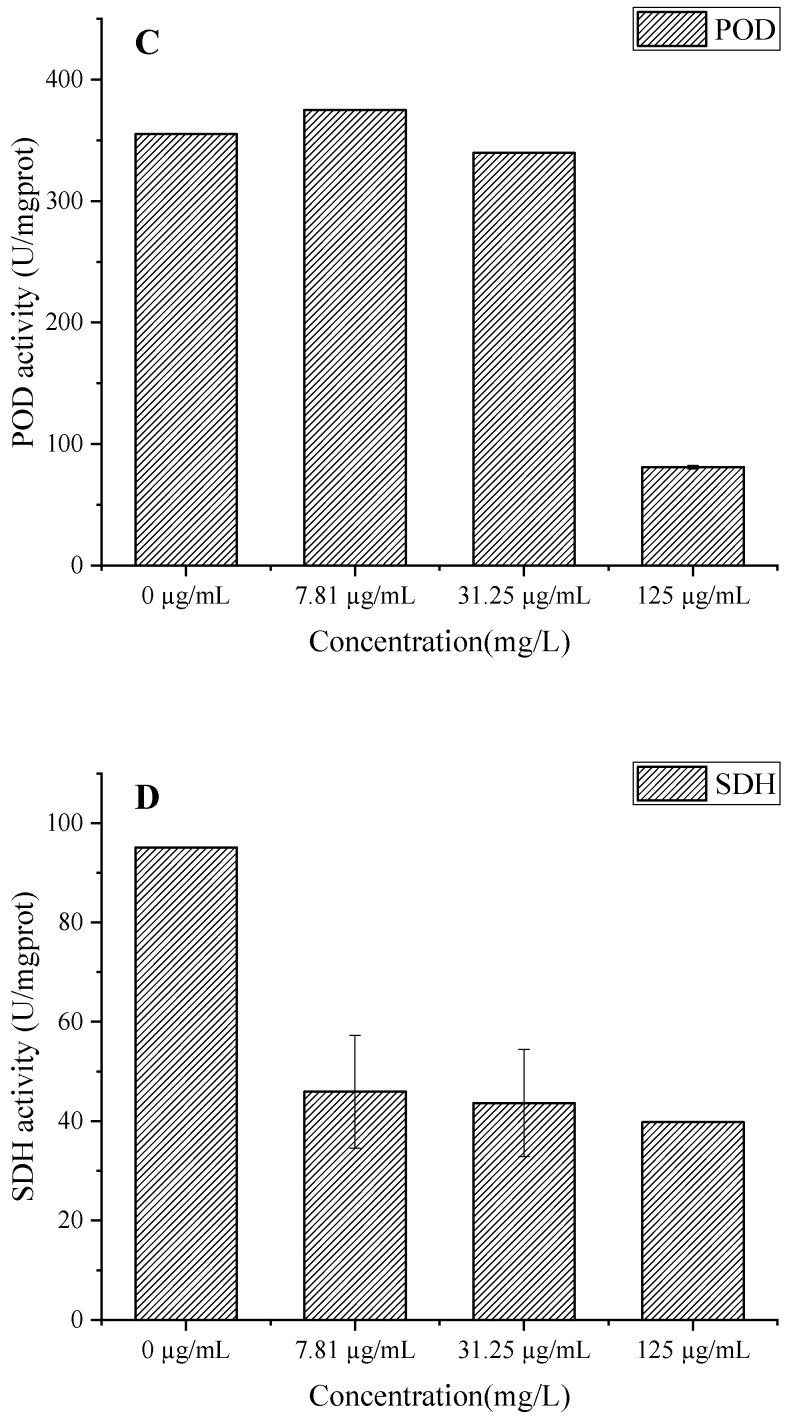 Figure 11
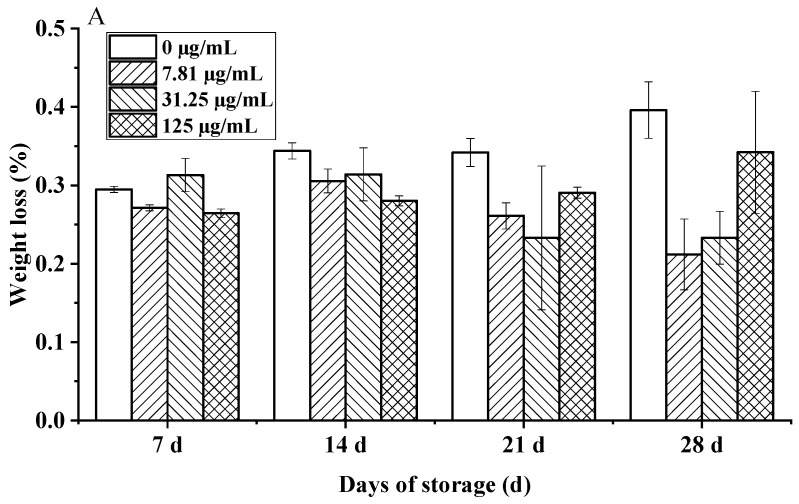 Figure 12
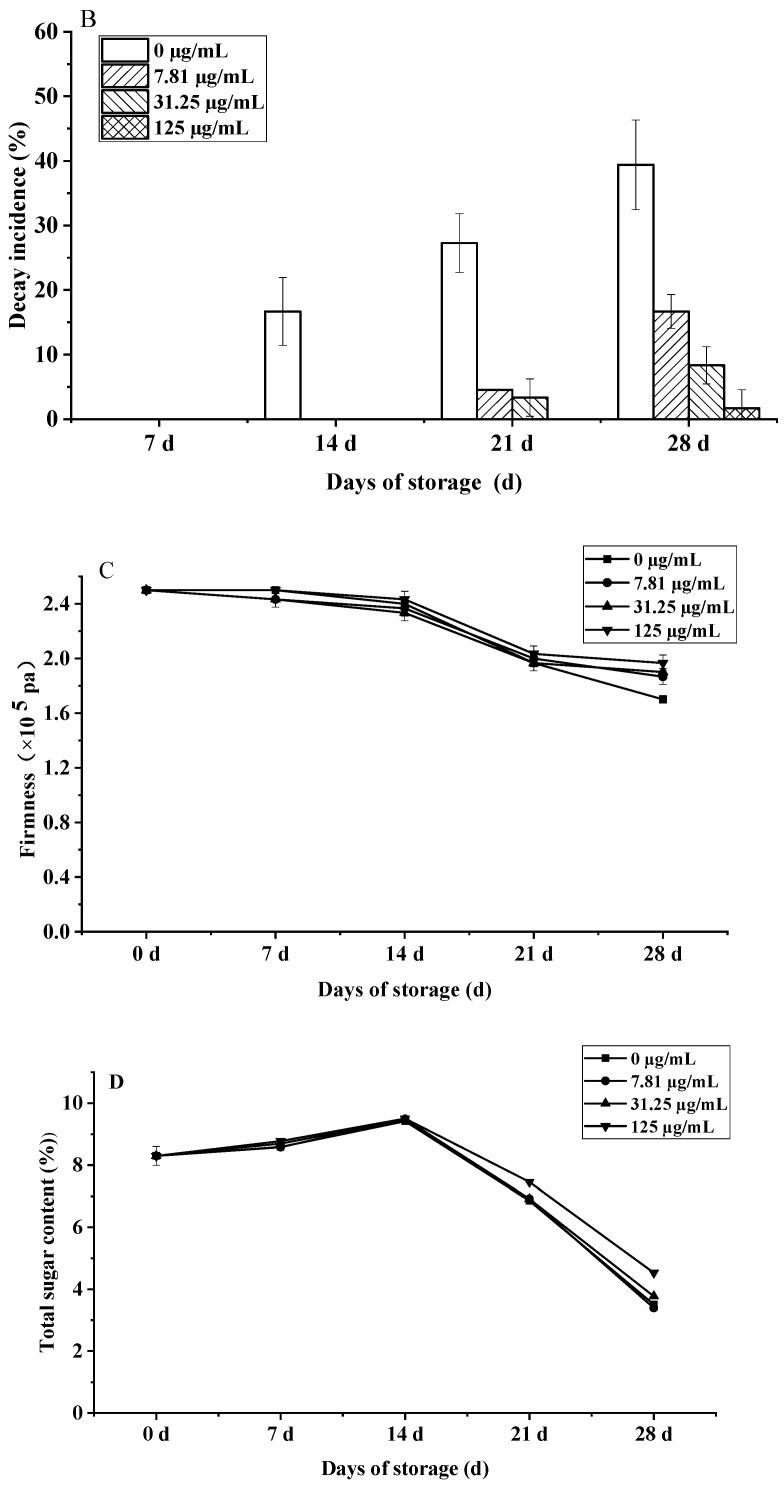 Figure 13
 Figure 14
Peer Reviews
No public reviews on file for this paper yet. If you reviewed it on a platform where reviews are public (OpenReview, ICLR, NeurIPS, ICML), you can paste yours below so the community can read it here.
Videos
No videos yet. Explain this paper in a talk, walkthrough, or lecture? Add one.
Taxonomy
TopicsEssential Oils and Antimicrobial Activity · Insect Pest Control Strategies · Listeria monocytogenes in Food Safety