Temperature-Driven Maillard Conjugation and Phenolic Changes in Dried Lychee Pulp: Implications for Antioxidative Enhancement
Supakit Chaipoot, Kanokwan Kulprachakarn, Pairote Wiriyacharee, Chalermkwan Somjai, Kuntathee Chaimueng, Sirinthip Jaijoi, Apinya Khampakool, Worachai Wongwatcharayothin, Sirasit Srinuanpan, Pattavara Pathomrungsiyounggul, Rewat Phongphisutthinant

TL;DR
Heating dried lychee pulp at moderate temperatures improves its antioxidant properties through chemical changes, but higher temperatures cause degradation.
Contribution
This study identifies optimal thermal aging conditions for enhancing the functional properties of dried lychee pulp through Maillard conjugation.
Findings
Aging at 60–70 °C increased total phenolics, flavonoids, and antioxidant activity with a peak glycation degree of 47%.
PCA showed strong correlations between compositional changes and antioxidant responses at moderate temperatures.
Aging at 80 °C caused degradation of phenolics, sugars, and amino acids, reducing antioxidant activity.
Abstract
Thermal aging is an effective strategy for improving the functional properties of fruit-based ingredients via physicochemical modifications. This research investigates the effect of thermal aging on the physicochemical, antioxidant, and Maillard conjugation properties of dried lychee pulp aged at 50, 60, 70, and 80 °C for 20 days under controlled relative humidity. Comprehensive analyses were performed, including total phenolic content (TPC), total flavonoid content (TFC), individual phenolic profiles, saccharide composition, free amino acid content, degree of glycation (DG), peptide molecular weight distribution, and antioxidant activity assessed by ABTS, DPPH, and FRAP assays. The results demonstrated that aging at moderate temperatures (60–70 °C) significantly enhanced TPC, TFC, and antioxidant activity, alongside an increased degree of glycation, peaking at approximately 47% at 70…
Genes, proteins, chemicals, diseases, species, mutations and cell lines named across the full text — each resolved to its canonical identifier and authoritative record.
Click any figure to enlarge with its caption.
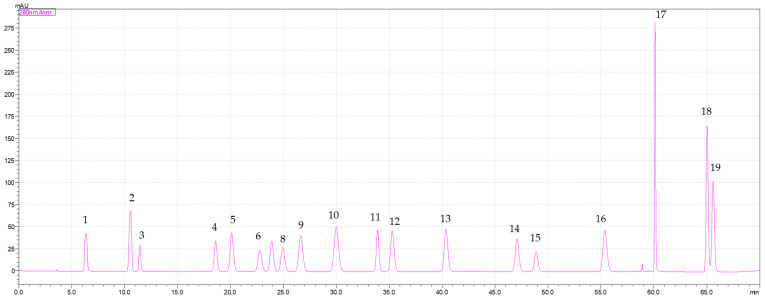 Figure 1
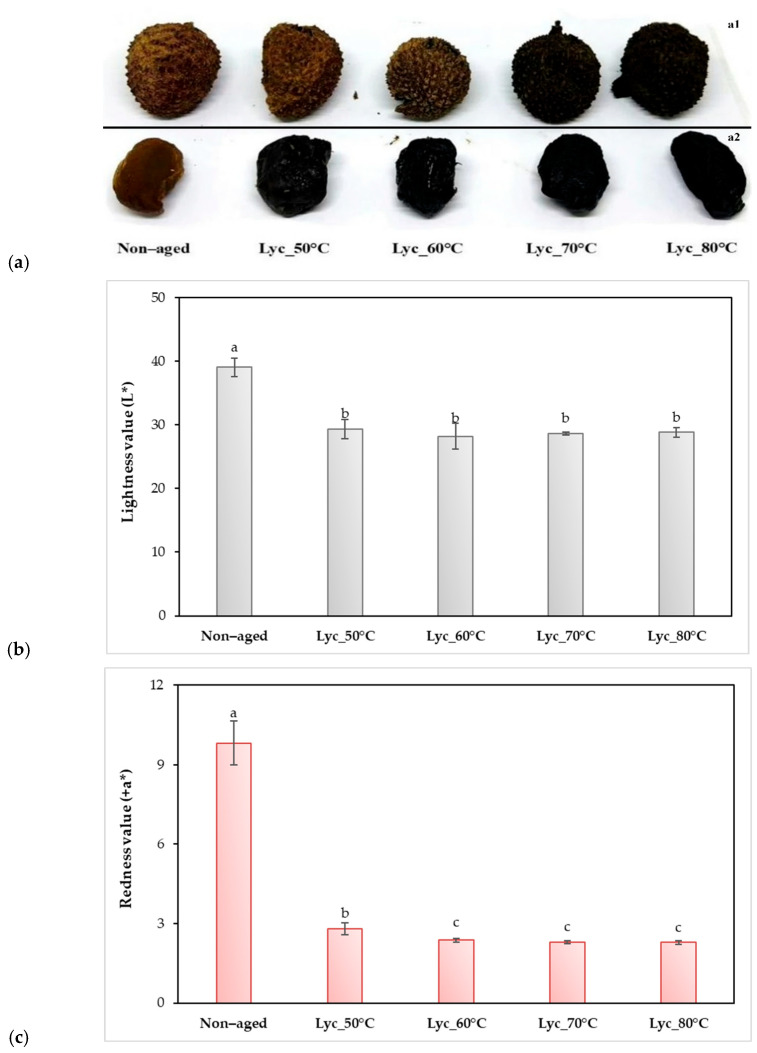 Figure 2
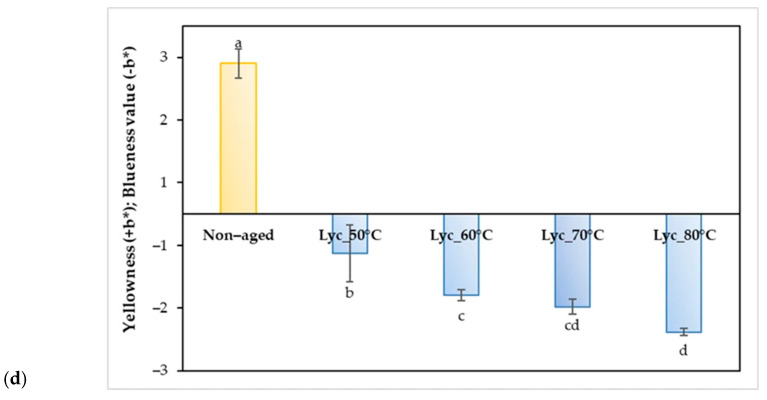 Figure 3
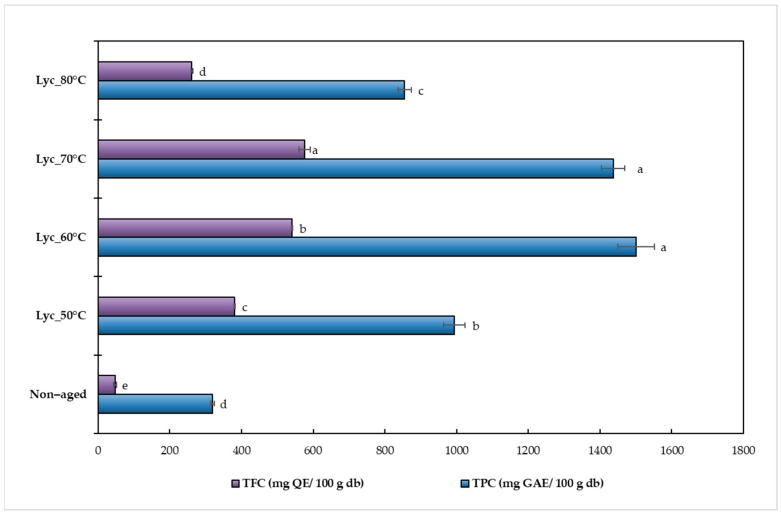 Figure 4
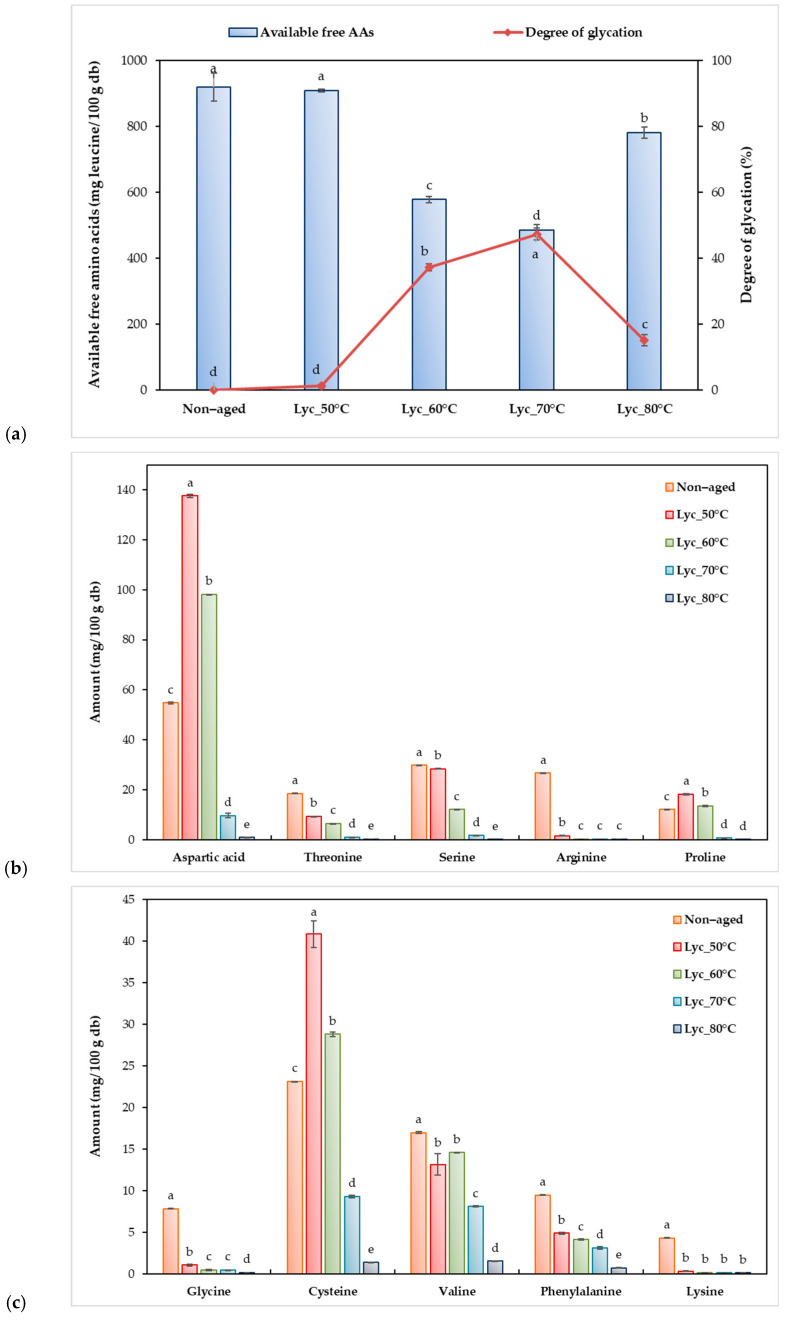 Figure 5
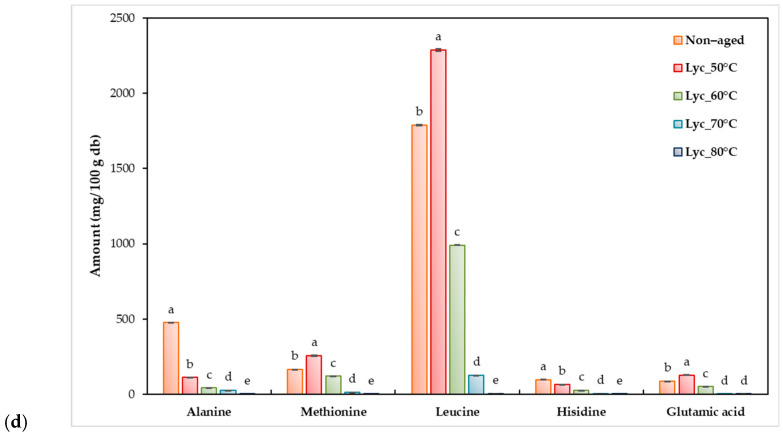 Figure 6
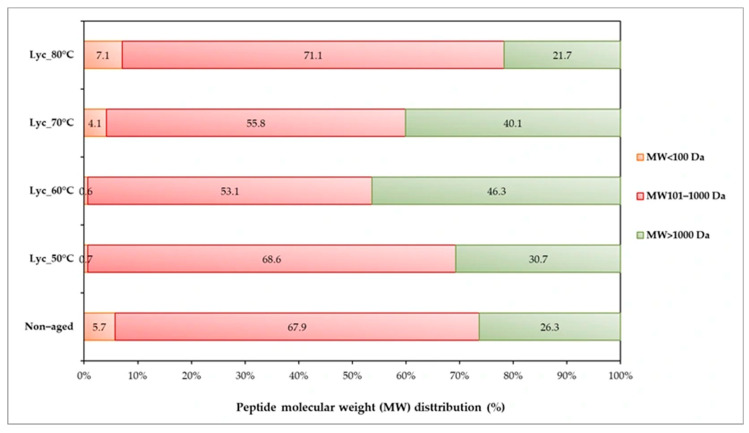 Figure 7
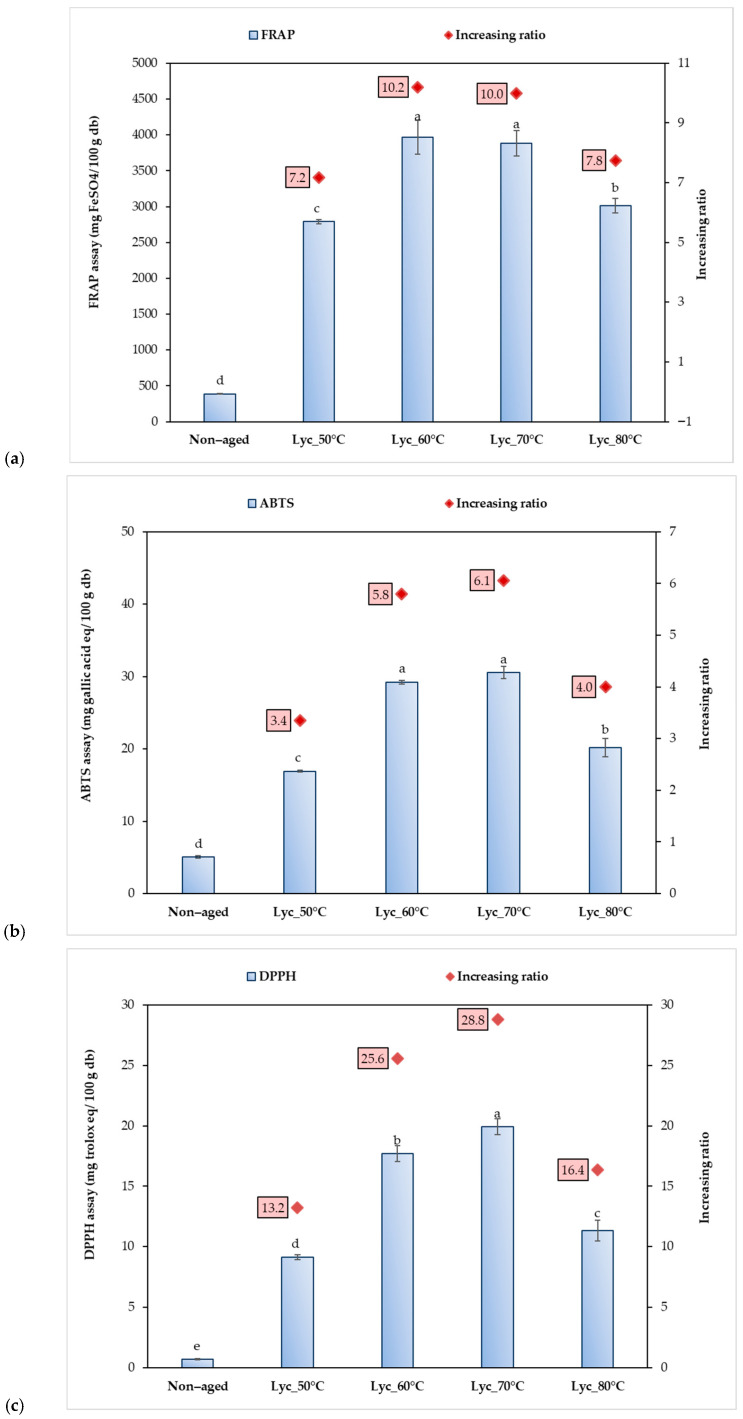 Figure 8
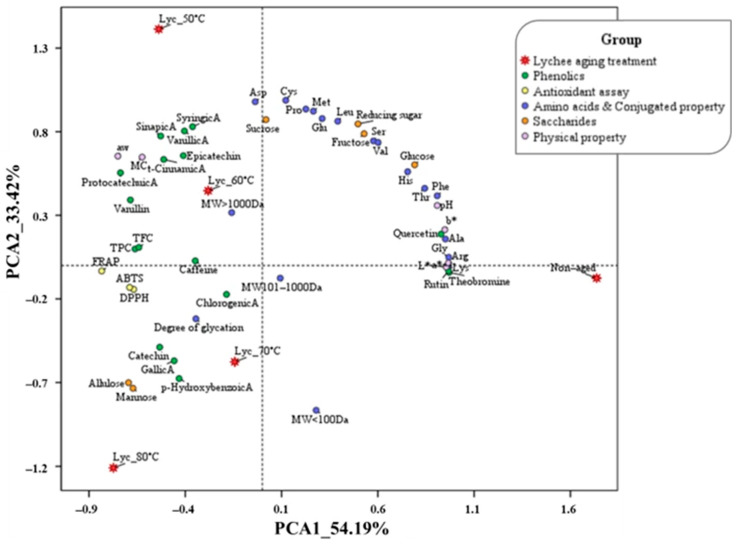 Figure 9
Peer Reviews
No public reviews on file for this paper yet. If you reviewed it on a platform where reviews are public (OpenReview, ICLR, NeurIPS, ICML), you can paste yours below so the community can read it here.
Videos
No videos yet. Explain this paper in a talk, walkthrough, or lecture? Add one.
Taxonomy
TopicsMicroencapsulation and Drying Processes · Nanocomposite Films for Food Packaging · Polysaccharides and Plant Cell Walls