Human DRG Glucocorticoid Receptor Profiling Reveals Targets for Regionally Delivered Steroid Analgesia
Shaaban A. Mousa, Elsayed Y. Metwally, Xiongjuan Li, Sascha Tafelski, Oscar Andrés Retana Romero, Jörg Piontek, Sascha Treskatsch, Michael Schäfer, Mohammed Shaqura

TL;DR
This study shows that glucocorticoid receptors in human dorsal root ganglia are linked to pain relief and suggests targeting these receptors could improve steroid-based pain treatments.
Contribution
The study identifies glucocorticoid receptor localization and function in human DRG neurons and proposes receptor-selective modulation as a novel analgesic strategy.
Findings
Glucocorticoid receptors are predominantly expressed in human DRG and colocalize with CGRP in nociceptive neurons.
Mineralocorticoid receptor signaling acts as a pronociceptive counterpart, suggesting receptor-selective modulation as a therapeutic approach.
GR agonists delivered regionally provide long-term analgesia in chronic radicular pain patients.
Abstract
What are the main findings? Glucocorticoid receptors (GRs) are the predominant corticosteroid receptors expressed in human dorsal root ganglia (DRG).GRs are preferentially localized to nociceptive DRG neurons, colocalizing with CGRP and only occasionally with GFAP of satellite glial cells. Glucocorticoid receptors (GRs) are the predominant corticosteroid receptors expressed in human dorsal root ganglia (DRG). GRs are preferentially localized to nociceptive DRG neurons, colocalizing with CGRP and only occasionally with GFAP of satellite glial cells. What are the implications of the main findings? Preclinical and clinical data support a functional role for neuronal GR signaling in attenuating inflammatory and radicular pain, respectively.Mineralocorticoid receptor (MR) signaling emerges as a pronociceptive counterpart, highlighting receptor-selective modulation as a therapeutic…
Genes, proteins, chemicals, diseases, species, mutations and cell lines named across the full text — each resolved to its canonical identifier and authoritative record.
Click any figure to enlarge with its caption.
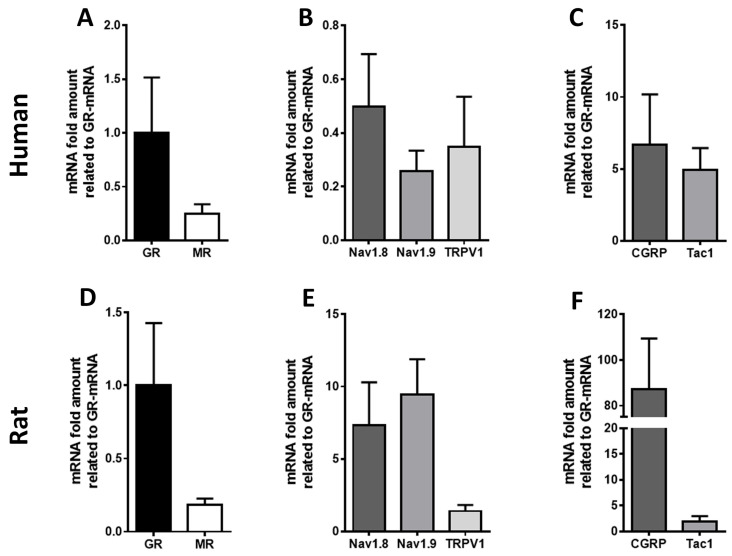 Figure 1
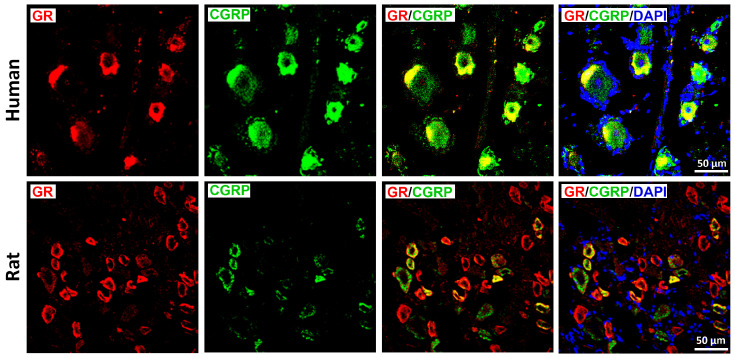 Figure 2
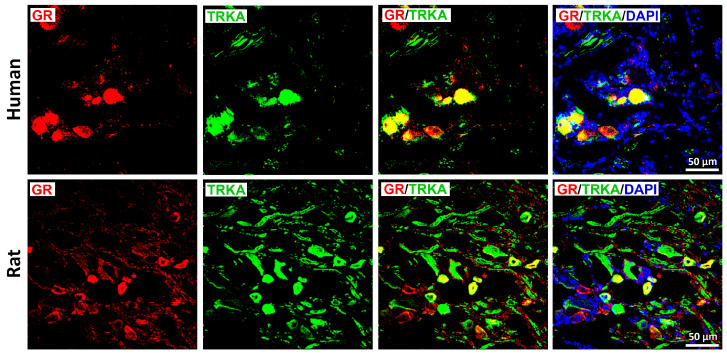 Figure 3
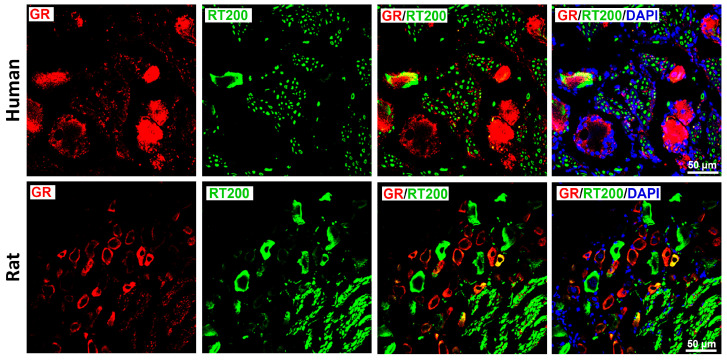 Figure 4
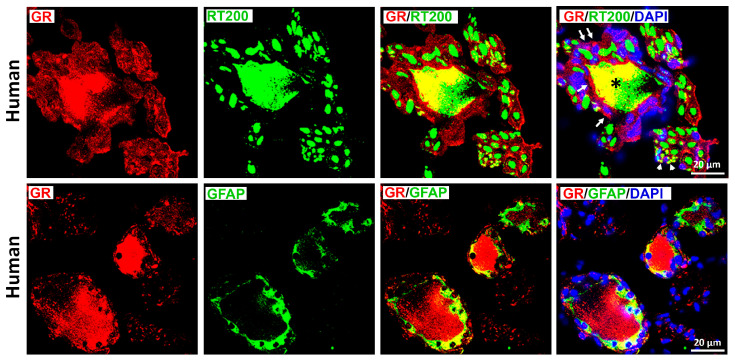 Figure 5
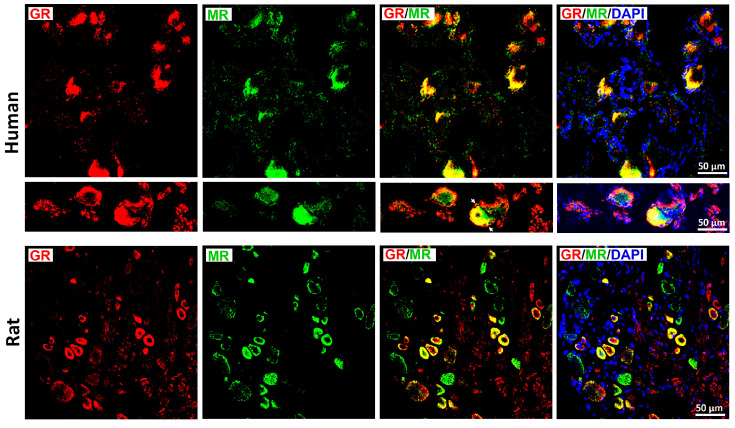 Figure 6
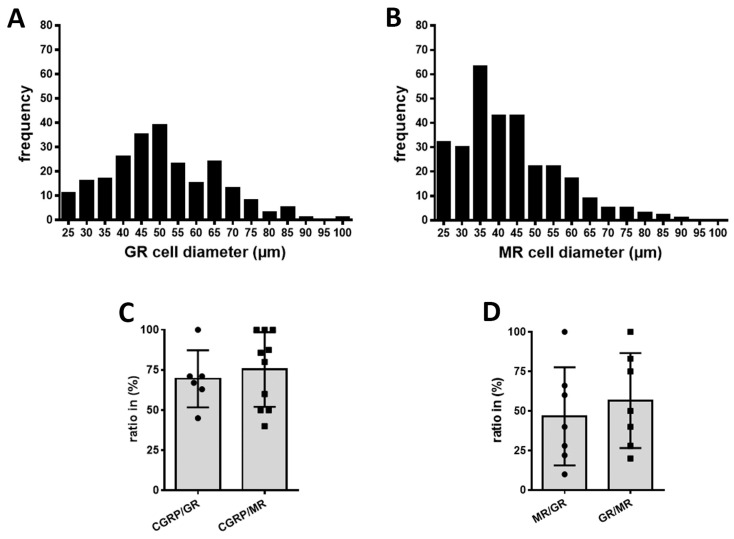 Figure 7
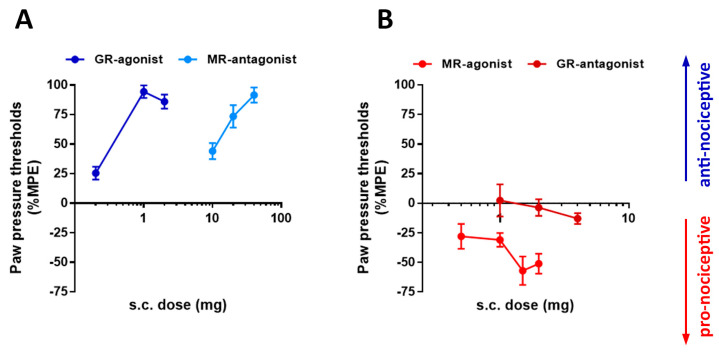 Figure 8
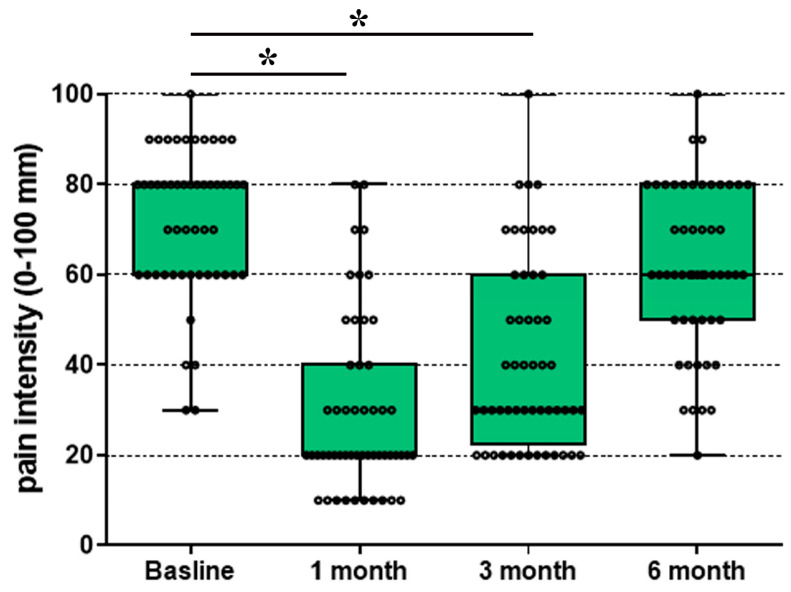 Figure 9
Peer Reviews
No public reviews on file for this paper yet. If you reviewed it on a platform where reviews are public (OpenReview, ICLR, NeurIPS, ICML), you can paste yours below so the community can read it here.
Videos
No videos yet. Explain this paper in a talk, walkthrough, or lecture? Add one.
Taxonomy
TopicsPain Mechanisms and Treatments · Hormonal Regulation and Hypertension · Estrogen and related hormone effects