Differential Metastatic Patterns and Prognostic Value of Systemic Inflammation Scores in Anaplastic Lymphoma Kinase Rearranged Versus Anaplastic Lymphoma Kinase Negative Non-Small Cell Lung Cancer
Melek Özdemir, Gamze Gököz Doğu, Burcu Yapar Taşköylü, Arzu Yaren, Serkan Değirmencioğlu, Atike Gökçen Demiray, Ferda Bir, Bensu Selbest Altay, Burçin Çakan Demirel, Tolga Doğan, Semra Taş, Taliha Güçlü Kantar, Ömer Acar

TL;DR
This study compares outcomes in lung cancer patients with and without a specific genetic change, finding that liver metastasis is a stronger predictor of poor survival than brain metastasis.
Contribution
The study identifies liver metastasis as a more critical prognostic factor than brain metastasis in ALK-positive lung cancer patients.
Findings
ALK-positive patients have a higher risk of brain metastasis but liver metastasis is a stronger predictor of poor survival.
Elevated LDH levels are significantly associated with liver metastasis in ALK-positive patients.
Liver metastasis increases the risk of death or progression by 61.8% in ALK-positive NSCLC patients.
Abstract
Lung cancer is the foremost cause of cancer related fatalities on a global scale. A specific genetic subtype of lung cancer, designated as ALK positive, is characterised by its propensity to metastasise to the brain with high frequency. However, predicting patient outcomes in real-world settings remains a challenging endeavour. The objective of this study was to analyse the disparities between patients with and without this genetic alteration, with a particular focus on the dissemination of cancer and the potential of routine blood tests to predict these patterns. It was established that, while ALK positive patients do exhibit an elevated risk of brain metastasis, metastasis to the liver is a more significant predictor of poor survival. In addition, a standard blood test (LDH) was found to be significantly linked to liver involvement. These findings are of significance as they…
Genes, proteins, chemicals, diseases, species, mutations and cell lines named across the full text — each resolved to its canonical identifier and authoritative record.
Click any figure to enlarge with its caption.
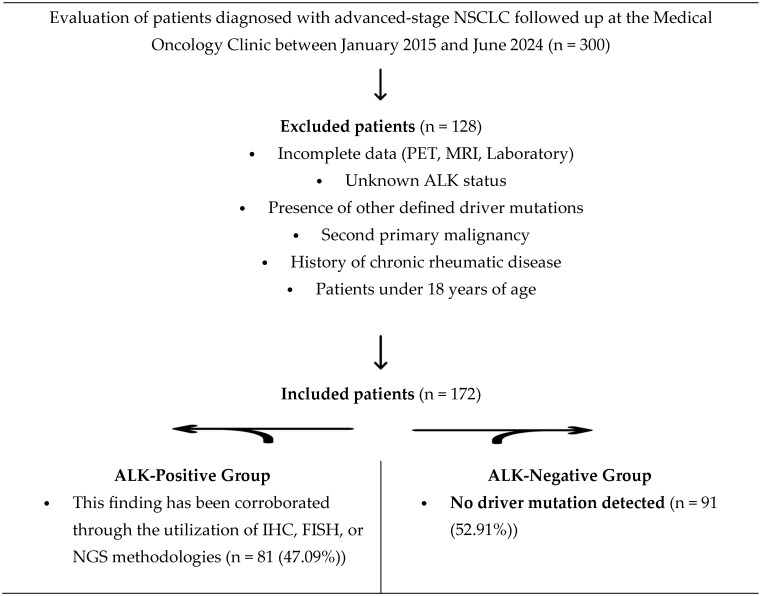 Figure 1
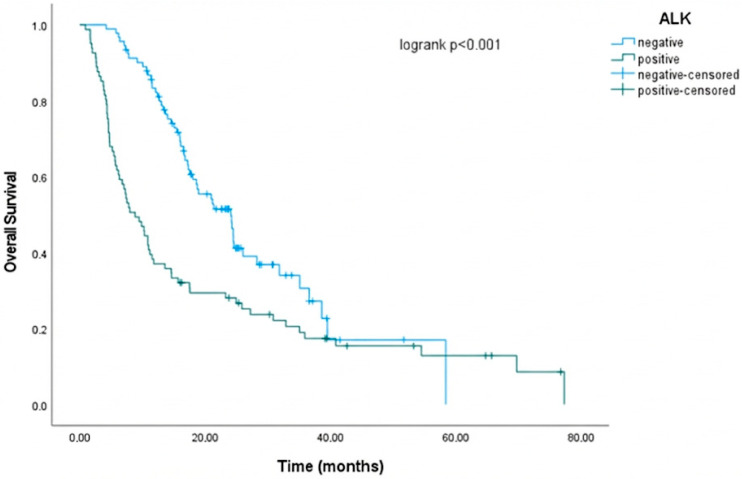 Figure 2
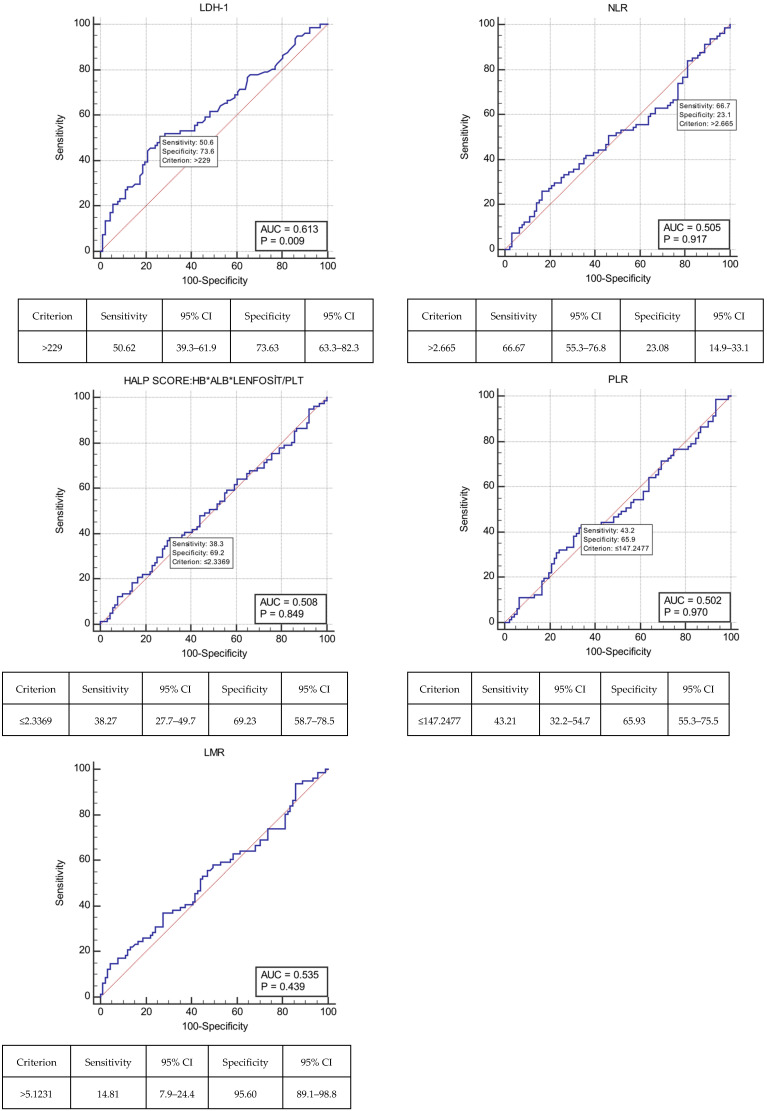 Figure 3
Peer Reviews
No public reviews on file for this paper yet. If you reviewed it on a platform where reviews are public (OpenReview, ICLR, NeurIPS, ICML), you can paste yours below so the community can read it here.
Videos
No videos yet. Explain this paper in a talk, walkthrough, or lecture? Add one.
Taxonomy
TopicsLung Cancer Research Studies · Inflammasome and immune disorders · Lung Cancer Treatments and Mutations