Amazonian Fungal Diversity and the Potential of Basidiomycetes as Sources of Novel Antimicrobials
Luana C. R. M. dos Santos, Juan D. R. de Almeida, Naira S. O. de Sousa, Flávia da S. Fernandes, João F. V. Ennes, Hagen Frickmann, João V. B. de Souza, Érica S. de Souza

TL;DR
This review explores Amazonian fungi, especially basidiomycetes, as potential sources of new antimicrobial compounds to combat drug-resistant infections.
Contribution
The paper integrates fungal biodiversity data with antimicrobial bioprospecting, emphasizing basidiomycetes and their bioactive compounds.
Findings
Amazonian basidiomycetes produce diverse bioactive compounds like terpenes and peptides with antimicrobial potential.
Current research is limited by uneven sampling and challenges in cultivating certain fungal species.
Linking compounds to biosynthetic pathways and ecological roles is critical for advancing antimicrobial discovery.
Abstract
The Amazon rainforest harbors an extraordinary diversity of fungi that helps to sustain forest processes such as decomposition, nutrient cycling, and ecological interactions with plants and animals. At the same time, the world is facing a growing problem of infections that are difficult to treat because microorganisms become resistant against existing antibiotics and antifungal drugs. This review brings together what is currently known about fungal diversity across major Amazon ecosystems and highlights basidiomycetes as promising sources of natural molecules with antimicrobial activity. We summarize how these fungi are detected using traditional culture methods and modern molecular approaches, which types of bioactive compounds have been reported, and which genera have shown the most promising potential as producers of anti-microbially active drugs. We also discuss key gaps that limit…
Genes, proteins, chemicals, diseases, species, mutations and cell lines named across the full text — each resolved to its canonical identifier and authoritative record.
Click any figure to enlarge with its caption.
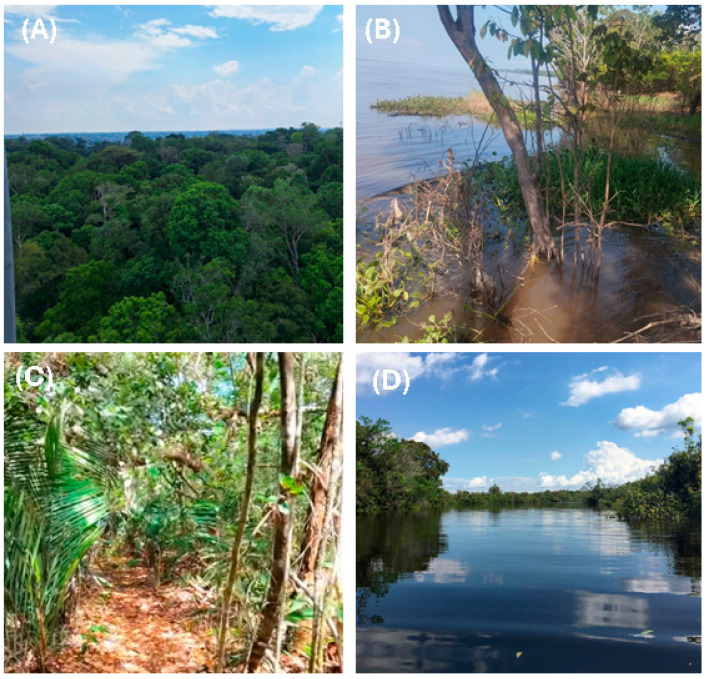 Figure 1
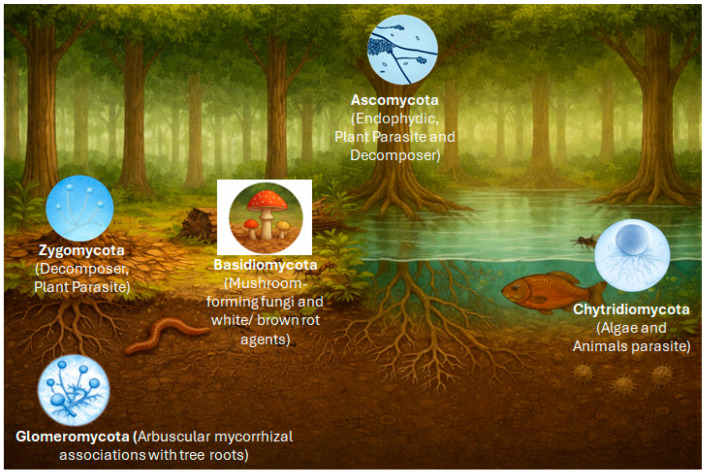 Figure 2
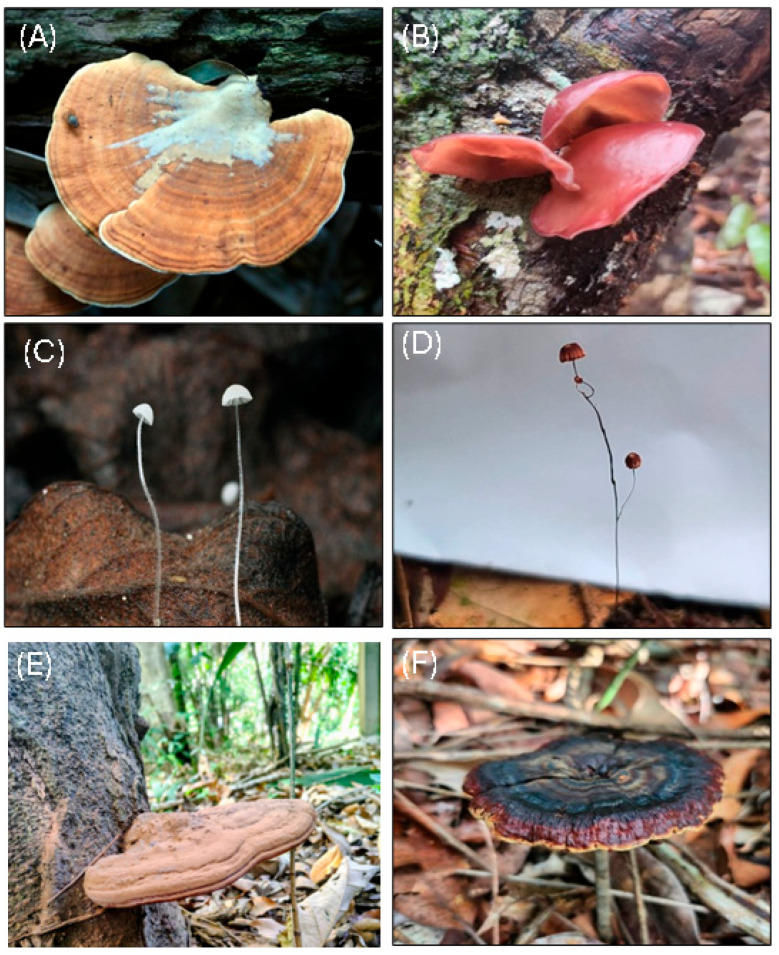 Figure 3
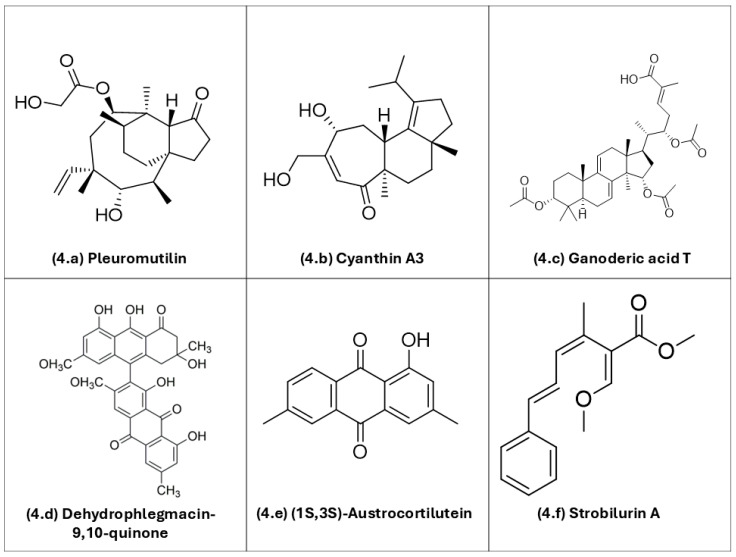 Figure 4
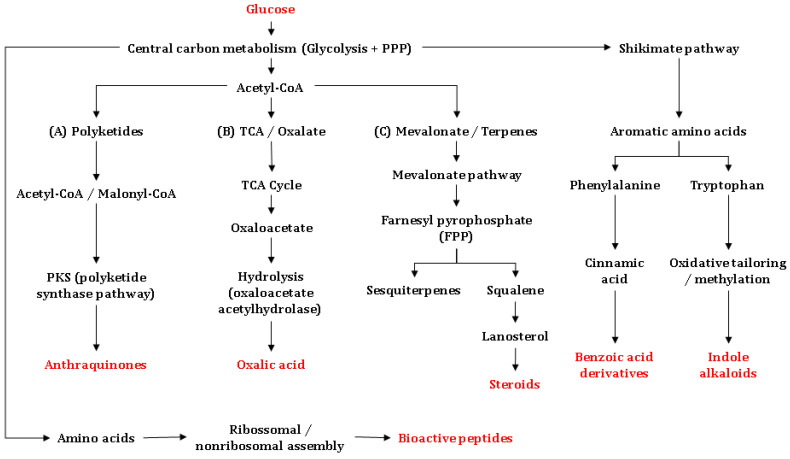 Figure 5
Peer Reviews
No public reviews on file for this paper yet. If you reviewed it on a platform where reviews are public (OpenReview, ICLR, NeurIPS, ICML), you can paste yours below so the community can read it here.
Videos
No videos yet. Explain this paper in a talk, walkthrough, or lecture? Add one.
Taxonomy
TopicsMicrobial Natural Products and Biosynthesis · Fungal Biology and Applications · Mycorrhizal Fungi and Plant Interactions