SLPI in Prostate Cancer
Dario Rosini, Irene Cosi, Pierpaolo De Iaco, Arcangelo Sebastianelli, Gioia Di Stefano, Sergio Serni, Gabriella Nesi, Rosario Notaro, Maria De Angioletti

TL;DR
SLPI is a protein that protects tissues but can help cancers grow, and in prostate cancer, its levels change as the disease progresses.
Contribution
This review highlights the bimodal expression pattern of SLPI in prostate cancer and its clinical significance in advanced stages.
Findings
SLPI levels are low in early prostate cancer but rise sharply in advanced, treatment-resistant stages.
High SLPI levels in prostate cancer correlate with reduced PSA progression-free survival.
SLPI influences tumor microenvironment and immune landscape, promoting cancer progression in a context-dependent manner.
Abstract
SLPI is a protein that usually acts as a protective shield for our body’s internal surfaces. Its main jobs are to prevent tissue damage, fight germs, and control inflammation. However, in the context of cancer, SLPI acts like a double-edged sword. While it normally keeps us healthy, many cancers—including lung and breast cancer—hijack this protein to grow and spread more easily. In these cases, high levels of SLPI often signal a more aggressive disease. Interestingly, the opposite happens in some cases, like liver cancer, where more SLPI can be a positive sign. Prostate cancer shows a unique pattern: SLPI protein levels are low in the early stages but rise sharply as the cancer becomes advanced and resistant to treatments. By studying these shifts, scientists can better understand how a tumor behaves, helping doctors predict the disease’s path and develop more effective, personalized…
Genes, proteins, chemicals, diseases, species, mutations and cell lines named across the full text — each resolved to its canonical identifier and authoritative record.
Click any figure to enlarge with its caption.
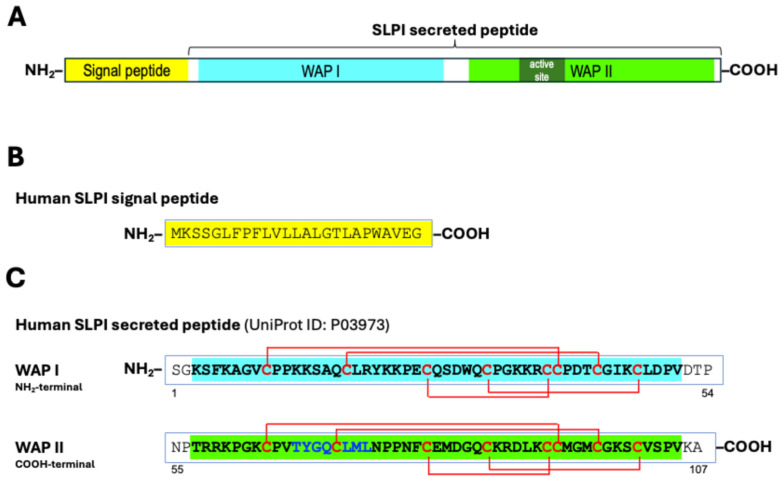 Figure 1
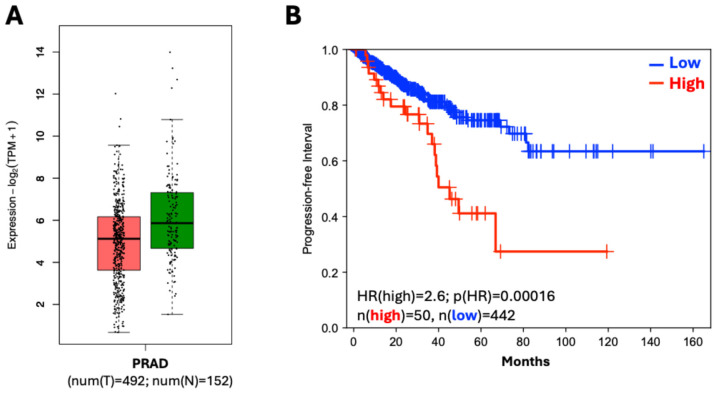 Figure 2
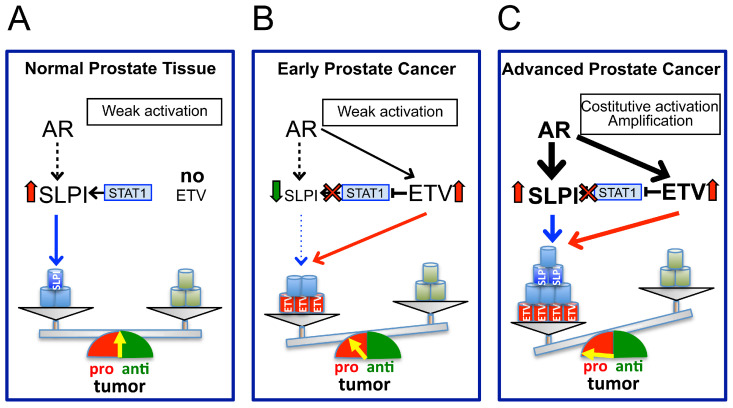 Figure 3
Peer Reviews
No public reviews on file for this paper yet. If you reviewed it on a platform where reviews are public (OpenReview, ICLR, NeurIPS, ICML), you can paste yours below so the community can read it here.
Videos
No videos yet. Explain this paper in a talk, walkthrough, or lecture? Add one.
Taxonomy
TopicsProtease and Inhibitor Mechanisms · Blood Coagulation and Thrombosis Mechanisms · Coagulation, Bradykinin, Polyphosphates, and Angioedema