The Effect of Pretreatments and Infrared Drying on the Quality of White Radish Slices
Małgorzata Chobot, Mariola Kozłowska, Agata Marzec, Hanna Kowalska

TL;DR
This study explores how different pretreatments affect the quality of dried white radish slices, finding that osmotic dehydration and spice coatings preserve structure and nutrients best.
Contribution
The study introduces a comparative analysis of various pretreatments for infrared drying of white radish, highlighting osmotic dehydration and spice coatings as novel effective methods.
Findings
Osmotic dehydration with inulin minimized shrinkage, color change, and preserved phenolic content and antioxidant activity.
Spice-coated samples showed low hardness, vivid color, and high porosity, with paprika-coated samples reaching 57.5% porosity.
Blanching, ultrasound, and PEF caused greater structural changes and increased hygroscopicity in dried white radish slices.
Abstract
White radish is a nutritious root vegetable that provides dietary fiber, essential vitamins and minerals, and a range of bioactive compounds. This study aimed to determine how steam and microwave blanching, pulsed electric field, ultrasound, osmotic dehydration with inulin or trehalose, and coating with spices such as turmeric or sweet paprika influence the characteristics of convective infrared dried white radish slices. To assess the effect of each pretreatment, moisture content, water activity, shrinkage, density, texture, color parameters, structural characteristics (SEM and µ-CT), vapor adsorption, thermal changes, and antioxidant properties were analyzed. Osmotic dehydration with inulin most effectively limited shrinkage and color change, stabilized the microstructure, and resulted in the highest relative phenolic content and antioxidant activity (TPC, DPPH). Spice-coated samples…
Genes, proteins, chemicals, diseases, species, mutations and cell lines named across the full text — each resolved to its canonical identifier and authoritative record.
Click any figure to enlarge with its caption.
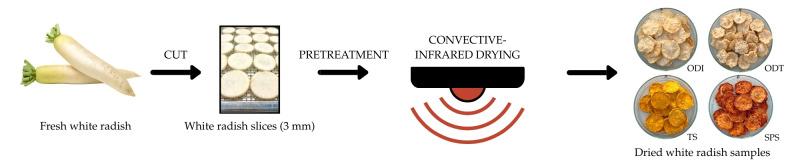 Figure 1
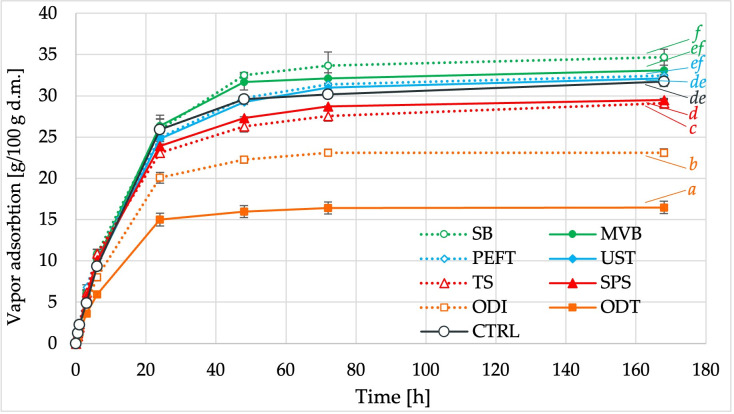 Figure 2
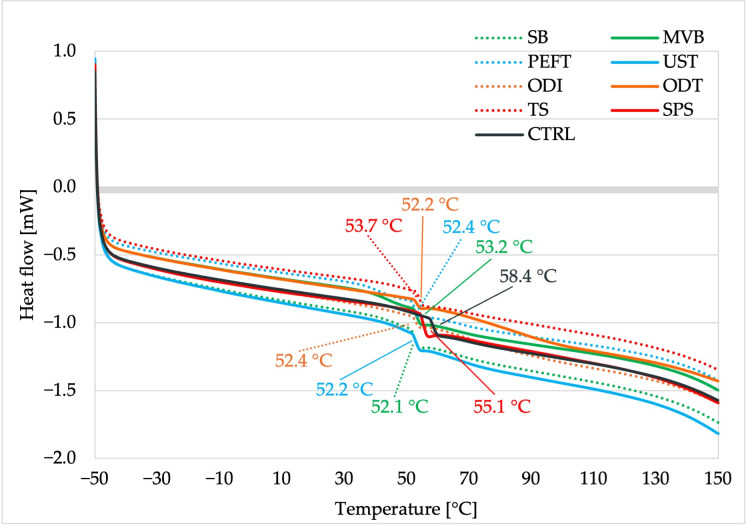 Figure 3
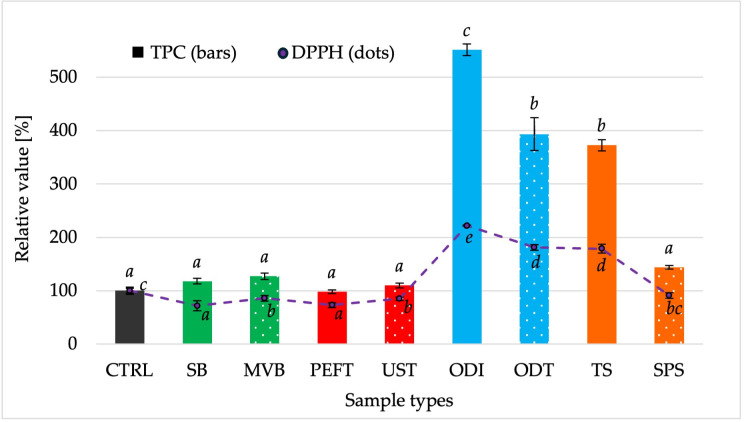 Figure 4
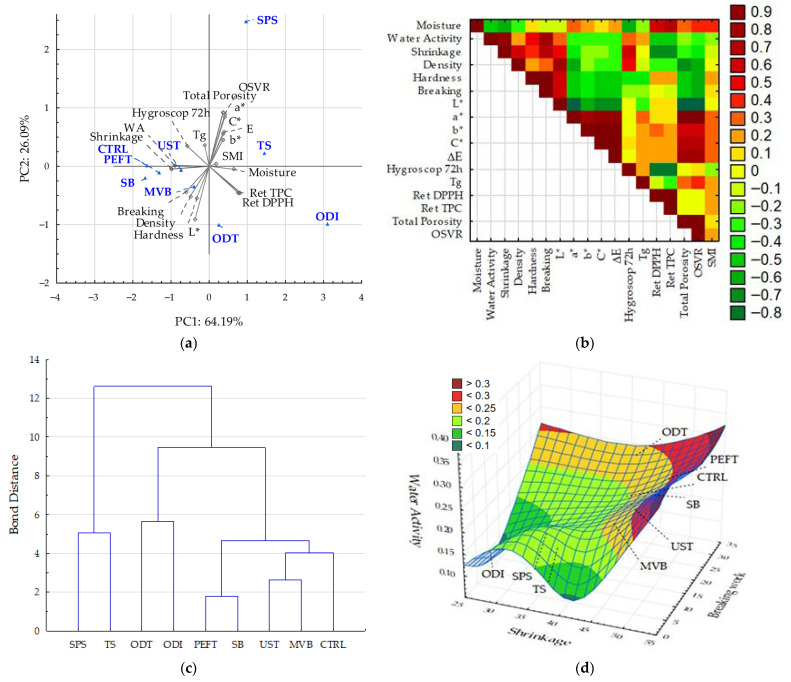 Figure 5
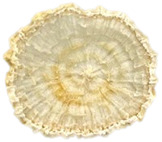 Figure 6
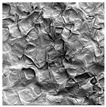 Figure 7
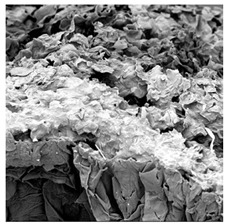 Figure 8
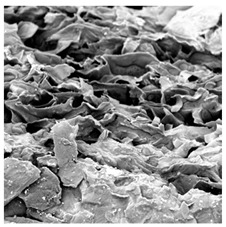 Figure 9
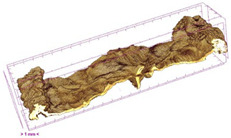 Figure 10
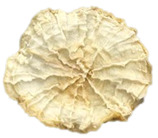 Figure 11
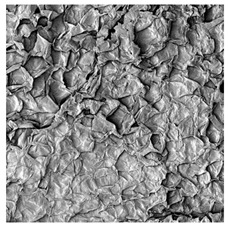 Figure 12
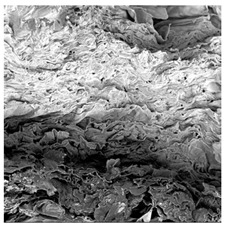 Figure 13
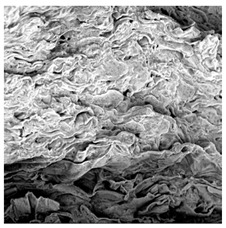 Figure 14
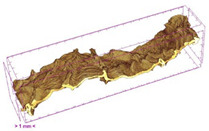 Figure 15
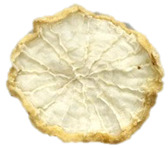 Figure 16
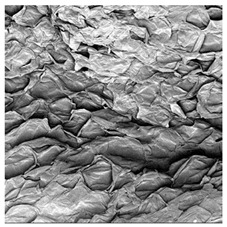 Figure 17
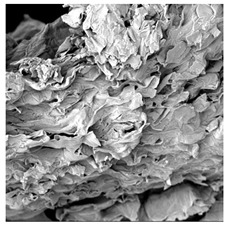 Figure 18
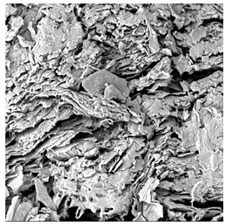 Figure 19
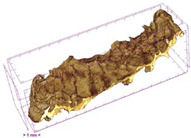 Figure 20
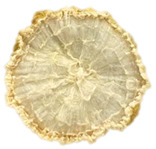 Figure 21
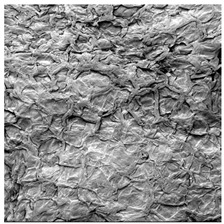 Figure 22
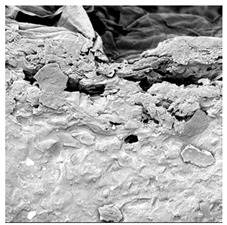 Figure 23
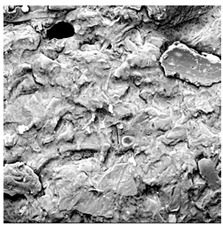 Figure 24
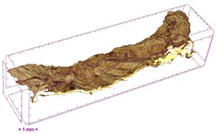 Figure 25
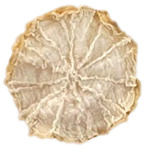 Figure 26
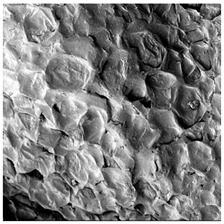 Figure 27
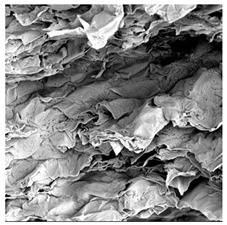 Figure 28
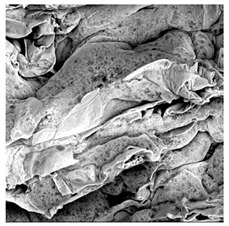 Figure 29
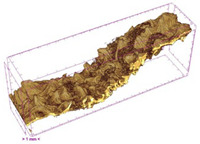 Figure 30
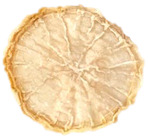 Figure 31
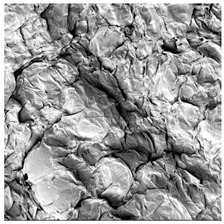 Figure 32
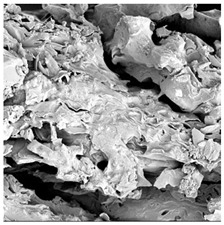 Figure 33
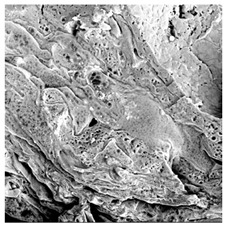 Figure 34
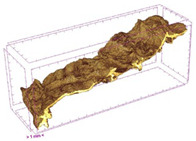 Figure 35
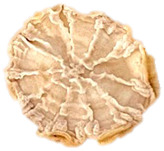 Figure 36
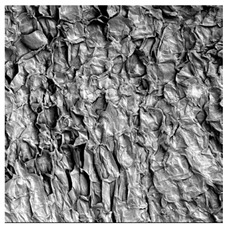 Figure 37
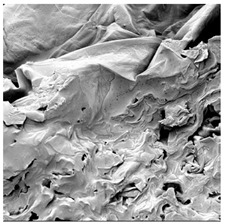 Figure 38
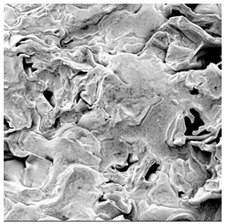 Figure 39
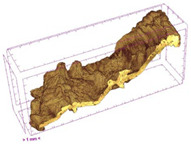 Figure 40
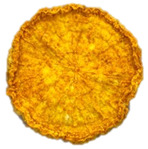 Figure 41
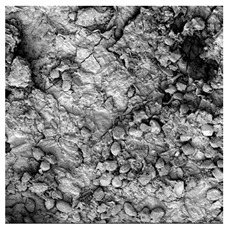 Figure 42
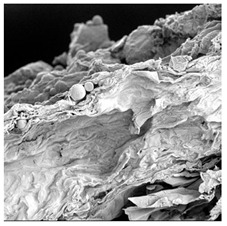 Figure 43
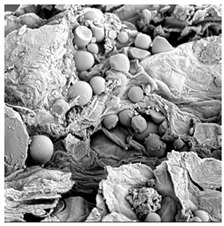 Figure 44
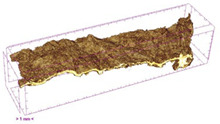 Figure 45
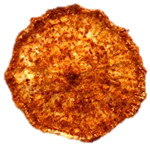 Figure 46
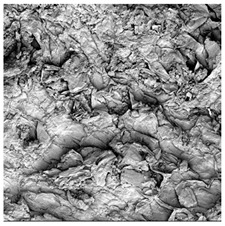 Figure 47
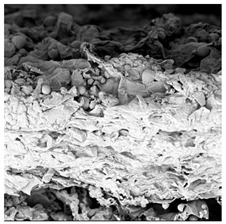 Figure 48
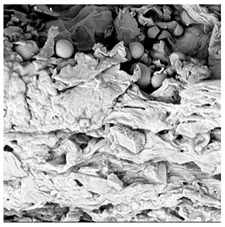 Figure 49
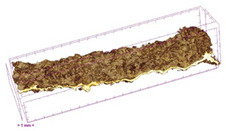 Figure 50
Peer Reviews
No public reviews on file for this paper yet. If you reviewed it on a platform where reviews are public (OpenReview, ICLR, NeurIPS, ICML), you can paste yours below so the community can read it here.
Videos
No videos yet. Explain this paper in a talk, walkthrough, or lecture? Add one.
Taxonomy
TopicsFood Drying and Modeling · Microbial Inactivation Methods · Microbial Metabolites in Food Biotechnology