FGFR Testing in Metastatic Urothelial Carcinoma—Who, When, and How to Test
André Mansinho, José Carlos Machado, Cátia Faustino, Arnaldo Figueiredo, João Moreira Pinto, Nuno Vau, João Ramalho-Carvalho, Manuel R. Teixeira

TL;DR
This paper explains how and why FGFR3 testing should be used in bladder cancer to guide targeted treatments and improve patient outcomes.
Contribution
The paper provides practical guidance on implementing FGFR3 testing in clinical practice for metastatic urothelial carcinoma.
Findings
FGFR3 alterations are predictive biomarkers for response to FGFR-targeted therapies like erdafitinib.
The THOR trial confirmed clinical benefits of erdafitinib in patients with FGFR3-altered metastatic urothelial carcinoma.
Standardized FGFR3 testing is essential for selecting appropriate patients for targeted therapy.
Abstract
Bladder cancer that has spread to other parts of the body-called metastatic urothelial carcinoma (mUC)-is an aggressive disease with few effective treatments. Recent genetic research has revealed important changes in tumor DNA and gene activity that can represent targets for use of more precise treatments. One of these targets is a gene called FGFR3, which, when altered, can drive cancer growth. New drugs that specifically block this pathway, such as erdafitinib, have shown real benefits for patients whose tumors carry these FGFR3 changes, as confirmed in a large international study (the THOR trial). Because of this, testing for FGFR3 alterations has become an important step in deciding which patients might benefit from these treatments. This article aims to explain why and how FGFR3 testing should be performed in everyday clinical practice, helping doctors select the right therapy for…
Genes, proteins, chemicals, diseases, species, mutations and cell lines named across the full text — each resolved to its canonical identifier and authoritative record.
Click any figure to enlarge with its caption.
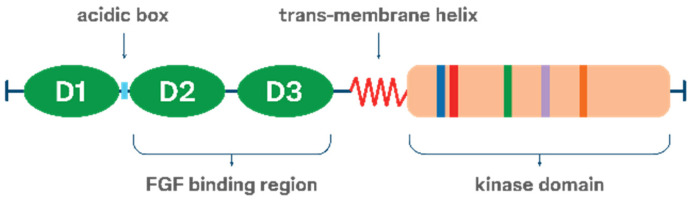 Figure 1
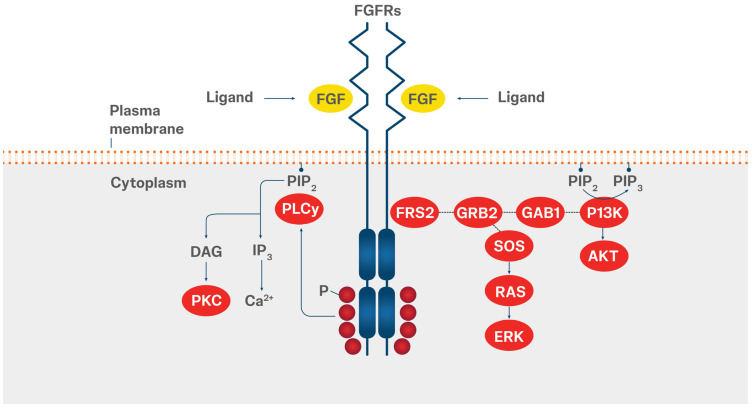 Figure 2
Peer Reviews
No public reviews on file for this paper yet. If you reviewed it on a platform where reviews are public (OpenReview, ICLR, NeurIPS, ICML), you can paste yours below so the community can read it here.
Videos
No videos yet. Explain this paper in a talk, walkthrough, or lecture? Add one.
Taxonomy
TopicsBladder and Urothelial Cancer Treatments · Fibroblast Growth Factor Research · Urinary and Genital Oncology Studies