FAM64A Potentiates Bladder Carcinoma Tumorigenesis and Metastasis Through PI3K/mTORC2/AKT Pathway Activation
Tao Zhu, Cen Liufu, Cong Yin, Jinqing He, Junhua Luo, Bentao Shi, Yan Wang

TL;DR
This study shows that FAM64A promotes bladder cancer growth and spread by activating a key signaling pathway, and blocking this pathway with Taselisib can reverse these effects.
Contribution
The study identifies FAM64A as a novel driver of bladder cancer progression through the PI3K/mTORC2/AKT pathway.
Findings
FAM64A is upregulated in bladder cancer and linked to advanced tumor stages.
FAM64A promotes cell cycle progression and EMT via the PI3K/mTORC2/AKT pathway.
Taselisib, a PI3K inhibitor, reverses FAM64A-induced malignant effects.
Abstract
This study establishes FAM64A as a critical driver of bladder cancer progression. We demonstrate that FAM64A accelerates cell cycle progression and induces epithelial–mesenchymal transition (EMT) through activation of the PI3K/mTORC2/AKT signaling pathway, thereby promoting tumor growth and metastasis. The PI3K inhibitor Taselisib effectively reverses these malignant phenotypes induced by FAM64A. These findings nominate FAM64A as both a prognostic biomarker and a promising therapeutic target in bladder cancer. Background: FAM64A is highly expressed in various cancers (e.g., breast cancer, ovarian cancer), indicating that it promotes tumorigenesis and progression by facilitating epithelial–mesenchymal transition. In the genitourinary system, dihydrotestosterone promotes the expression of FAM64A by binding of the androgen receptor to the FAM64A promoter, thereby enhancing the…
Genes, proteins, chemicals, diseases, species, mutations and cell lines named across the full text — each resolved to its canonical identifier and authoritative record.
Click any figure to enlarge with its caption.
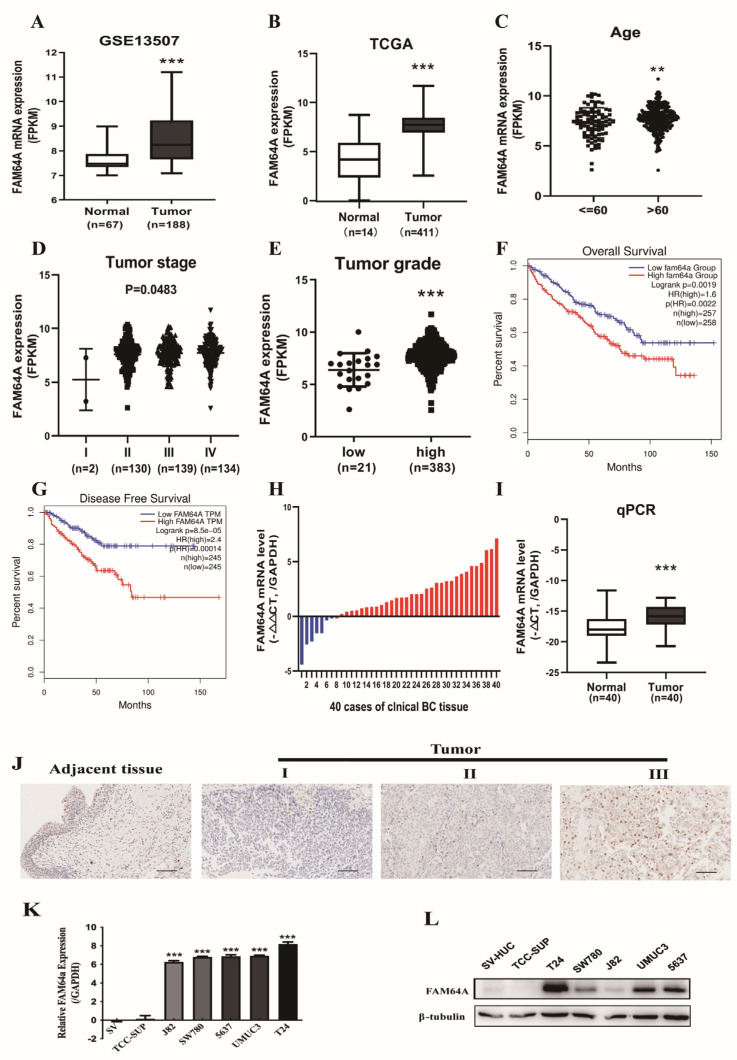 Figure 1
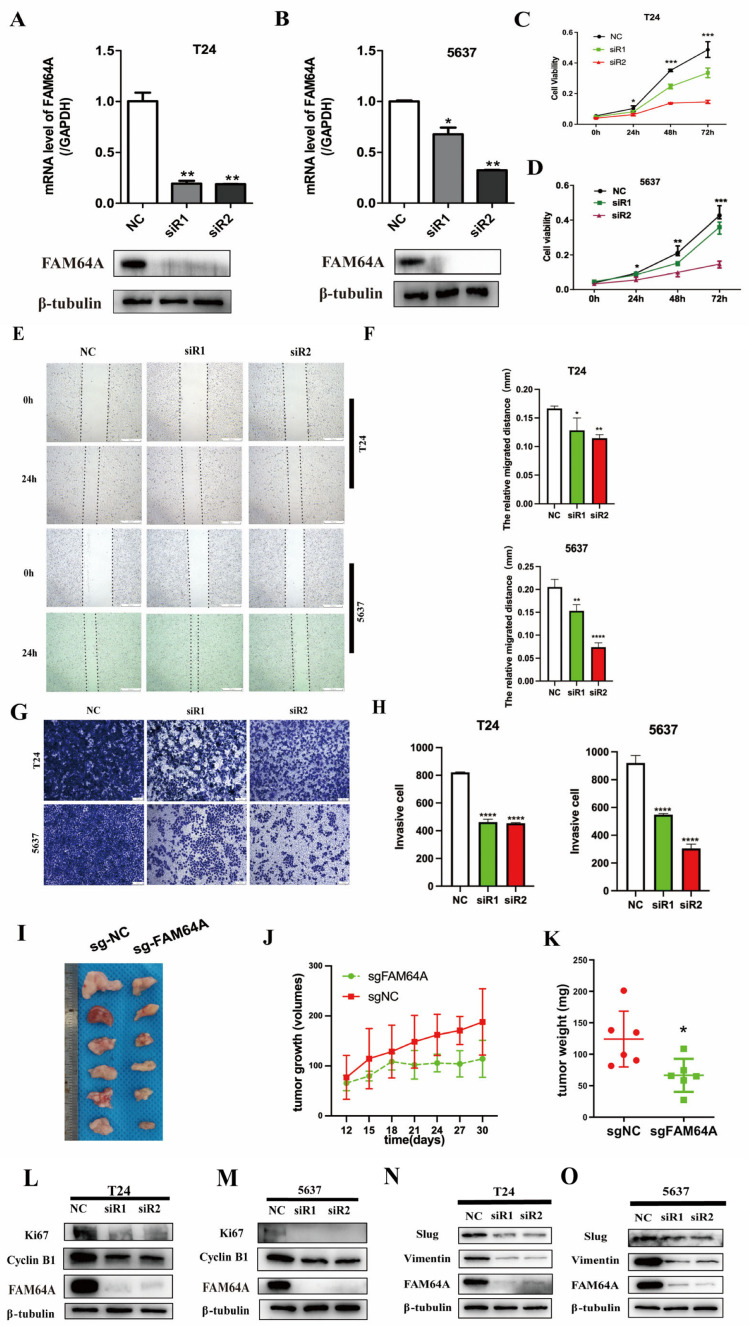 Figure 2
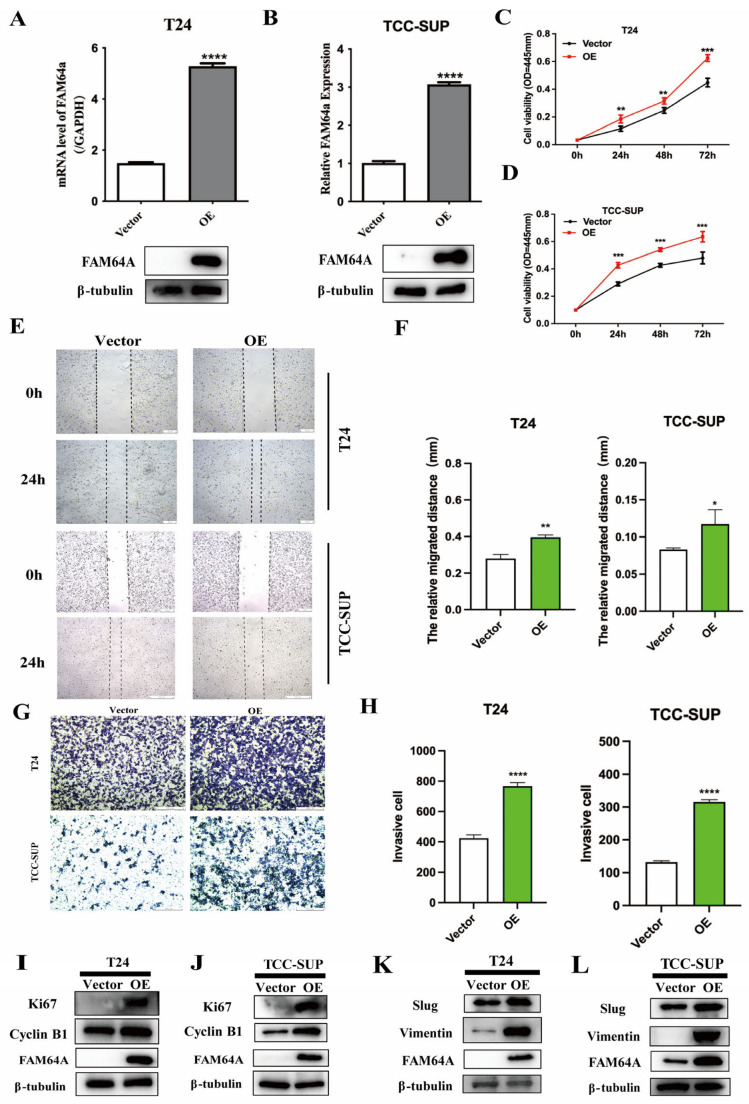 Figure 3
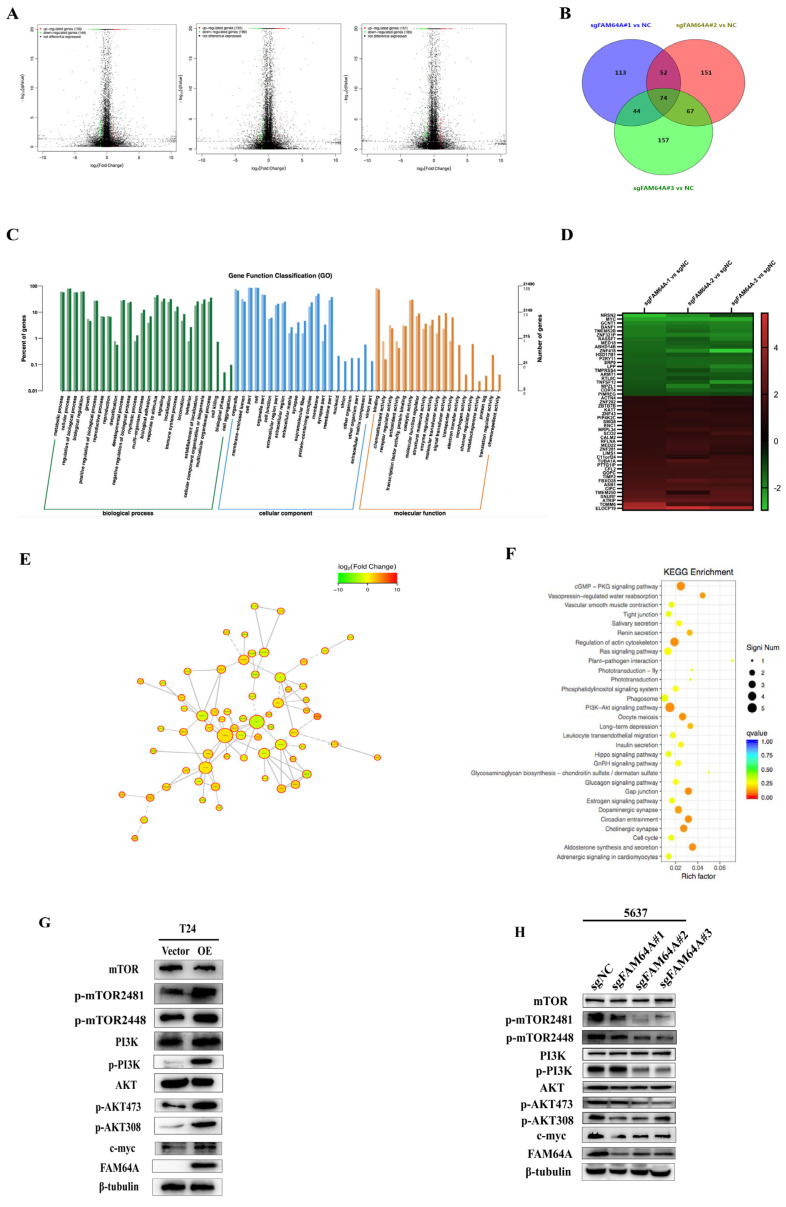 Figure 4
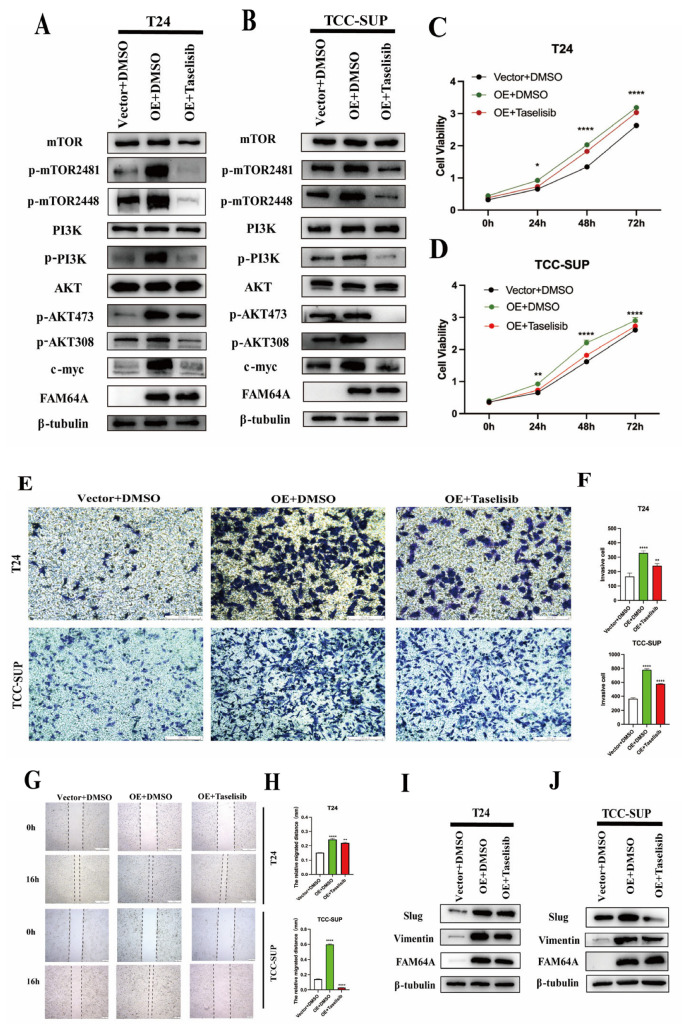 Figure 5
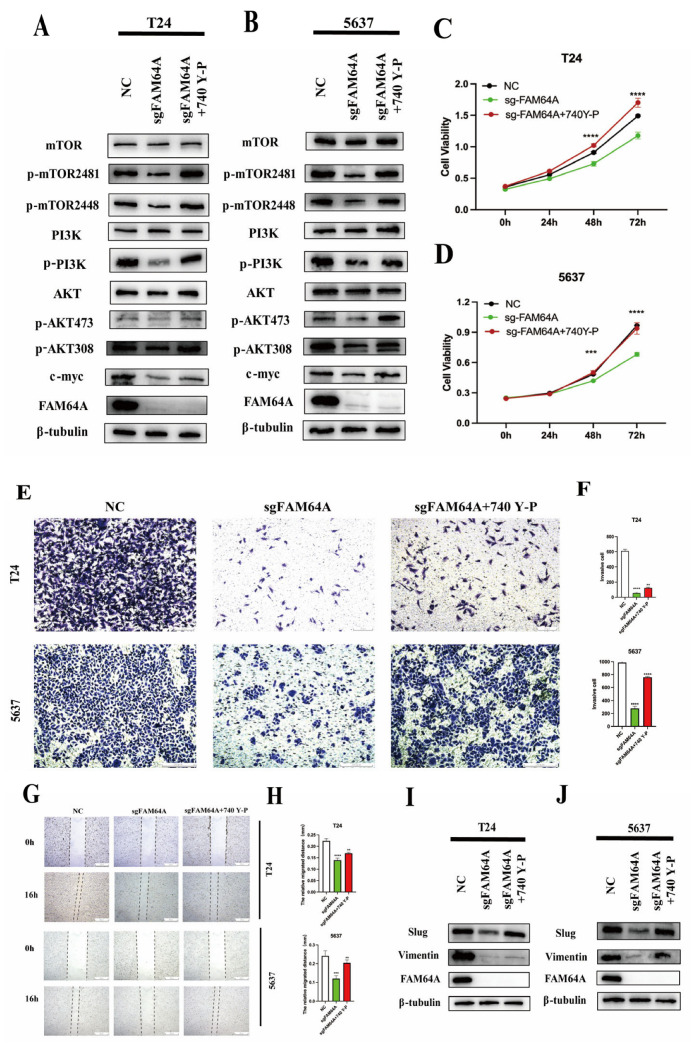 Figure 6
Peer Reviews
No public reviews on file for this paper yet. If you reviewed it on a platform where reviews are public (OpenReview, ICLR, NeurIPS, ICML), you can paste yours below so the community can read it here.
Videos
No videos yet. Explain this paper in a talk, walkthrough, or lecture? Add one.
Taxonomy
TopicsSynthesis and Biological Activity · Cancer Mechanisms and Therapy · Cancer, Stress, Anesthesia, and Immune Response