Integrating Anti-Phosphatidylserine/Prothrombin Antibodies Testing into Antiphospholipid Syndrome Diagnostics: A Multidomain, Expert Perception-Based Health Technology Assessment
Michele Cioffi, Valentina Oddone, Massimo Radin, Irene Cecchi, Alice Barinotti, Silvia Grazietta Foddai, Nicola Di Gaetano, Nicoletta Pagani, Andrea Colmegna, Simone Baldovino, Roberta Fenoglio, Dario Roccatello, Savino Sciascia

TL;DR
This study evaluates how adding a new antibody test improves the diagnosis of antiphospholipid syndrome, especially in patients who test negative with current methods.
Contribution
The study introduces a multidomain health technology assessment of anti-phosphatidylserine/prothrombin antibodies testing for antiphospholipid syndrome.
Findings
Experts rated the new test as significantly more effective and safer than current diagnostic practices.
The test showed strong correlations between perceived diagnostic effectiveness and equity and ethics.
The test is seen as organizationally feasible to implement in routine laboratory workflows.
Abstract
Background: Antiphospholipid syndrome (APS) is diagnosed by characteristic clinical manifestations supported by positivity for lupus anticoagulant, anticardiolipin, and anti-β2-glycoprotein I antibodies. However, a proportion of patients, especially those with systemic lupus erythematosus, remain seronegative despite high clinical suspicion. Anti-phosphatidylserine/prothrombin antibodies (aPS/PT) have emerged as potential biomarkers in this setting. We conducted an expert perception-based Health Technology Assessment (HTA) to evaluate the clinical, ethical, and organizational impact of implementing aPS/PT testing. Methods: A structured HTA was performed across five domains: safety, perceived efficacy, equity, ethics, and organizational implications. A survey was distributed to 110 APS specialists; 50 experts contributed responses (45.5% response rate; 66% clinicians, 18% laboratory…
Genes, proteins, chemicals, diseases, species, mutations and cell lines named across the full text — each resolved to its canonical identifier and authoritative record.
Click any figure to enlarge with its caption.
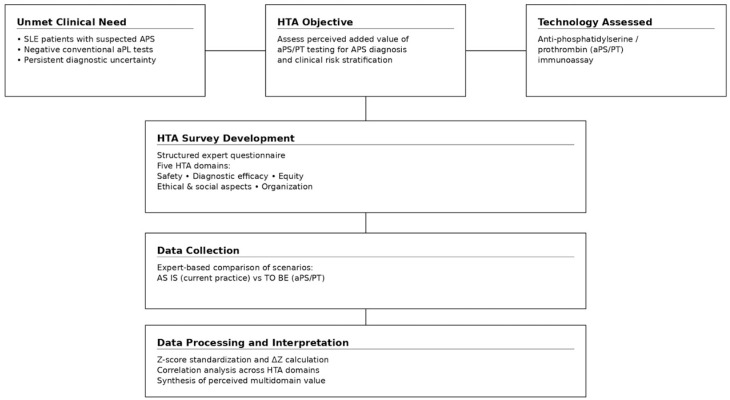 Figure 1
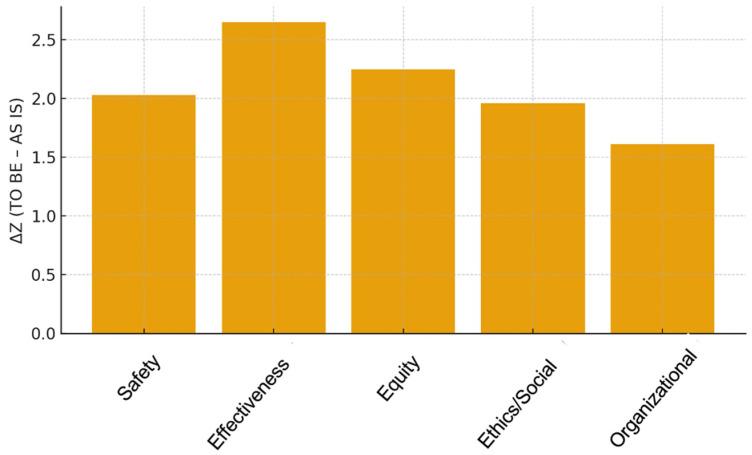 Figure 2
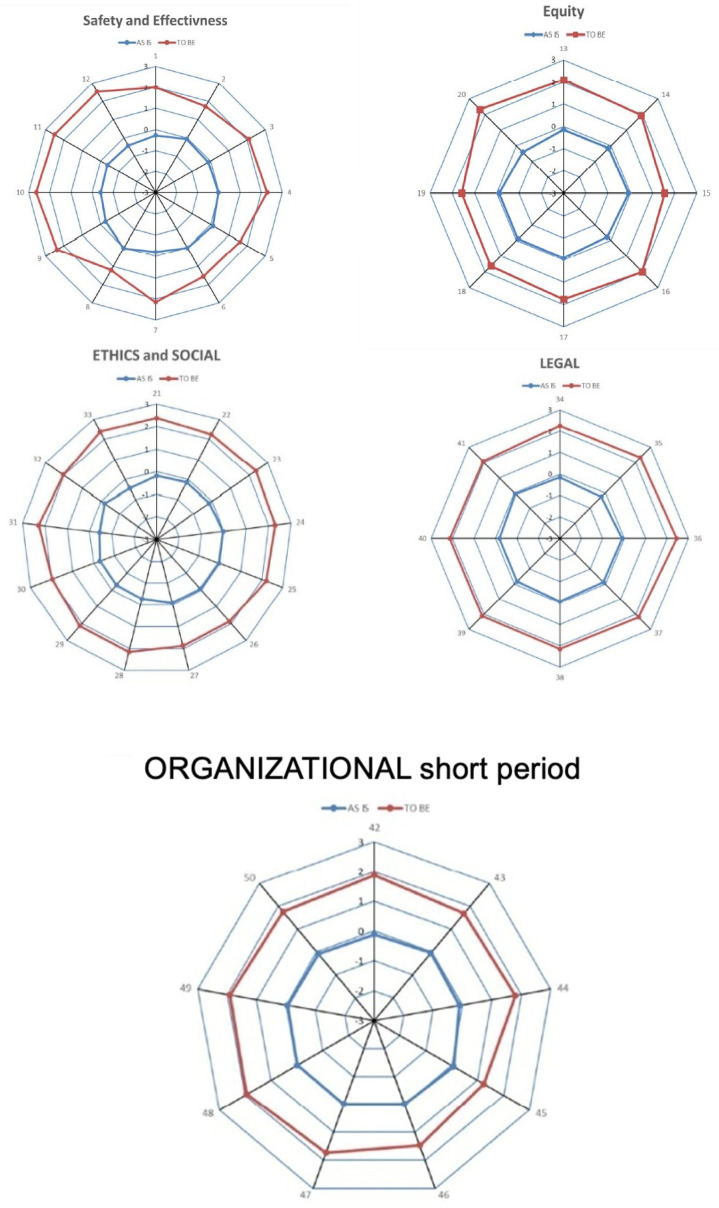 Figure 3
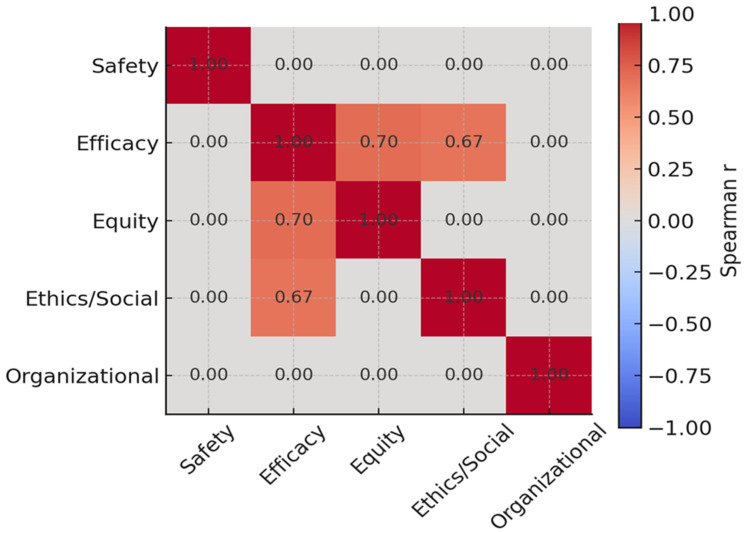 Figure 4
Peer Reviews
No public reviews on file for this paper yet. If you reviewed it on a platform where reviews are public (OpenReview, ICLR, NeurIPS, ICML), you can paste yours below so the community can read it here.
Videos
No videos yet. Explain this paper in a talk, walkthrough, or lecture? Add one.
Taxonomy
TopicsSystemic Lupus Erythematosus Research · Rheumatoid Arthritis Research and Therapies · Clinical Laboratory Practices and Quality Control