Comprehensive Characterization of Stem Cell Landscape Identifies Novel Stemness-Relevant Genes for Nasopharyngeal Carcinoma Therapy
Dahua Xu, Bocen Chen, Yutong Shen, Guoqing Deng, Peihu Li, Jiale Cai, Jiayao Chen, Jing Bai, Yuyue Tian, Man Xiao, Hong Wang, Hongyan Jiang, Wangwei Cai, Bo Wang, Kongning Li

TL;DR
This study identifies new genes linked to cancer stem cells in nasopharyngeal carcinoma, offering potential targets for treating aggressive or recurring tumors.
Contribution
The study discovers novel stemness-related genes (PSMC3IP, NABP2, CDC45, HJURP) for nasopharyngeal carcinoma therapy.
Findings
NPC patients were classified into two subtypes with distinct stemness features, prognosis, and immune profiles.
PSMC3IP, NABP2, CDC45, and HJURP were validated as stemness-related genes promoting cancer stem cell properties.
These genes are associated with the effectiveness of telomerase inhibitors in NPC treatment.
Abstract
Nasopharyngeal carcinoma (NPC) is a rare type of head and neck malignant tumor with specific geographical distribution. Growing evidence reveals the dominant roles of cancer stem cells (CSCs) in tumor progression and therapy resistance. However, the heterogeneity of CSCs and potential stemness-related markers for NPC patients are still largely unknown. We undertook a systematical analysis, dissecting the stemness heterogeneity of NPC patients. We classified NPC patients into two optimal clusters based on stemness-related gene lists, which were characterized by distinct clinical outcomes, immune phenotypes, and drug response. The immune cell exclusion is associated with the presence of the NPC stem cell-like phenotype. In particular, novel stemness-related markers including PSMC3IP, NABP2, CDC45, and HJURP were prioritized via WGCNA and Cox regression analysis. Moreover, their stemness…
Genes, proteins, chemicals, diseases, species, mutations and cell lines named across the full text — each resolved to its canonical identifier and authoritative record.
Click any figure to enlarge with its caption.
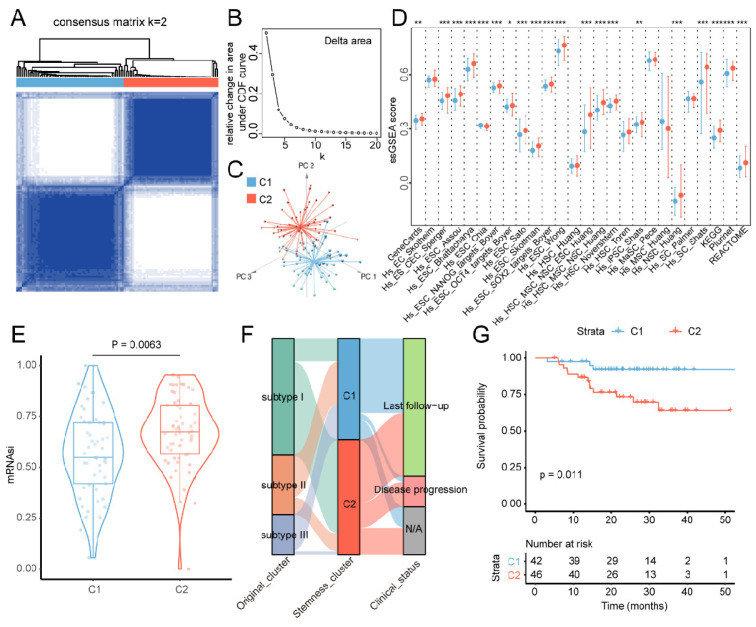 Figure 1
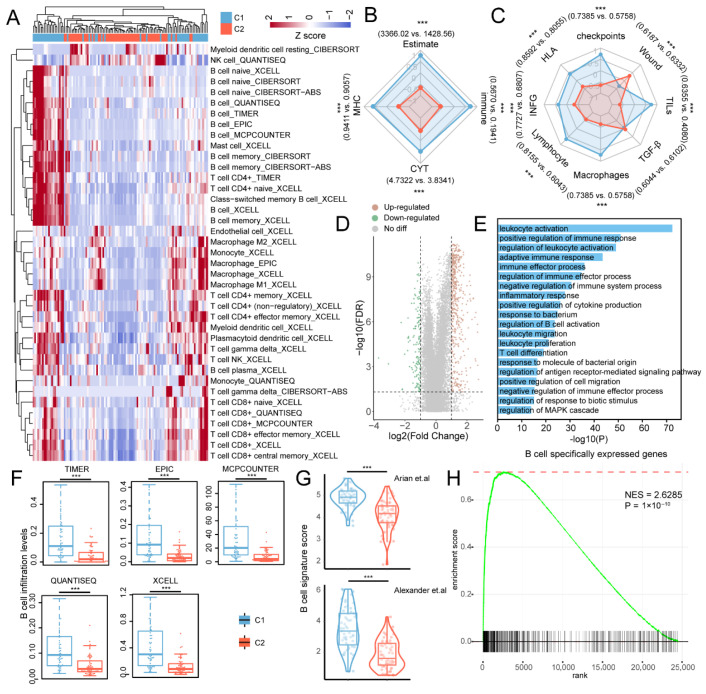 Figure 2
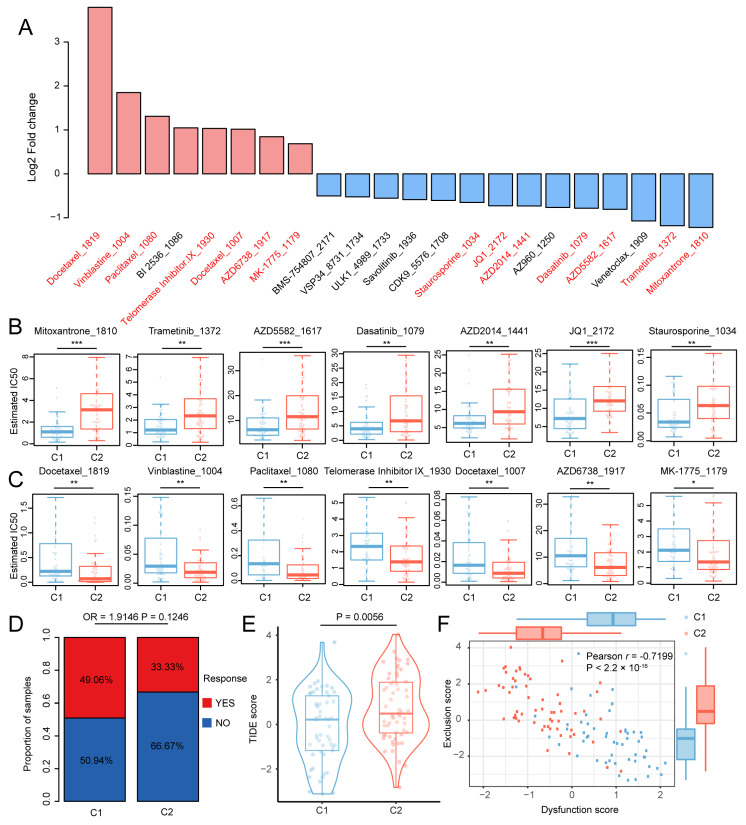 Figure 3
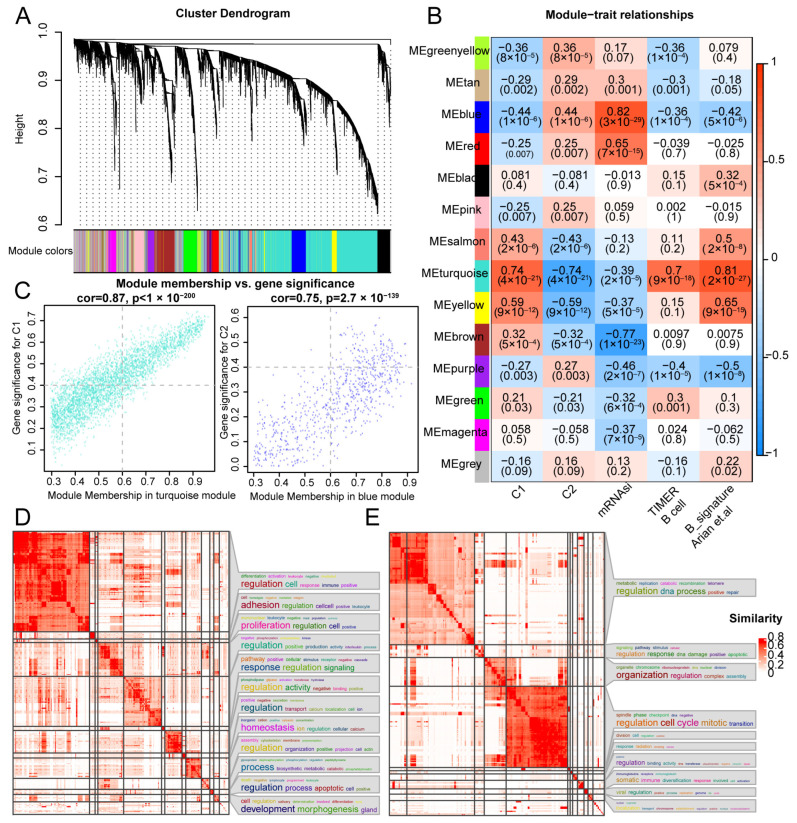 Figure 4
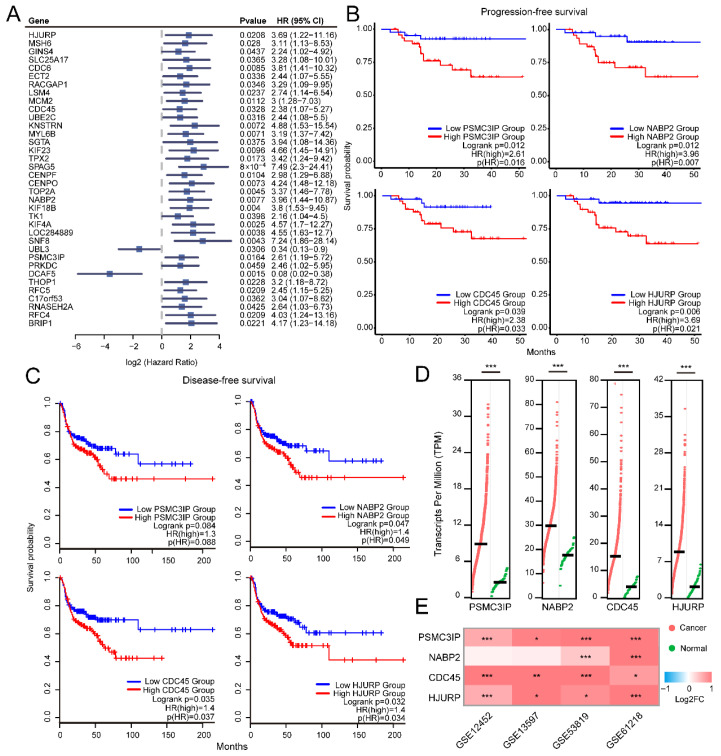 Figure 5
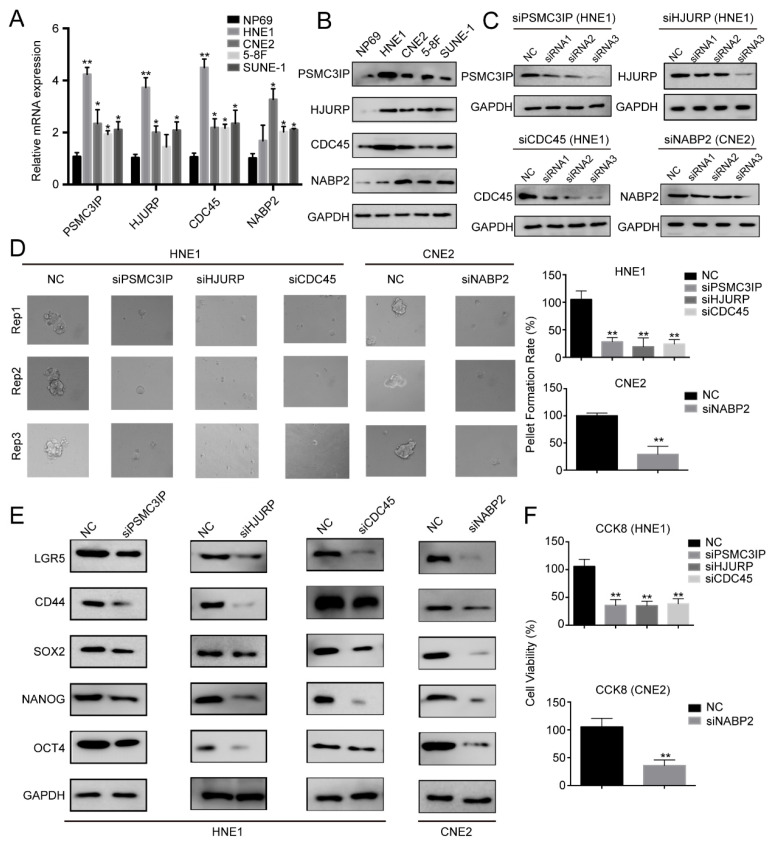 Figure 6
Peer Reviews
No public reviews on file for this paper yet. If you reviewed it on a platform where reviews are public (OpenReview, ICLR, NeurIPS, ICML), you can paste yours below so the community can read it here.
Videos
No videos yet. Explain this paper in a talk, walkthrough, or lecture? Add one.
Taxonomy
TopicsCancer Cells and Metastasis · MicroRNA in disease regulation · Ferroptosis and cancer prognosis