Body Coloration Characterization and Proteomic Analysis of Diurnal Color Variation in Farmed Larimichthys crocea
Na Lin, Junjie Wu, Hongjin Deng, Jinli Wang, Banghong Wei, Yao Zheng, Quanyou Guo

TL;DR
This study explores the golden coloration and daily color changes in farmed large yellow croaker, identifying pigments and proteins involved in color variation.
Contribution
The study reveals the role of xanthophores and motor proteins in diurnal color changes and links carotenoid content to skin yellowness in large yellow croaker.
Findings
Xanthophores containing lutein are most abundant in ventral and caudal skin, contributing to the fish's golden color.
Diurnal color variation is driven by the movement of xanthosomes within xanthophores, likely controlled by motor proteins like KIF21 and DYNC1L1.
Skin yellowness strongly correlates with total carotenoid content (R = 0.91, p < 0.05), with lutein esters being the main contributors.
Abstract
The golden color of the farmed large yellow croaker is highly prized by consumers, directly affecting its market price. This study investigated what gives this fish its yellow coloration and why its color can change between day and night. We found that special yellow pigment cells (xanthophores), containing pigment granules called carotenoids (mainly lutein), are most abundant in its ventral and caudal skin. The fish’s diurnal color change is driven by the movement of these yellow pigments granules (xanthosomes) within the cells, likely controlled by specific motor proteins. This research helps us understand the biology behind the fish’s coloration. The findings provide a scientific basis for aquaculture breeders to improve the desirable golden color in this important seafood species through selective breeding or feed, ultimately delivering a better product to the market. The large…
Genes, proteins, chemicals, diseases, species, mutations and cell lines named across the full text — each resolved to its canonical identifier and authoritative record.
Click any figure to enlarge with its caption.
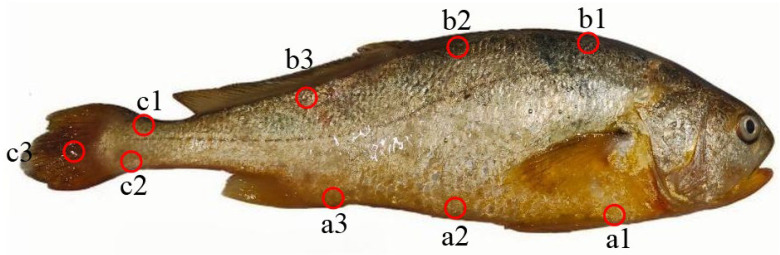 Figure 1
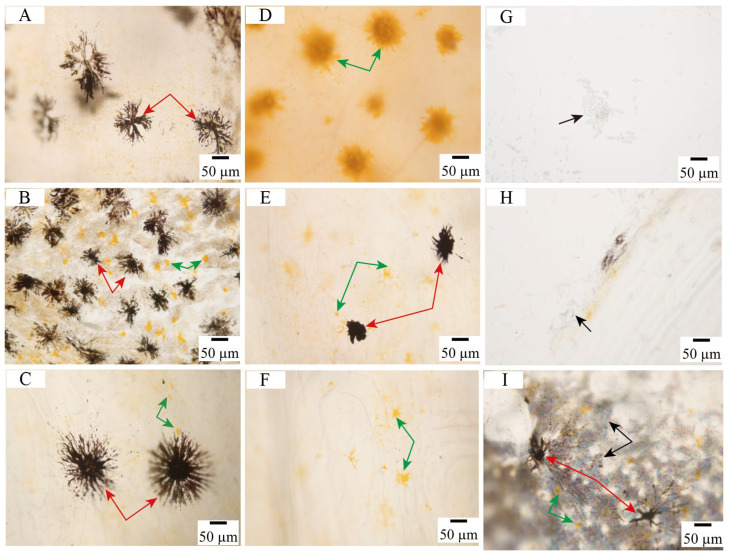 Figure 2
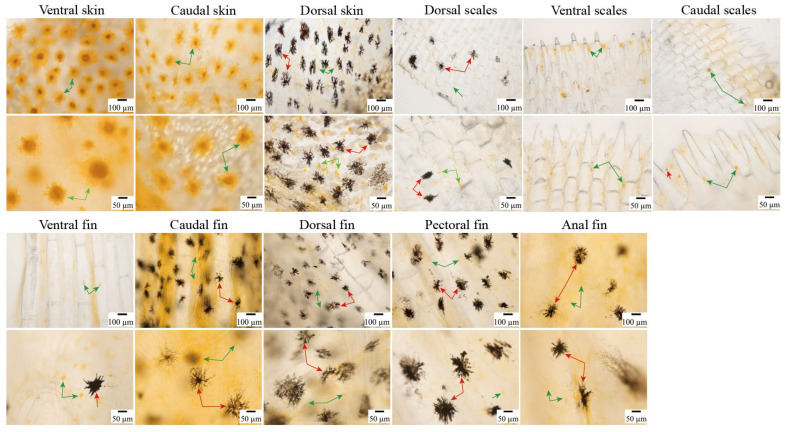 Figure 3
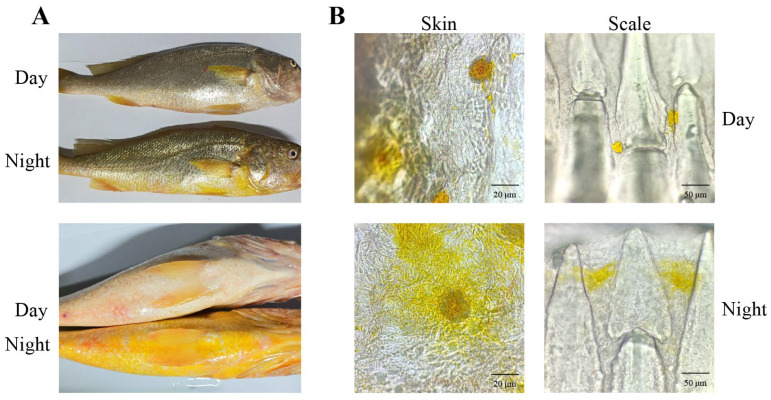 Figure 4
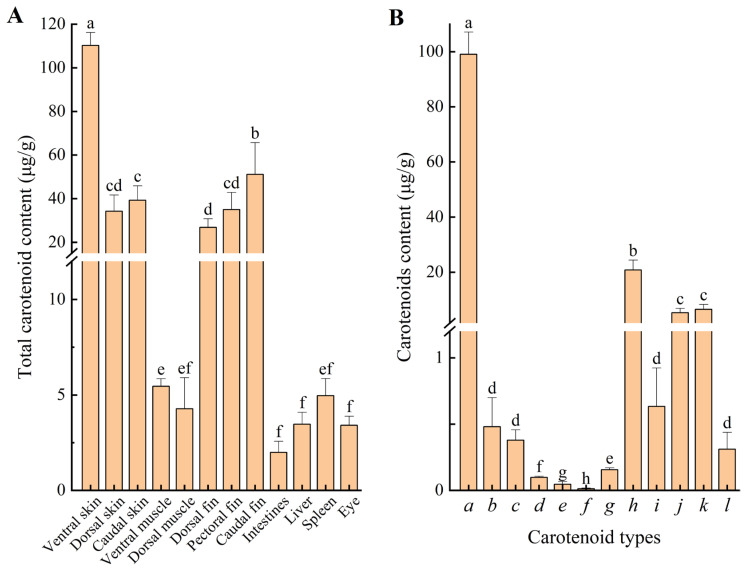 Figure 5
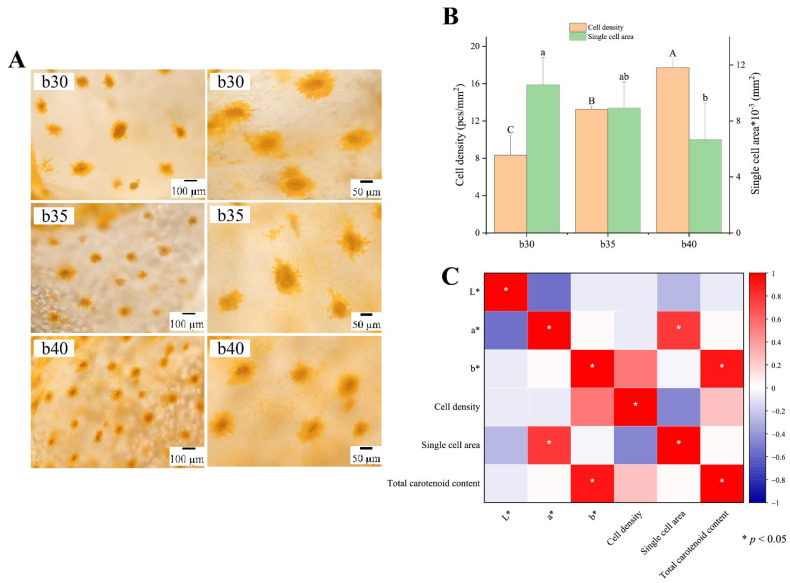 Figure 6
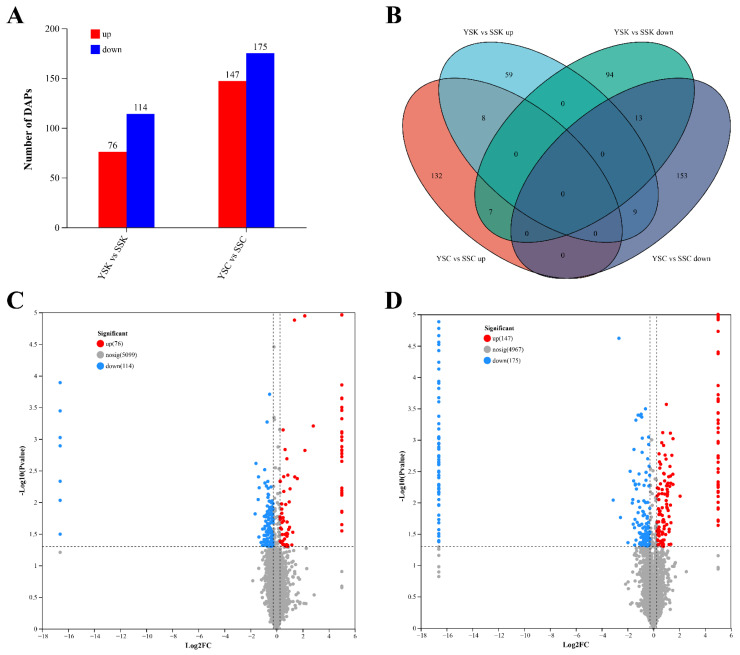 Figure 7
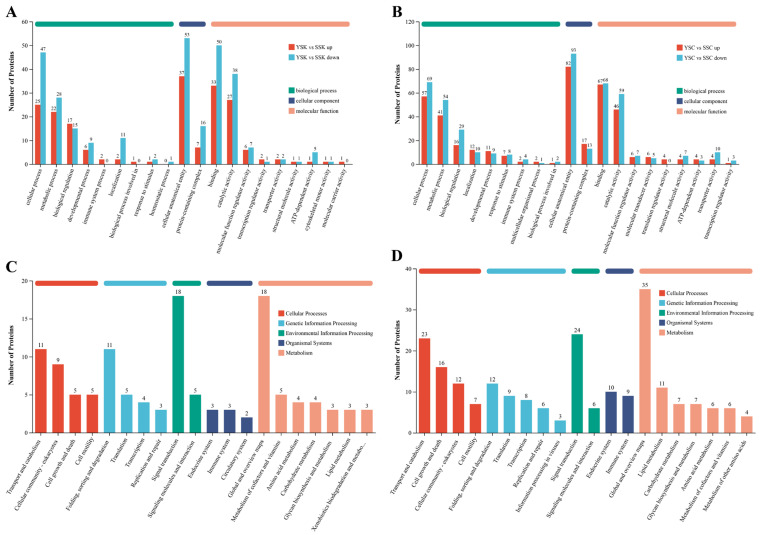 Figure 8
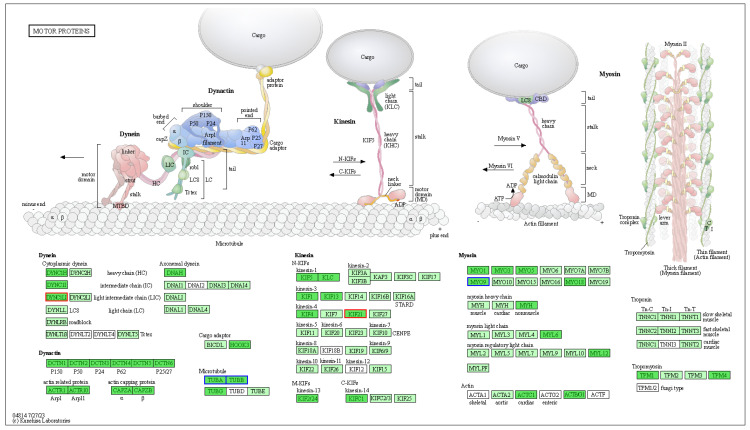 Figure 9
Peer Reviews
No public reviews on file for this paper yet. If you reviewed it on a platform where reviews are public (OpenReview, ICLR, NeurIPS, ICML), you can paste yours below so the community can read it here.
Videos
No videos yet. Explain this paper in a talk, walkthrough, or lecture? Add one.
Taxonomy
TopicsAntioxidant Activity and Oxidative Stress · Reproductive biology and impacts on aquatic species · Aquaculture Nutrition and Growth