Mining Differentially Expressed Genes in the Marine Free-Living Flatworm Macrostomum lignano Under Aneuploidy-Driven Ploidy Changes
Kira S. Zadesenets, Nikita I. Ershov, Natalya P. Bondar, Konstantin E. Orishchenko, Nikolay B. Rubtsov

TL;DR
This study explores how the flatworm Macrostomum lignano adapts to changes in genome copy number, revealing how gene expression shifts may support evolutionary success in polyploid organisms.
Contribution
The study identifies specific genes and pathways involved in transcriptomic stability and phenotypic success in a successful neopolyploid flatworm model.
Findings
1308 genes showed nonlinear aneuploidy-induced transcriptional responses in M. lignano.
Differentially expressed genes were enriched in pathways like mTOR signaling, ubiquitin-mediated proteolysis, and Hippo/Wnt.
DV1_10 worms exhibited increased body size, enhanced cell proliferation, and higher viability compared to DV1_8 worms.
Abstract
Whole-genome duplication (WGD) is a powerful evolutionary force, yet the mechanisms by which neopolyploids achieve transcriptomic stability and phenotypic success remain poorly understood. This study investigated the phenotypic and transcriptomic consequences of ploidy changes in the flatworm Macrostomum lignano, a “successful” neopolyploid model. We exploited two established sublines derived from the inbred DV1 line: the euploid DV1_8 (hidden tetraploid, SSL1L2) and the aneuploid DV1_10 (hidden hexaploid, SSL1L1L2L2). By integrating whole-genome sequencing (WGS)-informed normalization with RNA-seq analysis, we differentiated true regulatory shifts from gene-dosage effects. We revealed that while most genes scale linearly with ploidy, 1308 genes exhibited a nonlinear aneuploidy-induced transcriptional response. The remarkable trans-acting effects were observed across subgenome S encoded…
Genes, proteins, chemicals, diseases, species, mutations and cell lines named across the full text — each resolved to its canonical identifier and authoritative record.
Click any figure to enlarge with its caption.
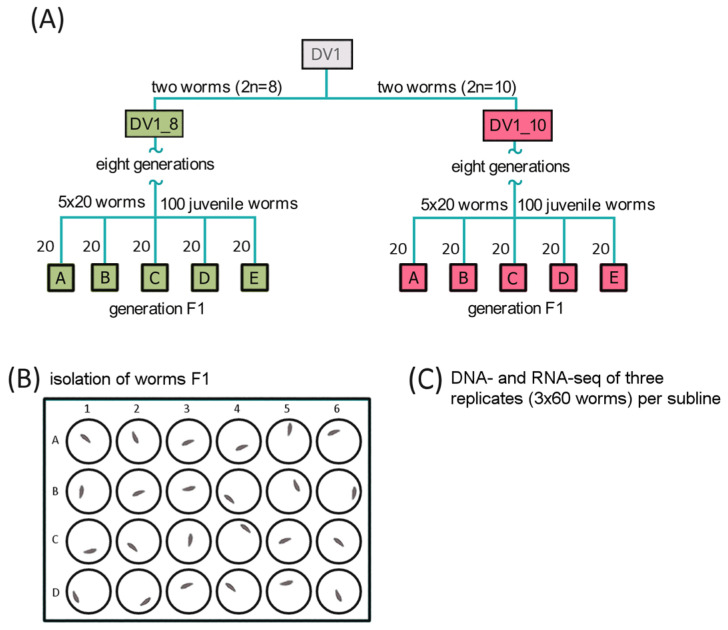 Figure 1
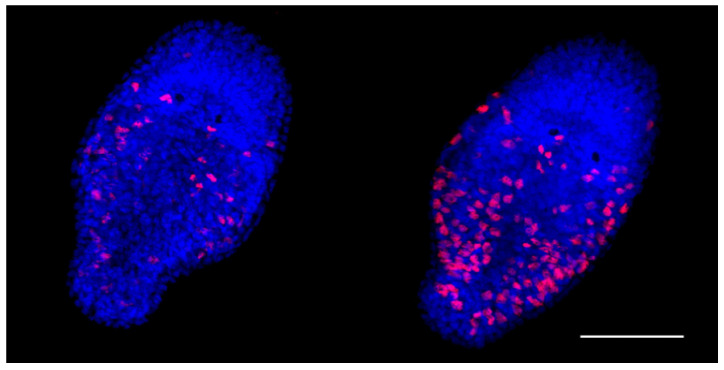 Figure 2
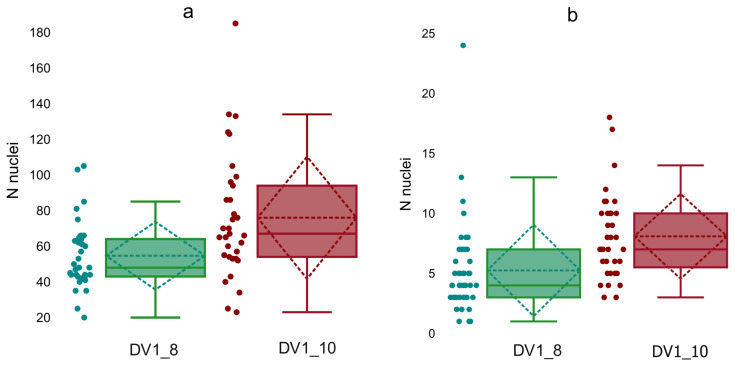 Figure 3
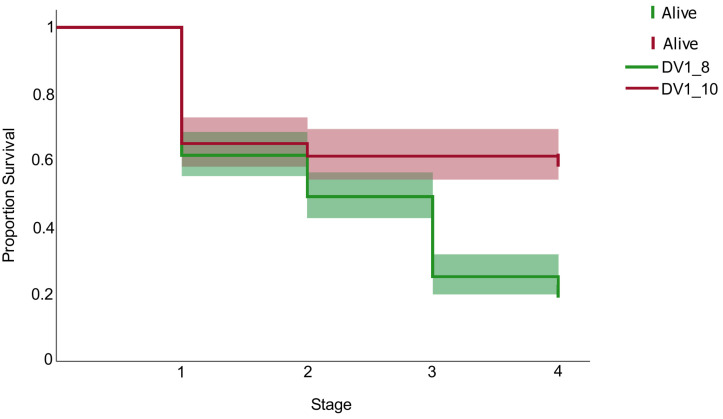 Figure 4
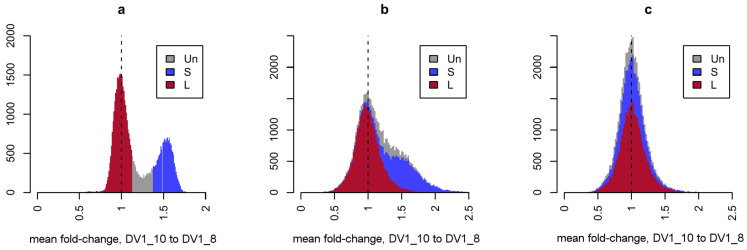 Figure 5
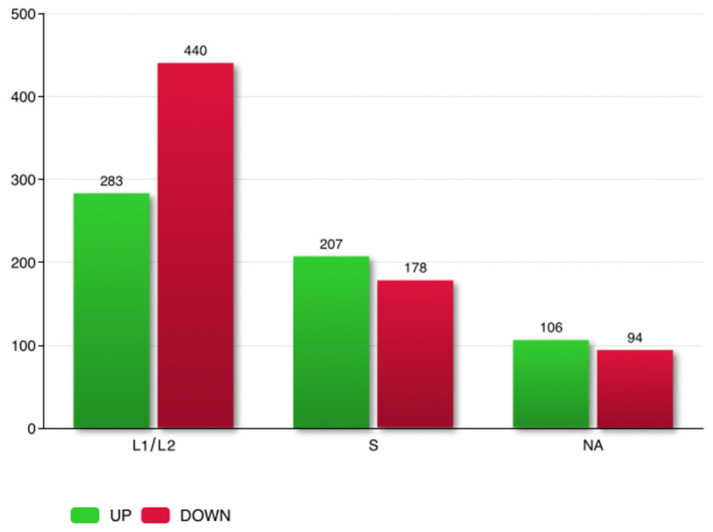 Figure 6
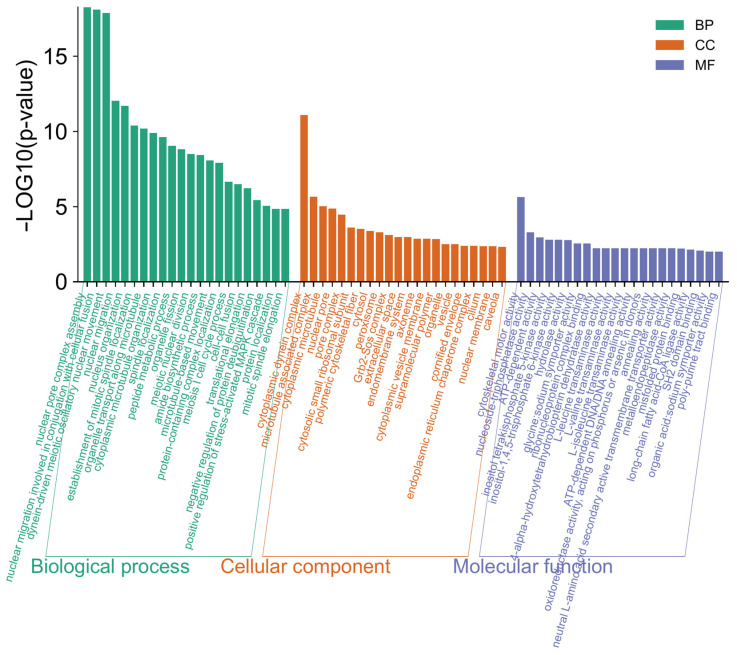 Figure 7
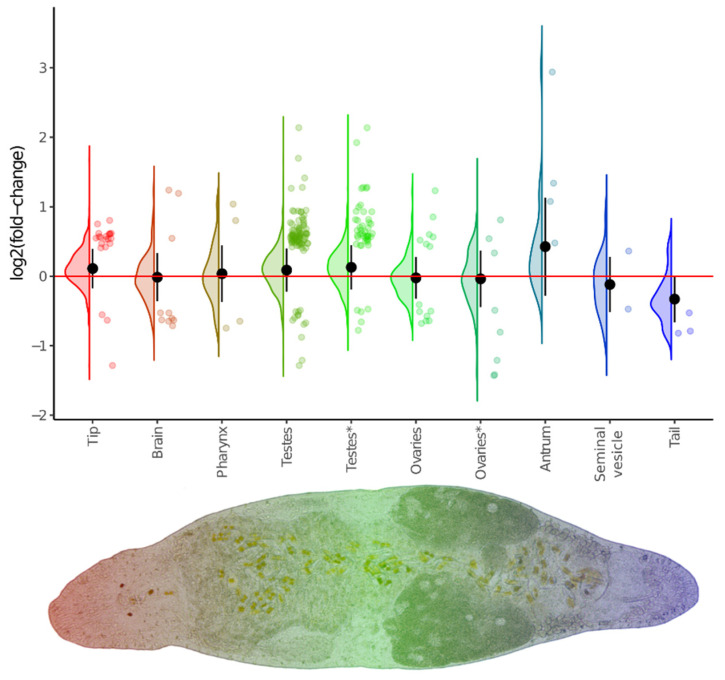 Figure 8
Peer Reviews
No public reviews on file for this paper yet. If you reviewed it on a platform where reviews are public (OpenReview, ICLR, NeurIPS, ICML), you can paste yours below so the community can read it here.
Videos
No videos yet. Explain this paper in a talk, walkthrough, or lecture? Add one.
Taxonomy
TopicsPlanarian Biology and Electrostimulation · Developmental Biology and Gene Regulation · Chromosomal and Genetic Variations