SAPCD2 Drives Bladder Cancer Progression by Stabilizing TANK and Engaging a CREB–PLAGL2 Feedback Loop to Sustain MAPK Signaling
Yueqiang Peng, Hai Wang, Hualin Chen, Zhaoheng Jin, Yingjie Li, Lin Ma, Zhigang Ji

TL;DR
This study shows how the SAPCD2 protein promotes bladder cancer growth and spread by maintaining cancer-related signaling pathways.
Contribution
The study reveals SAPCD2's role in stabilizing TANK and forming a feedback loop with CREB and PLAGL2 to sustain MAPK signaling in bladder cancer.
Findings
SAPCD2 is upregulated in bladder cancer tissues and linked to aggressive cancer features and poor patient outcomes.
SAPCD2 stabilizes TANK to prevent its degradation, maintaining active MAPK signaling.
A feedback loop involving SAPCD2, CREB, and PLAGL2 amplifies cancer-promoting signals.
Abstract
Bladder cancer is a common cancer that often relapses and can spread to other organs, making treatment difficult. To improve understanding of how bladder cancer becomes more aggressive, we studied a protein called SAPCD2. We found that SAPCD2 helps bladder cancer cells grow, survive, and spread by keeping cancer-related signaling active inside the cells. SAPCD2 does this by protecting another protein, TANK, from being broken down, which allows growth signals to continue. In addition, SAPCD2 is part of a self-reinforcing loop with other regulatory proteins that further strengthen these cancer-promoting signals. By uncovering how SAPCD2 drives these processes, our study provides new insight into bladder cancer biology and suggests several potential targets for future treatments aimed at slowing or stopping cancer progression. Background: Bladder cancer (BCa) is a prevalent and aggressive…
Genes, proteins, chemicals, diseases, species, mutations and cell lines named across the full text — each resolved to its canonical identifier and authoritative record.
Click any figure to enlarge with its caption.
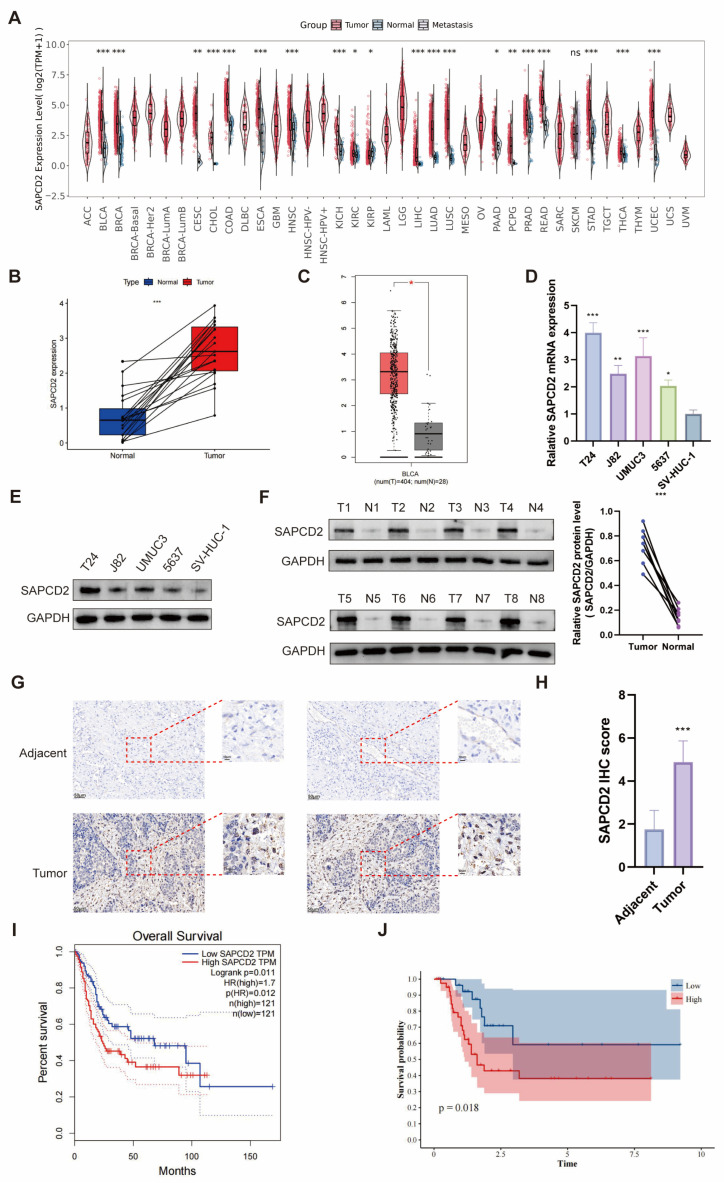 Figure 1
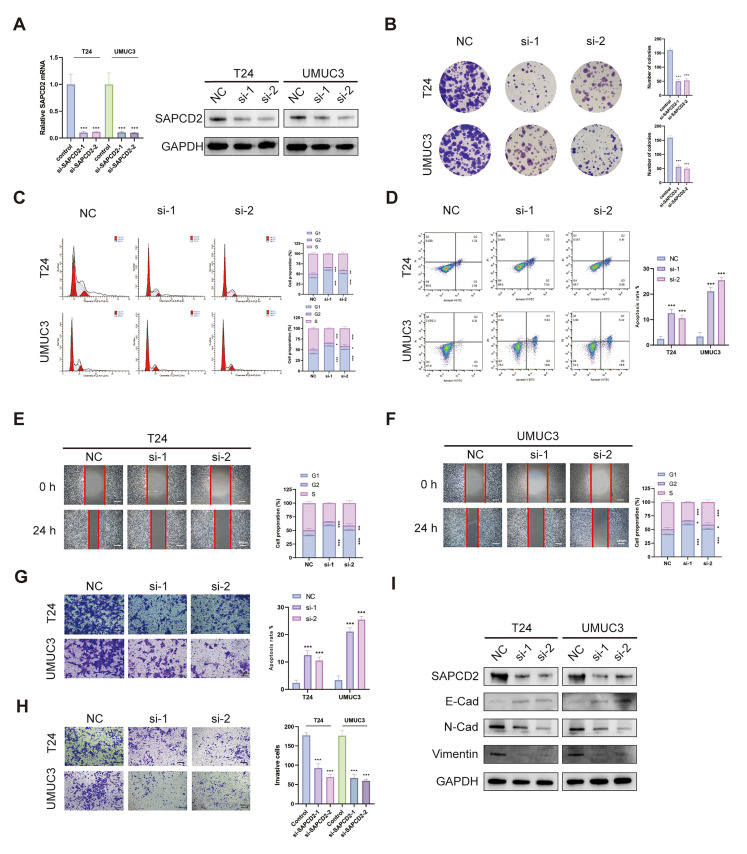 Figure 2
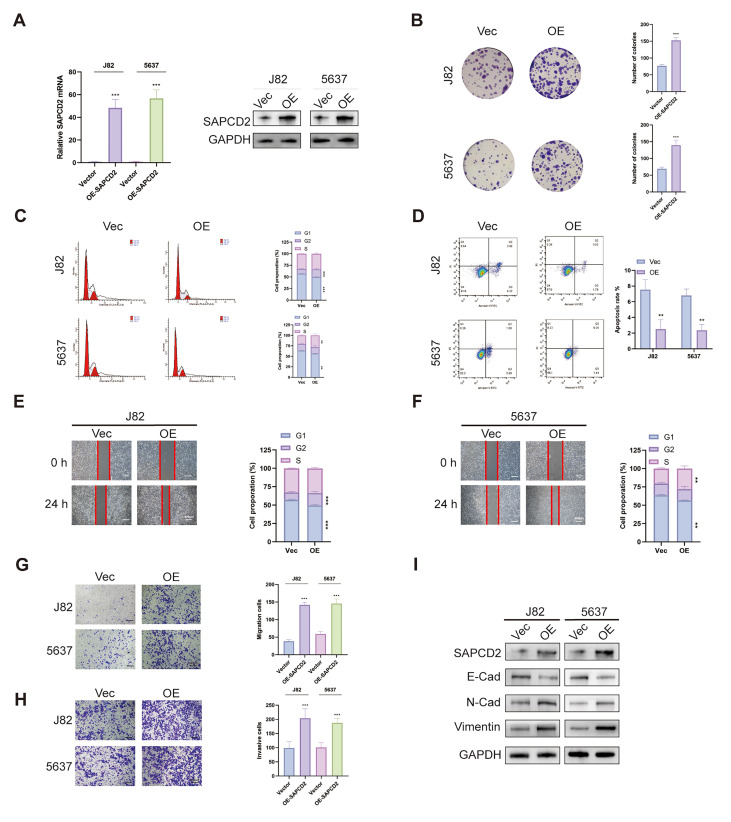 Figure 3
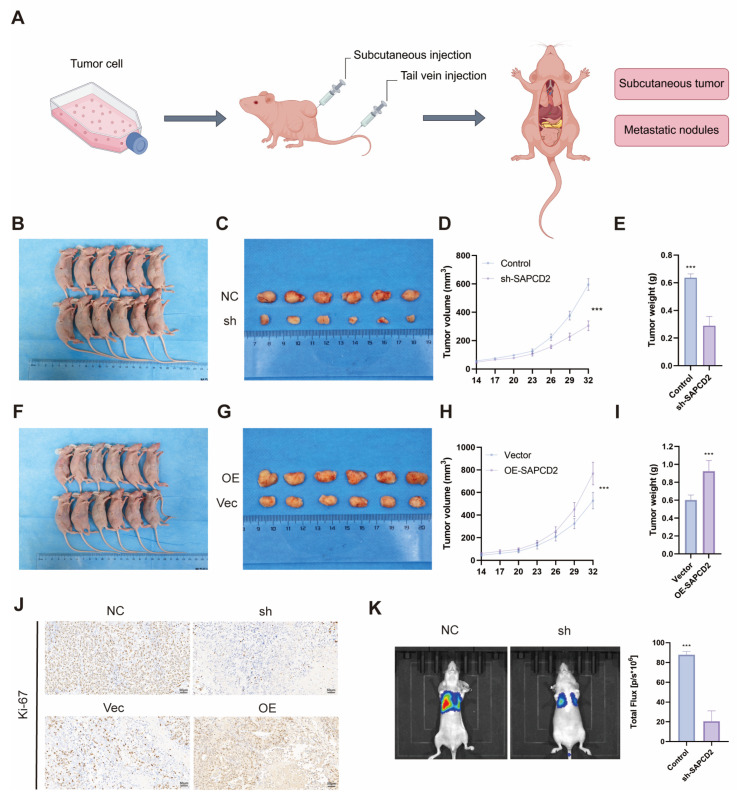 Figure 4
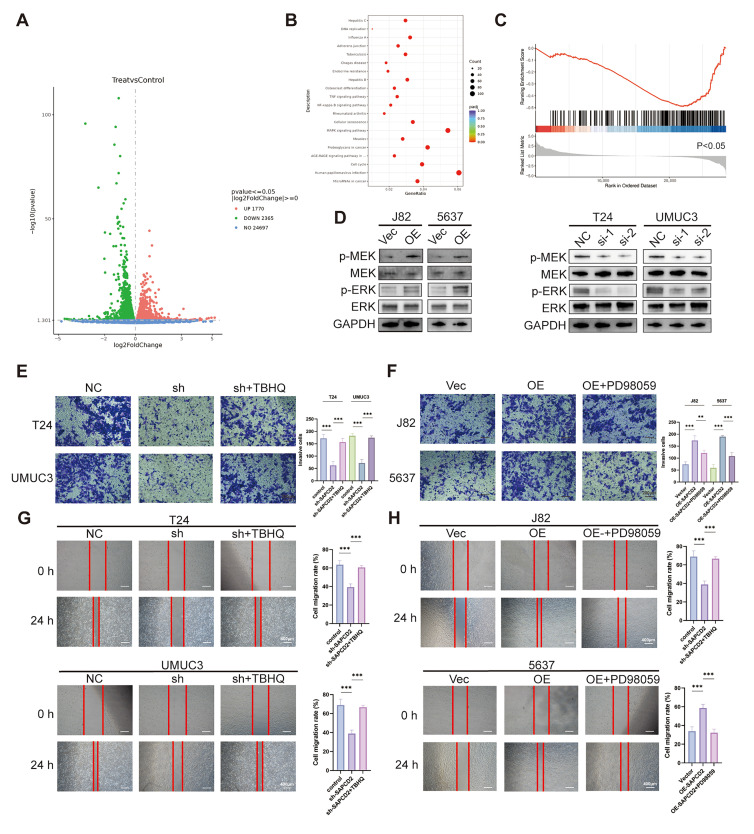 Figure 5
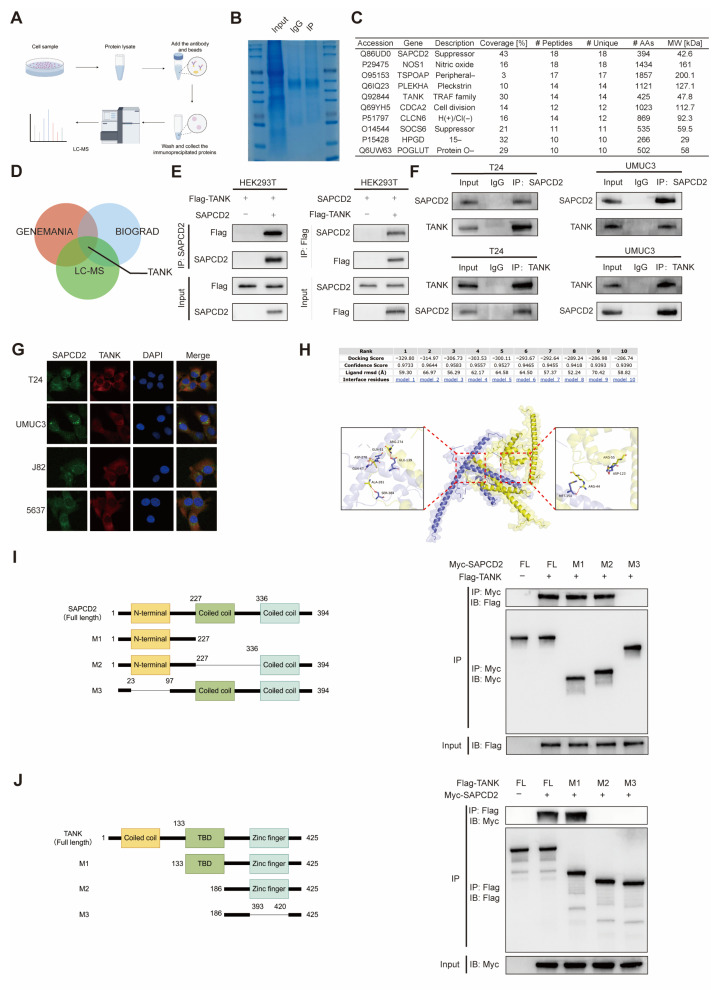 Figure 6
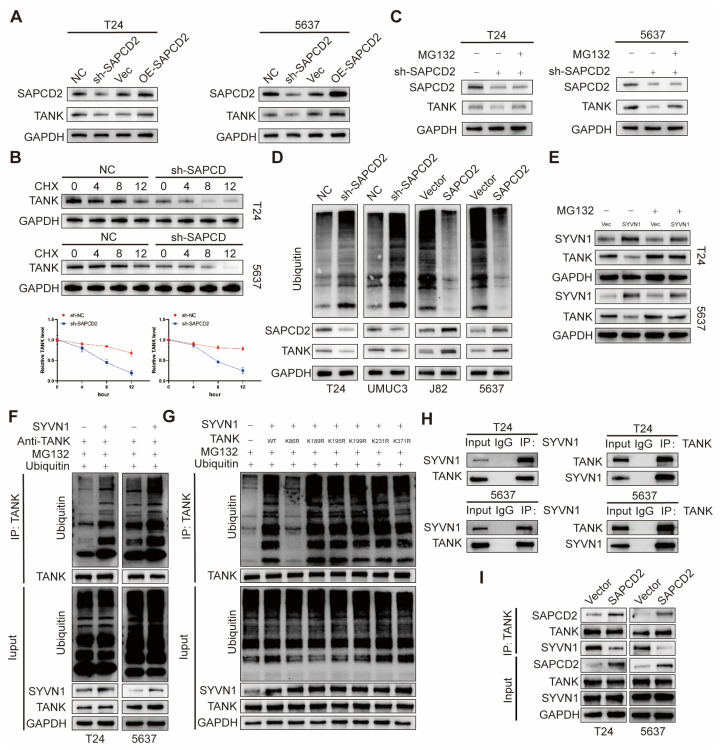 Figure 7
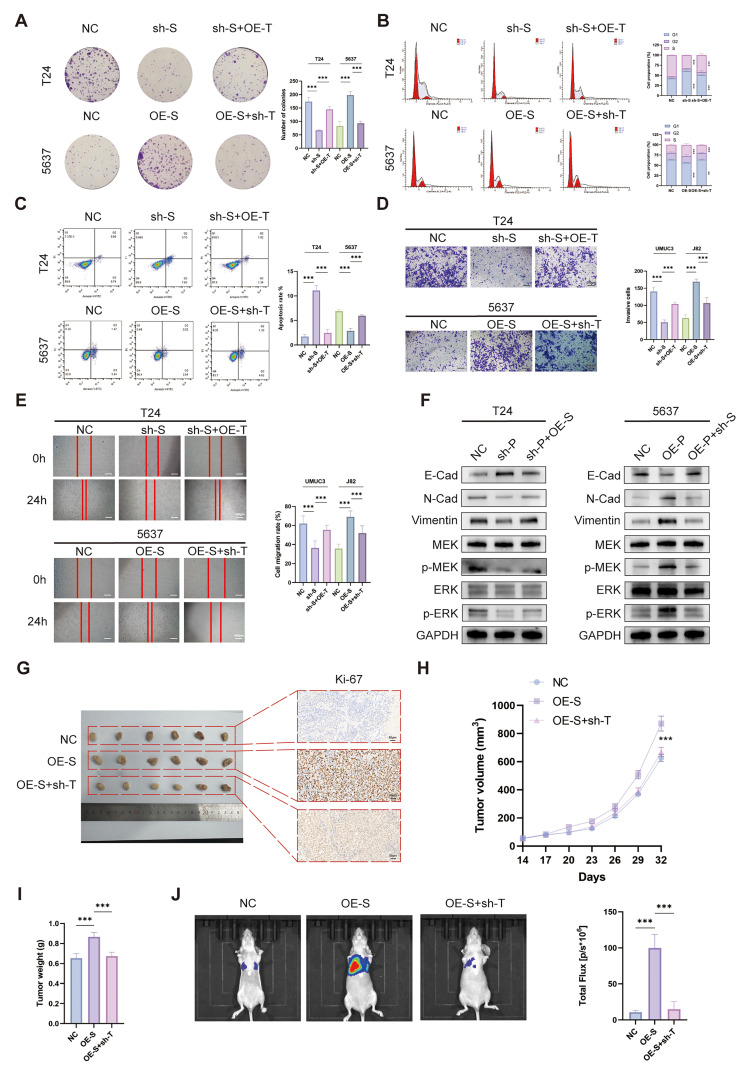 Figure 8
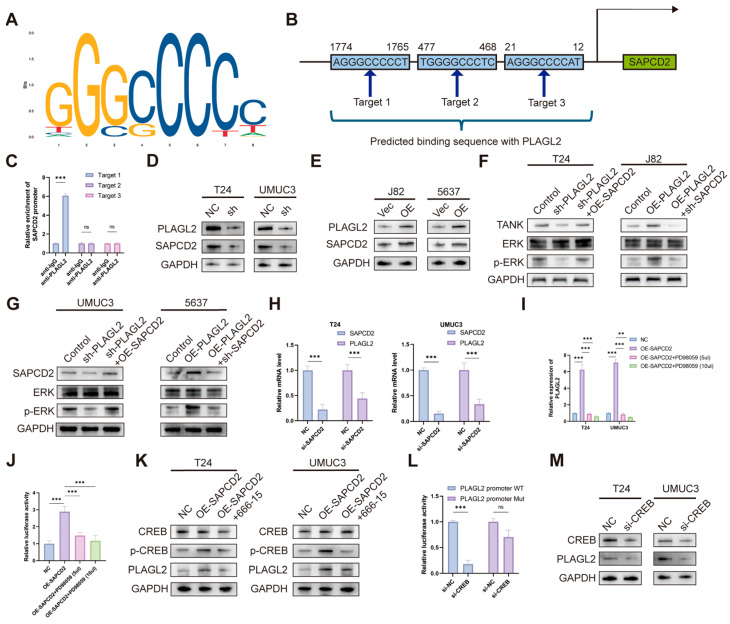 Figure 9
Peer Reviews
No public reviews on file for this paper yet. If you reviewed it on a platform where reviews are public (OpenReview, ICLR, NeurIPS, ICML), you can paste yours below so the community can read it here.
Videos
No videos yet. Explain this paper in a talk, walkthrough, or lecture? Add one.
Taxonomy
TopicsFerroptosis and cancer prognosis · Bladder and Urothelial Cancer Treatments · Ubiquitin and proteasome pathways