LINE-1 Transcript Heterogeneity in Non-Small Cell Lung Cancers Is Driven by Host Genomic Context and Conserved Functional Hotspots
Yingshan Wang, Kenneth S. Ramos

TL;DR
This study explores how LINE-1 retrotransposons are activated in non-small cell lung cancer, revealing that their activity is influenced by genomic context and specific hotspots.
Contribution
The study identifies conserved genomic hotspots and cancer-relevant genes linked to LINE-1 activity in lung cancer.
Findings
LINE-1 transcription is dominated by young subfamilies like L1HS and L1PA2 through L1PA5.
LINE-1 activity is highest in lung squamous cell carcinoma and near genes like RB1 and NEDD4.
Recurrent hotspots at 22q12.1 and 20p11.21 are active across tumor subtypes.
Abstract
Long interspersed element-1 sequences are normally silenced in healthy cells but frequently reactivated in cancer, where they contribute to genomic instability and transcriptional dysregulation. However, the determinants of their transcriptional heterogeneity in non-small cell lung cancer remain poorly defined. In this study, we systematically characterized locus-specific LINE-1 transcript expression across a large panel of non-small cell lung cancer cell lines to determine how genomic context shapes retrotransposon activity. We show that LINE-1 transcription is dominated by evolutionarily young elements and follows conserved chromosomal patterns across tumor subtypes, with the highest activity observed in lung squamous cell carcinoma. Importantly, LINE-1 expression is anchored by a small number of conserved genomic hotspot loci that remain active across tumor backgrounds and are…
Genes, proteins, chemicals, diseases, species, mutations and cell lines named across the full text — each resolved to its canonical identifier and authoritative record.
Click any figure to enlarge with its caption.
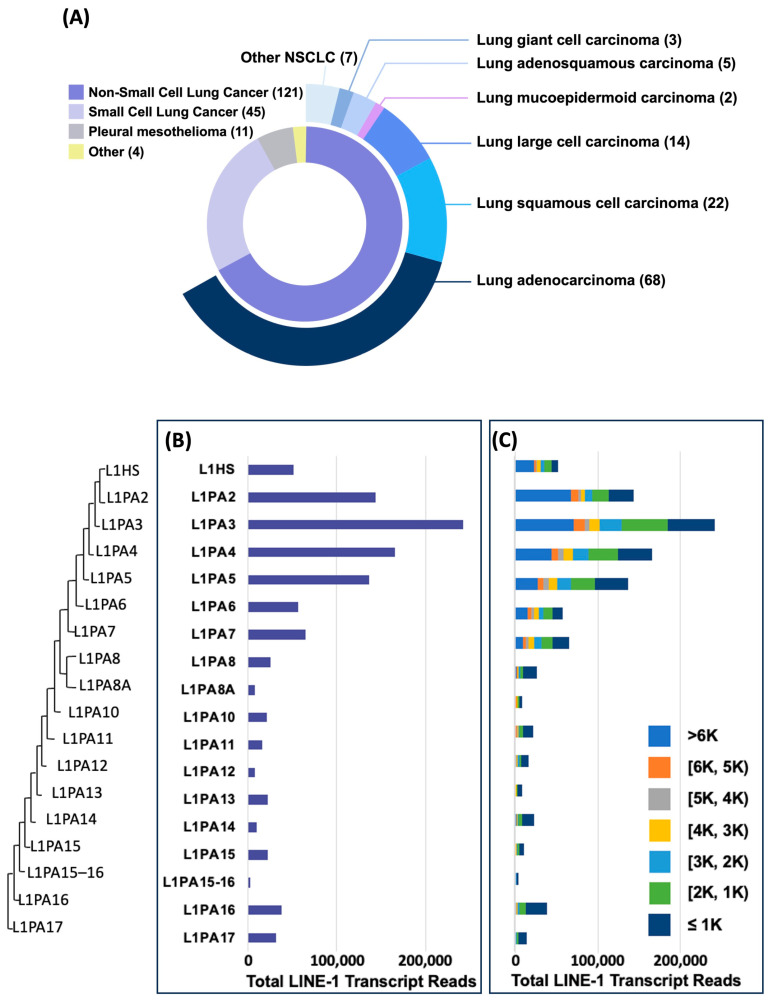 Figure 1
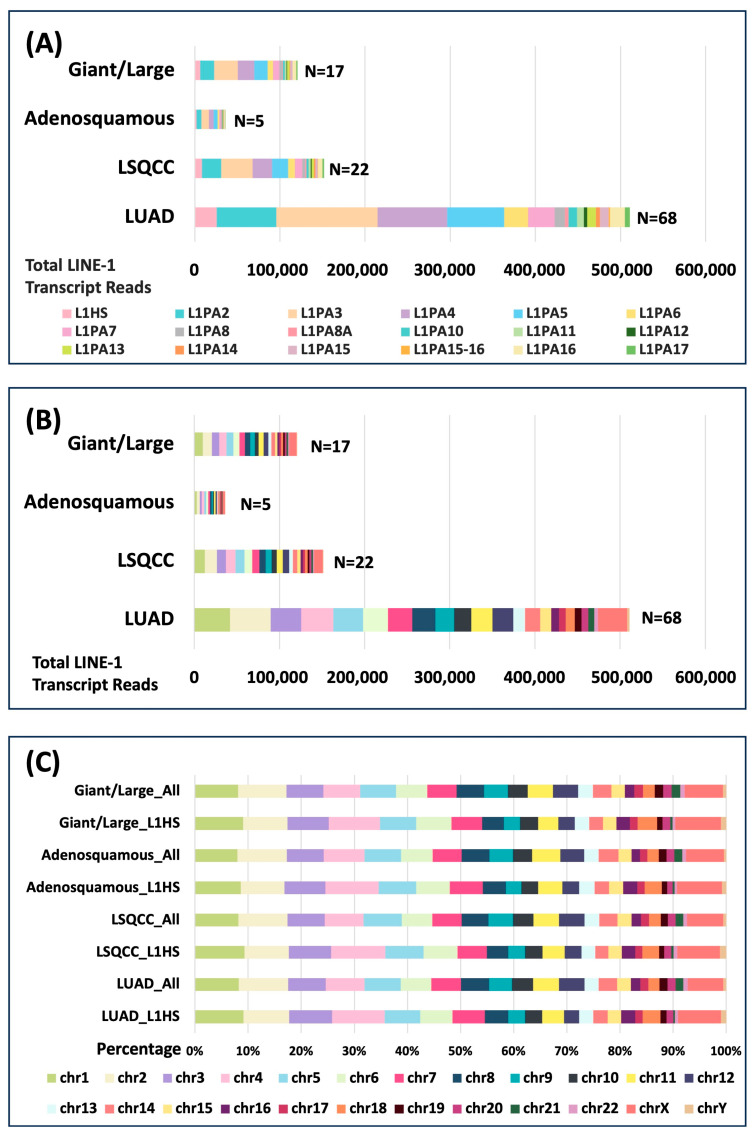 Figure 2
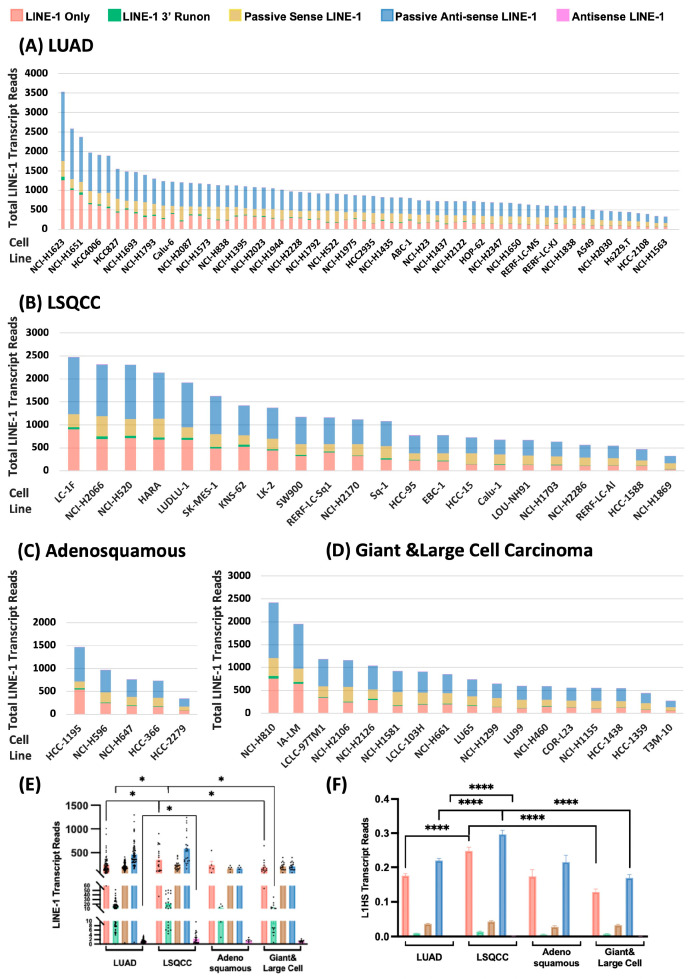 Figure 3
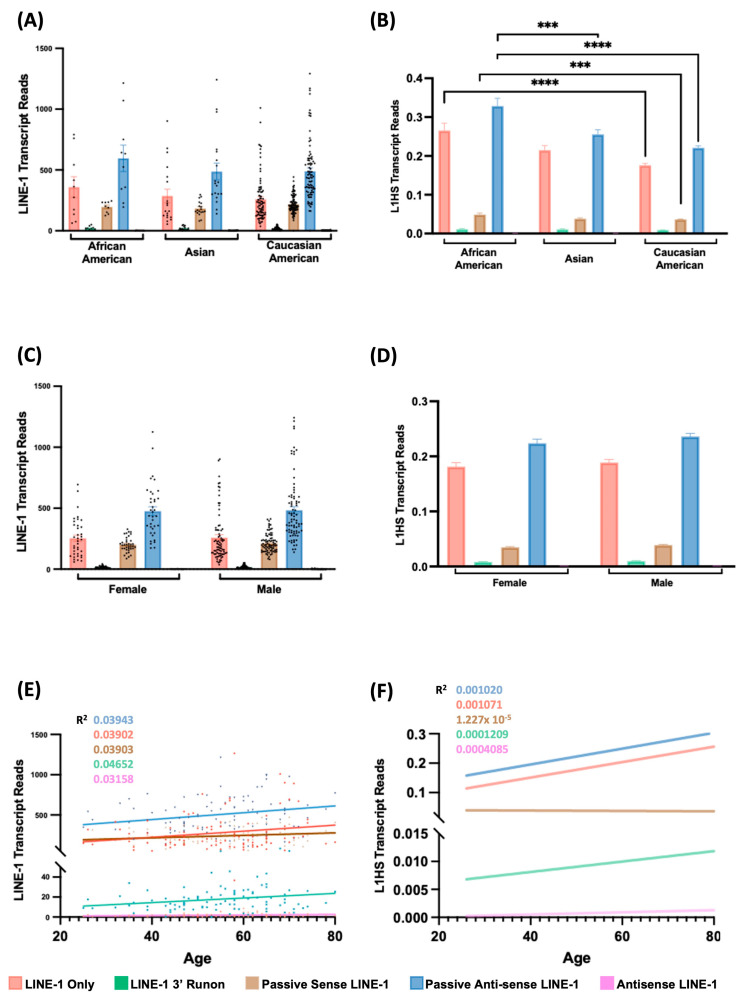 Figure 4
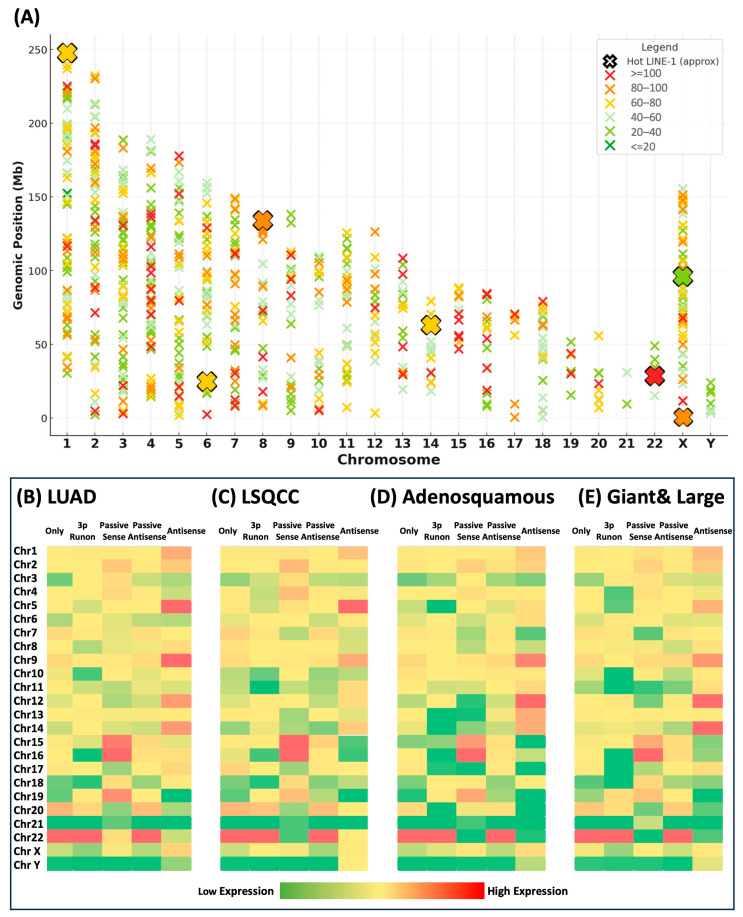 Figure 5
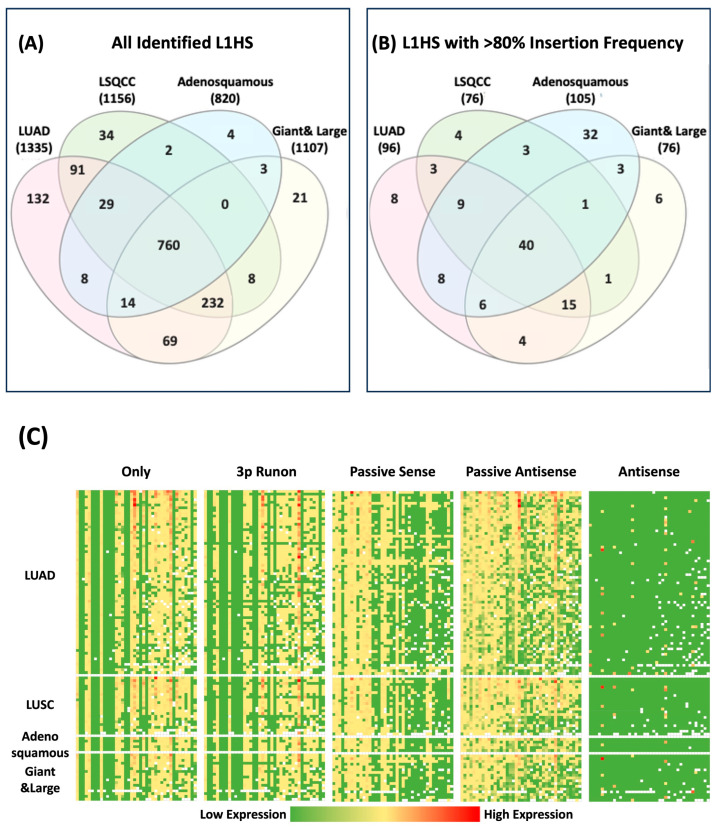 Figure 6
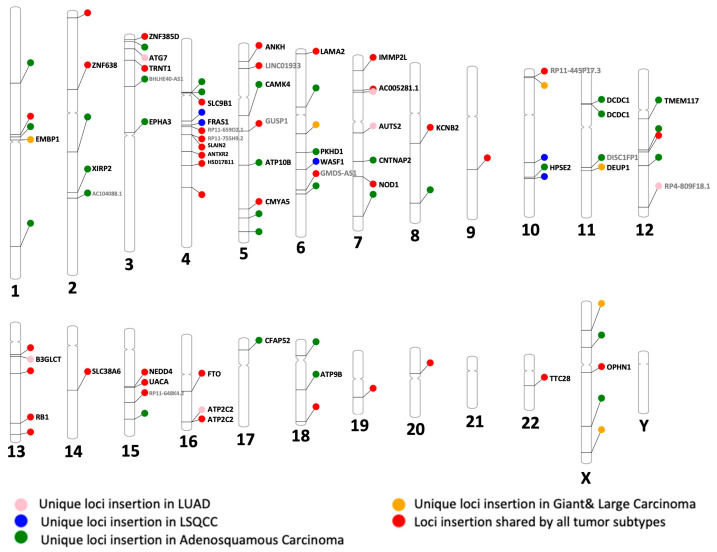 Figure 7
Peer Reviews
No public reviews on file for this paper yet. If you reviewed it on a platform where reviews are public (OpenReview, ICLR, NeurIPS, ICML), you can paste yours below so the community can read it here.
Videos
No videos yet. Explain this paper in a talk, walkthrough, or lecture? Add one.
Taxonomy
TopicsChromosomal and Genetic Variations · T-cell and Retrovirus Studies · RNA modifications and cancer