Robotic Rectus Muscle Flap Reconstruction After Pelvic Exenteration in Gynecological Oncology: Current and Future Perspectives—A Narrative Review
Gurhan Guney, Ritchie M. Delara, Johnny Yi, Evrim Erdemoglu, Kristina A. Butler

TL;DR
This review discusses the use of robotic-assisted rectus muscle flap reconstruction after pelvic exenteration for gynecological cancers, highlighting its potential benefits and the need for further research.
Contribution
The paper introduces robotic rectus flap reconstruction as a novel minimally invasive approach to pelvic exenteration, emphasizing its potential to reduce complications and improve recovery.
Findings
Robotic rectus flap reconstruction is technically feasible and allows successful flap harvest and pelvic defect coverage.
Potential benefits include reduced wound morbidity and preservation of a minimally invasive surgical workflow.
Current evidence is limited to case reports and small series, with no standardized protocols or comparative data.
Abstract
Pelvic exenteration is a radical procedure performed for recurrent or locally advanced gynecologic cancers and requires advanced anatomical knowledge. While extensive tissue loss during this procedure can lead to high morbidity, the procedure offers long-term survival potential. Reconstruction using vascularized flaps, such as the vertical rectus abdominis musculocutaneous (VRAM) or the transverse rectus abdominis musculocutaneous (TRAM) flap, has become the gold standard in open surgery for restoring pelvic integrity, reducing complications, and improving quality of life. Following introduction of minimally invasive pelvic exenteration, the need for minimally invasive reconstructive surgery has emerged. Current data on robotic rectus flap reconstruction is insufficient and limited to case reports and small series. This review analyzes the current literature, summarizes surgical…
Genes, proteins, chemicals, diseases, species, mutations and cell lines named across the full text — each resolved to its canonical identifier and authoritative record.
Click any figure to enlarge with its caption.
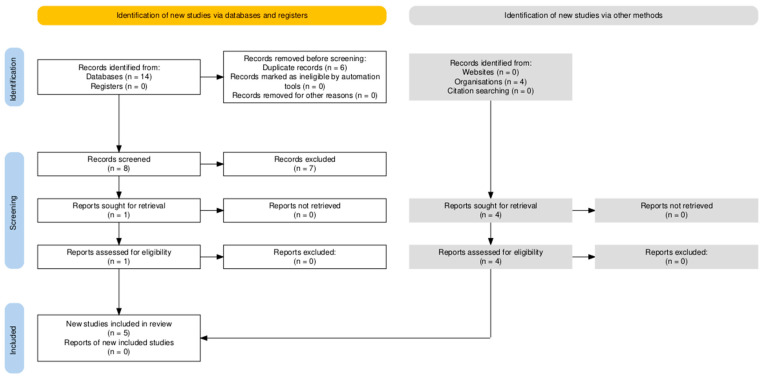 Figure 1
Peer Reviews
No public reviews on file for this paper yet. If you reviewed it on a platform where reviews are public (OpenReview, ICLR, NeurIPS, ICML), you can paste yours below so the community can read it here.
Videos
No videos yet. Explain this paper in a talk, walkthrough, or lecture? Add one.
Taxonomy
TopicsEndometrial and Cervical Cancer Treatments · Ureteral procedures and complications · Reconstructive Surgery and Microvascular Techniques