Targeting PLA2G7 ameliorates high-fat diet–induced pulmonary injury in obese mice, uncovering a key mechanistic link to obesity-associated COPD
Zhi-Heng Li, Mei-Yu Lv, Xin Zhang, Bao-cai Wang, Yao Wang, Li-Xia Qiang, Xiangshun Li, Wenchao Shi, Xin-yu Guo, Xi-Qiao Sang

TL;DR
This study shows that obesity can cause COPD-like lung damage in mice, and targeting the PLA2G7 gene helps reduce this damage.
Contribution
The study identifies PLA2G7 as a key driver of obesity-related COPD and reveals its mechanism involving arachidonic acid and NLRP3.
Findings
Obesity alone causes COPD-like lung changes in mice, including alveolar injury and reduced lung function.
PLA2G7 upregulation in macrophages increases arachidonic acid, leading to ROS accumulation and NLRP3 activation.
Genetic or pharmacological inhibition of PLA2G7 reduces obesity-induced COPD-like pathology.
Abstract
Obesity is a major risk factor for chronic obstructive pulmonary disease (COPD); however, the precise molecular pathways remain poorly defined, and it is uncertain whether severe obesity by itself can trigger COPD-like pathology. PLA2G7 has been identified as a pathogenic gene in COPD, yet the molecular mechanisms by which PLA2G7 contributes to disease development remain to be elucidated. To investigate the role of PLA2G7 in obesity-related chronic obstructive pulmonary disease (COPD), we employed clinical specimens as well as in vivo and in vitro models, integrating multi-omics approaches with genetic and pharmacological interventions. Key methodologies included protein and gene expression analyses (Western blotting,, immunohistochemistry, ELISA assay, qRT-PCR), assessment of oxidative stress and lipid peroxidation (ROS and BODIPY staining), histological evaluation (H&E Staining, Oil…
Genes, proteins, chemicals, diseases, species, mutations and cell lines named across the full text — each resolved to its canonical identifier and authoritative record.
Click any figure to enlarge with its caption.
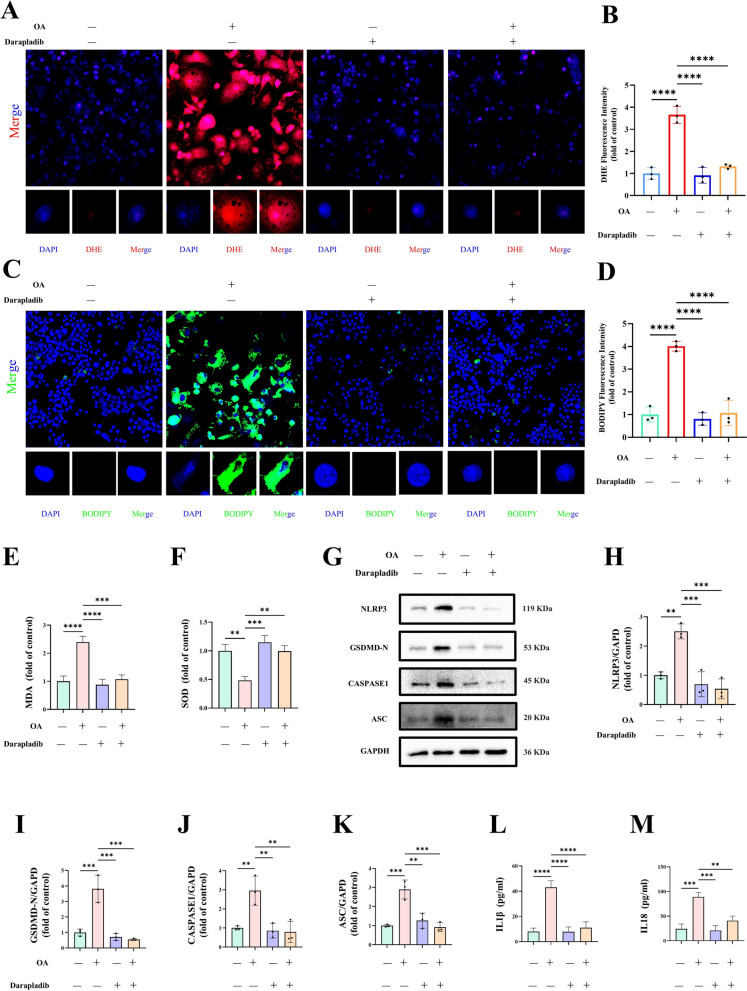 Figure 10
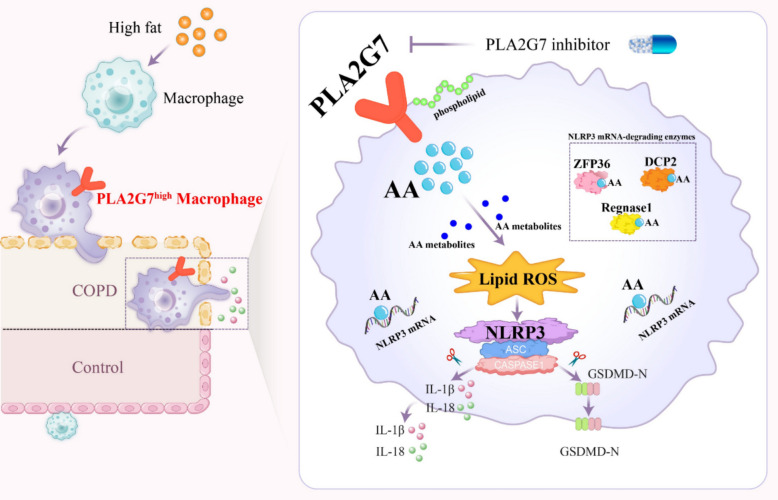 Figure 11
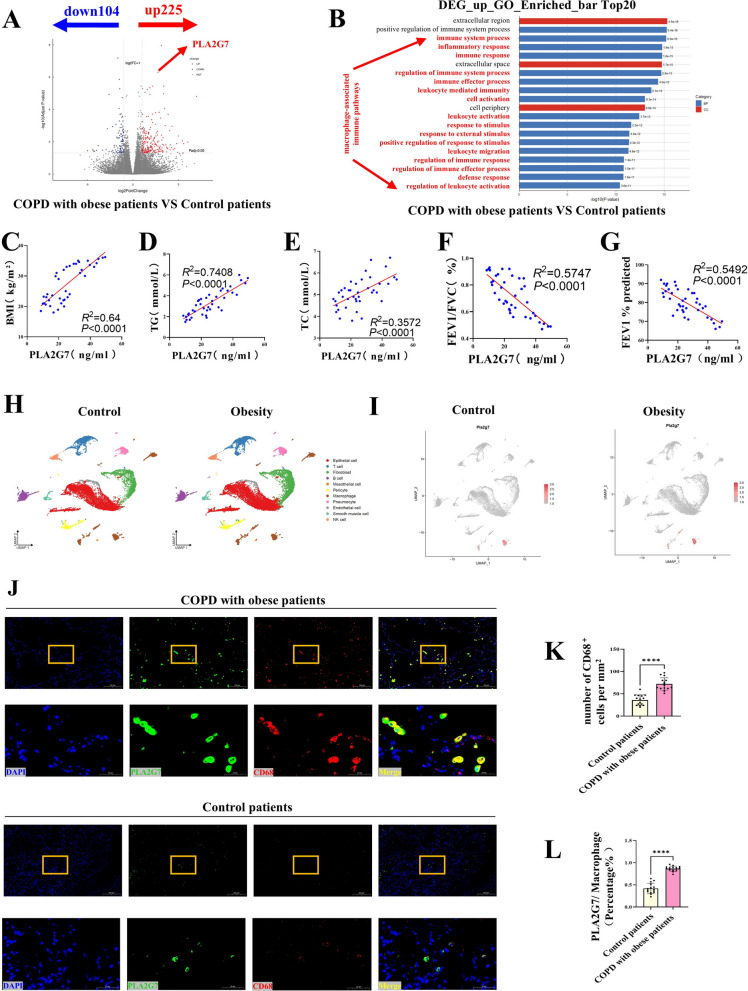 Figure 1
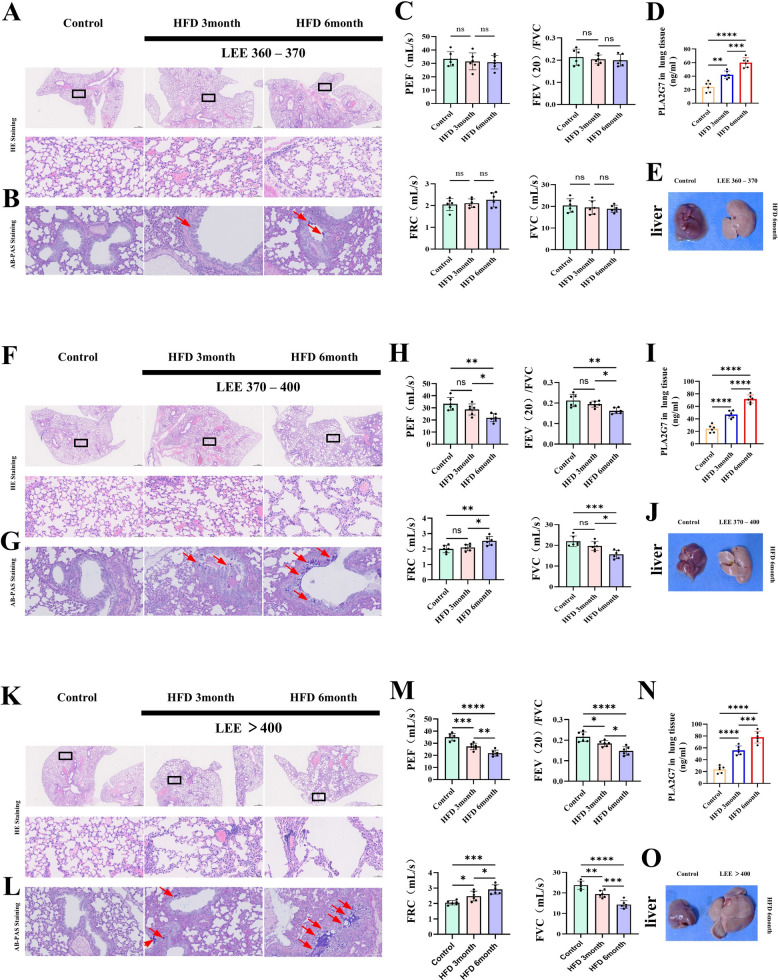 Figure 2
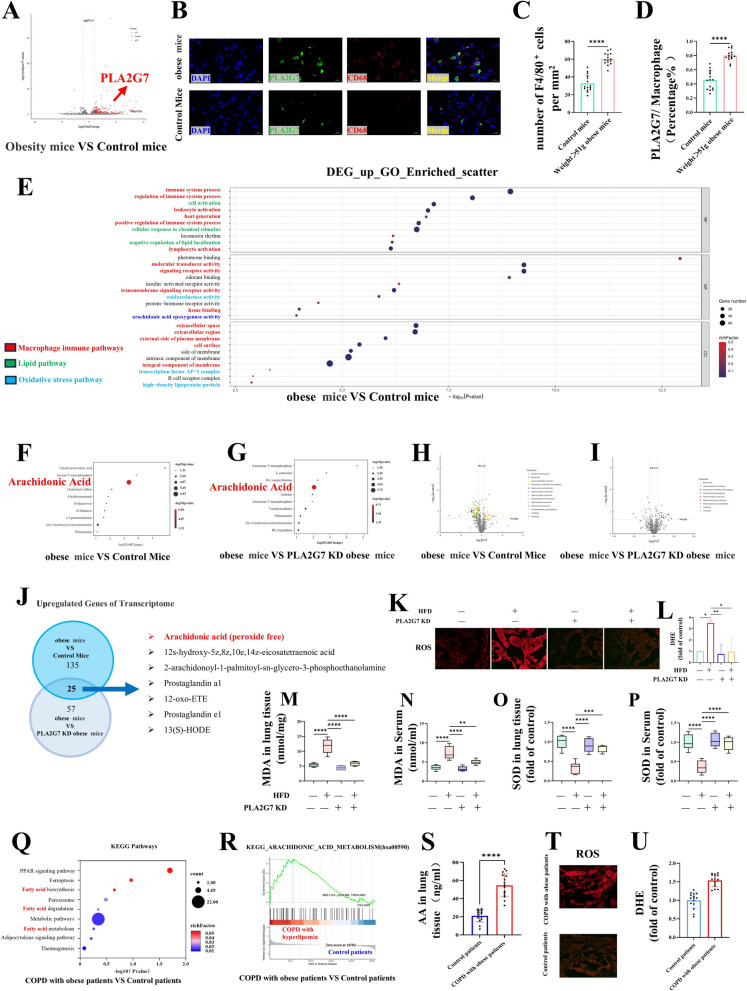 Figure 3
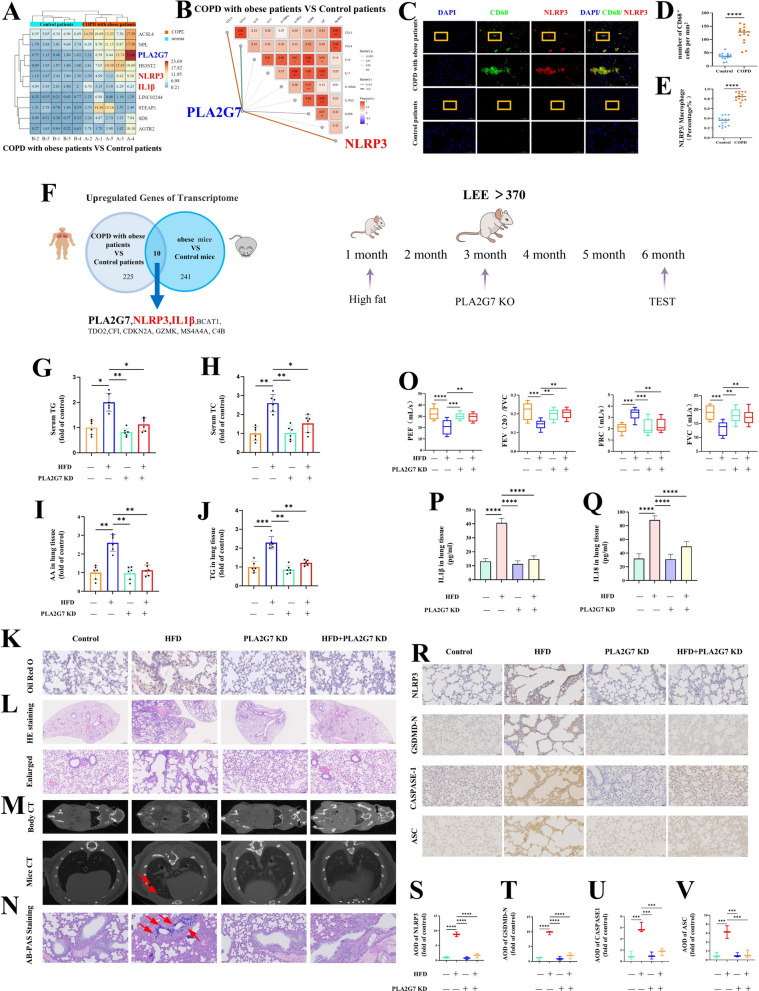 Figure 4
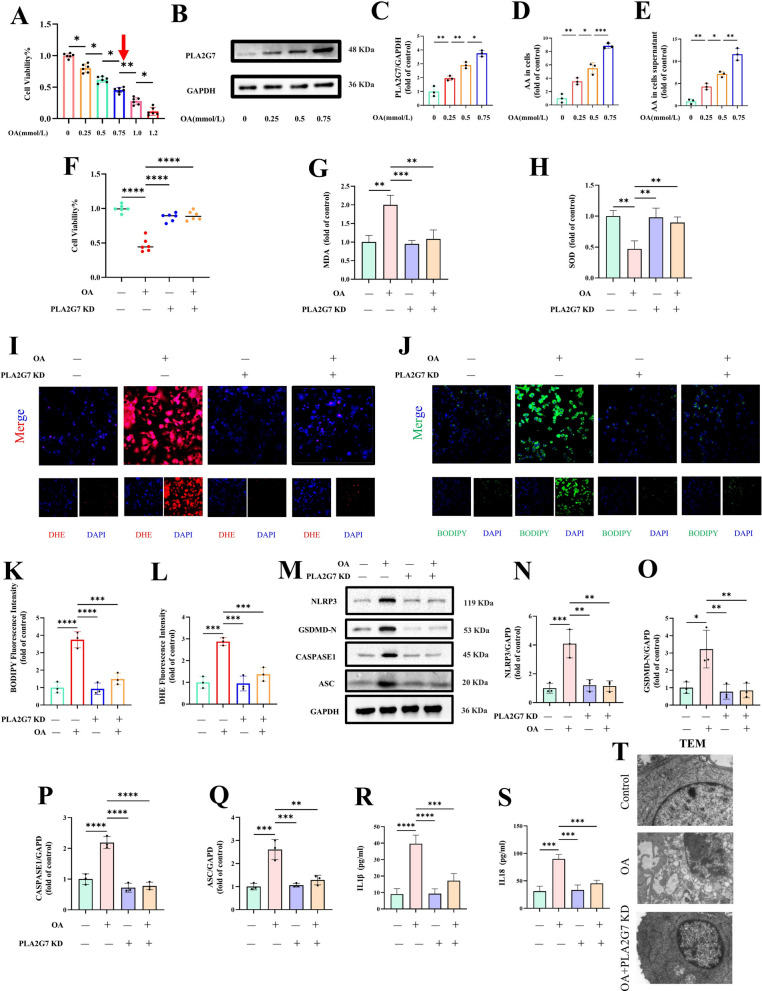 Figure 5
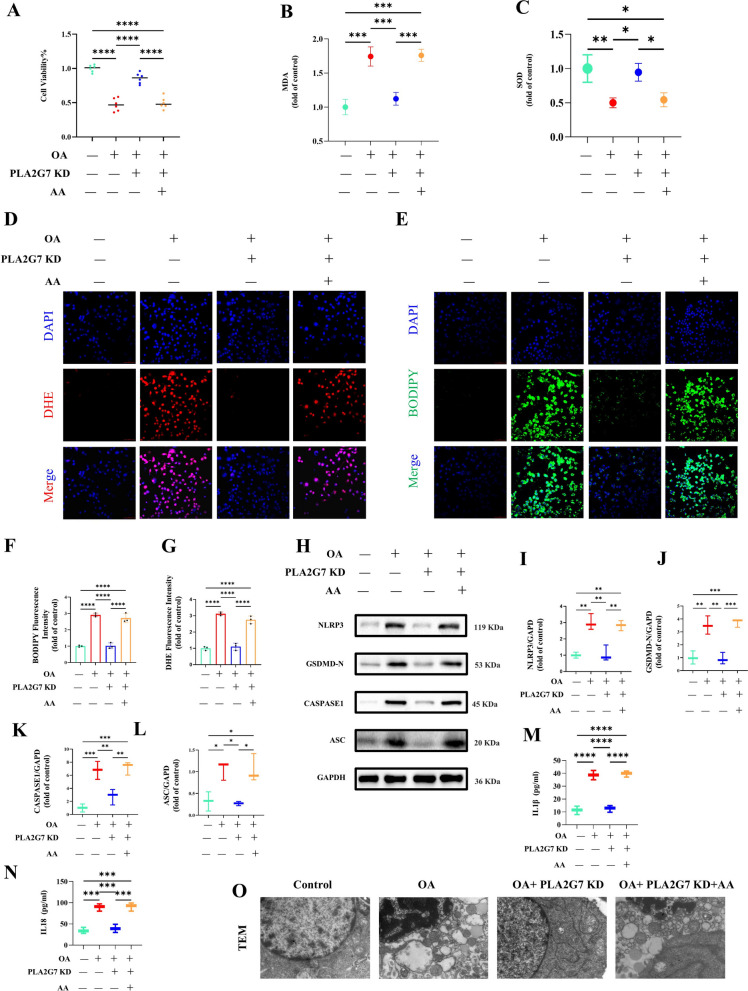 Figure 6
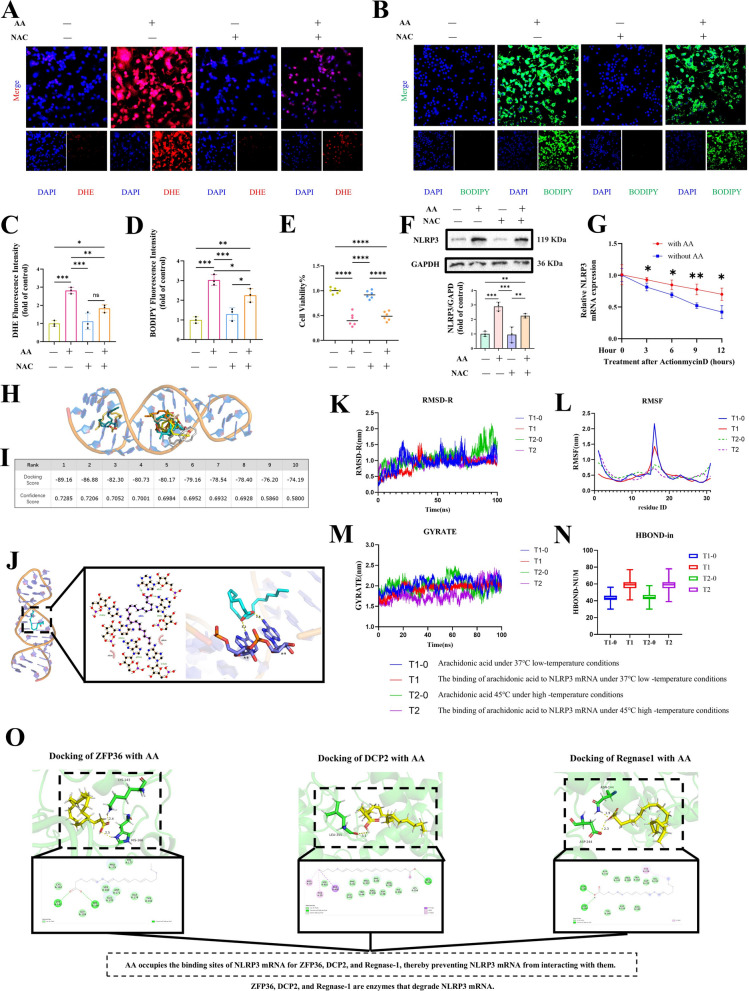 Figure 7
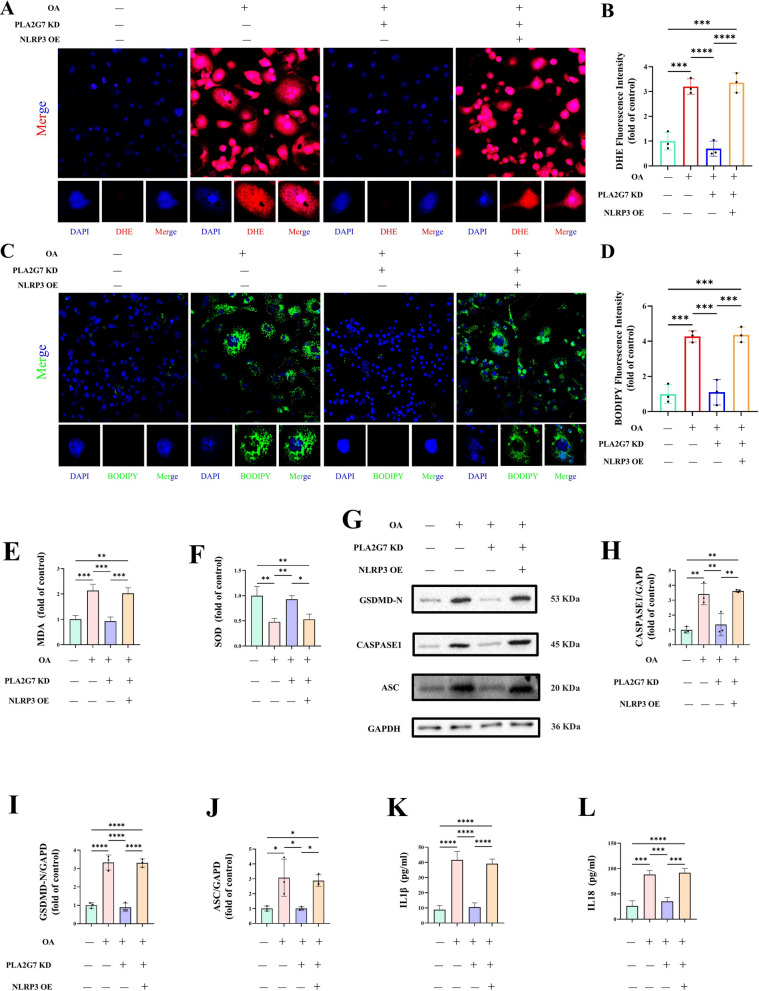 Figure 8
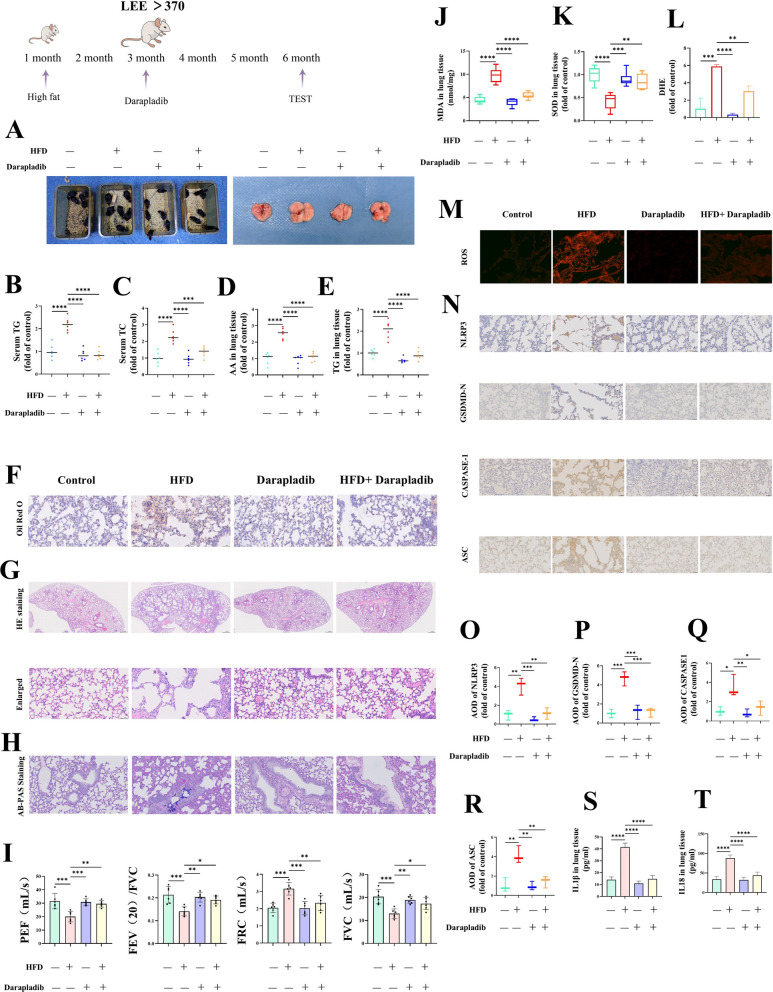 Figure 9
Peer Reviews
No public reviews on file for this paper yet. If you reviewed it on a platform where reviews are public (OpenReview, ICLR, NeurIPS, ICML), you can paste yours below so the community can read it here.
Videos
No videos yet. Explain this paper in a talk, walkthrough, or lecture? Add one.
Taxonomy
TopicsNeurological diseases and metabolism · Cerebrovascular and genetic disorders · S100 Proteins and Annexins