Intracranial hemorrhage identified after initiating therapeutic hypothermia: two case reports of neonatal hypoxic-ischemic encephalopathy due to hypovolemic shock with anemia: a case report
Takatoshi Murakami, Kenichi Tanaka, Ryousuke Sasaki, Shirou Matsumoto, Kimitoshi Nakamura

TL;DR
Two newborns with hypoxic-ischemic encephalopathy developed undetected intracranial hemorrhage before therapeutic hypothermia, highlighting the need for more accurate imaging.
Contribution
Highlights the risk of undetected intracranial hemorrhage in neonates undergoing therapeutic hypothermia for hypoxic-ischemic encephalopathy.
Findings
Intracranial hemorrhage was not detected by cranial ultrasonography before therapeutic hypothermia initiation.
Computed tomography or MRI later revealed subdural hematomas in both cases.
One infant required discontinuation of hypothermia and surgical intervention due to persistent bleeding.
Abstract
Therapeutic hypothermia for moderate-to-severe hypoxic-ischemic encephalopathy in neonates effectively improves neurological outcomes when initiated within 6 hours of birth. However, coagulopathy is a potential side effect of therapeutic hypothermia and requires careful monitoring for signs of hemorrhage. Uncontrolled hemorrhage is the primary exclusion criterion for therapeutic hypothermia. Herein, we report two cases of intracranial hemorrhage that, despite being massive enough to cause hypovolemic shock with anemia, could not be detected by cranial ultrasonography before the initiation of therapeutic hypothermia for hypoxic-ischemic encephalopathy. One of the two Japanese newborn cases (one male and one female, 0 years old) was delivered by vacuum extraction and the other by forceps. Both infants presented with hypoxic-ischemic encephalopathy symptoms due to hypovolemic shock with…
Genes, proteins, chemicals, diseases, species, mutations and cell lines named across the full text — each resolved to its canonical identifier and authoritative record.
Click any figure to enlarge with its caption.
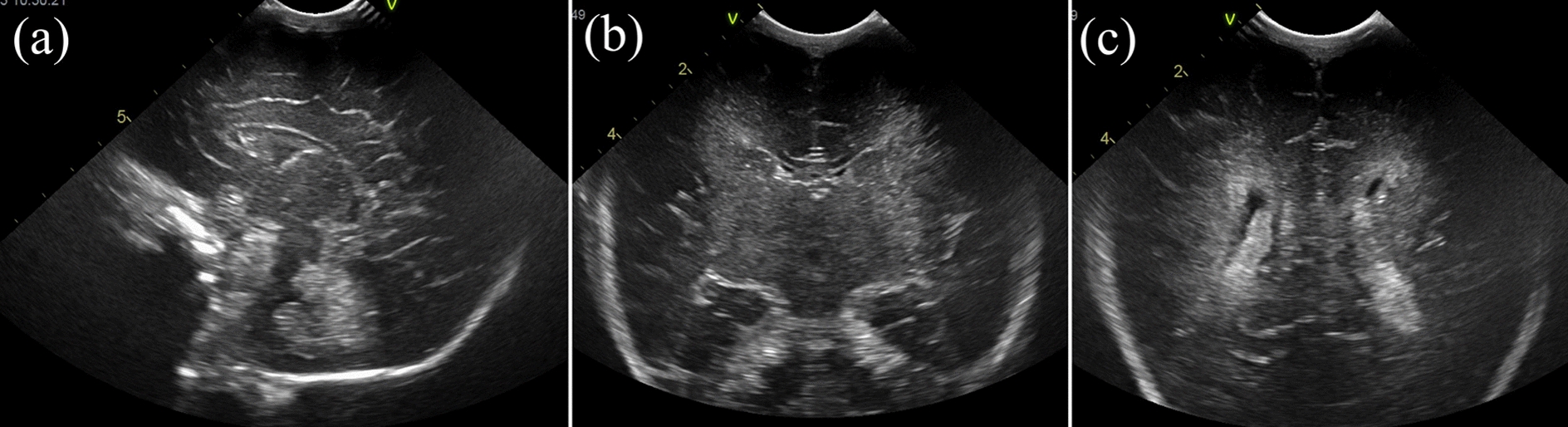 Figure 1
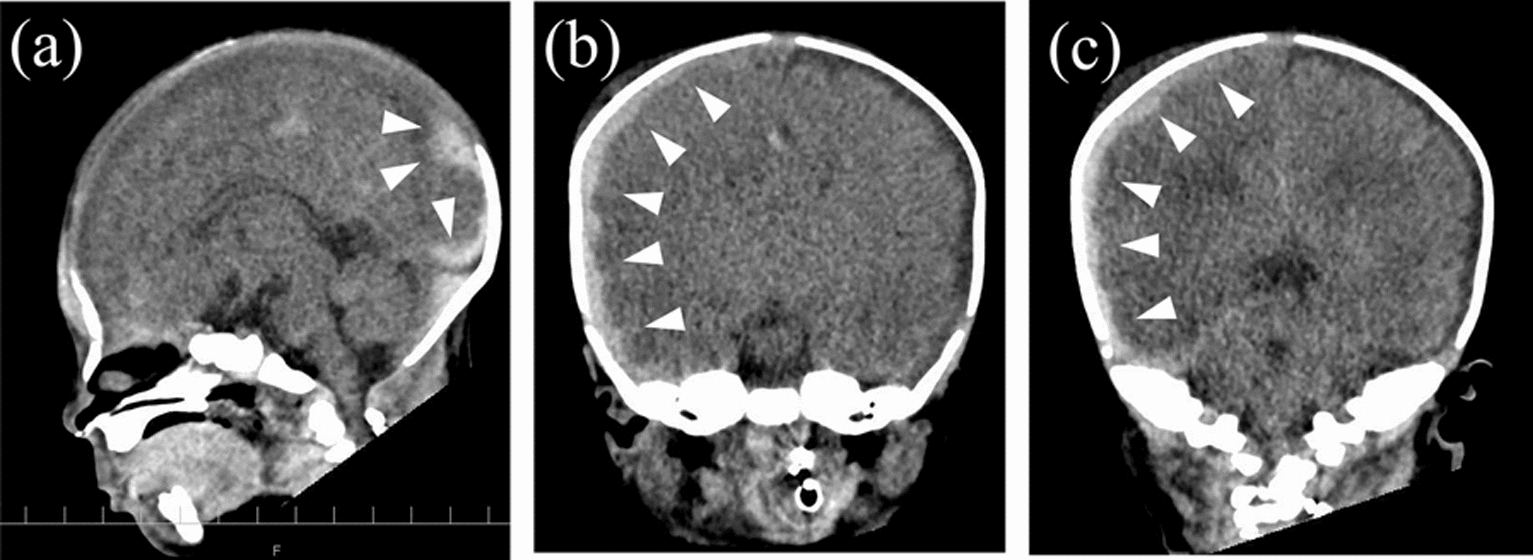 Figure 2
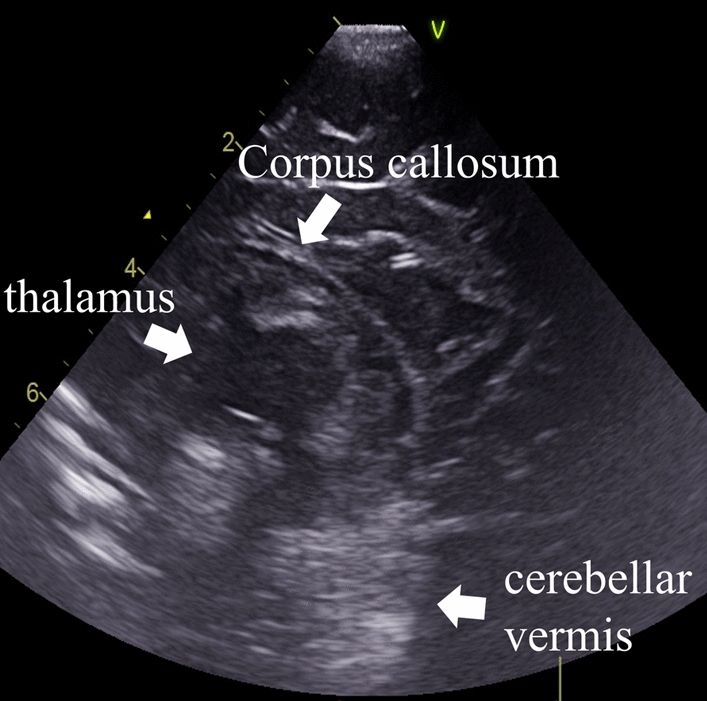 Figure 3
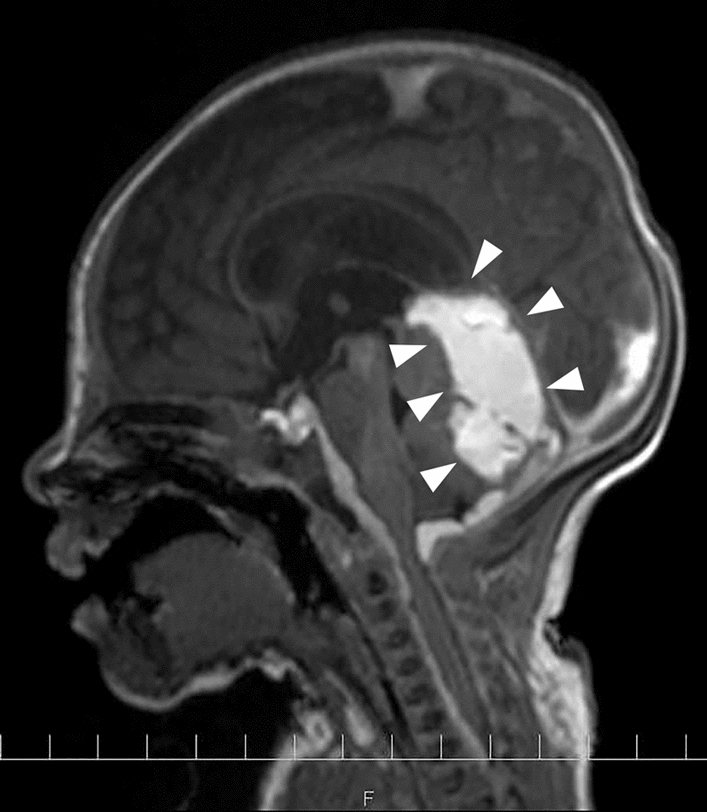 Figure 4
Peer Reviews
No public reviews on file for this paper yet. If you reviewed it on a platform where reviews are public (OpenReview, ICLR, NeurIPS, ICML), you can paste yours below so the community can read it here.
Videos
No videos yet. Explain this paper in a talk, walkthrough, or lecture? Add one.
Taxonomy
TopicsNeonatal and fetal brain pathology · Child Abuse and Related Trauma · Infectious Encephalopathies and Encephalitis