Analysis of comorbid characteristics, molecular mechanisms between mild cognitive impairment and Alzheimer’s disease with interventions in a community-based population in Shanghai
Yiying Sun, Bin Liu, Jie Tong, Dianhong Shi, Xiaochun Zhu, Tingting Jiang, Yi Yang, Xirong Sun

TL;DR
This study explores the link between mild cognitive impairment and Alzheimer's disease in a Shanghai community, identifying risk factors and potential natural compounds for intervention.
Contribution
The study identifies MCI signature genes and potential natural compounds for cognitive impairment intervention in a community-based population.
Findings
MCI and AD are significantly positively correlated, with a higher AD prevalence in the MCI group.
Boldine and piceatannol are identified as potential natural compounds for cognitive impairment intervention.
MCI is influenced by lifestyle and psychological factors like age, stress, and living arrangements.
Abstract
Mild cognitive impairment (MCI) is a critical early stage of Alzheimer’s disease (AD). Elucidating the comorbidity characteristics, influencing factors, and molecular mechanisms between MCI and AD in community-based populations is crucial for early intervention in cognitive impairment. 2,234 elderly individuals aged 50 years or older from 14 communities in Pudong New District, Shanghai, were enrolled in this study. The Montreal Cognitive Assessment (MoCA), Mini-Mental State Examination (MMSE), and Clinical Dementia Rating (CDR) were used to divide individuals into a control group (n = 1,160) and an MCI group (n = 1,074). The associations of demographic characteristics, lifestyle, and psychological status with MCI were analyzed. Transcriptome data from GSE140829 (training set) and GSE63060 (validation set) were obtained from the GEO database. Weighted gene co-expression network analysis…
Genes, proteins, chemicals, diseases, species, mutations and cell lines named across the full text — each resolved to its canonical identifier and authoritative record.
Click any figure to enlarge with its caption.
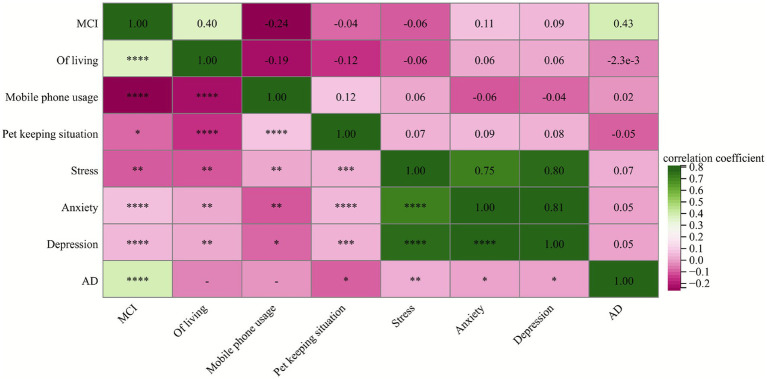 Figure 1
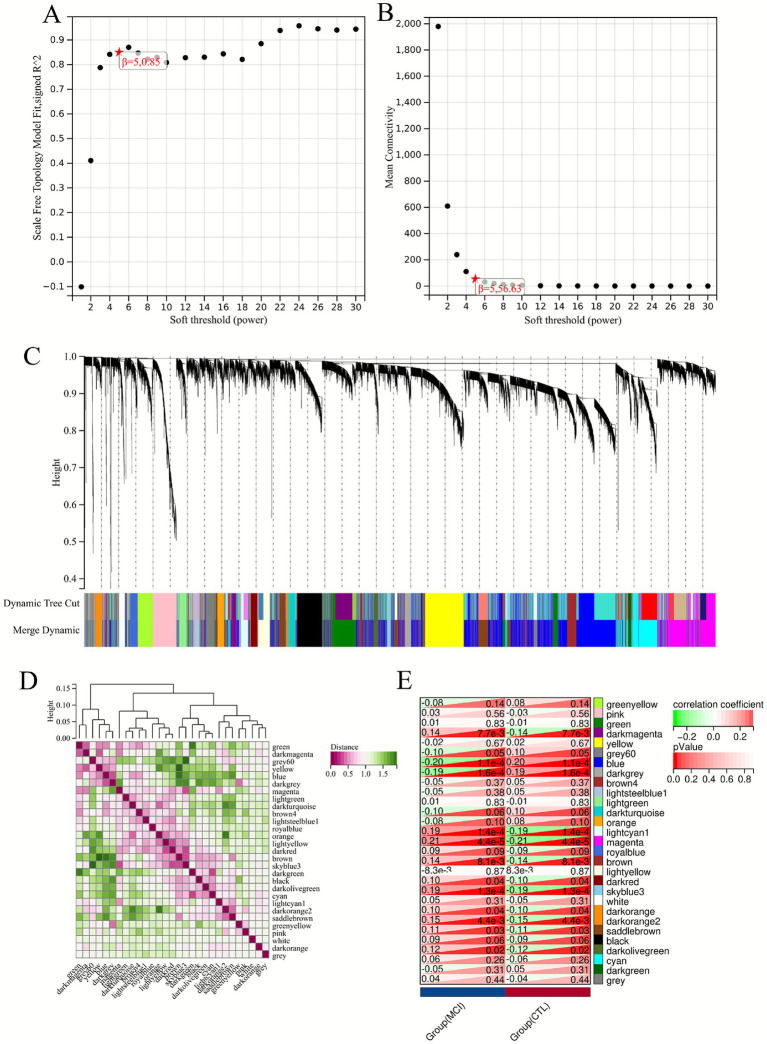 Figure 2
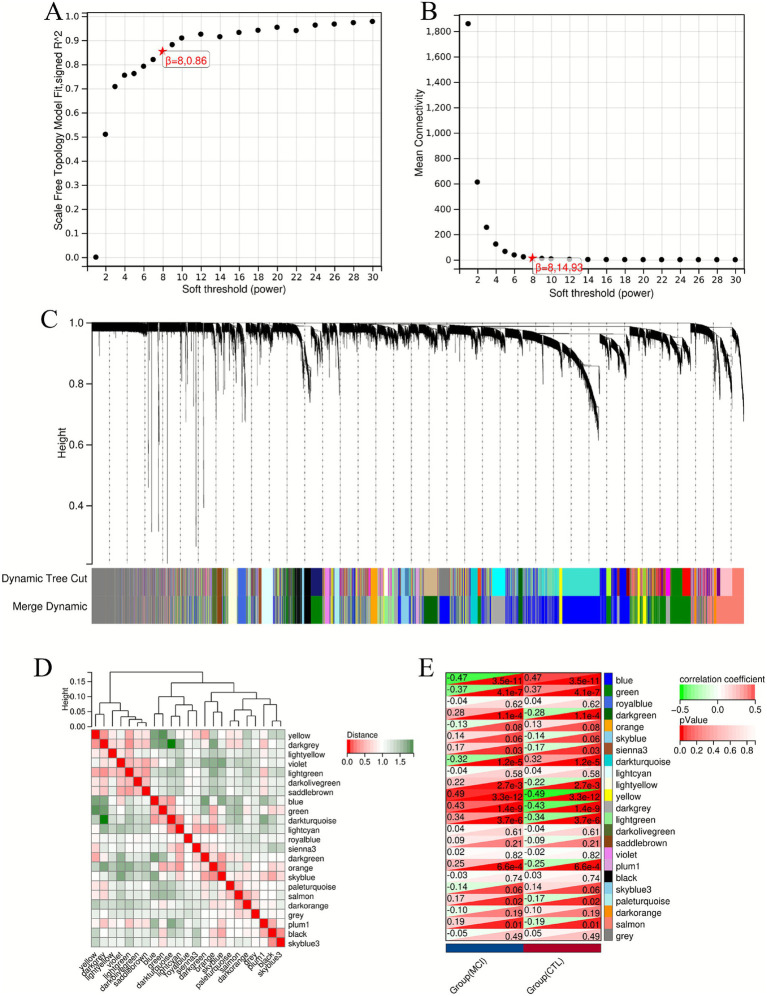 Figure 3
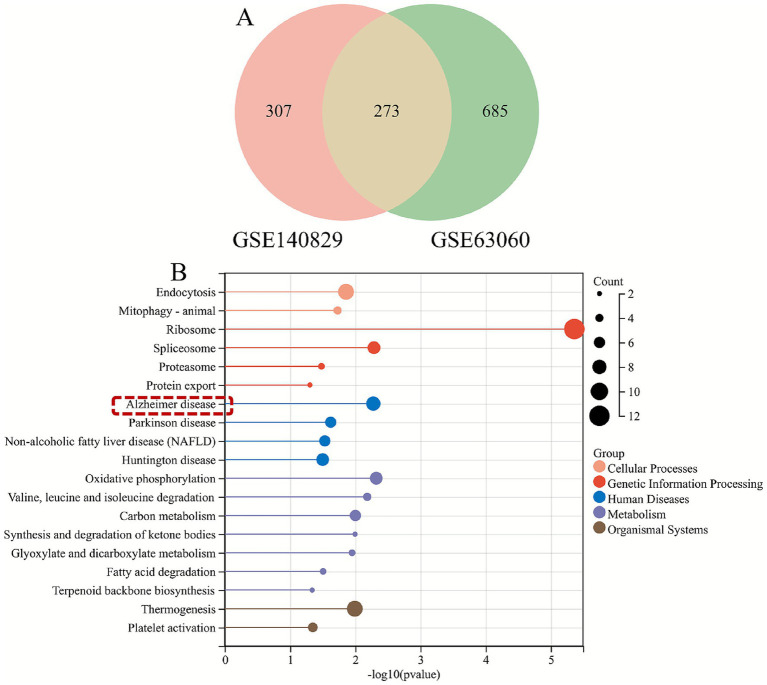 Figure 4
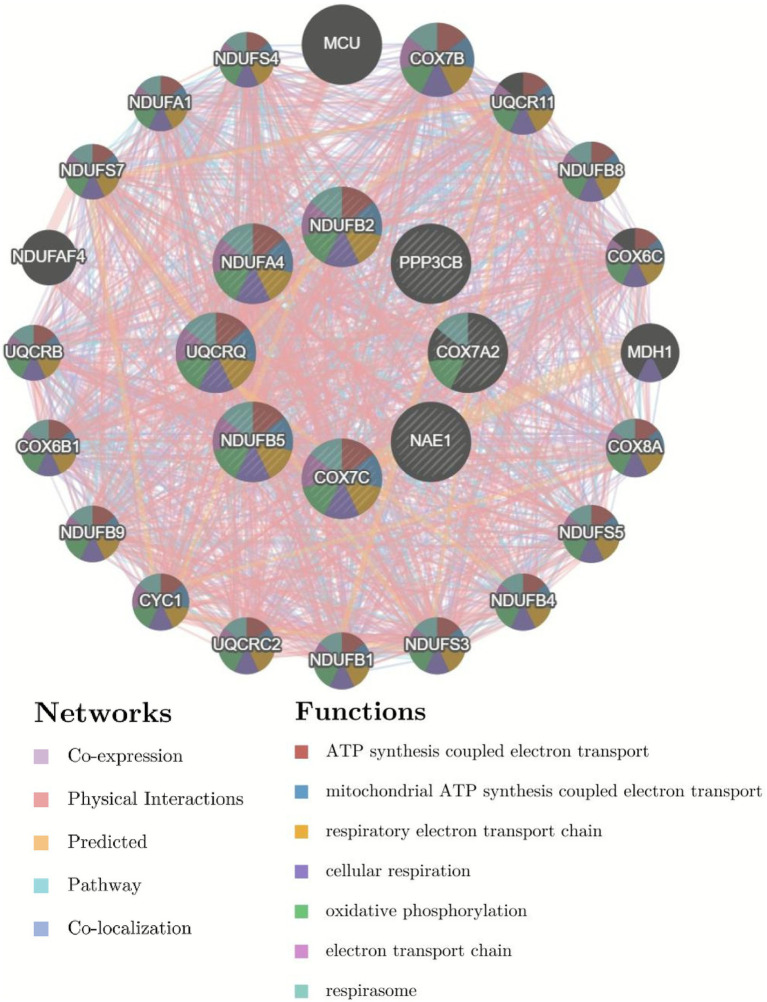 Figure 5
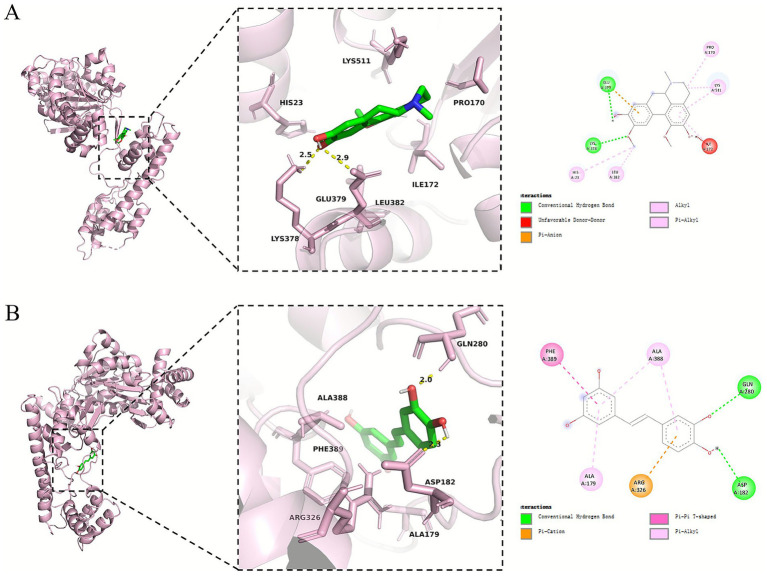 Figure 6
Peer Reviews
No public reviews on file for this paper yet. If you reviewed it on a platform where reviews are public (OpenReview, ICLR, NeurIPS, ICML), you can paste yours below so the community can read it here.
Videos
No videos yet. Explain this paper in a talk, walkthrough, or lecture? Add one.
Taxonomy
TopicsDementia and Cognitive Impairment Research · Alzheimer's disease research and treatments · Neurological Disease Mechanisms and Treatments