Iron tris-mesityl: a homoleptic iron(ii) ferrate species for directed C–H activation
Aleksa Radović, Maria C. Healy, Arnadeep Datta, Deborshee Das, Likun Cai, Steven Diaz, Achyut Ranjan Gogoi, Nikki J. Wolford, Stephanie H. Carpenter, William W. Brenessel, David McCamant, Osvaldo Gutierrez, Michael L. Neidig

TL;DR
Scientists developed a new iron compound that efficiently activates carbon-hydrogen bonds, offering a sustainable and cost-effective approach for chemical synthesis.
Contribution
The first homoleptic iron(II) complex capable of directed C–H activation is introduced.
Findings
FeMes3− facilitates C–H activation via σ-bond metathesis.
Tris-cyclometalated iron complexes are synthesized using pyridine-derived substrates.
DFT calculations confirm the σ-bond metathesis pathway for activation.
Abstract
C–H activation is a vital synthetic tool due to its superior atom economy and improved step efficiency making it amendable to late-stage functionalisation. In recent years iron has been gaining traction within this field due to its high abundance, low cost and low toxicity. Iron(0) phosphines for C–H activation via oxidative addition are well documented, however, only a handful of iron(ii) complexes competent at C–H activation via ligand-to-ligand hydrogen atom transfer (LLHT) or σ-bond metathesis have been identified. Herein we report the first homoleptic iron species capable of facilitating C–H activation, introducing a new class of well-defined iron(ii) complexes for this purpose, and detail the synthesis and characterisation of a range of tris-cyclometalated iron complexes using a variety of pyridine derived substrates. Density functional theory (DFT) calculations reveal that the…
Genes, proteins, chemicals, diseases, species, mutations and cell lines named across the full text — each resolved to its canonical identifier and authoritative record.
Click any figure to enlarge with its caption.
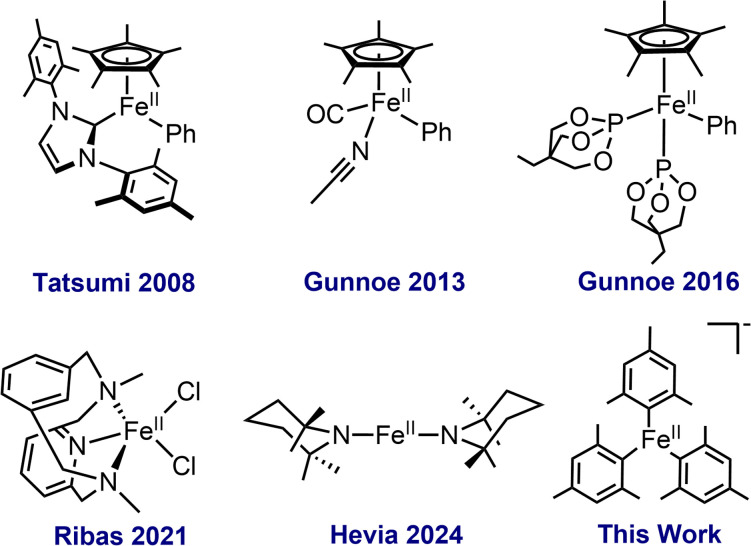 Figure 1
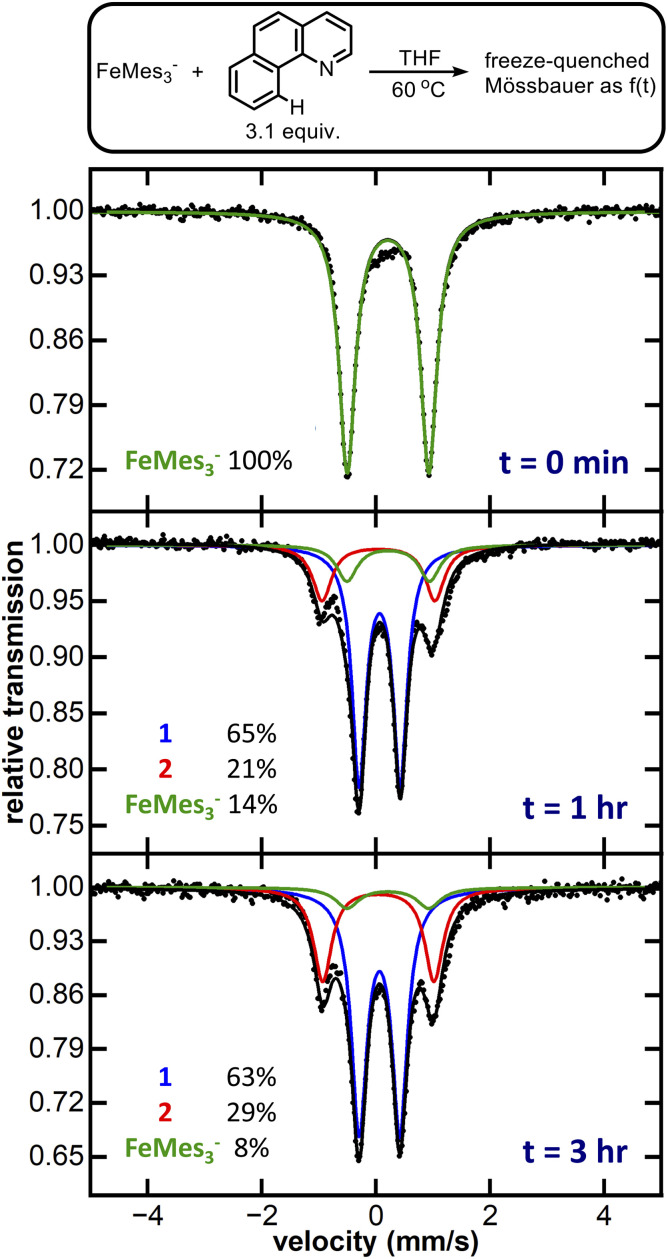 Figure 2
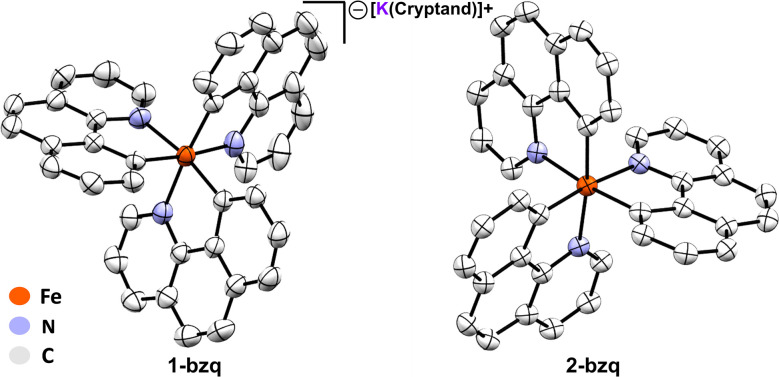 Figure 3
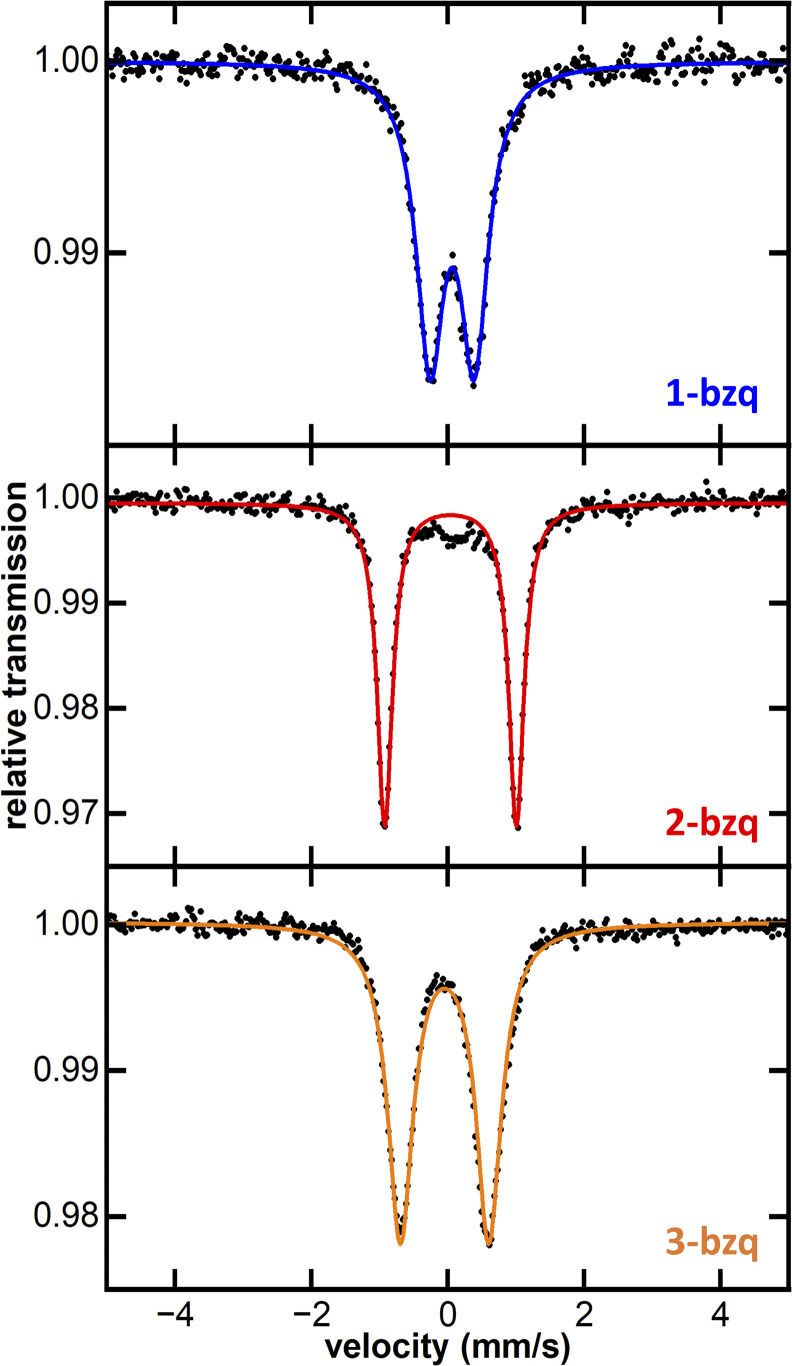 Figure 4
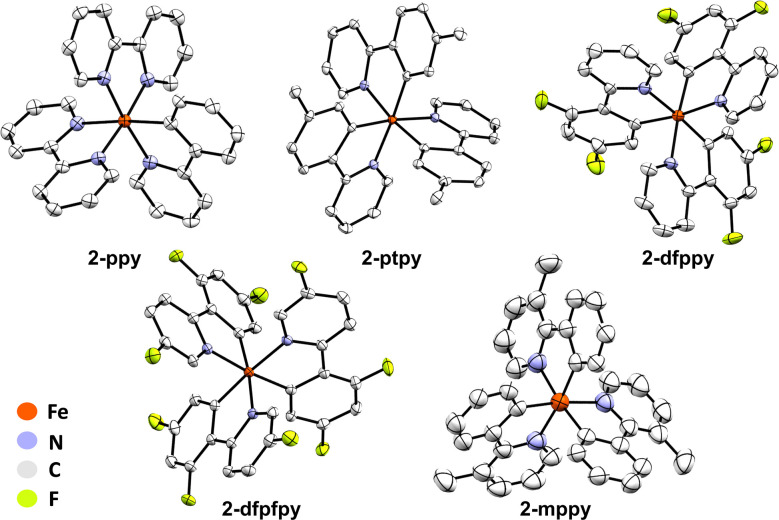 Figure 5
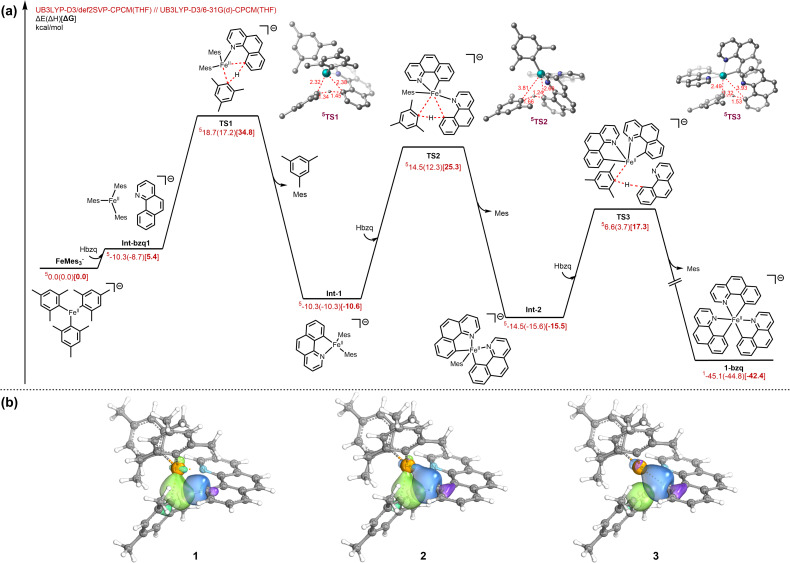 Figure 6
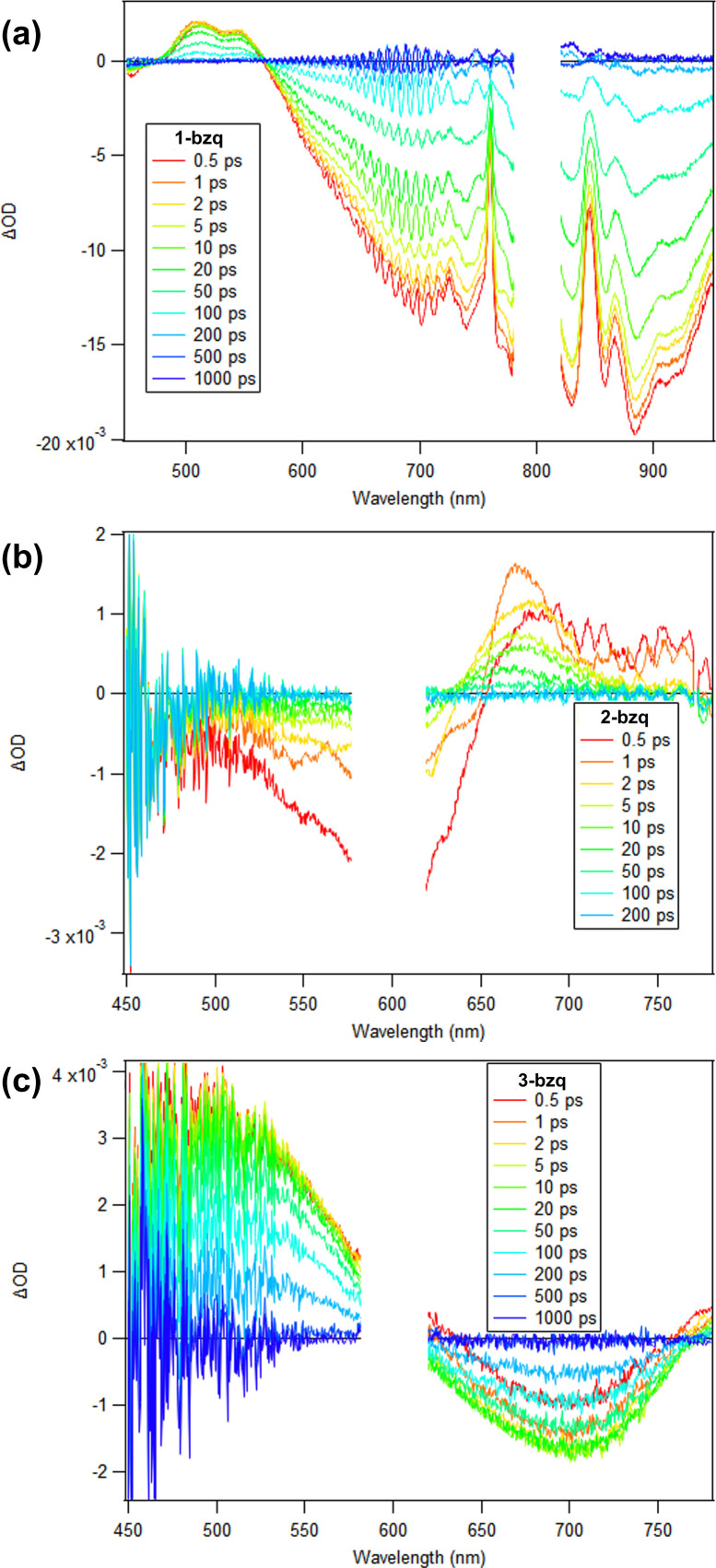 Figure 7
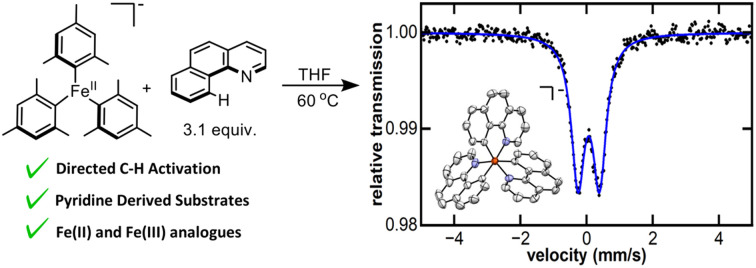 Figure 8
Peer Reviews
No public reviews on file for this paper yet. If you reviewed it on a platform where reviews are public (OpenReview, ICLR, NeurIPS, ICML), you can paste yours below so the community can read it here.
Videos
No videos yet. Explain this paper in a talk, walkthrough, or lecture? Add one.
Taxonomy
TopicsCatalytic C–H Functionalization Methods · Cyclopropane Reaction Mechanisms · Chemical Reactions and Isotopes